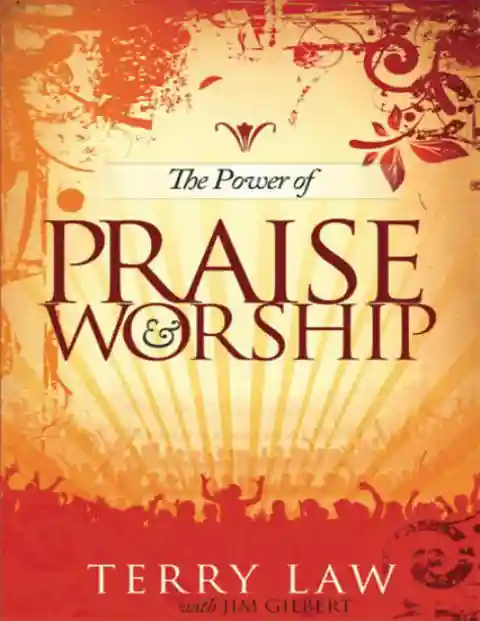

Others like the power of praise and worship Features >>
The Power Of Covenant Prayer
Thanksgiving Praise And Worship
The Purpose And Power Of Praise And Worship
The Power Of Simple Prayer
The Hidden Power Of Prayer And Fasting
The Power Of A Praying Nation

The Life Of Prayer
The Life Of John Praying Hyde
The Fire Of Delayed Answers
God's Answer To Fear And Worry
About the Book
"The Power of Praise and Worship" by Terry Law explores how engaging in praise and worship can transform our lives, draw us closer to God, and release His power in our lives. The author highlights the importance of praising and worshiping God in both good times and bad, emphasizing the impact it can have on our spiritual growth, faith, and relationship with God. Through personal stories, biblical examples, and practical advice, Law encourages readers to make praise and worship a central part of their daily lives to experience God's presence and blessings in a deeper way.
Emerson Andrews
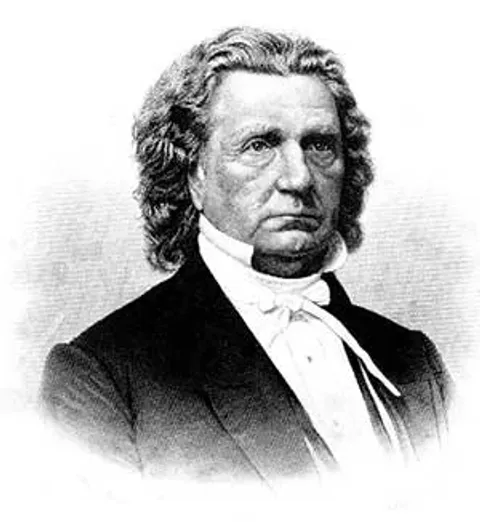 His Early life
Emerson Andrews was born in Mansfield, Bristol County, Massachusetts in 1806 to godly parents, James and Mercy Andrews. They were from English stock and were strict Puritans in faith and lifestyle. Although young Emerson was raised in the Congregational Church he was far from God in his teens and twenties.
Nevertheless, periodically, he experienced intense conviction, usually through his parents’ counsels and prayers but particularly through two unforgettable sermons delivered by the eccentric revivalist, Lorenzo Dow. Soon after this he was converted under the ministry of another revival preacher, Asahel Nettleton.
He was a very educated man formerly studying at Chesterfield Academy and, at the time of his conversion, at Plainfield Kimball Union Academy, in New Hampshire. In the spring of 1832 whilst studying further at Union College in Schenectady, New York, he was baptised by immersion in the Mohawk River. It was his convictions about the Bible’s teaching on water baptism that caused him to join the Baptist’s instead of the Congregationalists or Presbyterians.
A Lover of Revival
He wrote “Many revivals and protracted meetings of one, two, or more days, and some for weeks and months, have been held, in New England and elsewhere, within, my personal remembrance. These have sent out their hallowed influences, as the light of the world and salt of the earth. Just before and at the time of my second birth, many sweeping and glorious revivals, under the celebrated Dr. Netteton, John Leland, Jedediah Burchard, C. G. Finney, were hailed, enjoyed, and sounded all around and over the country.
As soon as I was converted I cherished the good news of revivals; and I sought a place and portion with live Christians, that I might speak for Christ and win souls to salvation. I asked God for direction and help, and was answered.
His first visit to a Revival
He describes his first visit to a Revival “The first meeting that I attended after my regeneration was held in the town of Windsor, Vt. It was called a “four days’ meeting.” But many such were held in different places about that time. This came off in the summer of l830. I was much delighted, fed, and strengthened by such a sight, experience, exercise, and spiritual supper. It was a precious banquet, adapted to develop and enlarge the young convert’s soul.
The four pastors of the town, with their respective churches and congregations, and some from neighboring towns, met with the Baptist church, of which Elder Leland Howard was the long-honored pastor. Some twenty other pastors also came in from adjacent towns, and a few Lawyers and teachers, who took leading parts in the services. Large congregations were constantly in attendance, and all the various exercises and meetings were interesting and profitable.
Some of the sermons and prayers were most powerful, melting, and effective. Sinners often arose, requesting prayers, or sent up short petitions to be read. A lawyer by the name of Shepherd, from New York, was found to be very able, pointed, and specific in prayer, and so effective and precise in noting each different request more perfectly than the ministers, that he was often invited to lead in prayer — especially when there were some ten or twenty different, or some difficult requests presented.
He seemed to be full of the Spirit, and was especially gifted and successful. Ministers learned something valuable from his wisdom and tact. I confess that his pointedness made a powerful and lasting impression on my mind and practice.
The professors and ministers were much blessed, and many sinners were converted in the meetings. The gospel was preached and the Spirit poured out, prayer and sacrifices made. Novelty and wonder attracted many. Here God crowned the effort.”
Mentored by Jacob Knapp
He writes. ” ROCHESTER, N.Y. 1839. Here I assisted in a powerful meeting, under the preaching of the celebrated Elder Jacob Knapp, for three weeks. Marvellous things were done. The wicked raged, the Spirit worked, grace prevailed, and hundreds were converted — a glorious triumph over rum, gambling, and infidelity. Jesus reigned.” This exposure to revival power whetted his appetite for an evangelistic ministry.
His first revival efforts
“WHITE DEER, PENN. 1839. In this rich farming district I had a revival meeting of five weeks, with a feeble Baptist church. We began at the close of the Association; but, with all the eloquent pastoral preaching in it, the brethren were not aroused, nor sinners much convicted.
Here my first sermon was from the text, “O Lord, revive thy work!” And he did so immediately. Some half a dozen persons were convicted and converted, and the church was revived by the power of God on that evening’s effort. The whole region, then, for seven miles around, was awakened, and some forty converts were immersed by Elder Spratt, D.D.
Here, too, we experienced severe opposition and much persecution from outside professors and sinners, but God strengthened our hands for a triumphant work. This was a blessed era with the church, and it is fragrant still.
“CLINTON, PENN. I had a revival meeting in this township. It was very great and powerful. Satan and sinners raged, at times, terribly, but the cross was triumphant. Many were immersed by the beloved pastor, Elder Spratt, D.D.
Hugh Donelly, the postmaster, rum-selling merchant, and an avowed infidel, who had slandered me and ridiculed the meeting, crept in away back, then into the middle seats; then, after a few nights, fell on his knees groaning and crying for mercy. I soon aided him in coming forward.
Then out came his wife and sister. We all prayed, and soon the three rejoiced in hope, and spoke boldly for Jesus. Brother Donelly has made a noble record in Pennsylvania and Indiana for Jesus and his cause…..
PARMA, N.Y. In this western village, in mid-winter, I preached night and day, for three weeks, to overflowing houses and attentive hearers. Christians renewed their “first love and vows,” and many sinners were converted and baptized.
An infidel, hearing a few sermons, was struck under conviction, and fled away thirty miles for comfort; but, feeling worse and worse, returned like the prodigal, feeling wretched and lost. He came forward, prayer was offered, and he soon yielded and believed, giving glory to God. Then he told his experience, and exhorted his old Universalist and infidel friends to repent and be saved from hell.
Emerson Andrews Preaching
His preaching zeal and effectiveness were quickly recognised and he was soon licensed to preach and for a four year period served brief pastorates in New York State – Waterford, West Troy, Lansingburg and Rome (1834-1838)
In 1838 began an itinerant evangelist for thirty-five years, mainly in America, but also in Europe, Africa, Asia and Canada. His estimates were that 40,000 were converted through his ministry.
His Early life
Emerson Andrews was born in Mansfield, Bristol County, Massachusetts in 1806 to godly parents, James and Mercy Andrews. They were from English stock and were strict Puritans in faith and lifestyle. Although young Emerson was raised in the Congregational Church he was far from God in his teens and twenties.
Nevertheless, periodically, he experienced intense conviction, usually through his parents’ counsels and prayers but particularly through two unforgettable sermons delivered by the eccentric revivalist, Lorenzo Dow. Soon after this he was converted under the ministry of another revival preacher, Asahel Nettleton.
He was a very educated man formerly studying at Chesterfield Academy and, at the time of his conversion, at Plainfield Kimball Union Academy, in New Hampshire. In the spring of 1832 whilst studying further at Union College in Schenectady, New York, he was baptised by immersion in the Mohawk River. It was his convictions about the Bible’s teaching on water baptism that caused him to join the Baptist’s instead of the Congregationalists or Presbyterians.
A Lover of Revival
He wrote “Many revivals and protracted meetings of one, two, or more days, and some for weeks and months, have been held, in New England and elsewhere, within, my personal remembrance. These have sent out their hallowed influences, as the light of the world and salt of the earth. Just before and at the time of my second birth, many sweeping and glorious revivals, under the celebrated Dr. Netteton, John Leland, Jedediah Burchard, C. G. Finney, were hailed, enjoyed, and sounded all around and over the country.
As soon as I was converted I cherished the good news of revivals; and I sought a place and portion with live Christians, that I might speak for Christ and win souls to salvation. I asked God for direction and help, and was answered.
His first visit to a Revival
He describes his first visit to a Revival “The first meeting that I attended after my regeneration was held in the town of Windsor, Vt. It was called a “four days’ meeting.” But many such were held in different places about that time. This came off in the summer of l830. I was much delighted, fed, and strengthened by such a sight, experience, exercise, and spiritual supper. It was a precious banquet, adapted to develop and enlarge the young convert’s soul.
The four pastors of the town, with their respective churches and congregations, and some from neighboring towns, met with the Baptist church, of which Elder Leland Howard was the long-honored pastor. Some twenty other pastors also came in from adjacent towns, and a few Lawyers and teachers, who took leading parts in the services. Large congregations were constantly in attendance, and all the various exercises and meetings were interesting and profitable.
Some of the sermons and prayers were most powerful, melting, and effective. Sinners often arose, requesting prayers, or sent up short petitions to be read. A lawyer by the name of Shepherd, from New York, was found to be very able, pointed, and specific in prayer, and so effective and precise in noting each different request more perfectly than the ministers, that he was often invited to lead in prayer — especially when there were some ten or twenty different, or some difficult requests presented.
He seemed to be full of the Spirit, and was especially gifted and successful. Ministers learned something valuable from his wisdom and tact. I confess that his pointedness made a powerful and lasting impression on my mind and practice.
The professors and ministers were much blessed, and many sinners were converted in the meetings. The gospel was preached and the Spirit poured out, prayer and sacrifices made. Novelty and wonder attracted many. Here God crowned the effort.”
Mentored by Jacob Knapp
He writes. ” ROCHESTER, N.Y. 1839. Here I assisted in a powerful meeting, under the preaching of the celebrated Elder Jacob Knapp, for three weeks. Marvellous things were done. The wicked raged, the Spirit worked, grace prevailed, and hundreds were converted — a glorious triumph over rum, gambling, and infidelity. Jesus reigned.” This exposure to revival power whetted his appetite for an evangelistic ministry.
His first revival efforts
“WHITE DEER, PENN. 1839. In this rich farming district I had a revival meeting of five weeks, with a feeble Baptist church. We began at the close of the Association; but, with all the eloquent pastoral preaching in it, the brethren were not aroused, nor sinners much convicted.
Here my first sermon was from the text, “O Lord, revive thy work!” And he did so immediately. Some half a dozen persons were convicted and converted, and the church was revived by the power of God on that evening’s effort. The whole region, then, for seven miles around, was awakened, and some forty converts were immersed by Elder Spratt, D.D.
Here, too, we experienced severe opposition and much persecution from outside professors and sinners, but God strengthened our hands for a triumphant work. This was a blessed era with the church, and it is fragrant still.
“CLINTON, PENN. I had a revival meeting in this township. It was very great and powerful. Satan and sinners raged, at times, terribly, but the cross was triumphant. Many were immersed by the beloved pastor, Elder Spratt, D.D.
Hugh Donelly, the postmaster, rum-selling merchant, and an avowed infidel, who had slandered me and ridiculed the meeting, crept in away back, then into the middle seats; then, after a few nights, fell on his knees groaning and crying for mercy. I soon aided him in coming forward.
Then out came his wife and sister. We all prayed, and soon the three rejoiced in hope, and spoke boldly for Jesus. Brother Donelly has made a noble record in Pennsylvania and Indiana for Jesus and his cause…..
PARMA, N.Y. In this western village, in mid-winter, I preached night and day, for three weeks, to overflowing houses and attentive hearers. Christians renewed their “first love and vows,” and many sinners were converted and baptized.
An infidel, hearing a few sermons, was struck under conviction, and fled away thirty miles for comfort; but, feeling worse and worse, returned like the prodigal, feeling wretched and lost. He came forward, prayer was offered, and he soon yielded and believed, giving glory to God. Then he told his experience, and exhorted his old Universalist and infidel friends to repent and be saved from hell.
Emerson Andrews Preaching
His preaching zeal and effectiveness were quickly recognised and he was soon licensed to preach and for a four year period served brief pastorates in New York State – Waterford, West Troy, Lansingburg and Rome (1834-1838)
In 1838 began an itinerant evangelist for thirty-five years, mainly in America, but also in Europe, Africa, Asia and Canada. His estimates were that 40,000 were converted through his ministry.
Reformation Day: Jesus Came Knocking
Sometime around A.D. 95, Jesus, through the apostle John, came metaphorically knocking on the door of the church in Laodicea with an unsurpassed invitation: “Behold, I stand at the door and knock. If anyone hears my voice and opens the door, I will come in to him and eat with him, and he with me.” (Revelation 3:20) Pulled out of its context, this verse can sound like Jesus was calling softly and tenderly. Paintings inspired by this verse tend to portray a gentle Jesus mildly knocking. In reality, he was anything but soft and tender, gentle and mild. This invitation came on the heels of a bracing rebuke and serious warning. Jesus was pounding on the Laodicean’s door with the urgency of emergency: “I know your works: you are neither cold nor hot. Would that you were either cold or hot! So, because you are lukewarm, and neither hot nor cold, I will spit you out of my mouth. For you say, I am rich, I have prospered, and I need nothing, not realizing that you are wretched, pitiable, poor, blind, and naked. I counsel you to buy from me gold refined by fire, so that you may be rich, and white garments so that you may clothe yourself and the shame of your nakedness may not be seen, and salve to anoint your eyes, so that you may see. Those whom I love, I reprove and discipline, so be zealous and repent.” (Revelation 3:15–19) Jesus was pounding on the door of a church whose trust in an idol put them in grave spiritual danger. Their prosperous tepidness made him want to gag. But because he loved these lukewarm Christians, he lovingly disciplined them with hard words and called them to zealous repentance and reformation. When Jesus Came Knocking in Wittenberg On October 31, 1517, Jesus, through a little-known German priest/professor named Martin Luther, came quite literally knocking on the Wittenberg door of the Roman Catholic Church. Unrestrained corruption of power and wealth was a sin-cancer that had metastasized in the Roman Catholic Church and spread to many of her leaders and, through them, into her doctrines and practices. This cancer was killing the church. She too had grown very prosperous and yet did not realize how wretched, pitiable, poor, blind, and naked she had become. She had not listened sufficiently to Jesus’s authoritative voice in the Scriptures, or to the prophetic voices of warning that he had repeatedly sent to her. The Lord was at the end of his patience. But because he loved his sin-diseased church whose idolatry put her in grave spiritual danger, he sent an unlikely messenger from an unlikely town — so very like the Lord — with a hard word of loving discipline. Professor Luther walked up to the door of the Castle Church in Wittenberg with a hammer, a few nails, and a parchment listing 95 stinging indictments against the Roman Catholic Church. Unlike what the Laodiceans received, Luther’s theses were not inerrant Scripture. In fact, later Luther knew a number of them did not go far enough. But still, they were a largely biblical call to zealous repentance, as the first thesis so clearly captures: When our Lord and Master Jesus Christ said, ‘Repent’ (Matthew 4:17), he willed the entire life of believers to be one of repentance. In the pounding of Martin’s hammer, Jesus came knocking. And his knocking set off a chain-reaction that exploded into the Protestant Reformation, a gospel detonation that is still shaking the world nearly 500 years later. A Reformation Detonation As a result of October 31, 1517, hundreds of millions of Christians all over the world have submitted to God’s word as their highest authority (Sola Scriptura) and his teaching that salvation is a gift given by God’s grace alone (Sola Gratia) through the instrument of faith alone (Sola Fide) in the death and resurrection of their one savior and mediator, Jesus Christ (Sola Christus), so that all glory would always redound to the Triune God alone (Sola Deo Gloria). Wherever the church opened the door to Jesus, repentance and reformation was like chemotherapy to the cancer of spiritual corruption and recovered belief in the gospel of Christ spread spiritual health through much of Europe, then on to the New World, Asia, and Africa. It spawned massive evangelism, church planting, Bible translation, and frontier missions efforts. And in its wake it brought about all manner of social good: stronger families, honest commerce, economic empowerment for the poor, hospitals and clinics for the sick, education for the masses, encouragement for the scientific enterprise, democratic forms of civic government, and on and on. When we really comprehend the massive floodgate of mercy that was opened to us because Jesus came knocking in Wittenberg, Reformation Day (October 31st) becomes a thanksgiving day — a day for feasting or perhaps for fasting and prayer for another reformation detonation in our lives and churches and nations. Is Jesus Knocking on Your Door? In fact, given the prosperity that most of us in the West are experiencing and the arid spiritual climate most of us live in, it may be that the best way we can observe Reformation Day is to do some serious, prayerful soul-searching. Have we allowed a Laodicean type of acedia to settle in? We know that significant portions of the Western church are diseased with various heresies. Do they provoke us to earnest prayer? And we should ask ourselves, is Jesus knocking — or pounding — on our door? Are we hearing him? Are we ignoring or even resisting him? Are we tolerating and justifying any idols? One clear symptom of idolatry is spiritual lukewarmness. Tepidness typically does not feel like a grave danger. It can feel like a tolerable and even nearly pleasant malaise. But it is deadly. In this state we do not realize how wretched, pitiable, poor, blind, and naked we are. And because Jesus loves sinful people like us, when we fall into such a state he comes knocking — hard. We often do not recognize it as him at first because he can come in the form of a messenger, sometimes an unlikely one. And the pounding of their hard words can make us defensive and mad. But let us listen carefully and drop our guard. The hard words are painful, especially to our pride. But Jesus (or his imperfect messenger) is not being mean or condemning us. It is the loving discipline of our Savior to warn us. Lukewarmness means spiritual life-threatening idolatry. The cure is for us to “be zealous and repent” (Revelation 3:19). If Jesus is knocking on our door, let us welcome him in fully that we may eat with him and he with us (Revelation 3:20). Accepting his unsurpassed invitation to joy through repentance and reformation may be the greatest way to celebrate Reformation Day. Article by Jon Bloom