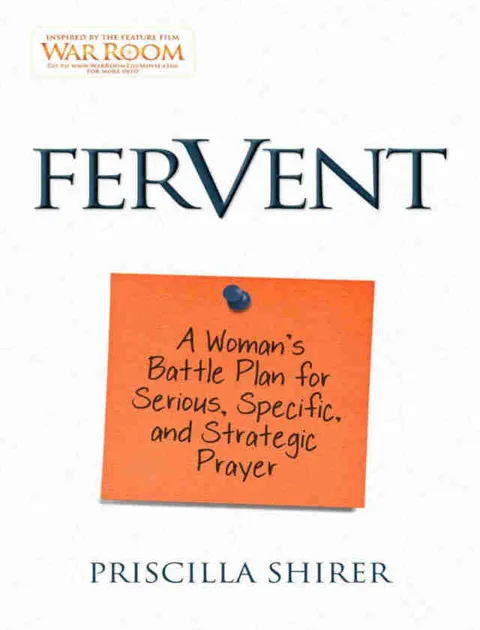

Fervent - A Woman's Battle Plan Order Printed Copy
- Author: Priscilla Shirer
- Size: 2.27MB | 255 pages
- |





About the Book
"Fervent" by Priscilla Shirer is a guidebook for women to develop a strategic battle plan for prayer. Shirer offers practical tips and insights on how to fight back against spiritual attacks, focusing on areas such as our identity, family, emotions, and relationships. She emphasizes the importance of having a fervent prayer life to experience victory and growth in our spiritual journeys.
John G. Lake
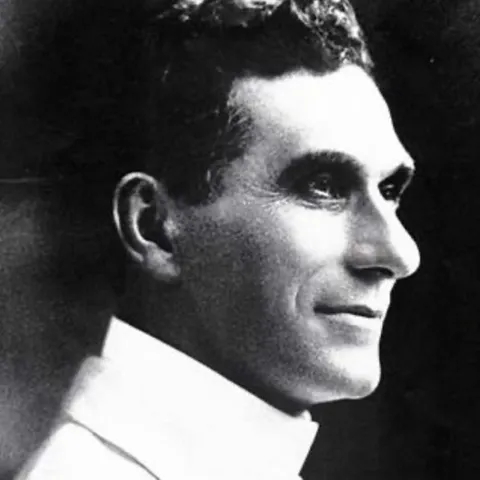 John G. Lake was born in Ontario, Canada on March 18th, 1870. He was a family man, person of integrity, honor, a savvy businessman and a good father. If you knew him you wouldn’t otherwise know that he would soon become one of the greatest men of God the world would ever know. He had a genuine love for the Lord Jesus and was known by his friends as a man who dedicated himself to intimacy with The Lord. It was out of this place that he loved his wife, was a man of integrity and built a very successful business career. To give you perspective, by 1905 John G Lake was making $50,000 per year this sum would be like upwards of 1.3 million dollars per year annually today. John grew up in a family environment which was plagued with sickness and death, it is said that his earliest memories were of sickness, death and funerals. Lake was from a large family, he had 16 siblings, 8 of which tragically died of various diseases. It is no coincidence that “the man of healing” was tormented from a young age with death and disease. The enemy will often oppose destinies with radical circumstances through a distortion of the very thing that we are called to walk in. Lake Was exposed to dramatic healing when he visited John Alexander Dowie’s ministry and was, in prayer, instantly healed of a rheumatism which had caused his legs to grow incorrectly. Just two short years into their marriage, Jennie Lake was diagnosed with tuberculosis and heart disease. Over the next couple of years, the condition worsened and the doctors resigned to the fact that it was only a matter of time before she would die. John allowed this situation to provoke him into faith, after being exposed to such death and disease from a young age he had a hatred for such things. When he would read the word of God he saw that his Christian experience was less than the promised “power of the Holy Spirit”. As Jennie was on her deathbed and perhaps taking her final breaths Lake was overcome with anger over sickness and threw his bible against the fireplace mantle! When he went to pick up his bible it was opened to Acts chapter 10:38 which says: "God anointed Jesus of Nazareth with the Holy Ghost and with power: who went about doing good, and healing all that were oppressed of the devil; for God was with him.” Lake had a surge of faith in that moment and sent a telegram to Dowie asking him to pray. Within an hour of Dowie praying she was fully healed! Not long after Jennie was healed, God began to speak to Lake about going into full time ministry. After some time of contemplation and seeking the Lord, God confirmed to John and Jennie separately that they were to move to South Africa to begin their life of ministry. John and Jennie then gave away all that they had, John forsook his mega-salary and they went on their way alongside some of their friends as ministry partners.
When they arrived in South Africa, they had no money. The problem was, that they needed at least $125 in order to clear customs. they nervously waited for their turn in line, rehearsing what they would say to the immigration officer They were in desperate need of a miracle, as the law read that they would be subject to deportation as quickly as they arrived in South Africa. Just as they were about the get to the front of the line, John felt a tap on his shoulder… A man was standing behind John and said “excuse me sir, can I have a word with you?” John nervously steps out of line at the man’s request and the man said “when I saw you and your family in line, the Lord told me to give you $200 cash”. The Lord provided just enough money for John and his family to enter the country. But their needs didn’t stop there. The Lakes and their crew had no ministry contact in Johannesburg. Soon after they cleared customs, a woman approached John’s friends and asked how many people are in their family, when they told her, she responded “no, not you” and went over to John and asked the same question. John replied “9” and she said “you’re the ones!” She went on to tell John that the Lord had spoken to her last night that she was to give her home to a family of 9 people who are coming from America to do God’s work. John, Jennie and their crew rejoiced in the dramatic provision of the Lord. Their time in South Africa was marked with waves of revival, there were multitudes saved, healed and delivered over the course of their 5 year ministry tour in South Africa.
By far my favorite story from this season of Revival takes place shortly after the Lake family and their team arrived in South Africa. A mighty plague was sweeping through the nation, the death count was climbing dramatically. So much so that there was a surplus of corpses who were victims of the plague and there was no one to bury the dead; if someone was to come in contact with a dead body they would most certainly become infected and their death sentence would immediately begin. John G. Lake astounded the medical officials because he, without any gloves or protective clothing began burying the dead. Physicians in a panic approached John and rebuked him for coming in contact with the dead, John boldly responded "when the disease comes in contact with my skin, you can watch it die". The doctors thought he was insane, so he challenged them to put a drop of the plague on his skin and watch it under a microscope. When they did so, John was right! The plague cells literally burned up the second they came in contact with his skin!
It is tough to understand what would happen towards the end of the Lake’s missionary journey in Africa. One day while John was away on a ministry trip, his wife Jennie suddenly passed away. The cause of her death was malnutrition and exhaustion. It wasn’t uncommon for the sick and broken to line the lawn of John G Lake’s home and Jennie, as an act of sacrifice, gave away all their food and any resources she could to the broken which frequented their house.
Although John and Jennie’s faith and sacrifice is commendable we must learn from this fatal mistake. John’s priorities clearly became altered as the demand for ministry raged on. He failed to guard and keep the very precious gift that God had given him, he allowed the demands of ministry to distract him from the needs of his family unto the tragic and preventable death of his wife. In the wake of Jennie’s death their children became bitter with John and subsequently God. Some of his children left the faith and the most recent accounts of them suggest that they died not following Christ. To this day some of John’s great grandchildren do not follow the Lord. John’s failure to obey the basic command of scripture for “husbands to love their wives as Christ loves the church” and his preoccupation with the demands of ministry opened up the door for the enemy to ravage his family. After Jennie’s death John moved back to the United States and remarried. He would then pioneer his famous healing ministry based out of Spokane Washington. Unfortunately John did not learn his lesson the first time, in the midst of more flames of revival he continued to be a poor father, emotionally disconnected from his children.
John G. Lake was born in Ontario, Canada on March 18th, 1870. He was a family man, person of integrity, honor, a savvy businessman and a good father. If you knew him you wouldn’t otherwise know that he would soon become one of the greatest men of God the world would ever know. He had a genuine love for the Lord Jesus and was known by his friends as a man who dedicated himself to intimacy with The Lord. It was out of this place that he loved his wife, was a man of integrity and built a very successful business career. To give you perspective, by 1905 John G Lake was making $50,000 per year this sum would be like upwards of 1.3 million dollars per year annually today. John grew up in a family environment which was plagued with sickness and death, it is said that his earliest memories were of sickness, death and funerals. Lake was from a large family, he had 16 siblings, 8 of which tragically died of various diseases. It is no coincidence that “the man of healing” was tormented from a young age with death and disease. The enemy will often oppose destinies with radical circumstances through a distortion of the very thing that we are called to walk in. Lake Was exposed to dramatic healing when he visited John Alexander Dowie’s ministry and was, in prayer, instantly healed of a rheumatism which had caused his legs to grow incorrectly. Just two short years into their marriage, Jennie Lake was diagnosed with tuberculosis and heart disease. Over the next couple of years, the condition worsened and the doctors resigned to the fact that it was only a matter of time before she would die. John allowed this situation to provoke him into faith, after being exposed to such death and disease from a young age he had a hatred for such things. When he would read the word of God he saw that his Christian experience was less than the promised “power of the Holy Spirit”. As Jennie was on her deathbed and perhaps taking her final breaths Lake was overcome with anger over sickness and threw his bible against the fireplace mantle! When he went to pick up his bible it was opened to Acts chapter 10:38 which says: "God anointed Jesus of Nazareth with the Holy Ghost and with power: who went about doing good, and healing all that were oppressed of the devil; for God was with him.” Lake had a surge of faith in that moment and sent a telegram to Dowie asking him to pray. Within an hour of Dowie praying she was fully healed! Not long after Jennie was healed, God began to speak to Lake about going into full time ministry. After some time of contemplation and seeking the Lord, God confirmed to John and Jennie separately that they were to move to South Africa to begin their life of ministry. John and Jennie then gave away all that they had, John forsook his mega-salary and they went on their way alongside some of their friends as ministry partners.
When they arrived in South Africa, they had no money. The problem was, that they needed at least $125 in order to clear customs. they nervously waited for their turn in line, rehearsing what they would say to the immigration officer They were in desperate need of a miracle, as the law read that they would be subject to deportation as quickly as they arrived in South Africa. Just as they were about the get to the front of the line, John felt a tap on his shoulder… A man was standing behind John and said “excuse me sir, can I have a word with you?” John nervously steps out of line at the man’s request and the man said “when I saw you and your family in line, the Lord told me to give you $200 cash”. The Lord provided just enough money for John and his family to enter the country. But their needs didn’t stop there. The Lakes and their crew had no ministry contact in Johannesburg. Soon after they cleared customs, a woman approached John’s friends and asked how many people are in their family, when they told her, she responded “no, not you” and went over to John and asked the same question. John replied “9” and she said “you’re the ones!” She went on to tell John that the Lord had spoken to her last night that she was to give her home to a family of 9 people who are coming from America to do God’s work. John, Jennie and their crew rejoiced in the dramatic provision of the Lord. Their time in South Africa was marked with waves of revival, there were multitudes saved, healed and delivered over the course of their 5 year ministry tour in South Africa.
By far my favorite story from this season of Revival takes place shortly after the Lake family and their team arrived in South Africa. A mighty plague was sweeping through the nation, the death count was climbing dramatically. So much so that there was a surplus of corpses who were victims of the plague and there was no one to bury the dead; if someone was to come in contact with a dead body they would most certainly become infected and their death sentence would immediately begin. John G. Lake astounded the medical officials because he, without any gloves or protective clothing began burying the dead. Physicians in a panic approached John and rebuked him for coming in contact with the dead, John boldly responded "when the disease comes in contact with my skin, you can watch it die". The doctors thought he was insane, so he challenged them to put a drop of the plague on his skin and watch it under a microscope. When they did so, John was right! The plague cells literally burned up the second they came in contact with his skin!
It is tough to understand what would happen towards the end of the Lake’s missionary journey in Africa. One day while John was away on a ministry trip, his wife Jennie suddenly passed away. The cause of her death was malnutrition and exhaustion. It wasn’t uncommon for the sick and broken to line the lawn of John G Lake’s home and Jennie, as an act of sacrifice, gave away all their food and any resources she could to the broken which frequented their house.
Although John and Jennie’s faith and sacrifice is commendable we must learn from this fatal mistake. John’s priorities clearly became altered as the demand for ministry raged on. He failed to guard and keep the very precious gift that God had given him, he allowed the demands of ministry to distract him from the needs of his family unto the tragic and preventable death of his wife. In the wake of Jennie’s death their children became bitter with John and subsequently God. Some of his children left the faith and the most recent accounts of them suggest that they died not following Christ. To this day some of John’s great grandchildren do not follow the Lord. John’s failure to obey the basic command of scripture for “husbands to love their wives as Christ loves the church” and his preoccupation with the demands of ministry opened up the door for the enemy to ravage his family. After Jennie’s death John moved back to the United States and remarried. He would then pioneer his famous healing ministry based out of Spokane Washington. Unfortunately John did not learn his lesson the first time, in the midst of more flames of revival he continued to be a poor father, emotionally disconnected from his children.
date differently this year - four resolutions for better relationships
It takes extraordinary courage to change how you date. It’s not easy to reset boundaries, communicate better, flee sexual immorality, confess failures, and end the relationship that needs to end. But you will never regret making the right changes. There were moments through high school and college when I knew with crystal clarity that things needed to change, but the costs kept me from changing sooner. What will others think about me when I confess how I’ve failed? What if I fail again, and things never get better? What if the change I need means I’m single and alone again? Like a merciless lawyer, Satan piled up every conceivable reason not to do what I knew I had to do — to make excuses, to put off decisions, to be almost honest with friends and family, to stay in unhealthy relationships, to avoid Christ and indulge in sin. I have prayed that the four resolutions that follow might give some the courage to do what you’ve been afraid to do for weeks, for months, maybe even for years. To lay down your excuses. To take up your cross. To welcome what it will cost you today to pursue love in light of eternity. To date differently this year, in a way that says something stunning about your God. 1. Above all else, I will look for Jesus. “Welcome what it will cost you today to pursue love in light of eternity.” If you resolve to change nothing else about your patterns in relationships, resolve to make Jesus the most important thing in your dating. Raise Philippians 1:21 over your next relationship: “To me to live is Christ, and to die is gain.” If to live is Christ, then to date is Christ. To marry is Christ. To remain single is Christ. He is our reason for living and working, growing and learning, dating and marrying. Above every other priority in dating, look for Jesus. It may sound simple and easy, but Satan wages an all-out war on our hearts and minds to keep us from single-minded devotion. Nothing could be harder. It is emotionally impossible to put Christ before our desires for intimacy and marriage — unless we have the Spirit of Christ. Unless it is no longer we who live and date, but Christ who lives in and through us (Galatians 2:20). Before you entrust your heart to someone else, resolve to love Jesus with all your heart. Before you let yourself daydream about potential futures with him or her, resolve to love Jesus with all your mind. Before you think about knitting your soul with another, resolve to love Jesus with all of your soul first. Before you risk, sacrifice, and work for love, resolve to love Jesus with all your strength. Resolve to love him more than love. And as you give your heart first and foremost to Christ, make sure your boyfriend (or girlfriend) has too — in the deepest places of who he is and what he wants. His faith is not a box to check along with lots of others; it should be the ink that shapes every other box. Whether you are currently in a relationship or might begin one this year, decide right now to date from a deeper, wider, higher love for the Lord. 2. I will grow where I have failed before. One reason we fail in the same ways year after year is that we fail to admit and address our failures. If you have a sexual past or a trail of mistakes behind you, you need to know there is nowhere safer to deal with your failures than in Christ. Someone may have led you to suspect that how you’ve dated has disqualified you from his love, but Christ came and died precisely for the things you’re most ashamed of. The apostle Paul says, The saying is trustworthy and deserving of full acceptance, that Christ Jesus came into the world to save sinners, of whom I am the foremost. But I received mercy for this reason, that in me, as the foremost, Jesus Christ might display his perfect patience as an example to those who were to believe in him for eternal life. (1 Timothy 1:15–16) “If you resolve to change nothing else, resolve to make Jesus the most important thing in your dating.” Guilt and shame qualify us for his love. He wants to put his patience and mercy on display for the world by showering you with mercy and being patient with you . He wants you to step forward, like Paul, to experience what he died to give you. The process begins by boldly bringing our failures before his feet (1 John 1:9), knowing he loves to forgive our wrongs, heal our wounds, and restore our brokenness. If we draw our darkness into his light, he will not only cover our darkness, but dispel it. He will make us someone new, someone different from the stains of our dating history (2 Corinthians 5:17). The process begins at the feet of Jesus, but it does not end there. Those who truly want to change where we have fallen before resolve to seek flesh-and-blood accountability in the specific areas where we have failed (Hebrews 3:12–13). A resolve to grow is a resolve to share with others — to consistently confess our failures, seek out counsel, embrace hard questions, and fold others into our dating relationships. Everyone expects this to happen naturally, and in a few rare instances, it might. In the vast majority of cases, though, this will require extraordinary effort and sacrifice. You will have to care about what other believers think about your relationships more than even they care about what they think. Resolve to grow where you have failed in relationships — to bring your specific failures to your perfectly patient Savior, to confess your specific failures to another believer, and to pursue specific steps, with God’s help, to overcome temptation and cultivate godliness. 3. I will pursue clarity, and postpone intimacy. Likely you have asked yourself (over and over again) what you’re looking for in a significant other. Most people, no matter who they are or what they believe, ask that question. The more important question that fewer of us ask is this: What am I looking for from dating? “Christ came and died precisely for the things you’re most ashamed of. Guilt and shame qualify you for his love.” For many, the answer is simply intimacy. In the fantasies of our imagination, intimacy may look like a thousand different experiences and sensations, but intimacy is often the grail of great price. Unfortunately, when intimacy becomes the great prize, it also becomes the great price we pay. When intimacy fails to materialize, or fails to satisfy us, or fails to last for long, we have only bartered precious pieces of our hearts for painful regret and deeper longings. Beware of letting your dating be driven by the pursuit of intimacy this year. Date to find precious clarity from God about whether to marry. The great prize in marriage is Christ-centered intimacy. The great prize in dating is Christ-centered clarity. This does not mean marry the next person you date, or only date someone you’re certain you would marry; it means make Christ-centered clarity toward marriage the measure of your romance. Am I increasingly confident over time that this is someone I can marry in the Lord? A new resolve to pursue clarity in dating cuts against our impulses toward flirtation, ambiguity, and enticement, and flows into clear and loving communication. Any relationship that cuts against flirtation, ambiguity, and enticement, that intentionally postpones physical intimacy for the covenant of marriage, swims against the current, at least in America today. It will seem strange and awkward to others your age — and beautiful to God. Date for something far more satisfying than physical and emotional intimacy. Date for a deeper purpose. Not because everyone else is doing it. Not because it’s fun. Not because he’s cute. Date because of God. Date for God. Let your love life stem from seeing and enjoying and sharing more of him. 4. I will ask God for help. The most important change in your love life may not be between you and your significant other, but between you and God. Before we try to establish healthy boundaries in our relationship, we need direction from God. Before we go looking for love, we need to seek the Lord. Before we address our communication in dating, we need to address our communication with our Father. Better relationships will begin with God in prayer. “Date for a deeper purpose. Not because everyone else is doing it. Not because it’s fun. Date because of God.” Unless the Lord builds (or rebuilds) our relationships, we date in vain (Psalm 127:1). Unless the Lord watches over you and your girlfriend (or boyfriend), you risk, worry, and date in vain. He knows exactly what you need (Matthew 6:32), where you are weak, and how you will glorify him. Refuse to date anyone unless, like Moses, God goes up with you (Exodus 33:15). And then talk to him about your relationships as much as you talk with anyone else. When passion rises within you, or anxiety creeps in, or confusion clouds your mind and heart, run first to God. No one will help you, keep you, or hear you like him. The best way to discern what God is doing, and how he is directing you, in a relationship this year is to stay close to him. The greater the intimacy you have with him, the greater clarity you will have about who to pursue, what to change, and when to marry.