
Others like breakthrough fast Features >>
-160.webp)
Rebuilding The Tabernacle Of David: Back To The Future
Understanding The Power Of Praise
Secrets Of The Psalms

Prayer Altars - A Strategy That Is Changing Nations

Secret Sources Of Power
How To Pray With Passion And Power
Wrestling Prayer
30 Days To Becoming A Woman Of Prayer
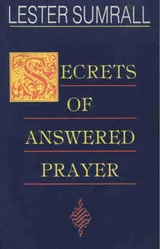
Secrets Of Answered Prayer
-160.webp)
When God Says Yes (His Promise And Provision When You Need It Most)
About the Book
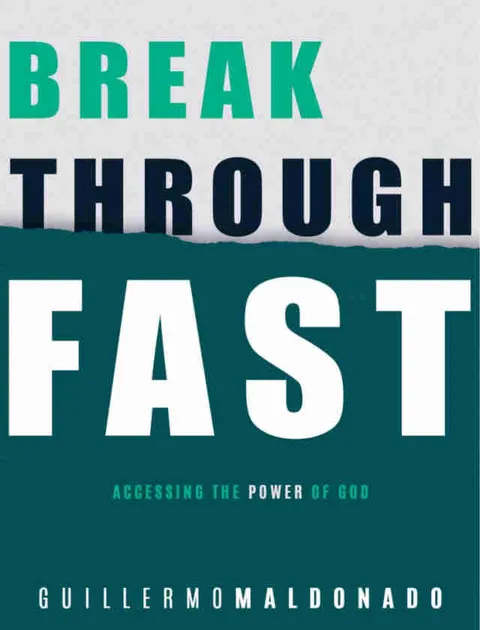
"Breakthrough Fast" by Guillermo Maldonado is a guide to fasting as a spiritual discipline to help readers break through barriers, overcome obstacles, and achieve personal transformation. Maldonado shares practical tips, biblical principles, and personal testimonies to inspire and guide readers in incorporating fasting into their spiritual practices.
Smith Wigglesworth
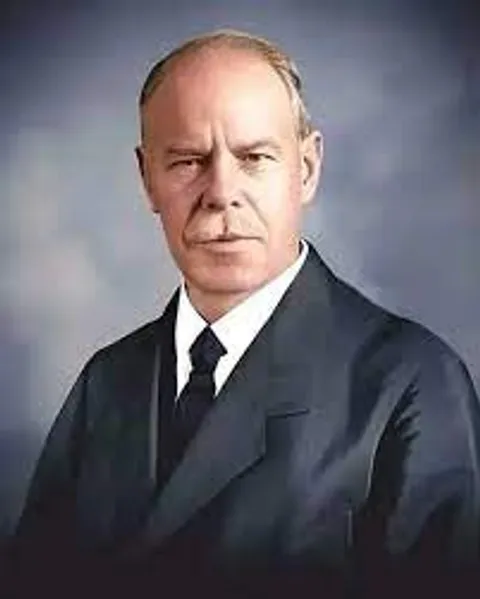 Smith Wigglesworth was born in 1859 to a very poor family. His father did manual labor, for very little pay. Smith himself went to work at the age of six to help with the family income. At six he was pulling turnips and at seven he was working in a woolen mill twelve hours a day. His parents did not know God, but Smith hungered in his heart to know Him. Even as a youngster he would pray in the fields. His grandmother was the critical Christian in his life. She was a Wesleyan Methodist and would take Smith to meetings with her. At one of these meetings there was a song being sung about Jesus as the lamb and Smith came into the realization of God's love for him and his decision to believe Christ for his salvation was decided that day. He was immediately filled with the desire to evangelize and led his own mother to Christ.
Smith has various church experiences as he was growing up. He first went to an Episcopal church and then at thirteen a Wesleyan Methodist church. When he was sixteen he became involved in the Salvation Army. He felt deeply called to fast and pray for lost souls. He saw many people come to Christ. At seventeen a mentor shared with him about water baptism and he decided to be baptized. The Salvation Army was experiencing a tremendous level of the power of God in those days. He describes meetings where "many would be prostrated under the power of the Spirit, sometimes for as long as twenty-four hours at a time." They would pray and fast and cry out for the salvation of fifty or a hundred people for the week and they would see what they had prayed for.
At eighteen Smith left the factory and became a plumber. He moved to Liverpool when he was twenty and continued to work during the day and minister during his free time. He felt called to minister to young people and brought them to meetings. These were destitute and ragged children, whom he would often feed and care for. Hundreds were saved. Smith was often asked to speak in Salvation meetings and he would break down and weep under the power of God. Many would come to repentance in those meetings through this untrained man. At twenty-three he returned back Bradford and continued his work with the Salvation Army.
In Bradford Smith met Mary Jane Featherstone, known as Polly, the daughter of a temperance lecturer. She left home and went to Bradford to take a servants job. One night she was drawn to a Salvation Army meeting. She listened to the woman evangelist, Gipsy Tillie Smith, and gave her heart to Christ. Smith was in that meeting and saw her heart for God. Polly became an enthusiastic Salvationsist and was granted a commission by General Booth. They developed a friendship, but Polly went to Scotland to help with a new Salvationist work. She eventually moved back to Bradford and married Smith, who was very much in love with her.
The couple worked together to evangelize the lost. They opened a small church in a poor part of town. Polly would preach and Smith would make the altar calls. For a season, however, Smith became so busy with his plumbing work that his evangelistic fervor began to wane. Polly continued on, bringing Smith to conviction. One day while Smith was working in the town of Leeds he heard of a divine healing meeting. He shared with Polly about it. She needed healing and so they went to a meeting, and Polly was healed.
Smith struggled with the reality of healing, while being ill himself. He decided to give up the medicine that he was taking and trust God. He was healed. They had five children, a girl and four boys. One morning two of the boys were sick. The power of God came and they prayed for the boys and they were instantly healed. Smith struggled with the idea that God would use him to heal the sick in general. He would gather up a group of people and drive them to get prayer in Leeds. The leaders of the meeting were going to a convention and left Smith in charge. He was horrified. How could he lead a meeting about divine healing? He tried to pass it off to someone else but could not. Finally he led the meeting and several people were healed. That was it. From then on Smith began to pray for people for healing.
Smith had another leap to make. He had heard about the Pentecostals who were being baptized in the Holy Spirit. He went to meetings and was so hungry for God he created a disturbance and church members asked him to stop. He went to prayer and prayed for four days. Finally he was getting ready to head home and the vicar's wife prayed for him and he fell under the power of God and spoke in tongues. Everything changed after that. He would walk by people and they would come under the conviction of the Holy Spirit and be saved. He began to see miracles and healings and the glory of God would fall when he prayed and preached.
Smith had to respond to the many calls that came in and gave up his business for the ministry. Polly unexpectedly died in 1913, and this was a real blow to Smith. He prayed for her and commanded that death release her. She did arise but said "Smith - the Lord wants me." His heartbroken response was "If the Lord wants you, I will not hold you". She had been his light and joy for all the years of their marriage, and he grieved deeply over the loss. After his wife was buried he went to her grave, feeling like he wanted to die. When God told him to get up and go Smith told him only if you "give to me a double portion of the Spirit – my wife’s and my own – I would go and preach the Gospel. God was gracious to me and answered my request.” His daughter Alice and son-in-law James Salter began to travel with him to handle his affairs.
Smith would pray and the blind would see, and the deaf were healed, people came out of wheelchairs, and cancers were destroyed. One remarkable story is when He prayed for a woman in a hospital. While he and a friend were praying she died. He took her out of the bed stood her against the wall and said "in the name of Jesus I rebuke this death". Her whole body began to tremble. The he said "in the name of Jesus walk", and she walked. Everywhere he would go he would teach and then show the power of God. He began to receive requests from all over the world. He taught in Europe, Asia, New Zealand and many other areas. When the crowds became very large he began a "wholesale healing". He would have everyone who needed healing lay hands on themselves and then he would pray. Hundreds would be healed at one time.
Over Smith's ministry it was confirmed that 14 people were raised from the dead. Thousands were saved and healed and he impacted whole continents for Christ. Smith died on March 12, 1947 at the funeral of his dear friend Wilf Richardson. His ministry was based on four principles " First, read the Word of God. Second, consume the Word of God until it consumes you. Third believe the Word of God. Fourth, act on the Word."
Smith Wigglesworth was born in 1859 to a very poor family. His father did manual labor, for very little pay. Smith himself went to work at the age of six to help with the family income. At six he was pulling turnips and at seven he was working in a woolen mill twelve hours a day. His parents did not know God, but Smith hungered in his heart to know Him. Even as a youngster he would pray in the fields. His grandmother was the critical Christian in his life. She was a Wesleyan Methodist and would take Smith to meetings with her. At one of these meetings there was a song being sung about Jesus as the lamb and Smith came into the realization of God's love for him and his decision to believe Christ for his salvation was decided that day. He was immediately filled with the desire to evangelize and led his own mother to Christ.
Smith has various church experiences as he was growing up. He first went to an Episcopal church and then at thirteen a Wesleyan Methodist church. When he was sixteen he became involved in the Salvation Army. He felt deeply called to fast and pray for lost souls. He saw many people come to Christ. At seventeen a mentor shared with him about water baptism and he decided to be baptized. The Salvation Army was experiencing a tremendous level of the power of God in those days. He describes meetings where "many would be prostrated under the power of the Spirit, sometimes for as long as twenty-four hours at a time." They would pray and fast and cry out for the salvation of fifty or a hundred people for the week and they would see what they had prayed for.
At eighteen Smith left the factory and became a plumber. He moved to Liverpool when he was twenty and continued to work during the day and minister during his free time. He felt called to minister to young people and brought them to meetings. These were destitute and ragged children, whom he would often feed and care for. Hundreds were saved. Smith was often asked to speak in Salvation meetings and he would break down and weep under the power of God. Many would come to repentance in those meetings through this untrained man. At twenty-three he returned back Bradford and continued his work with the Salvation Army.
In Bradford Smith met Mary Jane Featherstone, known as Polly, the daughter of a temperance lecturer. She left home and went to Bradford to take a servants job. One night she was drawn to a Salvation Army meeting. She listened to the woman evangelist, Gipsy Tillie Smith, and gave her heart to Christ. Smith was in that meeting and saw her heart for God. Polly became an enthusiastic Salvationsist and was granted a commission by General Booth. They developed a friendship, but Polly went to Scotland to help with a new Salvationist work. She eventually moved back to Bradford and married Smith, who was very much in love with her.
The couple worked together to evangelize the lost. They opened a small church in a poor part of town. Polly would preach and Smith would make the altar calls. For a season, however, Smith became so busy with his plumbing work that his evangelistic fervor began to wane. Polly continued on, bringing Smith to conviction. One day while Smith was working in the town of Leeds he heard of a divine healing meeting. He shared with Polly about it. She needed healing and so they went to a meeting, and Polly was healed.
Smith struggled with the reality of healing, while being ill himself. He decided to give up the medicine that he was taking and trust God. He was healed. They had five children, a girl and four boys. One morning two of the boys were sick. The power of God came and they prayed for the boys and they were instantly healed. Smith struggled with the idea that God would use him to heal the sick in general. He would gather up a group of people and drive them to get prayer in Leeds. The leaders of the meeting were going to a convention and left Smith in charge. He was horrified. How could he lead a meeting about divine healing? He tried to pass it off to someone else but could not. Finally he led the meeting and several people were healed. That was it. From then on Smith began to pray for people for healing.
Smith had another leap to make. He had heard about the Pentecostals who were being baptized in the Holy Spirit. He went to meetings and was so hungry for God he created a disturbance and church members asked him to stop. He went to prayer and prayed for four days. Finally he was getting ready to head home and the vicar's wife prayed for him and he fell under the power of God and spoke in tongues. Everything changed after that. He would walk by people and they would come under the conviction of the Holy Spirit and be saved. He began to see miracles and healings and the glory of God would fall when he prayed and preached.
Smith had to respond to the many calls that came in and gave up his business for the ministry. Polly unexpectedly died in 1913, and this was a real blow to Smith. He prayed for her and commanded that death release her. She did arise but said "Smith - the Lord wants me." His heartbroken response was "If the Lord wants you, I will not hold you". She had been his light and joy for all the years of their marriage, and he grieved deeply over the loss. After his wife was buried he went to her grave, feeling like he wanted to die. When God told him to get up and go Smith told him only if you "give to me a double portion of the Spirit – my wife’s and my own – I would go and preach the Gospel. God was gracious to me and answered my request.” His daughter Alice and son-in-law James Salter began to travel with him to handle his affairs.
Smith would pray and the blind would see, and the deaf were healed, people came out of wheelchairs, and cancers were destroyed. One remarkable story is when He prayed for a woman in a hospital. While he and a friend were praying she died. He took her out of the bed stood her against the wall and said "in the name of Jesus I rebuke this death". Her whole body began to tremble. The he said "in the name of Jesus walk", and she walked. Everywhere he would go he would teach and then show the power of God. He began to receive requests from all over the world. He taught in Europe, Asia, New Zealand and many other areas. When the crowds became very large he began a "wholesale healing". He would have everyone who needed healing lay hands on themselves and then he would pray. Hundreds would be healed at one time.
Over Smith's ministry it was confirmed that 14 people were raised from the dead. Thousands were saved and healed and he impacted whole continents for Christ. Smith died on March 12, 1947 at the funeral of his dear friend Wilf Richardson. His ministry was based on four principles " First, read the Word of God. Second, consume the Word of God until it consumes you. Third believe the Word of God. Fourth, act on the Word."
you can’t fake what you love
The soul is measured by its flights, Some low and others high, The heart is known by its delights, And pleasures never lie. I was 25 years old when John Piper’s book The Pleasures of God was first released in 1991. My wife and I had been attending Bethlehem Baptist for two years and had read John’s book Desiring God , which unpacked what he called Christian Hedonism. His fresh emphasis on the truth that God is most glorified in us when we are most satisfied in him was working its way into our spiritual bones. But as I read the introduction to The Pleasures of God , the one-sentence poem above crystalized the truth of Christian Hedonism for me, opening my mind to the role delight plays in the Christian life. One Sentence Begets Another John wrote that life-changing sentence as a kind of exposition of another life-changing sentence he had read four years earlier. In fact, the whole sermon series that birthed the book was born of his meditation on that sentence written in the seventeenth century by a young Professor of Divinity in Scotland named Henry Scougal. Scougal had actually penned the sentence in a personal letter of spiritual counsel to a friend, but it was so profound that others copied and passed it around. Eventually Scougal gave permission for it to be published in 1677 as The Life of God in the Soul of Man . A year later, Scougal died of tuberculosis before he had reached his twenty-eighth birthday. John Piper describes what gripped him so powerfully: One sentence riveted my attention. It took hold of my thought life in early 1987 and became the center of my meditation for about three months. What Scougal said in this sentence was the key that opened for me the treasure house of the pleasures of God. He said, “ The worth and excellency of a soul is to be measured by the object of its love .” (18) John realized that this statement is as true of God as it was of man. The worth and excellency of God’s soul is measured by the object of its love. This object must, then, be God himself, since nothing of greater value exists than God. John previously devoted a whole chapter in Desiring God to God’s happiness in himself — the God-centeredness of God. Scougal’s sentence, however, opened glorious new dimensions of this truth for John as he contemplated how the excellency of God’s soul is measured. And John’s sentence opened glorious new dimensions for me as I began to contemplate that a heart, whether human or divine, is known by its delights. Pleasures Never Lie It was the last line of John’s poem that hit me hardest: The heart is known by its delights, And pleasures never lie. Pleasures never lie. This phrase cut through a lot of my confusion and self-deceit to the very heart of the matter: what really matters to my heart. “Our lips can lie about what we love, but our pleasures never lie.” “Pleasures never lie” doesn’t mean things we find pleasurable are never deceitful. We all know, from personal experience as well as the testimony of Scripture, that many worldly pleasures lie to us (Hebrews 11:25). Rather, it means that pleasure is the whistle-blower of the heart. Pleasure is our heart’s way of telling us what we treasure (Matthew 6:21). When we take pleasure in something evil, we don’t have a pleasure problem ; we have a treasure problem . Our heart’s pleasure gauge is working just like it’s supposed to. What’s wrong is what our heart loves. Our lips can lie about what we love, but our pleasures never lie . And we can’t keep our pleasure-giving treasures hidden, whether good or evil, at least not for long. What we truly love always ends up working its way out of the unseen heart into the plain view of what we say and don’t say, and what we do and don’t do. My heart, like God’s heart, is known by its delights. I found this wonderfully clarifying. It resonated deeply; all my experience bore out its truth. And I saw it woven throughout the Bible. The more I contemplated it, however, the more devastating this truth became. Devastated by Delight It’s devastating because if the worth and excellency of my soul is measured by the heights of its flights of delights in God, I find myself “naked and exposed” before God, without embellishment or disguise (Hebrews 4:13). No professed theology, however robust and historically orthodox, no amount of giftedness I possess, no “reputation of being alive” (Revelation 3:1) can compensate if I have a deficit of delight in God. And to make sure I understand what is and isn’t allowed on the affectional scale, John says, You don’t judge the glory of a soul by what it wills to do with lukewarm interest, or with mere teeth-gritting determination. To know a soul’s proportions you need to know its passions. The true dimensions of a soul are seen in its delights. Not what we dutifully will but what we passionately want reveals our excellence or evil. (18) As I place my passions on God’s soul-scale, my deficits become clear. I’m a mixed bag when it comes to my passion for God. I can savor God like Psalm 63 and yet still sin against him like Psalm 51. I have treasured God like Psalm 73:25–26, and questioned him like Psalm 73:2–3. Sometimes I sweetly sing Psalm 23:1–3, and sometimes I bitterly cry Psalm 10:1. At times I keenly feel the wretchedness of Romans 7:24, and at times the wonder of Romans 8:1. I have known the light of Psalm 119:105 and the darkness of Psalm 88:1–3. I’ve known the fervency of Romans 12:11 and the lukewarmness of Revelation 3:15. Many times I need Jesus’s exhortation in Matthew 26:41. “We must know our spiritual poverty before we will earnestly seek true spiritual wealth.” It is devastating to stand before God with only what we passionately want revealing the state of our hearts, measuring the worth of our souls. But it is a merciful devastation we desperately need. For we must know our spiritual poverty before we will earnestly seek true spiritual wealth. We must see our miserable idolatries before we will repent and forsake them. We must feel our spiritual deadness before we will cry out, “Will you not revive us again, that your people may rejoice in you?” (Psalm 85:6) That’s all true. However, the longer I contemplated John’s sentence over time, the more I realized the devastating exposure of my spiritual poverty is meant to be a door into an eternal world of delight-filled love. Pleasures Forevermore I made this discovery in the story of the rich young man (Mark 10:17–22). When Jesus helped this man see his heart’s true passions (when he exposed his spiritual poverty), the exposure wasn’t Jesus’s primary purpose. Jesus wanted the man to have “treasure in heaven,” to give this man eternal joy (Mark 10:21). And Jesus knew the man would never joyfully sell everything he had to obtain the treasure that is God unless he saw God as his supreme treasure (Matthew 13:44). So he tried to show him by calling the man to the devastating door of exposure and knocking on it. And he grieved when the man wouldn’t open it, because the door led to a far greater treasure than the one he would leave behind. God created pleasure because he is a happy God and wants his joy to be in us and our joy to be full (John 15:11). When he designed pleasure as the measure of our treasure, his ultimate purpose was that we would experience maximal joy in the Treasure. And that the Treasure would receive maximal glory from the joy we experience in him. It is a marvelous, merciful, absolutely genius design: God is most glorified in us when we are most satisfied in him . If God has to expose our poverty to pursue our eternal joy, he will. But what he really wants for us is to experience “fullness of joy” in his presence and “pleasures forevermore” at his right hand (Psalm 16:11). And so it is a great mercy, even if at times devastating, that our pleasures never lie.