






About the Book
"Empty Out the Negative" by Joel Osteen is a practical guide on how to let go of negative thoughts and emotions in order to live a more positive and fulfilling life. Osteen provides biblical wisdom and personal anecdotes to help readers overcome self-doubt, fear, and worry, and embrace a mindset of faith, optimism, and gratitude. The book offers practical strategies for shifting one's perspective and building a more positive and empowering outlook on life.
John G. Lake
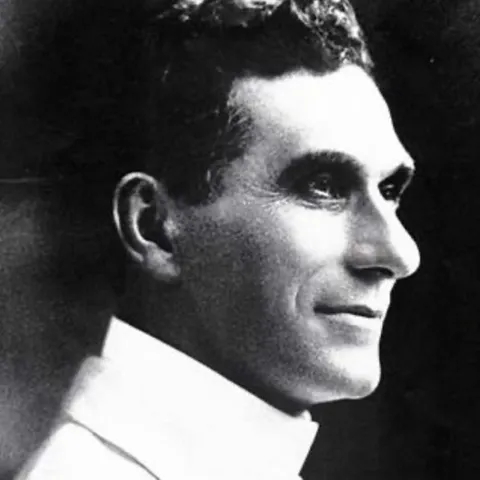 John G. Lake was born in Ontario, Canada on March 18th, 1870. He was a family man, person of integrity, honor, a savvy businessman and a good father. If you knew him you wouldn’t otherwise know that he would soon become one of the greatest men of God the world would ever know. He had a genuine love for the Lord Jesus and was known by his friends as a man who dedicated himself to intimacy with The Lord. It was out of this place that he loved his wife, was a man of integrity and built a very successful business career. To give you perspective, by 1905 John G Lake was making $50,000 per year this sum would be like upwards of 1.3 million dollars per year annually today. John grew up in a family environment which was plagued with sickness and death, it is said that his earliest memories were of sickness, death and funerals. Lake was from a large family, he had 16 siblings, 8 of which tragically died of various diseases. It is no coincidence that “the man of healing” was tormented from a young age with death and disease. The enemy will often oppose destinies with radical circumstances through a distortion of the very thing that we are called to walk in. Lake Was exposed to dramatic healing when he visited John Alexander Dowie’s ministry and was, in prayer, instantly healed of a rheumatism which had caused his legs to grow incorrectly. Just two short years into their marriage, Jennie Lake was diagnosed with tuberculosis and heart disease. Over the next couple of years, the condition worsened and the doctors resigned to the fact that it was only a matter of time before she would die. John allowed this situation to provoke him into faith, after being exposed to such death and disease from a young age he had a hatred for such things. When he would read the word of God he saw that his Christian experience was less than the promised “power of the Holy Spirit”. As Jennie was on her deathbed and perhaps taking her final breaths Lake was overcome with anger over sickness and threw his bible against the fireplace mantle! When he went to pick up his bible it was opened to Acts chapter 10:38 which says: "God anointed Jesus of Nazareth with the Holy Ghost and with power: who went about doing good, and healing all that were oppressed of the devil; for God was with him.” Lake had a surge of faith in that moment and sent a telegram to Dowie asking him to pray. Within an hour of Dowie praying she was fully healed! Not long after Jennie was healed, God began to speak to Lake about going into full time ministry. After some time of contemplation and seeking the Lord, God confirmed to John and Jennie separately that they were to move to South Africa to begin their life of ministry. John and Jennie then gave away all that they had, John forsook his mega-salary and they went on their way alongside some of their friends as ministry partners.
When they arrived in South Africa, they had no money. The problem was, that they needed at least $125 in order to clear customs. they nervously waited for their turn in line, rehearsing what they would say to the immigration officer They were in desperate need of a miracle, as the law read that they would be subject to deportation as quickly as they arrived in South Africa. Just as they were about the get to the front of the line, John felt a tap on his shoulder… A man was standing behind John and said “excuse me sir, can I have a word with you?” John nervously steps out of line at the man’s request and the man said “when I saw you and your family in line, the Lord told me to give you $200 cash”. The Lord provided just enough money for John and his family to enter the country. But their needs didn’t stop there. The Lakes and their crew had no ministry contact in Johannesburg. Soon after they cleared customs, a woman approached John’s friends and asked how many people are in their family, when they told her, she responded “no, not you” and went over to John and asked the same question. John replied “9” and she said “you’re the ones!” She went on to tell John that the Lord had spoken to her last night that she was to give her home to a family of 9 people who are coming from America to do God’s work. John, Jennie and their crew rejoiced in the dramatic provision of the Lord. Their time in South Africa was marked with waves of revival, there were multitudes saved, healed and delivered over the course of their 5 year ministry tour in South Africa.
By far my favorite story from this season of Revival takes place shortly after the Lake family and their team arrived in South Africa. A mighty plague was sweeping through the nation, the death count was climbing dramatically. So much so that there was a surplus of corpses who were victims of the plague and there was no one to bury the dead; if someone was to come in contact with a dead body they would most certainly become infected and their death sentence would immediately begin. John G. Lake astounded the medical officials because he, without any gloves or protective clothing began burying the dead. Physicians in a panic approached John and rebuked him for coming in contact with the dead, John boldly responded "when the disease comes in contact with my skin, you can watch it die". The doctors thought he was insane, so he challenged them to put a drop of the plague on his skin and watch it under a microscope. When they did so, John was right! The plague cells literally burned up the second they came in contact with his skin!
It is tough to understand what would happen towards the end of the Lake’s missionary journey in Africa. One day while John was away on a ministry trip, his wife Jennie suddenly passed away. The cause of her death was malnutrition and exhaustion. It wasn’t uncommon for the sick and broken to line the lawn of John G Lake’s home and Jennie, as an act of sacrifice, gave away all their food and any resources she could to the broken which frequented their house.
Although John and Jennie’s faith and sacrifice is commendable we must learn from this fatal mistake. John’s priorities clearly became altered as the demand for ministry raged on. He failed to guard and keep the very precious gift that God had given him, he allowed the demands of ministry to distract him from the needs of his family unto the tragic and preventable death of his wife. In the wake of Jennie’s death their children became bitter with John and subsequently God. Some of his children left the faith and the most recent accounts of them suggest that they died not following Christ. To this day some of John’s great grandchildren do not follow the Lord. John’s failure to obey the basic command of scripture for “husbands to love their wives as Christ loves the church” and his preoccupation with the demands of ministry opened up the door for the enemy to ravage his family. After Jennie’s death John moved back to the United States and remarried. He would then pioneer his famous healing ministry based out of Spokane Washington. Unfortunately John did not learn his lesson the first time, in the midst of more flames of revival he continued to be a poor father, emotionally disconnected from his children.
John G. Lake was born in Ontario, Canada on March 18th, 1870. He was a family man, person of integrity, honor, a savvy businessman and a good father. If you knew him you wouldn’t otherwise know that he would soon become one of the greatest men of God the world would ever know. He had a genuine love for the Lord Jesus and was known by his friends as a man who dedicated himself to intimacy with The Lord. It was out of this place that he loved his wife, was a man of integrity and built a very successful business career. To give you perspective, by 1905 John G Lake was making $50,000 per year this sum would be like upwards of 1.3 million dollars per year annually today. John grew up in a family environment which was plagued with sickness and death, it is said that his earliest memories were of sickness, death and funerals. Lake was from a large family, he had 16 siblings, 8 of which tragically died of various diseases. It is no coincidence that “the man of healing” was tormented from a young age with death and disease. The enemy will often oppose destinies with radical circumstances through a distortion of the very thing that we are called to walk in. Lake Was exposed to dramatic healing when he visited John Alexander Dowie’s ministry and was, in prayer, instantly healed of a rheumatism which had caused his legs to grow incorrectly. Just two short years into their marriage, Jennie Lake was diagnosed with tuberculosis and heart disease. Over the next couple of years, the condition worsened and the doctors resigned to the fact that it was only a matter of time before she would die. John allowed this situation to provoke him into faith, after being exposed to such death and disease from a young age he had a hatred for such things. When he would read the word of God he saw that his Christian experience was less than the promised “power of the Holy Spirit”. As Jennie was on her deathbed and perhaps taking her final breaths Lake was overcome with anger over sickness and threw his bible against the fireplace mantle! When he went to pick up his bible it was opened to Acts chapter 10:38 which says: "God anointed Jesus of Nazareth with the Holy Ghost and with power: who went about doing good, and healing all that were oppressed of the devil; for God was with him.” Lake had a surge of faith in that moment and sent a telegram to Dowie asking him to pray. Within an hour of Dowie praying she was fully healed! Not long after Jennie was healed, God began to speak to Lake about going into full time ministry. After some time of contemplation and seeking the Lord, God confirmed to John and Jennie separately that they were to move to South Africa to begin their life of ministry. John and Jennie then gave away all that they had, John forsook his mega-salary and they went on their way alongside some of their friends as ministry partners.
When they arrived in South Africa, they had no money. The problem was, that they needed at least $125 in order to clear customs. they nervously waited for their turn in line, rehearsing what they would say to the immigration officer They were in desperate need of a miracle, as the law read that they would be subject to deportation as quickly as they arrived in South Africa. Just as they were about the get to the front of the line, John felt a tap on his shoulder… A man was standing behind John and said “excuse me sir, can I have a word with you?” John nervously steps out of line at the man’s request and the man said “when I saw you and your family in line, the Lord told me to give you $200 cash”. The Lord provided just enough money for John and his family to enter the country. But their needs didn’t stop there. The Lakes and their crew had no ministry contact in Johannesburg. Soon after they cleared customs, a woman approached John’s friends and asked how many people are in their family, when they told her, she responded “no, not you” and went over to John and asked the same question. John replied “9” and she said “you’re the ones!” She went on to tell John that the Lord had spoken to her last night that she was to give her home to a family of 9 people who are coming from America to do God’s work. John, Jennie and their crew rejoiced in the dramatic provision of the Lord. Their time in South Africa was marked with waves of revival, there were multitudes saved, healed and delivered over the course of their 5 year ministry tour in South Africa.
By far my favorite story from this season of Revival takes place shortly after the Lake family and their team arrived in South Africa. A mighty plague was sweeping through the nation, the death count was climbing dramatically. So much so that there was a surplus of corpses who were victims of the plague and there was no one to bury the dead; if someone was to come in contact with a dead body they would most certainly become infected and their death sentence would immediately begin. John G. Lake astounded the medical officials because he, without any gloves or protective clothing began burying the dead. Physicians in a panic approached John and rebuked him for coming in contact with the dead, John boldly responded "when the disease comes in contact with my skin, you can watch it die". The doctors thought he was insane, so he challenged them to put a drop of the plague on his skin and watch it under a microscope. When they did so, John was right! The plague cells literally burned up the second they came in contact with his skin!
It is tough to understand what would happen towards the end of the Lake’s missionary journey in Africa. One day while John was away on a ministry trip, his wife Jennie suddenly passed away. The cause of her death was malnutrition and exhaustion. It wasn’t uncommon for the sick and broken to line the lawn of John G Lake’s home and Jennie, as an act of sacrifice, gave away all their food and any resources she could to the broken which frequented their house.
Although John and Jennie’s faith and sacrifice is commendable we must learn from this fatal mistake. John’s priorities clearly became altered as the demand for ministry raged on. He failed to guard and keep the very precious gift that God had given him, he allowed the demands of ministry to distract him from the needs of his family unto the tragic and preventable death of his wife. In the wake of Jennie’s death their children became bitter with John and subsequently God. Some of his children left the faith and the most recent accounts of them suggest that they died not following Christ. To this day some of John’s great grandchildren do not follow the Lord. John’s failure to obey the basic command of scripture for “husbands to love their wives as Christ loves the church” and his preoccupation with the demands of ministry opened up the door for the enemy to ravage his family. After Jennie’s death John moved back to the United States and remarried. He would then pioneer his famous healing ministry based out of Spokane Washington. Unfortunately John did not learn his lesson the first time, in the midst of more flames of revival he continued to be a poor father, emotionally disconnected from his children.
what would judas do
Wednesday plants the suicidal seed of Holy Week: betrayal. Before there could be a Garden, there had to be a seed — the inception of insurrection. Jesus gloriously paid for our redemption with blood, but his blood was murderously bought with money. The promised Savior sold for just thirty pieces of silver. Jesus had taught his disciples, including the one who would betray him, “No one can serve two masters, for either he will hate the one and love the other, or he will be devoted to the one and despise the other. You cannot serve God and money” (Matthew 6:24). No one. Not Judas. Not you or me. The Love of Money Murdered Jesus The Pharisees loved money (Luke 16:14), feared men (Matthew 26:5), and hated Jesus (Matthew 26:4). That formula may be lived out before you more than you realize. The love of money often looks merely practical. The fear of men can hide behind masks. But the Bible is clear: If you love money and fear men, you cannot love God or escape hell (Luke 16:13; John 5:44) — and you become a card-carrying member of the crowd who crucified the Author of life (Acts 3:15). The cross — that horrifying drama of hatred — was only a symptom of the Pharisees’ craving for money, approval, and power. It was as if they bought a billboard to advertise their love for money, and set on a hill for all to see. But they would never do something so obvious. What would the people say? They “feared the people” (Luke 22:2). In fact, the people’s love for Jesus was half the reason the religious leaders hated him so much. The authorities were cowards with cravings. They had to find a way to kill him quietly (Matthew 26:3–5). They had to find a way to murder an innocent man without losing any esteem or influence. First they needed an insider — someone close enough to Jesus to betray him, but far enough from Jesus to betray him. In other words, they needed a perp dressed like the Pope. “Then one of the twelve, whose name was Judas Iscariot, went to the chief priests and said, ‘What will you give me if I deliver him over to you?’” (Matthew 26:14–15). “When they heard it, they were glad and promised to give him money” (Mark 14:11). They found their man, someone who loved money as much as they did, someone who was willing to offend and ostracize even his closest friends for a pay day. The market had opened against the Messiah, and Judas was there to profit. As Randy Alcorn writes, “Satan works on the assumption that every person has a price. Often, unfortunately, he is right. Many people are willing to surrender themselves and their principles to whatever god will bring them the greatest short-term profit” ( Money, Possessions, and Eternity , 41). Judas sold out the Savior, and for just thirty pieces of silver (Matthew 26:15). The Love of Money Makes a Name If you love money — value money and what it can buy above all else — you cannot love God. You will hate him, maybe quietly or privately and hypocritically — but you will hate him. And that hatred will mark you and follow you everywhere. That kind of divine rejection and betrayal renames a person. It defines you. For example, look at how Judas is talked about in the Gospels. “ . . . Simon the Zealot, and Judas Iscariot, who betrayed him .” (Matthew 10:4) “Judas, who would betray him , answered, ‘Is it I, Rabbi?’ He said to him, ‘You have said so.’” (Matthew 26:25) “ . . . and Judas Iscariot, who betrayed him .” (Mark 3:19) “ . . . and Judas the son of James, and Judas Iscariot, who became a traitor .” (Luke 6:16) “But Judas Iscariot, one of his disciples ( he who was about to betray him ), said,” (John 12:4). “He spoke of Judas the son of Simon Iscariot, for he, one of the Twelve, was going to betray him .” (John 6:71) “Judas, who betrayed him , was standing with them.” (John 18:5) Instead of being a faithful disciple guiding people to follow Jesus, he “became a guide to those who arrested Jesus” (Acts 1:16). What will be the testimony of your life — of your spending and giving? Will it be clear to others that you used what God had given you to lead others to his Son, or will it be plain that you surrendered to the gods of the material and drew people away from Jesus? Did you guide the blind to sight, or help blind them to death? The Love of Money Leads to Regret Judas’s affair did not fair so well for him. “Then when Judas, his betrayer, saw that Jesus was condemned, he changed his mind and brought back the thirty pieces of silver to the chief priests and the elders” (Matthew 27:3). Drowning in shame, he screamed for a refund. Confronted with the horror of his exchange, the money had lost its allure. What have I done?! What awful trade have I made?! Take it all back, and give me Jesus! There was no turning back for Judas, no return policy on this rejection. He killed himself in the overwhelming waves of regret and remorse (Matthew 27:5). However, there is time to turn back for you. Luke quotes Jesus for the greedy today, “Take care, and be on your guard against all covetousness, for one’s life does not consist in the abundance of his possessions” (Luke 12:15). When life begins to seem like one long mission to make more money, someone is lying to you. Wake up and give back the silver before it crucifies you. John Piper writes, “When you are dying . . . money walks away from you. It abandons you. It will not go with you to help you. And nothing that you bought with it can go either” ( Money, Sex, and Power , 65). And again later, “[The love of money] substitutes a dollar bill for the divine” (71). The love of money leads only to regret and loss. Reject Judas, Receive Joy Ask yourself what Judas would do in your situation. How would he feel about your current income, shopping habits, and retirement savings? How uneasy would he be about your generosity? Does your budget begin to look like his, just two thousand years later? Refuse to follow Judas in his betrayal, and reject all that money promises to be in place of God. Find your security and satisfaction in something supernatural, eternal, and free. Piper goes on, reflecting on Paul in Philippians 4:11–13, When the stock market goes up or he gets a bonus, he says, I find Jesus more precious and valuable and satisfying than my increasing money . And when the stock market goes down or he faces a pay cut, he says, I find Jesus more precious and valuable and satisfying than all that I have lost . The glory and beauty and worth and preciousness of Christ is the secret of contentment that keeps money from controlling him. ( Money, Sex, and Power , 65) When our joy is no longer in our money but rather is in God . . . our money becomes the visible extension of joy in God, directed toward others. . . . Treasuring God above all things turns money into the currency of worship and love. ( Money, Sex, and Power , 123) Instead of surrendering to our cravings for more, let’s pour ourselves, every penny, into telling the world God is our treasure — right now, later in retirement, and forever in eternity — and spending whatever it takes to bring others into that joy and security with us.

-480.webp)