

Others like the fasting edge Features >>




-160.webp)
About the Book
"The Fasting Edge" by Jentezen Franklin is a guide to harnessing the power of fasting in order to experience breakthroughs in your life, deepen your relationship with God, and achieve spiritual growth. Franklin shares personal stories and practical advice on how fasting can transform your health, faith, and overall wellbeing.
John G. Lake
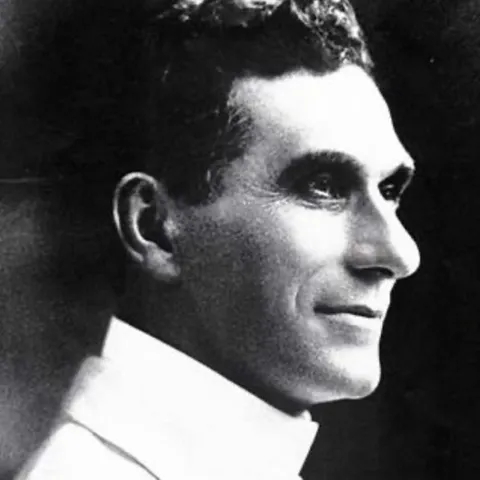 John G. Lake was born in Ontario, Canada on March 18th, 1870. He was a family man, person of integrity, honor, a savvy businessman and a good father. If you knew him you wouldn’t otherwise know that he would soon become one of the greatest men of God the world would ever know. He had a genuine love for the Lord Jesus and was known by his friends as a man who dedicated himself to intimacy with The Lord. It was out of this place that he loved his wife, was a man of integrity and built a very successful business career. To give you perspective, by 1905 John G Lake was making $50,000 per year this sum would be like upwards of 1.3 million dollars per year annually today. John grew up in a family environment which was plagued with sickness and death, it is said that his earliest memories were of sickness, death and funerals. Lake was from a large family, he had 16 siblings, 8 of which tragically died of various diseases. It is no coincidence that “the man of healing” was tormented from a young age with death and disease. The enemy will often oppose destinies with radical circumstances through a distortion of the very thing that we are called to walk in. Lake Was exposed to dramatic healing when he visited John Alexander Dowie’s ministry and was, in prayer, instantly healed of a rheumatism which had caused his legs to grow incorrectly. Just two short years into their marriage, Jennie Lake was diagnosed with tuberculosis and heart disease. Over the next couple of years, the condition worsened and the doctors resigned to the fact that it was only a matter of time before she would die. John allowed this situation to provoke him into faith, after being exposed to such death and disease from a young age he had a hatred for such things. When he would read the word of God he saw that his Christian experience was less than the promised “power of the Holy Spirit”. As Jennie was on her deathbed and perhaps taking her final breaths Lake was overcome with anger over sickness and threw his bible against the fireplace mantle! When he went to pick up his bible it was opened to Acts chapter 10:38 which says: "God anointed Jesus of Nazareth with the Holy Ghost and with power: who went about doing good, and healing all that were oppressed of the devil; for God was with him.” Lake had a surge of faith in that moment and sent a telegram to Dowie asking him to pray. Within an hour of Dowie praying she was fully healed! Not long after Jennie was healed, God began to speak to Lake about going into full time ministry. After some time of contemplation and seeking the Lord, God confirmed to John and Jennie separately that they were to move to South Africa to begin their life of ministry. John and Jennie then gave away all that they had, John forsook his mega-salary and they went on their way alongside some of their friends as ministry partners.
When they arrived in South Africa, they had no money. The problem was, that they needed at least $125 in order to clear customs. they nervously waited for their turn in line, rehearsing what they would say to the immigration officer They were in desperate need of a miracle, as the law read that they would be subject to deportation as quickly as they arrived in South Africa. Just as they were about the get to the front of the line, John felt a tap on his shoulder… A man was standing behind John and said “excuse me sir, can I have a word with you?” John nervously steps out of line at the man’s request and the man said “when I saw you and your family in line, the Lord told me to give you $200 cash”. The Lord provided just enough money for John and his family to enter the country. But their needs didn’t stop there. The Lakes and their crew had no ministry contact in Johannesburg. Soon after they cleared customs, a woman approached John’s friends and asked how many people are in their family, when they told her, she responded “no, not you” and went over to John and asked the same question. John replied “9” and she said “you’re the ones!” She went on to tell John that the Lord had spoken to her last night that she was to give her home to a family of 9 people who are coming from America to do God’s work. John, Jennie and their crew rejoiced in the dramatic provision of the Lord. Their time in South Africa was marked with waves of revival, there were multitudes saved, healed and delivered over the course of their 5 year ministry tour in South Africa.
By far my favorite story from this season of Revival takes place shortly after the Lake family and their team arrived in South Africa. A mighty plague was sweeping through the nation, the death count was climbing dramatically. So much so that there was a surplus of corpses who were victims of the plague and there was no one to bury the dead; if someone was to come in contact with a dead body they would most certainly become infected and their death sentence would immediately begin. John G. Lake astounded the medical officials because he, without any gloves or protective clothing began burying the dead. Physicians in a panic approached John and rebuked him for coming in contact with the dead, John boldly responded "when the disease comes in contact with my skin, you can watch it die". The doctors thought he was insane, so he challenged them to put a drop of the plague on his skin and watch it under a microscope. When they did so, John was right! The plague cells literally burned up the second they came in contact with his skin!
It is tough to understand what would happen towards the end of the Lake’s missionary journey in Africa. One day while John was away on a ministry trip, his wife Jennie suddenly passed away. The cause of her death was malnutrition and exhaustion. It wasn’t uncommon for the sick and broken to line the lawn of John G Lake’s home and Jennie, as an act of sacrifice, gave away all their food and any resources she could to the broken which frequented their house.
Although John and Jennie’s faith and sacrifice is commendable we must learn from this fatal mistake. John’s priorities clearly became altered as the demand for ministry raged on. He failed to guard and keep the very precious gift that God had given him, he allowed the demands of ministry to distract him from the needs of his family unto the tragic and preventable death of his wife. In the wake of Jennie’s death their children became bitter with John and subsequently God. Some of his children left the faith and the most recent accounts of them suggest that they died not following Christ. To this day some of John’s great grandchildren do not follow the Lord. John’s failure to obey the basic command of scripture for “husbands to love their wives as Christ loves the church” and his preoccupation with the demands of ministry opened up the door for the enemy to ravage his family. After Jennie’s death John moved back to the United States and remarried. He would then pioneer his famous healing ministry based out of Spokane Washington. Unfortunately John did not learn his lesson the first time, in the midst of more flames of revival he continued to be a poor father, emotionally disconnected from his children.
John G. Lake was born in Ontario, Canada on March 18th, 1870. He was a family man, person of integrity, honor, a savvy businessman and a good father. If you knew him you wouldn’t otherwise know that he would soon become one of the greatest men of God the world would ever know. He had a genuine love for the Lord Jesus and was known by his friends as a man who dedicated himself to intimacy with The Lord. It was out of this place that he loved his wife, was a man of integrity and built a very successful business career. To give you perspective, by 1905 John G Lake was making $50,000 per year this sum would be like upwards of 1.3 million dollars per year annually today. John grew up in a family environment which was plagued with sickness and death, it is said that his earliest memories were of sickness, death and funerals. Lake was from a large family, he had 16 siblings, 8 of which tragically died of various diseases. It is no coincidence that “the man of healing” was tormented from a young age with death and disease. The enemy will often oppose destinies with radical circumstances through a distortion of the very thing that we are called to walk in. Lake Was exposed to dramatic healing when he visited John Alexander Dowie’s ministry and was, in prayer, instantly healed of a rheumatism which had caused his legs to grow incorrectly. Just two short years into their marriage, Jennie Lake was diagnosed with tuberculosis and heart disease. Over the next couple of years, the condition worsened and the doctors resigned to the fact that it was only a matter of time before she would die. John allowed this situation to provoke him into faith, after being exposed to such death and disease from a young age he had a hatred for such things. When he would read the word of God he saw that his Christian experience was less than the promised “power of the Holy Spirit”. As Jennie was on her deathbed and perhaps taking her final breaths Lake was overcome with anger over sickness and threw his bible against the fireplace mantle! When he went to pick up his bible it was opened to Acts chapter 10:38 which says: "God anointed Jesus of Nazareth with the Holy Ghost and with power: who went about doing good, and healing all that were oppressed of the devil; for God was with him.” Lake had a surge of faith in that moment and sent a telegram to Dowie asking him to pray. Within an hour of Dowie praying she was fully healed! Not long after Jennie was healed, God began to speak to Lake about going into full time ministry. After some time of contemplation and seeking the Lord, God confirmed to John and Jennie separately that they were to move to South Africa to begin their life of ministry. John and Jennie then gave away all that they had, John forsook his mega-salary and they went on their way alongside some of their friends as ministry partners.
When they arrived in South Africa, they had no money. The problem was, that they needed at least $125 in order to clear customs. they nervously waited for their turn in line, rehearsing what they would say to the immigration officer They were in desperate need of a miracle, as the law read that they would be subject to deportation as quickly as they arrived in South Africa. Just as they were about the get to the front of the line, John felt a tap on his shoulder… A man was standing behind John and said “excuse me sir, can I have a word with you?” John nervously steps out of line at the man’s request and the man said “when I saw you and your family in line, the Lord told me to give you $200 cash”. The Lord provided just enough money for John and his family to enter the country. But their needs didn’t stop there. The Lakes and their crew had no ministry contact in Johannesburg. Soon after they cleared customs, a woman approached John’s friends and asked how many people are in their family, when they told her, she responded “no, not you” and went over to John and asked the same question. John replied “9” and she said “you’re the ones!” She went on to tell John that the Lord had spoken to her last night that she was to give her home to a family of 9 people who are coming from America to do God’s work. John, Jennie and their crew rejoiced in the dramatic provision of the Lord. Their time in South Africa was marked with waves of revival, there were multitudes saved, healed and delivered over the course of their 5 year ministry tour in South Africa.
By far my favorite story from this season of Revival takes place shortly after the Lake family and their team arrived in South Africa. A mighty plague was sweeping through the nation, the death count was climbing dramatically. So much so that there was a surplus of corpses who were victims of the plague and there was no one to bury the dead; if someone was to come in contact with a dead body they would most certainly become infected and their death sentence would immediately begin. John G. Lake astounded the medical officials because he, without any gloves or protective clothing began burying the dead. Physicians in a panic approached John and rebuked him for coming in contact with the dead, John boldly responded "when the disease comes in contact with my skin, you can watch it die". The doctors thought he was insane, so he challenged them to put a drop of the plague on his skin and watch it under a microscope. When they did so, John was right! The plague cells literally burned up the second they came in contact with his skin!
It is tough to understand what would happen towards the end of the Lake’s missionary journey in Africa. One day while John was away on a ministry trip, his wife Jennie suddenly passed away. The cause of her death was malnutrition and exhaustion. It wasn’t uncommon for the sick and broken to line the lawn of John G Lake’s home and Jennie, as an act of sacrifice, gave away all their food and any resources she could to the broken which frequented their house.
Although John and Jennie’s faith and sacrifice is commendable we must learn from this fatal mistake. John’s priorities clearly became altered as the demand for ministry raged on. He failed to guard and keep the very precious gift that God had given him, he allowed the demands of ministry to distract him from the needs of his family unto the tragic and preventable death of his wife. In the wake of Jennie’s death their children became bitter with John and subsequently God. Some of his children left the faith and the most recent accounts of them suggest that they died not following Christ. To this day some of John’s great grandchildren do not follow the Lord. John’s failure to obey the basic command of scripture for “husbands to love their wives as Christ loves the church” and his preoccupation with the demands of ministry opened up the door for the enemy to ravage his family. After Jennie’s death John moved back to the United States and remarried. He would then pioneer his famous healing ministry based out of Spokane Washington. Unfortunately John did not learn his lesson the first time, in the midst of more flames of revival he continued to be a poor father, emotionally disconnected from his children.
five ways to build stronger relationships
“That used to be nice.” That was the first response when I recently asked a group of men what comes to mind when they think about friendship. Once they entered their upper twenties and thirties, many of them no longer had close friendships. We mostly laughed when joking about Jesus’s “miracle” of having twelve close friends in his thirties. Many factors combine to make friendship difficult for men. Personally, time for friends seems unrealistic in light of work or family responsibilities. Culturally, we don’t have a shared understanding of what friendships among men should look like. We also find ourselves connecting more digitally than deeply. We’ve lost a vision for strong, warm, face-to-face and side-by-side male friendship. But God made us for more. He made us in his own image, the image of a triune God who exists in communal love. Therefore, friendship is not a luxury; it’s a relational necessity. We glorify God by enjoying him and reflecting his relational love with one another. If you are a man who has struggled to go deeper with other men, here are five concrete steps to cultivate deeper friendships. 1. Establish rhythms for your relationships. Without rhythms in our lives, the important priorities don’t get done. If we value communing with God through his word and prayer, we form a habit. If we want to exercise consistently, we create a pattern. Here’s a proposal for cultivating friendship: Build it into your schedule. Establish a regular rhythm for coffee together. Devote a meal each week — say, Monday breakfasts or Wednesday dinners — to share with others. Plan to meet up to take walks together. Reserve an extended weekend each year to get away and enjoy God’s creation together. 2. Drop each conversation one notch deeper. Conversations about sports and daily activities are worthwhile. But if that’s all we talk about, it’s like snorkeling on the surface while missing the deeper wonders of the ocean. But how do we take our conversations deeper? First, ask thoughtful questions. When you’re driving to meet your friend, think about what you want to learn about him. Think about the main aspects of his life right now — his relationship with the Lord, his family, his work — and ask him about how things are going. When he shares about a challenge, ask how his internal life (his heart, his disposition toward God) is doing in the midst of this. From there, stay curious and ask more questions. Second, talk about what you’re each reading. Ask how God’s word has convicted or encouraged him recently. Ask what book he’s recently read that helped him know God or live more faithfully as a disciple. Consider reading through Scripture or a Scripture-saturated book together and meeting to talk about it. 3. Overcome our cultural aversion to expressing affection. “Love one another with brotherly affection” (Romans 12:10). We don’t usually put those last two words next to one another — brotherly feels masculine; affection feels feminine. But there they are together, inviting us to cultivate genuine, non-weird, affectionate brotherhood. We see this affectionate bond with Jonathan and David: “The soul of Jonathan was knit to the soul of David, and Jonathan loved him as his own soul” (1 Samuel 18:1). We see it with Paul and the Ephesian elders: “And there was much weeping on the part of all; they embraced Paul and kissed him” (Acts 20:37). Expressing affection feels uncomfortable to men today because our culture has slowly shifted its understanding of masculinity. Rather than combining strength and tenderness, we view manhood as muscular and aggressive. Our culture has also sexualized love, interpreting affection between men as something other than friendship. But we can build a better way. 4. Oxygenate your friendships with affirmation. What happens without oxygen? We become sluggish and lethargic. This is what relationships feel like without affirmation. This may be why some of your relationships feel withered, thin, or tired. Affirmation is relational oxygen. One of the most powerful tools for cultivating true friendship is Romans 12:10: “Outdo one another in showing honor.” Men find it hard to give and receive honor and affirmation. It feels uncomfortable at first to tell someone why you thank God for him or why you respect him. But only at first. I’ve seen many men work through their initial hesitations and start cultivating a culture of sincere encouragement around them. And I’ve seen the other men flourish because of it. 5. Invite friends into what you’re already doing. Our schedules are full and we rush from one thing to the next. We don’t see how we can find time for friends. But what if you don’t need to open up your schedule? What if you can include friends into the activities you already do? Here are a few suggestions I’ve seen work: When you plan to watch a sports game or weekly show, find out who else would want to watch it and invite them to join you. If you exercise a few times each week, do it with a friend. Invite friends or family members to join you for dinner or dessert. If you have young kids, let your guests participate in the bedtime routine and then stay around afterward. If you have young kids, invite someone to join your family at the park. Put a few friends on speed dial and call them on your daily commute home. If you have a home project to complete, invite someone to help you and offer to help him with his. Hope and Help for Forging Friendship Jesus is our greatest model of male friendship. He initiated relationships and he invited men to be with him (Mark 3:14). He continually asked thought-provoking questions. He loved his disciples with brotherly affection (John 13:1). He calls us his friends (John 15:13–15). He also gives us the great privilege of reflecting and enjoying this kind of true friendship to other men. Maybe as you consider taking these steps, you look ahead with both hope and hesitancy. Maybe you think back to when you experienced deeper community and think you won’t find that again. Or maybe you still feel pain from failed attempts at connecting with others. You wonder if forging friendship is harder, even impossible, for you. Before you give up, remember two truths: First, Jesus isn’t just the model for true friendship; he is himself our truest friend. He initiates friendship with us, and we receive it on terms of grace. Now “no one need ever say I have no ‘friend’ to turn to, so long as Christ is in heaven” (J.C. Ryle, Expository Thoughts , 3:114). And second, he delights for us to ask for true community in his name. God alone is able to create, renew, and strengthen the deepest human relationships. So, pray. Ask God to make your efforts at friendship fruitful. Then trust him, stay patient, and keep taking steps toward others in the strength he provides.
-480.webp)