
Others like what i wish i knew before 30 Features >>

The Power Of Positive Thinking
Be All You Can Be

How To Win Friends And Influence People

Lifes Challenges - Your Opportunities

The Dream Manager

Life - Is What You Make It

None Of These Diseases

Let Go Of Whatever Holds You Back

Zero To One - Notes On Startups, Or How To Build The Future

University Of Success
About the Book
"What I Wish I Knew Before 30" by Francis Jonah is a practical guide that offers advice and wisdom for young adults entering their thirties. The author shares personal experiences and insights on various aspects of life, including relationships, career, finances, and personal development. Through candid and engaging narration, readers are encouraged to reflect on their choices and make the most of their youth before reaching the milestone age of 30.
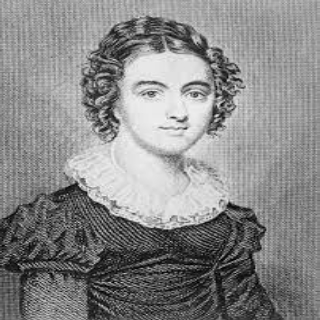
Ann Judson
election and predestination and the free will of man...
"Now the LORD had said unto Abram, Get thee out of thy country, and from thy kindred, and from thy father's house, unto a land that I will shew thee: And I will make of thee a great nation, and I will bless thee, and make thy name great; and thou shalt be a blessing: And I will bless them that bless thee, and curse him that curseth thee: and in thee shall all families of the earth be blessed." Genesis 12:1-3 This is God's introduction to a man, whose name is the greatest name in the Old Testament record, Abraham, the father of the faithful, and the father of the great miracle nation, Israel, and the example in Scripture of true saving faith. No other man is better known, more loved, than Abraham the friend of God who "believed God and it was counted unto him for righteousness." Together with his son, Isaac, his grandson, Jacob, and his great-grandson, Joseph, these four men dominate the entire book of Genesis with the exception of the first eleven chapters. Only eleven chapters of the Old Testament are required to relate for us the first two thousand years of human history on this earth. (Genesis 1 to 11.) All the rest of Genesis (chapters 12 to 50) are occupied with the record of the lives of these four men, Abraham, Isaac, Jacob, and Joseph, covering a period of time of approximately only four hundred years. Notice carefully, only eleven chapters to tell us all we know about the first two thousand years of history, including creation, the fall, the flood and the tower of Babel, but thirty-nine chapters to relate the history of only four men living within a period of only four centuries. Supernatural Design This is not a mere coincidence, but a divine, supernatural design and purpose. Believing as we do in the supernatural, verbal inspiration of the Scriptures, we believe this emphasis on these four men contains a very important revelation. Where God spends a great deal of time in revealing in His Word a certain record, we may be assured that it is of unusual importance. And so we are led to ask, why so much space devoted to these four men? Remember, eleven chapters to the history of Abraham, five chapters to the history of Isaac, twelve long chapters to Jacob, and eleven chapters are devoted to the record of the life of Joseph. There are at least two reasons for this extensive Bible record concerning these four representative men. The first three men, father, son and grandson, were to be the progenitors of a supernaturally called nation to be miraculously preserved, around which God would weave the entire history of the world to the very end of time, even the nation of Israel. The nations had utterly failed in the days of Abraham. Adam had fallen, the world had become corrupt, and God had destroyed it with a flood, but even after the flood, man soon again turned from God and the days of wickedness before the flood repeated themselves. The knowledge of God would soon be forgotten except for a divine plan by which the truth might be preserved and through which the Lord might reveal His plan of redemption. And so he abandoned the nations, gave them up, and instead He chose one man to become the father of a new, a peculiar nation, a miraculous, a separated, covenant nation to be the channel through which God would preserve the knowledge of the one true Jehovah, through whom He would give the revelation of the Scriptures and out of whom according to the flesh would be born the Saviour of the world, the Lord Jesus Christ. This nation is the nation of Israel. The entire Old Testament with the exception of the first eleven chapters is occupied with the history of this one single nation; the other nations being mentioned only as they had dealings with the nation of Israel or came in contact with them. Almost one-half of the New Testament also deals with the history of this same people of Israel. Through this nation God gave us our Bible, practically every bit of it. The entire Word of God with few exceptions was written by Israelites, and by Jews. This nation which sprang from these four men, Abraham, Isaac, Jacob, and Joseph, therefore, gave us our Bible and preserved for us the knowledge of the true Jehovah God, and gave us our Saviour, the Lord Jesus Christ, a Jew, of the seed of Abraham and of the tribe of Judah. The Apostle Paul sums it all up for us when he, in speaking of this nation, says in Romans 9:4 "Who are Israelites; to whom pertaineth the adoption, and the glory, and the covenants, and the giving of the law, and the service of God, and the promises; Whose are the fathers, and of whom as concerning the flesh Christ came, who is over all, God blessed for ever. Amen." Romans 9:4-5 The Plan of Redemption This then is one reason for the prominent place given in Genesis to these four men through whose descendents, Israel, God's revelation came to the world, and by whom He was to give us our Christ and the Word of God. But underneath this purpose lies a deeper meaning and a still more wonderful purpose. The Bible is preeminently the Book of redemption. From Genesis 1:1 to Revelation 22:21 the aim and the goal, the purpose and the end of all revelation is to make known God's plan of salvation and redemption for ALL men. All other things are secondary to this one primary aim. The histories, the genealogies, the wars, the records of men and nations, all have some bearing upon, and have something to do directly or indirectly with the revelation of God in redeeming mankind through the work of His Son, the Lord Jesus Christ. Redemption Everywhere If we but look closely, we will find this purpose of redemption on every page of the book. It begins in the first chapter of the Bible in the history of the creation of the earth. Seven days of creation are recorded. It begins with a world barren and waste and in darkness, which of course, is a picture of the sinner, created in God's image, but through sin having fallen and lying in utter darkness. The first day records light being created by the Word of God. This is symbolic of the regeneration of the sinner, the beginning of his spiritual life through the spirit and the Word. On the second day God separated the waters on the earth, and the waters above the earth. This is the first result of our salvation—separation of the earthly things from the heavenly. Then comes day number three and it records the creation of vegetation and fruit, pointing to the next thing in the believer's life, fruit-bearing, reproduction of its own kind, which of course, is soul winning. On the fourth day the sun, moon and stars are set in heaven to shine upon earth. This speaks of Christian testimony. We too as believers are already seated in the heavenlies in our position, but we are to shine continually upon the earth. On the fifth day God created birds and fish. Birds defy the pull of earth's gravity and soar toward heaven, and this speaks of Christian victory, overcoming the pull and the gravity of the world and earthly things and living in the heavenlies. The sixth day is the creation of cattle and man, and speaks of service, and then follows the seventh day of rest, which is the goal of the believer, perfect rest and peace, in Christ. This is the picture of redemption, in the very first chapter of our Bible, from death and darkness in sin, through the successive days of growth in grace until we find perfect peace and rest in Him. This is in the first chapter of the Bible. The first creation is a picture of the New Creation. We have taken all of this time in this first chapter to show that the aim and the purpose of the Bible is to make known the plan of redemption, and what is true of this first chapter is true of every single part of the Bible. Somewhere, underneath the historical record, hidden in the seemingly meaningless geneologies, you will find Jesus and the plan of redemption. The Four Patriarchs Now return to our four patriarchs. That is why God called Abraham, Isaac and Jacob and Joseph, to reveal through the history of these men and through this nation which came from them, God's wonderful plan of redemption and salvation by grace. And so these four men are God's own revelation of how He brings about this redemptive purpose. We would refer you in this connection to Romans chapter 8. In Romans 8, verse 28 we have this familiar verse, known to practically everyone: "And we know that all things work together for good to them that love God, to them who are the called according to his purpose." Romans 8:28 Here is the basis of our redemption, "called according to His purpose.'' That is our foundation. It is pure grace, and the grace of God alone. We are saved basically, primarily, because God purposed it long before,we were even born. Our salvation, then, is rooted and grounded in the sovereign grace and purposes of Almighty God. Then follows the explanation of this purpose. Why did He purpose to save us, after all? Now I know that there are some who would say, to save us from hell, which of course is wrong. Others would say, to take us to heaven when we die, but this again is wrong. These are mere incidentals in God's real purpose of salvation. Listen to Paul as he tells us why God purposed to save us: "For whom he did foreknow, he also did predestinate" Romans 8:29 We want to stop here for just a moment in the middle of that verse. Why did God predestinate the believer? To save him from hell? To take him to heaven? Not at all. Listen to what Paul says: "For whom he did foreknow, he also did predestinate to be conformed to the image of his Son, that he might be the firstborn among many brethren." Romans 8:29 Here, then is God's great purpose. He wants us to be like the Lord Jesus. That is His ultimate goal, that is His desire. Salvation from hell, going to heaven, are a part of this process of making us ultimately like the Lord Jesus Christ, and to make the believer finally like the Lord Jesus is a process of testing, trials, defeats, victories, as we see so wonderfully and marvelously illustrated in the lives of these four men, Abraham, Isaac, Jacob and Joseph. Then Paul goes on to give us these four steps in verse 30: "Moreover whom he did predestinate, them he also called: and whom he called, them he also justified: and whom he justified, them he also glorified." Romans 8:30 You will notice that we have here four definite steps, and we would suggest that you fix them thoroughly in your mind. Predestination Calling Justification Glorification Our salvation begins with God in His sovereign predestination. This is the foundation of our redemption—the sovereign purpose of God in our election. Next we have calling. This is redemption in preparation. Those whom He predestinates He calls, and so He prepares them, so that they should hear this gospel call and receive it. This is God's redemption in the preparation of the believer. Then follows justification. This is redemption in operation. Those who effectively hear God's call are now justified, and then follows glorification which is redemption in its consummation. These then are the four steps: The Foundation—God's predestination The Preparation—God's call to salvation The Operation—Justification by faith The Consummation—Glorification to be ultimately like the Lord Jesus Christ. Four Steps and Four Men I do not know whether Paul had Abraham, Isaac, Jacob, and Joseph in mind when He wrote this verse on the four steps of salvation: predestination, calling, justification, and glorification, but the parallel is so striking that we sincerely believe that we have in the history of these four patriarchs these same four steps wonderfully illustrated. Abraham illustrates divine predestination. Living in a heathen land, a member of an idolatrous family, God in sovereign grace chose him and elected him to be the father of the faithful, passing by all the rest of his family. Isaac illustrates the calling of the believer. Though his brother, Ishmael was older and beloved of Abraham, God said, No, this shall not be thine heir, but in Isaac shall thy seed be called. Isaac, then, illustrates divine calling. Jacob illustrated justification. Jacob the rascal, who cheated his father, robbed his brother, connived with his mother, and ruined his uncle, was nevertheless justified in spite of his unworthiness, because he believed God's promise. This is justification. And then Joseph, glorification. Despised and sold by his brethren, he is exalted on the throne at the right hand of the King of Egypt, and here is God's plan of redemption in these four men. Predestination, calling, justification, and glorification. Abraham, Isaac, Jacob and Joseph. What a wonderful plan of salvation, what a marvelous Book, what a miraculous Bible, what a wonderful redemption! In our next message we shall continue this glorious revelation. Chapter Two "By faith Abraham, when he was called to go out into a place which he should after receive for an inheritance, obeyed; and he went out, not knowing whither he went. By faith he sojourned in the land of promise, as in a strange country, dwelling in tabernacles with Isaac and Jacob, the heirs with him of the same promise: For he looked for a city which hath foundations, whose builder and maker is God." Hebrews 11:8-10 The four greatest and most prominent names in the book of Genesis are Abraham, Isaac, Jacob and Joseph, the progenitors of the nation of Israel, through whose descendants God gave us our Bible and our blessed Saviour. But the underlying principle in giving us the history of these four men in detail was to reveal God's wonderful plan of salvation. This plan of redemption is summed up by Paul in Romans 8:30 as follows: "Moreover whom he did predestinate, them he also called: and whom he called, them he also justified: and whom he justified, them he also glorified." Romans 8:30 Four steps, beginning in the eternal purpose of God and ending in our eternal glorification. These four steps are once again: Predestination Calling Justification Glorification These four steps give us the foundation, the preparation, the operation and the consummation of our salvation. Abraham is the example of sovereign predestination and election; Isaac of effectual calling; Jacob of justification; and Joseph a great type of glorification. Predestination We take up now the subject of predestination as illustrated in the life of Abraham, and unfolded in the Scriptures. We approach the subject with both confidence and great fear. We approach it with confidence because we are sure what we shall say is the Word of God, and with fear because we realize that so many people are prejudiced against this revelation of Scripture and because it is so grossly misrepresented and tragically misunderstood by men. We approach the subject, therefore, with a prayer that we may make this doctrine very clear and that He may give those who hear an open mind, and faith to believe what God has to say. The Bible definitely teaches predestination and election, clearly stating that God has from eternity elected a company who will be saved and spend eternity in heaven. These elected ones He has predestined to become like His Son, the Lord Jesus Christ. (Romans 8:29). Passage after passage might be quoted but we shall give only a few, which will illustrate our point. We begin with Jesus' own words in John 15:16. Speaking to His disciples, our Saviour says: "Ye have not chosen me, but I have chosen you, and ordained you, that ye should go and bring forth fruit, and that your fruit should remain..." John 15:16 Here our Lord plainly states that He Himself had chosen them personally to be His Disciples, to bring forth fruit. In Romans 8:29 Paul says: "For whom he did foreknow, he also did predestinate to be conformed to the image of his Son." Romans 8:29 In 1st Corinthians 1 Paul says this: "For ye see your calling, brethren, how that not many wise men after the flesh, not many mighty, not many noble, are called: But God hath chosen the foolish things of the world to confound the wise; and God hath chosen the weak things of the world to confound the things which are mighty; That no flesh should glory in his presence." 1 Corinthians 1:26-27, 29 We give one more passage in this connection from Ephesians, chapter one and verse three: "Blessed be the God and Father of our Lord Jesus Christ, who hath blessed us with all spiritual blessings in heavenly places in Christ: According as he hath chosen us in him before the foundation of the world, that we should be holy and without blame before him in love: Having predestinated us unto the adoption of children by Jesus Christ to himself, according to the good pleasure of his will. In whom also we have obtained an inheritance, being predestinated according to the purpose of him who worketh all things after the counsel of his own will. " Ephesians 1:3-5, 11 Without attempting any explanation at this time, we merely point out that these facts from these passages indicate the following: The Bible teaches that God has chosen, elected and predestined some, and not others. This choice of God was made before the worlds were created. This election was not based on any good which He saw beforehand in those whom He chose, but entirely by His unquestionable, sovereign purpose of grace and wholly because He willed to do so and because He is sovereign. No Need to Argue Now it will, of course, do no good to argue about this. It is the clear teaching of the Word of God. It will not do us any good to ignore it either, for it can do no good to deny it. It will not help to reject it just because we cannot understand it. There it is in the Word of God, my friend. You can take it, or leave it. But you say, does not the Bible teach also that man must choose for himself? Does not man have a free will also? Yes, indeed the Bible teaches also that we have a will, and that we personally must make a decision and a choice or be forever lost. We must believe in order to be saved. We are coming to that later on also, but right now we merely want to show that the Bible does teach a sovereign, elective purpose of God of all who shall be redeemed. But again, you will say this is a contradiction. Sovereign election and man's free choice do not harmonize. That does not alter the fact the Bible teaches both. It is only a contradiction in our own minds, for there can be no contradiction in the mind of God who made this revelation. But again, someone will ask, I cannot understand all of these deep truths. We are not required or asked to understand it, but we are asked to believe it because God says it. We are to believe both. We are to believe in God's elective purpose, and also believe that we personally must "will" to be saved, or we shall be forever lost, for both of these are clearly taught in the Word of God. To reject election and accept only man's free will is a denial of God's sovereignty. To accept the truth of election and reject man's free will is to deny God's Word and His invitation to all, "Whosoever will." Cannot Understand But, you say, I cannot understand it. You never will! If you did, you would understand the Almighty Himself. But there are thousands of things that I cannot understand. I cannot understand how God could create a universe out of nothing, but I am expected to believe it. I cannot understand the Trinity, but the Bible teaches it. I cannot understand the virgin birth, but I must believe it in order to be saved. I cannot understand how one Man could die for another's crimes and sins, or how a hell-deserving sinner could be justified. Nobody can understand those things. Man knows of no way to justify a transgressor. We can pardon men, and we can condone their sin, we can forgive, but we cannot justify a criminal. But God can, and God does and God will. I know not why God's wondrous love To me He hath made known; Or how unworthy, Christ in love Redeemed me for His own. But I read it in God's Word and I believe it, Yes, I believe it. Fully believe it. I read it in God's Word and I believe it, And that is all I need to do. Man's Free Will Yes, man himself, indeed, must come, he must believe, he must will to be saved in spite of the fact that God has already elected those who will be saved. The Bible says clearly: "For God so loved the world, that he gave his only begotten Son, that whosoever believeth in him should not perish, but have everlasting life." John 3:16 It says again: "Come unto me, all ye that labour and are heavy laden, and I will give you rest." Matthew 11:28 And again: "Let him that is athirst come. And whosoever will, let him take the water of life freely." Revelation 22:17 Yes, indeed, God does the electing, and that happens to be God's business, and only HIS responsibility. But YOU must do the believing. That is YOUR responsibility. Understand it? Of course not. But believe it? Yes, indeed. It is true that only those who are elected will come, and God knows who they are. But listen, it is just as true that those who come are also elected. God calls, but you must do the answering. Notice how Jesus places these two truths right together in John 6 and verse 37: "All that the Father giveth me shall come to me." There, indeed, you have sovereign grace and election. But there is more to this verse, and Jesus, therefore, continues: "And him that cometh to me I will in no wise cast out." John 6:37 There you have it, then, my friend. The Father draws, but you must come. There are hundreds of examples of this in the Scriptures, many of which we shall refer to in our coming messages. But think for a moment again of Abraham who is the great example of divine election. He was a pagan idol worshipper in a strange land, the Ur of the Chaldees. He was no better than the rest of his family, yet God chose him from among many, many hundreds and thousands of others, and called Abram. That was God's part, and then we read that Abram obeyed and answered the call: "By faith Abraham, when he was called to go out into a place which he should after receive for an inheritance, OBEYED." Hebrews 11:8 God CALLED, but Abraham did the obeying. The Lord God is calling some of you this very moment. Will you answer the call, and come. Then, my friend, you are one of God's elect, for "For it is God which worketh in you both to will and to do of his good pleasure." Philippians 2:13 But you will answer and say, "Can't I do anything at all? Am I totally helpless to do anything toward my salvation?" Listen, my friend, that fact itself is the greatest reason in all the world why you should come to Him, if He alone is able to save you. If you could do it yourself, you would not need Him at all. The very fact of your own helplessness is the greatest reason and argument for turning to the only One who can and who is willing to save you. But you insist and ask me again. If I am elected I will come and if I am not elected, I will not come, and I cannot come. Yes, that is dogmatically true. BUT listen, let me ask you a question. Are you saying that as an excuse for not coming, and so place the blame for your damnation on God? Or are you sincere in your question? Let me ask you this. Would you like to know whether you are really one of God's elect? Would you like to know at this very moment? You can find out before another minute passes. If you will heed His call right now, and call upon Him to save you, you ARE one of God's elect. Why not find out this very moment. Forget your objections, stop trying to understand. Don't bother with God's part of the matter, but come as you are and if you do, then Jesus says: "Him that cometh to me I will in no wise cast out." John 6:37 And again: "Whosoever shall call upon the name of the Lord shall be saved." Romans 10:13 Yes, indeed, God does the electing and that happens to be His business, and, therefore, we can leave it safely with Him. He will not make any mistakes. But, my friend, YOUR business this very moment is to receive the free gift which God offers to "Whosoever will may come." Do your part and then rest assured that the Lord will do His part and keep His promise who said: "Whosoever will, let him take the water of life freely." Revelation 22:17 "Believe on the Lord Jesus Christ, and thou shalt be saved." Acts 16:31 Chapter Three The Bible clearly teaches the doctrines of sovereign election and predestination of the saved by Almighty God. The word, election means "to choose" and predestination means "to determine beforehand." The word "predestination" is a combination of two other words, the word "pre", meaning "before", and the word "destiny", simply means that the destiny is settled and determined beforehand. But the Bible also teaches with equal clarity the free will of man and the positive necessity of receiving salvation through a personal act of faith in the Lord Jesus Christ. The election is the part which God has already done, believing is the part which man must do himself. Now we make no attempt either to explain or to harmonize these two. We merely state them as facts which are taught in the Scriptures, and then emphasize the fact that man must do his part in believing, in the full assurance that God is righteous and just and true in whatever He does. To try and understand this and reject this truth because you cannot understand it is only to be lost. Our only salvation lies NOT in understanding God, but in believing what He says. Independent of Works We now take up once more the matter of sovereign election. God has elected His chosen ones from eternity and Jesus says: "And this is the Father's will which hath sent me, that of all which he hath given me I should lose nothing, but should raise it up again at the last day." John 6:39 This election is all of grace; that is, it was not because He saw beforehand any merit or goodness or excellence in the ones whom He chose. He did not choose them for their superior goodness, but just and only because He chose to do so according to His own purpose and unquestioned will "that no flesh should glory in his presence." God is Omniscient Now if any are inclined to object to this truth or to question its justice, let us remember one simple fact. God is absolutely sovereign. He can do as He pleases, and no creature can question His action for one moment. This is a basic, fundamental truth. If God is not sovereign, then He cannot be an absolute God. Then the second thing to remember is that God is also eternal. God is a timeless being. He has no past, no future, but lives in the eternal present. He existed from eternity before there was even time or matter. With God all things future, therefore, are already as if they had already happened and transpired. This brings us logically to a third observation. God is also omniscient. He knows everything, past, present, and future. He knows the numbers of the hairs of our head, and knows every sparrow that falls to the ground. From an eternity past He knew every detail which would ever come to pass into the eternity of the future. Otherwise, how else could He plan anything? God must be omniscient and know all things, or cease to be a sovereign God. He must be omniscient or we cannot trust Him, for then He might be surprised by events which He did not foreknow and foresee, and thus become a being of chance and not one of destiny. The Bible declares this for the apostle James says in Acts 15:18: "Known unto God are all his works from the beginning of the world." Acts 15:18 And David said in the great 139th Psalm which we may well call the Psalm of God's omniscience: "Yea, the darkness hideth not from thee; but the night shineth as the day: the darkness and the light are both alike to thee. Thine eyes did see my substance, yet being unperfect; and in thy book all my members were written, which in continuance were fashioned, when as yet there was none of them." Psalm 139:12, 16 And the writer in Hebrews, writing first of the written word and then the living word, The Lord Jesus Christ, says this: "Neither is there any creature that is not manifest in his sight: but all things are naked and opened unto the eyes of him with whom we have to do." Hebrews 4:13 Many, many other passages might be quoted, but these I am sure, are sufficient to show that God knows all things from the beginning. This must be so, for He made all things, and by Him all things consist. God is perfect in every one of His attributes, and therefore, perfect in His omniscience, knowing from eternity everything that would ever happen in the future. Foreknowledge and Election This brings us to the point of our subject. Since God knows everything from the beginning, He also knew from the beginning who would be saved. He foreknew each and every one who would ever believe on the Lord Jesus Christ. He also foresaw everyone who would not believe. Certainly then there can be no objection to God electing those who should believe, and not electing those whom He knew would NOT believe. The apostle Peter, in writing his first epistle from Babylon to the scattered believers states this as follows: Peter, an apostle of Jesus Christ, to the strangers scattered throughout Pontus, Galatia, Cappadocia, Asia, and Bithynia. Elect according to the foreknowledge of God the Father..." 1 Peter 1:1-2 Notice that very carefully, ELECT ACCORDING TO THE FOREKNOWLEDGE OF GOD. Now there are those who tell us that God elected before He foreknew. And because He had elected them, He foreknew that they would believe. Then there are others who take the other side of the argument, and say, No, God first foreknew who would believe and then He elected them. Now this whole argument is definitely silly. One cannot precede the other in order of time for God is timeless. These both happened in the infinite, eternal past of God's life. Since God had no beginning but always was, He therefore, always foreknew and the saved were always elected. We cannot separate the foreknowledge and the election of God. They always were together. It is like the spokes in a wheel. When you turn the wheel, which spoke begins to move first? Why, you say, that's a silly question to ask. Of course, it's a silly question, but no more foolish than trying to argue whether in God's predestinarian plan election or foreknowledge came first. That is splitting invisible hairs. An Illustration The farthest we can go with our finite understanding is to accept Peter's statement, that since God foreknew who would believe, He could elect those whom He did foreknow. If you would rather change the order, that is your privilege, of course. It is still a pound to me, and 16 ounces to you. Let me give an illustration to help you in understanding this. Suppose on a very hot summer's day twenty boys are playing in the field behind our home. They are hot, tired, thirsty, and weary. So I say to Mrs. De Haan, I'll get some ice cream at the drug store, and some cold root beer. You get some cookies and we'll invite all those boys to come on our porch for ice cream and cookies. So I go to the store for the ice cream and when I return, my wife has twenty plates and twenty glasses arranged on the table on our back porch. I look at these twenty glasses and say, "You can take eight of those glasses and plates back in the house, for we are only going to need twelve." But she says, "There are twenty boys out there, and you invited all of them to come, didn't you?" And I reply, "Yes, I invited all twenty, but I happen to know that only twelve are going to come. The other eight will refuse. One will say, I don't like ice cream, and another says, I hate old man De Haan, and another, I don't believe they have any ice cream, and another one, it's all a joke. They're only fooling us. Still another says, there's a gag somewhere. We'll pay for it somehow in the end. Still another one says, I can't imagine why that old tight-wad wants to be so liberal all of a sudden." Eight of them have an excuse, and will not come. "How do you know only twelve will come?" says Mrs. De Haan to me. "Because I happen to know every one of those boys. I know their thoughts, their sentiments, and their reactions." Now, of course, this presupposes perfect knowledge on my part, perfect knowledge of just what each boy is going to do. Of course, I do not possess that perfect knowledge. But just suppose that I do, and having this knowledge, then it would be very easy for me to place only twelve dishes on the table, then invite all twenty boys to come, and lo and behold, only twelve of them did come. That was because somehow I foreknew which ones would respond. Now may I ask you, if I invited all twenty, have the eight which do not come any excuse at all? Can they blame me? Oh, but they say, "We saw there were only twelve plates, not enough to go around, so we thought it was not for us." But that's no excuse. You did not know who they were for. But I knew they were only for those who would come, and who would respond. Now I realize that this parable falls short of fully illustrating the situation, but it goes as far as our finite, human understanding can go. God's invitation is to all. Yet, God knows that all will not come, and He knew who would come and who would not come. It would be very simple then for the Almighty to choose and prepare a place at His table for only the elect, and make no provision for others. There is plenty for all, but no use putting it on the table and wasting it for those who will not partake of it. "Elect according to the foreknowledge of God," says Peter. That is the nearest that we can come to understanding this great truth of election and predestination and the free will of man. But remember, I prepared the table for the boys, but they had to come themselves. I did not drag them in. I invited all of them, each one in good faith. It is all just and right, there can be no objection and no excuse and no blame put upon anyone else. So it is with God's invitation. He too says: "Ho, every one that thirsteth, come ye to the waters, and he that hath no money; come ye, buy, and eat; yea, come, buy wine and milk without money and without price." Isaiah 55:1 "Seek ye the LORD while he may be found, call ye upon him while he is near." Isaiah 55:6 He invites you now to come to His table of salvation. You too are weary and discouraged. You fear the future, you are concerned about your sins, and dread the thought of meeting God, maybe before you realize. Listen, then, someone is calling you, and listen carefully: "Come unto me, all ye that labour and are heavy laden, and I will give you rest." Matthew 11:28 What did I hear you say? Does He mean YOU? Of course, He means you. He says, "Come all YE that labour and are heavy laden." He invites ALL, and that includes you too. "Whosoever will may come." But again you say, if I am not elected, what then? Well, then you just won't come. But forget that part and listen to this: If you do come then you are one of God's chosen ones, then you are one of the redeemed. Now wouldn't you like to find out right now where you will spend eternity? Would you like to know your sins are all forgiven, your past blotted out, and you are now God's child and on the way to heaven? It's up to you NOW. You can know upon the immutable promise of the Word of God. Receive Him where you are. Don't struggle anymore, don't try to understand it, but believe it, and answer His gracious invitations: "Come unto me, all ye that labour and are heavy laden, and I will give you rest." Matthew 11:28 "Come, all ye weary and oppressed, O come and I will give you rest; I'll bid your anxious fears depart, For I am meek and lowly in heart, And I will give you rest. Come, ye that feel the weight of sin, And I will breathe sweet peace within; I'll lift the burden from your heart, Forgiveness I will freely impart, And I will give you rest. Ye that labor and are heavy laden, come to Me, Come, come; come, and learn of Me; My yoke is easy, My burden is light, Come, come, come, and I will give you rest." Chapter Four God's people in all ages are called God's own elect. The word, "elect", means "to choose some and not to choose others." An election presupposes both winners and losers, those who are elected and those who fail to be elected. Now in human elections, men choose the candidates, but in divine election God is the One who chooses His own. Election has to do with our relationship to God Himself. We are elected to be the children of God. But the word, "predestination", while grounded and based on the same sovereign will and purpose of God has a slightly different meaning. Predestination has to do with the "why" of our election. We are elected to be saved, and then He predestinates these elect ones to ultimately become like His own Son, the Lord Jesus Christ. Election then has to do with our position; predestination deals with our character and the development and growth of the elect unto perfection into the image of Christ. This is an important distinction. The Bible does not say that we are predestinated to be saved, primarily, for that is the work of election, but predestination is the method, decided beforehand, by which these elected ones will finally be perfected. A few Scriptures will illustrate this. Referring again to Romans 8 we read: "And we know that all things work together for good to them that love God, to them who are the called according to his purpose." Romans 8:28 Notice carefully the wording here. These are "the called of God according to His own purpose." These are the elect, and for them God has prearranged a process whereby all things which happen will work toward the end of that one definite purpose in the life of that particular elected individual. All of our experiences, sorrows, trials, disappointments, distresses, griefs, and troubles, all have a definite purpose in making us what God has determined we shall finally be. This purpose is given in the next verse: "For whom he did foreknow, he also did predestinate to be conformed to the image of his Son." Romans 8:29 We are elected to be saved; we are predestinated to become in the end like the Lord Jesus. This is a long, and sometimes, painful process, but He has determined it, and He will accomplish it. So all the experiences of life for the Christian are God's way of carrying out His plan, to make us like His Son. Another clear passage is found in Ephesians 1: "Blessed be the God and Father of our Lord Jesus Christ, who hath blessed us with all spiritual blessings in heavenly places in Christ: According as he hath chosen us in him before the foundation of the world, that we should be holy and without blame before him in love." [That is predestination.] Ephesians 1:3-4 And so Paul continues: "Having predestinated us unto the adoption of children by Jesus Christ to himself..." Ephesians 1:5 Stumbling Stone This doctrine of sovereign election and predestination has been a real stumbling block to many believers. Because they were unable to reconcile it with the clear teaching of the Bible about man's free will, they reject it, in whole or in part, or ignore the inescapably clear teaching on this important subject. Ignoring the passages which deal with this subject does not do away with them. They are still there, just as surely as the many passages which teach the responsibility of man, and the necessity of personal faith. They are both in the Bible, whether we understand them or not. It is God's infallible Word. Before we are saved, we have only one responsibility, and that is to believe on the Lord Jesus Christ. If we do this, then we are saved. If we don't, we are necessarily lost. Then after we have been saved, then we learn from the Bible the glorious truth that our salvation was already God's work and the work of the Holy Spirit, and not ours at all, for "...it is God which worketh in you both to will and to do of his good pleasure." Philippians 2:13 It is like a train which travels on two rails. The one rail is sovereign grace, the other is human responsibility. They never meet, they never come together, but they are both necessary to keep the train on the track. Remove the rail of man's free will and try to run on only the rail of election and you will land in the ditch of fatalism and hyper-Calvinism. Reverse it, and remove the rail of sovereign election and grace, and you wreck yourself in the ditch of a religion of human works and hyper-Armenianism. Keep your wheels on both tracks. Examples of Election We began this series by referring to Abraham, Isaac, Jacob and Joseph. We return to them now, for this illustration, and for some examples of the sovereign grace of God in election. Let us look at Abraham first. Was he saved because he chose God, or because God chose him? God found him in Ur of the Chaldees. Joshua tells us that Abraham lived in a heathen land, his family were idolators, without God. In Joshua 24:2 he says: "And Joshua said unto all the people, Thus saith the LORD God of Israel, Your fathers dwelt on the other side of the flood in old time, even Terah, the father of Abraham, and the father of Nachor: and they served other gods." Joshua 24:2 Here then was a whole nation of idolatrous Chaldeans, in darkness and without God. And yet the Lord passes all of them by, and goes to one single family, the family of Terah, Abraham's father. He passes by all of them in this family, except one single man, Abraham, and chooses him alone and ignores all the rest. This indeed is sovereign election. God did not see in Abraham anything at all better or more excellent on the basis of which He chose him, and not the others. There was nothing in Abraham which determined God's choice, but the reason He chose father Abraham lay entirely in God Himself, in His own sovereign purpose and will. This is still more clear in Deuteronomy, chapter 7, verses 7 and 8. Speaking to Israel, Moses says this: "The LORD did not set his love upon you, nor choose you, because ye were more in number than any people; for ye were the fewest of all people: But because the LORD loved you, and because he would keep the oath which he had sworn unto your fathers..." Deuteronomy 7:7-8 Why God chose Abraham and rejected others, why He chose Jacob and rejected Esau, why he chose Israel and rejected Egypt, is answered only in the hidden counsel and purposes of God's own sovereign will. Jacob as an Example Or let us take Jacob as an example, although we might say the same of Isaac whom God chose to call rather than his brother Ishmael. Jacob surely had nothing in himself to commend him to God for any special favor. Jacob is the rascal of the four patriarchs, he is the conniver, the schemer, Jacob who cheated his brother, lied to his father, conspired with his mother, and ruined his uncle Laban. By comparison, Esau was a gentleman, home-loving, considerate of his aged father, and even forgiving of his brother Jacob when he returned from his exile. Why then did God choose Jacob? We do not know why, except that God was pleased to do so for some reason which He himself knows. Certainly it was not because of any good qualities which Jacob had, for God chose Jacob before he was even born. Consider carefully what Paul says about Esau and Jacob in Romans 9:11. Paul is illustrating God's sovereign grace in election, and says this: "For the children [Esau and Jacob) being not yet born, neither having done any good or evil, that the purpose of God according to election might stand, not of works, but of him that calleth; It was said unto her, The elder [Esau] shall serve the younger [Jacob]. As it is written, Jacob have I loved, but Esau have I hated." Romans 9:11-13 Now you may object and argue all you wish. There it is in God's Word, as plain as the nose on one's face. This is in perfect accord with the record in Genesis 25, where God says to Rachel, the mother of these two boys: "The one people shall be stronger than the other people; and the elder shall serve the younger." Genesis 25:23 And Malachi adds his testimony in Malachi 1:2, speaking to Israel: "I have loved you, saith the LORD. Yet ye say, Wherein hast thou loved us? Was not Esau Jacob's brother? saith the LORD: yet I loved Jacob, And I hated Esau..." Malachi 1:2-3 Surely it must be plain to everyone that God's part in election is sovereign and no creature can question His dealings. Instead, we must believe His Word, for to understand it, we repeat, we never shall. For here we come again to the other fact, equally clear and plain, it is still man's responsibility to believe God, to receive Christ, in order to be saved. No argument can change God's Word, for we must simply face the facts, God chooses His own, but we must choose to receive His offer of salvation. The election then becomes God's private business; the believing is your own personal responsibility. Why then not believe on Him, now, and receive Christ as Saviour? Don't make the fact that you cannot understand what an infinitely wise God is doing, an excuse for losing your own soul. The Crippled Child Allow me to illustrate. I take you to the home of a young lady, blind, crippled and dying. This condition is no fault of hers whatsoever. She was born that way. Over fifty years before she was born, her grandfather in a drunken moment of passion contracted a terrible disease. He transmitted this to his daughter at birth, and she again transmitted it to this little girl. She is in this condition by no fault of her own. Now it doesn't seem right and just, but it is a fact and we must face it. No one can deny it. The child rebels and struggles against her fate. She moans, "Why must I suffer like this? What have I done? I can't understand why this can happen to me and not to someone else. I did not choose my grandfather or my mother." All these cannot help her. All these excuses are of no avail. The fact is, that wholly apart from any choice of her own she is a cripple, while other children who also had no part in choosing their parents are strong and well. So far it is a dark picture. Her destiny was settled before she was even born. But now I come to her and say, "Listen, child, you can be made well again. I have brought a great, renowned specialist, a great physician who has healed thousands, and never has had a failure. He is here and will heal you completely, free of charge, if you will give your consent." What would you say if this person now would refuse to accept the services of the doctor until she could understand the why and the wherefore of her condition. She says, "No, I won't accept him until I can understand why God should let me suffer like this when it is not my fault at all." Now wouldn't that be exceedingly foolish? The thing for her to do is to forget everything and immediately accept the offer of restoration. If she refuses, then her condition becomes HER OWN fault. It is now HER own responsibility. Before, we might blame another, but now it becomes a personal responsibility. Is this not a picture of you, my friend? You were born a sinner because your first father, Adam, sinned. You had no choice in this matter; you were not physically there, but you did come into the world with the disease of sin and under the sentence of death, predetermined before you were born. Now that just happens to be a plain, simple fact which cannot be denied. You may rebel against it all you want, and become bitter, because it cannot be understood. But now listen. The great physician, Jesus, has come, and He offers to save you, to save anyone who will trust Him. It will, therefore, do no good to refuse Him because you cannot understand why you should suffer for Adam's sin, because you cannot understand election, predestination, foreordination, the trinity, and a thousand other things. If you do that, He cannot help you. Forget all that. To refuse is to put the whole responsibility on yourself, and you cannot blame God at all any more. He has made full provision, and now you will be lost because you have refused the remedy. And so we plead with you to face the fact, the reality of the condition in which you are, and that right now you can be saved if you will take Him as your Lord and Saviour, for He says: "Come now, and let us reason together, saith the LORD: though your sins be as scarlet, they shall be as white as snow; though they be red like crimson, they shall be as wool." Isaiah 1:18 Chapter Five Psychologists and psychiatrists tell us that we act as we do and we are what we are because we respond to impressions which were fixed before we were even conscious, before we had the power of choice, yea, even before we were ever born. They tell us the impressions of infancy, the feel of a mother's breast, the touch of her hand upon your head, as you lay as an infant in her bosom, the alarms, the fears and the scares, all made impressions which would determine your actions and reactions later on in life. They talk of suppressions and inhibitions and escapisms. How much truth there is in many of these speculations of mental experts I do not know, but I do know one thing; most of what you and I are today WAS decided before we had the power of choice or before we were born. This is true physically, mentally, and emotionally. It is surprising how much of what we are, we are not by any choice of our own at all, but it was all determined beforehand entirely apart from and beyond our will or our choice in these matters. I wish you would notice a few things which we are that we did not choose to be. Your Sex You are either a man or a woman, a boy or a girl, a male or a female. Are you what you are by choice or by predestination? You, of course, all know the answer. You were not consulted at all about these matters. You came into the world, male or female, and you can do nothing about it. It was predetermined before you were even born. The moment the first two cells were joined at conception we are told that sex was already unalterably settled. And this is true of everything. Why were you born in a Christian land and not in heathen darkness? Why were your parents Christians and not pagans? Why were you born in a respectable family, and not in the home of the drunkard, the thief or the hoodlum? You had no choice in these matters whatsoever. You were not consulted about any of these things. Yet all of these factors have made you what you are today without your choice. You are a believer today not so much because you accepted Christ as because you were born and raised under circumstances and conditions and influences, where you heard the Word and were told the gospel. You had no choice in those preliminary matters. If you had been born in a savage tribe as millions of others are who too had no choice in the matter, in a land where the gospel was never heard, you would not be a Christian today. Surely you received Christ and believed His Word, but only because in sovereign grace you were born where you could hear and receive the gospel. You had no choice in these preparatory conditions under which you came into the world. But that was all settled for you, your nationality, in what country you were to be born, and even what religion you would come in contact with from your earliest youth. Physically Predestinated Physically, you also are what you are by predestination; that is, it was all settled outside your choice, and your destiny in a large degree was determined for you. You are either white or Negro, Chinese or English, Dutch or French or something else, because your parents were, and they again because of their parents, and so on and so on. The color of your hair, your eyes, your skin, your stature, your sex, your temperament, were all determined before you were born. Did anyone consult you in the matter of the color of your eyes? Did you have a choice whether you would be tall or short, homely or good-looking, have big ears or little ears, a big nose or a pug nose; even your voice. Some are bass, some are tenor, and some are soprano. Ah, no, my friend, in these matters we have no choice whatsoever. We are what we were when we came into the world by a predestined set of circumstances. Emotionally True This is true emotionally. Your emotional make-up is entirely received through your ancestors, for generations back. Some of you have quiet, even temperament, some of you have excitable, quick tempers, fiery, cool or rash, reckless or restrained. These emotions may be trained and checked, to be sure, and suppressed, but they never change. Peter always remained the impetuous Peter, and the affectionate John remained the affectionate John. Mentally True Also This is true mentally as well. Some people come into the world with keen minds, others with dull minds. Geniuses are born, not developed. Why have you been endowed with an alert, keen mind, and clear mentality, while another born in the same family, from the same parents, is an idiot or an imbecile, or a moron? Was it because you had any choice in the matter? Again, we must answer, No. I can only accept to be what I am because it was all determined before I was even born. Now, of course, we may train and develop and bring out the most in these faculties, but we certainly cannot increase the mental powers which were there from the beginning. We cannot make a genius out of a person born stupid. We cannot train something which does not exist. We might go on and on in this way for it reaches into every realm of our entire being. However, we have taken all this time to show you that the doctrine of predestination is true, even in our physical, mental and in our emotional life. It is a most humbling truth which casts us into the dust, when we realize that we have nothing in ourselves that we can boast of. One who realizes the truth of predestination can never be a proud individual. You will always have to be humble. If I am more successful than someone else, it is nothing to boast of for if they had been me, the case would have been reversed, and I had no choice in being what I am, but I am what I am, and he is what he is, because he was born that way. What I have done with the faculties and the talents with which I was born is quite another matter, which of course, is our responsibility, on which we will be judged. But we shall certainly not be judged by how we were born, but what we have done after we were born. You were born a sinner, my friend, not by choice, and therefore, God will not judge you because you are a sinner, but because you refuse the remedy which He has provided in the person of the Lord Jesus Christ. Spiritual Predestination We have outlined all these facts so that you may see that predestination in the physical, the mental and the emotional, is a fact, and nothing that we are to stumble over. No one can deny it. Whether you think it just or unjust makes absolutely no difference, for it is a fact that must be faced. Why then object to the Bible teaching of election and predestination? Again, you may rebel and struggle and deny or ignore it, but the fact still remains just as true as it is in the physical, the mental, and emotional. We have already referred to Romans 9, the great chapter on sovereign grace. In it Paul discusses the fact of grace, and uses the nation of Israel as an example. He points out that God chose the nation of Israel, not because of any superiority or excellence in themselves, but instead, He chose them that He might reveal what God's grace can do with an utterly unworthy and rebellious nation. And that is true of the individual of which the nation is used as an illustration. God has chosen the poor, the unworthy, the vile, so no one could possibly boast that God chose them because they were better than others, but instead to exhibit what the grace of God can do with the vilest and the most wretched and the meanest, that "no flesh should glory in His presence." Turning now to Romans 9, once more, God calls attention to the father of the nation of Israel and says, concerning Jacob and his brother Esau: "For the children being not yet born, neither having done any good or evil, that the purpose of God according to election might stand, not of works, but of him that calleth; It was said unto her, The elder shall serve the younger. As it is written, Jacob have I loved, but Esau have I hated." Romans 9:11-13 The language in this passage is clear. God chose Jacob and rejected Esau. And the reason which He gives is because of His own purpose in grace and God's election, and all of this was before Jacob or Esau were ever born. Now that seems on the surface to be unfair, for then Esau never had a chance. Now Paul anticipated that objection and in the next verse states it for us in these words: "What shall we say then? Is there unrighteousness with God? God forbid." Romans 9:14 No! indeed, says Paul, we may not question God, and so he adds in the next verse: "For he saith to Moses, I will have mercy on whom I will have mercy, and I will have compassion on whom I will have compassion." Romans 9:15 There you have it, my friend. You can take it or leave it. That is what God has to say. It is still His Word, and to prove it Paul calls attention to the case of Pharaoh, the oppressor of Israel. "For the scripture saith unto Pharaoh, Even for this same purpose have I raised thee up, that I might shew my power in thee, and that my name might be declared throughout all the earth. Therefore hath he mercy on whom he will have mercy, and whom he will he hardeneth." Romans 9:17-18 Now I hear you say, If that is true, then how can God blame the lost for being lost after all. If it is God's will to elect only some, can he change God's will. Again we turn to Paul, for he has already anticipated the answer in verse 19: "Thou wilt say then unto me, Why doth he yet find fault? For who hath resisted his will?" Romans 9:19 Will you find fault with God and question what He does? Will you call God to an accounting to tell you why He chooses as He does? After all, who are we to question God? Our business is to bow before His sovereign will, not to accuse him of unjustly dealing with us. And so Paul continues in the next verse: "Nay but, O man, who art thou that repliest against God? Shall the thing formed say to him that formed it, Why hast thou made me thus? Hath not the potter power over the clay, of the same lump to make one vessel unto honour, and another unto dishonour?" Romans 9:20-21 Paul seems to say, "Who are you to find fault with Almighty God? You, a puny, little speck of dust, a helpless creature, an insignificant creature of a few fleeting days, finite and rebellious, sinful and wicked, you, you little insignificant man, who are you to question the eternal, omnipotent, sovereign Almighty Creator? God does not have to give an accounting to you at all." But here comes the wonder of wonders. Though God has a perfect right to send all men into the pit of hell forever, and damn them into the pit for eternity, He has nevertheless provided a way whereby such rebellious sinners can be saved. There is another truth in Scripture, the truth of the necessity that we who have no claim whatsoever to God's mercy and grace can nevertheless be saved by His love. As clear as the doctrine of God's sovereignty is the revelation of His invitation that "whosoever will" may come and may be saved. Since God is sovereign, is there anyone else who is better able to save us? Since I am utterly helpless to save myself, what better reason in all the world is there for me to flee only to Him who alone can save. Do not say, I am helpless so I can do nothing about it. Rather say, because I am helpless, I will go to the only One who can help me. Though God can in justice send all of us into the pit of perdition forever, He has sent His Son, Jesus Christ, to die on the Cross that you and I and anyone who will acknowledge their sinful helplessness and His loving, sovereign grace may be saved. He calls today: "Come unto me, all ye that labour and are heavy laden, and I will give you rest." Matthew 11:28 Certainly if God had not done all that He did at Calvary in giving us His Son an offering for salvation, there might be some excuse for blaming God, but now that He has opened the way and called you, for a personal decision, leaves you without an excuse in the sight of Almighty God. Listen to His call once again: "Ho, every one that thirsteth, come ye to the waters, and he that hath no money; come ye, buy, and eat; yea, come, buy wine and milk without money and without price." Isaiah 55:1 Come now, and be saved. From Election and Predestination and the Free Will of Man: A Scriptural Study of the Doctrine of Sovereign Grace and Human Responsibility. Five Radio Sermons by M. R. DeHaan. [Grand Rapids, Mich.: Radio Bible Class, 194-?].