
Others like when revival comes Features >>


About the Book
"When Revival Comes" by Herbert Lockyer explores the topic of spiritual revival and its significance in the Christian faith. Lockyer delves into the history of revivals throughout the Bible and provides insights into how individuals and churches can experience a fresh encounter with God. The book emphasizes the importance of repentance, prayer, and seeking God's presence in order to bring about revival in one's life and community. Through engaging stories and practical advice, Lockyer inspires readers to pursue spiritual renewal and a deeper relationship with God.
William Carey
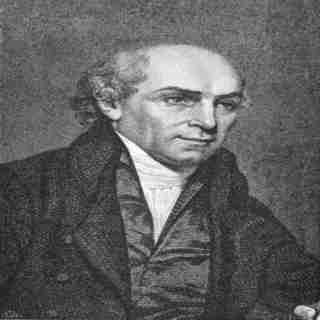 "Expect great things; attempt great things."
At a meeting of Baptist leaders in the late 1700s, a newly ordained minister stood to argue for the value of overseas missions. He was abruptly interrupted by an older minister who said, "Young man, sit down! You are an enthusiast. When God pleases to convert the heathen, he'll do it without consulting you or me."
That such an attitude is inconceivable today is largely due to the subsequent efforts of that young man, William Carey.
Plodder Carey was raised in the obscure, rural village of Paulerpury, in the middle of England. He apprenticed in a local cobbler's shop, where the nominal Anglican was converted. He enthusiastically took up the faith, and though little educated, the young convert borrowed a Greek grammar and proceeded to teach himself New Testament Greek.
When his master died, he took up shoemaking in nearby Hackleton, where he met and married Dorothy Plackett, who soon gave birth to a daughter. But the apprentice cobbler's life was hard—the child died at age 2—and his pay was insufficient. Carey's family sunk into poverty and stayed there even after he took over the business.
"I can plod," he wrote later, "I can persevere to any definite pursuit." All the while, he continued his language studies, adding Hebrew and Latin, and became a preacher with the Particular Baptists. He also continued pursuing his lifelong interest in international affairs, especially the religious life of other cultures.
Carey was impressed with early Moravian missionaries and was increasingly dismayed at his fellow Protestants' lack of missions interest. In response, he penned An Enquiry into the Obligations of Christians to Use Means for the Conversion of the Heathens. He argued that Jesus' Great Commission applied to all Christians of all times, and he castigated fellow believers of his day for ignoring it: "Multitudes sit at ease and give themselves no concern about the far greater part of their fellow sinners, who to this day, are lost in ignorance and idolatry."
Carey didn't stop there: in 1792 he organized a missionary society, and at its inaugural meeting preached a sermon with the call, "Expect great things from God; attempt great things for God!" Within a year, Carey, John Thomas (a former surgeon), and Carey's family (which now included three boys, and another child on the way) were on a ship headed for India.
Stranger in a strange land
Thomas and Carey had grossly underestimated what it would cost to live in India, and Carey's early years there were miserable. When Thomas deserted the enterprise, Carey was forced to move his family repeatedly as he sought employment that could sustain them. Illness racked the family, and loneliness and regret set it: "I am in a strange land," he wrote, "no Christian friend, a large family, and nothing to supply their wants." But he also retained hope: "Well, I have God, and his word is sure."
He learned Bengali with the help of a pundit, and in a few weeks began translating the Bible into Bengali and preaching to small gatherings.
When Carey himself contracted malaria, and then his 5-year-old Peter died of dysentery, it became too much for his wife, Dorothy, whose mental health deteriorated rapidly. She suffered delusions, accusing Carey of adultery and threatening him with a knife. She eventually had to be confined to a room and physically restrained.
"This is indeed the valley of the shadow of death to me," Carey wrote, though characteristically added, "But I rejoice that I am here notwithstanding; and God is here."
Gift of tongues
In October 1799, things finally turned. He was invited to locate in a Danish settlement in Serampore, near Calcutta. He was now under the protection of the Danes, who permitted him to preach legally (in the British-controlled areas of India, all of Carey's missionary work had been illegal).
Carey was joined by William Ward, a printer, and Joshua and Hanna Marshman, teachers. Mission finances increased considerably as Ward began securing government printing contracts, the Marshmans opened schools for children, and Carey began teaching at Fort William College in Calcutta.
In December 1800, after seven years of missionary labor, Carey baptized his first convert, Krishna Pal, and two months later, he published his first Bengali New Testament. With this and subsequent editions, Carey and his colleagues laid the foundation for the study of modern Bengali, which up to this time had been an "unsettled dialect."
Carey continued to expect great things; over the next 28 years, he and his pundits translated the entire Bible into India's major languages: Bengali, Oriya, Marathi, Hindi, Assamese, and Sanskrit and parts of 209 other languages and dialects.
He also sought social reform in India, including the abolition of infanticide, widow burning (sati), and assisted suicide. He and the Marshmans founded Serampore College in 1818, a divinity school for Indians, which today offers theological and liberal arts education for some 2,500 students.
By the time Carey died, he had spent 41 years in India without a furlough. His mission could count only some 700 converts in a nation of millions, but he had laid an impressive foundation of Bible translations, education, and social reform.
His greatest legacy was in the worldwide missionary movement of the nineteenth century that he inspired. Missionaries like Adoniram Judson, Hudson Taylor, and David Livingstone, among thousands of others, were impressed not only by Carey's example, but by his words "Expect great things; attempt great things." The history of nineteenth-century Protestant missions is in many ways an extended commentary on the phrase.
"Expect great things; attempt great things."
At a meeting of Baptist leaders in the late 1700s, a newly ordained minister stood to argue for the value of overseas missions. He was abruptly interrupted by an older minister who said, "Young man, sit down! You are an enthusiast. When God pleases to convert the heathen, he'll do it without consulting you or me."
That such an attitude is inconceivable today is largely due to the subsequent efforts of that young man, William Carey.
Plodder Carey was raised in the obscure, rural village of Paulerpury, in the middle of England. He apprenticed in a local cobbler's shop, where the nominal Anglican was converted. He enthusiastically took up the faith, and though little educated, the young convert borrowed a Greek grammar and proceeded to teach himself New Testament Greek.
When his master died, he took up shoemaking in nearby Hackleton, where he met and married Dorothy Plackett, who soon gave birth to a daughter. But the apprentice cobbler's life was hard—the child died at age 2—and his pay was insufficient. Carey's family sunk into poverty and stayed there even after he took over the business.
"I can plod," he wrote later, "I can persevere to any definite pursuit." All the while, he continued his language studies, adding Hebrew and Latin, and became a preacher with the Particular Baptists. He also continued pursuing his lifelong interest in international affairs, especially the religious life of other cultures.
Carey was impressed with early Moravian missionaries and was increasingly dismayed at his fellow Protestants' lack of missions interest. In response, he penned An Enquiry into the Obligations of Christians to Use Means for the Conversion of the Heathens. He argued that Jesus' Great Commission applied to all Christians of all times, and he castigated fellow believers of his day for ignoring it: "Multitudes sit at ease and give themselves no concern about the far greater part of their fellow sinners, who to this day, are lost in ignorance and idolatry."
Carey didn't stop there: in 1792 he organized a missionary society, and at its inaugural meeting preached a sermon with the call, "Expect great things from God; attempt great things for God!" Within a year, Carey, John Thomas (a former surgeon), and Carey's family (which now included three boys, and another child on the way) were on a ship headed for India.
Stranger in a strange land
Thomas and Carey had grossly underestimated what it would cost to live in India, and Carey's early years there were miserable. When Thomas deserted the enterprise, Carey was forced to move his family repeatedly as he sought employment that could sustain them. Illness racked the family, and loneliness and regret set it: "I am in a strange land," he wrote, "no Christian friend, a large family, and nothing to supply their wants." But he also retained hope: "Well, I have God, and his word is sure."
He learned Bengali with the help of a pundit, and in a few weeks began translating the Bible into Bengali and preaching to small gatherings.
When Carey himself contracted malaria, and then his 5-year-old Peter died of dysentery, it became too much for his wife, Dorothy, whose mental health deteriorated rapidly. She suffered delusions, accusing Carey of adultery and threatening him with a knife. She eventually had to be confined to a room and physically restrained.
"This is indeed the valley of the shadow of death to me," Carey wrote, though characteristically added, "But I rejoice that I am here notwithstanding; and God is here."
Gift of tongues
In October 1799, things finally turned. He was invited to locate in a Danish settlement in Serampore, near Calcutta. He was now under the protection of the Danes, who permitted him to preach legally (in the British-controlled areas of India, all of Carey's missionary work had been illegal).
Carey was joined by William Ward, a printer, and Joshua and Hanna Marshman, teachers. Mission finances increased considerably as Ward began securing government printing contracts, the Marshmans opened schools for children, and Carey began teaching at Fort William College in Calcutta.
In December 1800, after seven years of missionary labor, Carey baptized his first convert, Krishna Pal, and two months later, he published his first Bengali New Testament. With this and subsequent editions, Carey and his colleagues laid the foundation for the study of modern Bengali, which up to this time had been an "unsettled dialect."
Carey continued to expect great things; over the next 28 years, he and his pundits translated the entire Bible into India's major languages: Bengali, Oriya, Marathi, Hindi, Assamese, and Sanskrit and parts of 209 other languages and dialects.
He also sought social reform in India, including the abolition of infanticide, widow burning (sati), and assisted suicide. He and the Marshmans founded Serampore College in 1818, a divinity school for Indians, which today offers theological and liberal arts education for some 2,500 students.
By the time Carey died, he had spent 41 years in India without a furlough. His mission could count only some 700 converts in a nation of millions, but he had laid an impressive foundation of Bible translations, education, and social reform.
His greatest legacy was in the worldwide missionary movement of the nineteenth century that he inspired. Missionaries like Adoniram Judson, Hudson Taylor, and David Livingstone, among thousands of others, were impressed not only by Carey's example, but by his words "Expect great things; attempt great things." The history of nineteenth-century Protestant missions is in many ways an extended commentary on the phrase.
His Delight Is Not in Your Strength
We discover where we really find our strength not when we feel strong, but when we feel weak. Exhaustion and frustration have a way of blowing away the fog, revealing what’s really happening inside of us: Have we been leaning on God for all that we need, or have we made his help, his strength, his guidance a kind of last resort? Many of us are more self-reliant than we would admit, and self-reliance is far more dangerous than it sounds. The widespread delusion, especially among more secular people, is that I can do anything, if I am willing to work hard. I am stronger than I think, strong enough to do anything I want to do in the world. The reality, however, is that the vast majority of us are weaker than we realize — and yet love to think ourselves strong. And that false sense of strength not only intensifies our arrogance and our ineffectiveness, but it also offends our God. His delight is not in the strength of the horse, nor his pleasure in the legs of a man, but the Lord takes pleasure in those who fear him, in those who hope in his steadfast love. (Psalm 147:10–11) Our delight is often in the strength of our legs — our work ethic, our perseverance, our cleverness, our strategies. And that temptation touches every part of life — at work, in ministry, at home — because every part of life in a fallen world requires strength. But God is not pleased by all that we can do — unless we do all that we do in his strength, and not our own. Rejoice in All He Can Do One way to combat a sinful sense of self-sufficiency is to meditate on all that only God can do — all that he can do, that we cannot. Psalm 147 models how to expose and unravel the lies of pride with the strength and authority of God. The psalm says that God alone places each cloud in the sky (Psalm 147:8). He chooses when, where, and how much rain will fall, and he tends every millimeter of every blade of grass. God alone crafts every snowflake that falls, fashions every inch of frost, and decides just how cold it will be (Psalm 147:16–17). Every aspect of our winters is scripted and conducted by him, including precisely when they end (Psalm 147:18). God alone feeds the elephants, the sharks, the squirrels, and even the ants (Psalm 147:9). When newborn birds whimper in hunger, he hears each faint cry. God alone can count every star in the universe (Psalm 147:4) — and not only count them, but decide their number and give them each a name. God alone heals the wounds of the brokenhearted (Psalm 147:3). Very few are ever tempted to think we ourselves could bring rain, make snow, or count the stars, but we might be tempted to think we could heal a broken heart. We might imagine we could compensate for someone’s loss, or talk someone out of despair, or save someone’s marriage. But Psalm 147 says that God is the healing one. God alone makes peace (Psalm 147:14). We cannot achieve real peace — in families or friendships, in a church or a nation — unless God quiets the conflict and awakens harmony. If we think we can achieve peace without God, we have not understood peace, or God. “Great is our Lord, and abundant in power; his understanding is beyond measure” (Psalm 147:5). Our power is small and often failing, but his power is abundant and never exhausted. Our understanding is extremely limited and often flawed, but his understanding is universal and inscrutable. Why would we ever rely on ourselves? Embrace How Little You Can Do Yet we do rely on ourselves. We slip into habits of living, and working, and serving that don’t require him, and sometimes that barely even acknowledge him. Jeremiah’s warning is as sobering in our day as it was in his: “Thus says the Lord: ‘Cursed is the man who trusts in man and makes flesh his strength, whose heart turns away from the Lord’” (Jeremiah 17:5). The man who deep down trusts in himself cannot help but slowly walk away from God. We fight sinful self-sufficiency by glorying in all that God can do, and we fight by learning to embrace just how little we can do apart from him. Jesus says to his disciples, “I am the vine; you are the branches. Whoever abides in me and I in him, he it is that bears much fruit, for apart from me you can do nothing” (John 15:5). Many of us can recite the phrase, and still quietly suspect that he’s really exaggerating. We know we can do something on our own. And if we won’t admit it, our prayer lives betray us. The humble are strong precisely because they know how weak they truly are — and how strong God will be for them. They sing, “My flesh and my heart may fail, but God is the strength of my heart and my portion forever” (Psalm 73:26). They exhort one another, “Finally, be strong in the Lord and in the strength of his might” (Ephesians 6:10). They serve “by the strength that God supplies — in order that in everything God may be glorified through Jesus Christ” (1 Peter 4:11). The humble have experienced what Isaiah promised: “He gives power to the faint, and to him who has no might he increases strength. . . . They who wait for the Lord shall renew their strength; they shall mount up with wings like eagles; they shall run and not be weary; they shall walk and not faint” (Isaiah 40:29–31). By embracing their weakness, they found vast reservoirs of strength, strength enough to run and even fly. Weakness Welcomes Strength The apostle Paul knew how weak he was and where to find true strength. When he pleaded with God to remove the thorn that plagued him, God said, “My grace is sufficient for you, for my power is made perfect in weakness” (2 Corinthians 12:9). Why would God, in infinite, fatherly love for Paul, not spare him the pain and inconvenience of this weakness? Because our weakness welcomes the gracious strength and intervention of God. Weakness welcomes grace. When we feel strong, we are not prone to rely on the grace and strength of God. We often begin to experience, and even enjoy, the delusion that we are strong. We forget God, and our need for him. But when we feel our weakness, we more fully experience reality — and we remember our tremendous, continual need for him. The intensity of our thorns unearths the depths of his grace and mercy. Without them, we would only play in the wading pools of grace, instead of exploring the endless storehouses God fills and keeps for us. As Paul says earlier in the same letter, “We have this treasure in jars of clay, to show that the surpassing power belongs to God and not to us” (2 Corinthians 4:7). If you look strong in your own strength, very few will wonder how you are so strong. But if people watch you walk through intense or persistent weakness and adversity, with strength and faith and even joy, then God will look unmistakably strong in you. So, to the extent that you are weak, to that extent will you magnify the awesome height of his power and love. We Have Done Nothing We often learn to rely on our own strength because we want the recognition and respect of others. We want to be known as strong, not utterly weak; as independent, not deeply dependent; as self-sufficient, not uncomfortably needy. We want to be the achievers and creators, the healers and the heroes. But as J.I. Packer says, If we think of ourselves or others as achievers, creators, reformers, innovators, movers and shakers, healers, educators, benefactors of society in any way at all, we are at the deepest level kidding ourselves. We have nothing and have never had anything that we have not received, nor have we done anything good apart from God who did it through us. (Praying, 147) The happiest, strongest, most meaningfully productive people have embraced, and even rejoiced, in that reality: We have done nothing good apart from God who did it through us. “Blessed are those whose strength is in you, in whose heart are the highways to Zion” (Psalm 84:5). They have been liberated from self-sufficiency, and now run, work, create, and serve in the happy fields of their utter dependence on God. Article by Marshall Segal