

Others like twelve tribes of israel Features >>
-160.webp)
The Myth Of The Twelve Tribes Of Israel (New Identities Across Time And Space)
Twelve Extraordinary Women
The Life Of Bunyan, The Pilgrim's Progress And Christiana
-160.webp)
Church History (From Christ To Pre-Reformation)

Born A Crime

Becoming
John Newton - Life

The Untold Story Of A Young Billy Graham
Testimonies To The Church, Vol 1
.epub-160.webp)
Daughter Of Destiny: Kathryn Kuhlman
About the Book
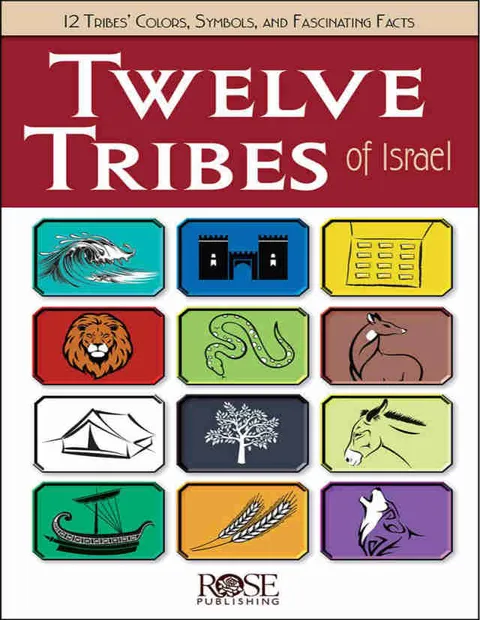
The book "Twelve Tribes of Israel" by Rose Publishing provides a detailed overview of each of the twelve tribes of Israel, their history, characteristics, blessings, and significance in the Bible. The book explores the origins of the tribes, their roles in ancient Israel, and their eventual dispersal throughout history. Additionally, the book highlights the spiritual lessons that can be gleaned from each tribe's story.
Aimee Semple McPherson
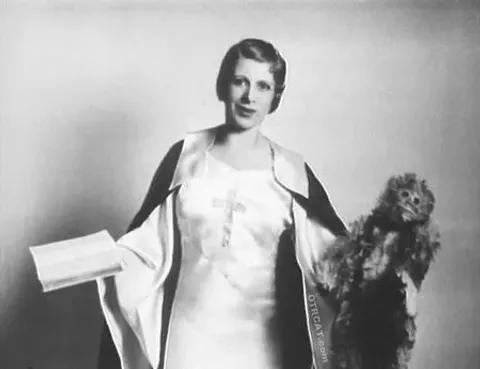 Aimee Semple McPherson was born on Oct. 9, 1890, on a farm in Salford Ontario, Canada. Her father, James Kennedy, was a farmer and came from a Methodist background. Her mother, Mildred, known as “Millie,” came from a Salvation Army background.
Although she was raised in a Christian home, she began to question the Bible during her teen years.
When she was 17, she attended a revival Pentecostal meeting presented by evangelist Robert Semple, where she heard the message of repentance. He also spoke of baptism in the Holy Spirit, an experience for which she hungered. After receiving the infilling of the Holy Spirit, she also was filled with a great love and compassion for souls and a fervent passion to serve the Lord throughout her whole life.
The meeting Aimee attended changed her life not only spiritually but also romantically. The evangelist Robert Semple later become Aimee’s husband. They were married when she was 18. Their ministry desires were compatible. After their ministry trips in Chicago and the Ingersoll area, they headed to China as missionaries.
In 1910 while in China, Robert and Aimee contracted Malaria within months of arriving in Hong Kong. Robert didn’t survive, leaving Aimee pregnant and a widow at 19. When her daughter, Roberta Star, was a month old, Aimee returned to United States to raise her. Aimee and Roberta lived in New York with Aimee’s mother.
She assisted her mother raising money for the Salvation Army. It was there she met and married a Christian businessman named Harold McPherson. They had a son, Rolf Kennedy McPherson. After a decline in health, two major surgeries and a near-death experience, God asked her one last time, “Now, will you go?” She answered yes to God’s call and almost immediately was healed. She never again questioned the call to preach the gospel.
Aimee is known for founding the Foursquare Gospel Church in 1918. She also was a woman ahead of her time, possessing boldness in her speaking ability and creative ways to communicate the gospel.
The name Foursquare Gospel originated from the Book of Ezekiel. It represents the four phases of the gospel of Jesus Christ. In the face of the Man, she saw Jesus our Saviour. In the face of the lion, she saw Jesus the mighty Baptiser with the Holy Spirit and fire. In the face of the ox, she saw Jesus the Great Burden Bearer. In the face of an eagle, she saw Jesus the coming King, who will return in power and glory. It was, in Aimee’s opinion, “a perfect gospel. A complete gospel for body, for spirit and for eternity.”
Her ministry was dynamic. She witnessed thousands saved and healed during her evangelistic meetings. Being creative and theatrical, Aimee used drama, music and opera to appeal to the audience. Bands, choirs and other crowd-pleasing touches enhanced her dynamic preaching. Though she was well-versed in the Bible, Aimee’s success wasn’t based on her knowledge, but rather the delivery of her messages.
She also was known as a faith healer, with claims of physical healing occurring during her meetings. Her faith healing demonstrations were written about extensively in the media, as they were a large focus of her early ministry. Aimee was an evangelistic pioneer, determined to spread the message of the Pentecostal faith, and used her fervour and flamboyance to win a huge following.
She had achieved what no one had yet done in ministry, which was to build a 5,000-seat auditorium in an influential area of Los Angeles. This paved the way for other female evangelists during a time when women were not accepted in the pulpit. She also launched the first Christian radio station and established a Bible college. By 1917, she had started her own magazine The Bridal Call, for which she wrote many articles about women’s roles in religion; she portrayed the link between Christians and Jesus as a marriage bond.
Jan. 1, 1923, the new Angelus Temple was opened in a flamboyant style. Aimee was seated on a red velvet throne dressed in a nurse’s uniform and cape. Accompanying her were 200 singers, three bands, two orchestras and six quartets. The Angelus Temple was featured on a float in Pasadena’s Tournament of Roses parade, while the extravagant dedication service was given full coverage in The New York Times. What became the home of The Church of the Foursquare Gospel filled four times each Sunday and twice weekly. Aimee also ministered at highly sought-after healing services during the week.
Reporters marveled at her oral skills, saying, “Never did I hear such language from a human being. Without one moment’s intermission, she would talk from an hour to an hour and a half, holding her audience spellbound.” Rather than using fire-and-brimstone preaching, Aimee resorted to a style of joyous celebration, representing the loving face of God.
She also brought old-time religion into the modern age, using illustrated sermons to help people understand the gospel better. Also, stage productions were incorporated, drawing people who usual didn’t attend church. In an era prior to television, these services proved entertaining, and she used this method to present the message of salvation through faith in Jesus.
Aimee welcomed all walks of life. She preached to the high class of society, as well as the poor and disadvantaged. She treated everyone equally regardless of race, gender or status.
In the 1920s, Aimee became a well-known voice among civic leaders, politicians, actors and actresses, and pastors from various denominations. Her sermons were reprinted in hundreds of newspapers in Canada, the United States and Mexico and were read by millions. In 1927, she opened a commissary to feed the marginalized and supply them with clothing and other necessities. Aimee set up a 24/7 soup kitchen at her temple in 1936 to help families through the Great Depression .She also became involved with war bond rallies and linked religion to patriotism in her sermons when America joined the Second World War in 1941.
Aimee’s legacy is threefold. Using the dramatic arts to reach the lost (an innovative tool) and the latest technology to spread the gospel. She reached out to the poor, helping thousands in the Los Angeles area who were starving. She taught a full-gospel message and regularly saw thousands of healings and miracles in her meetings.
Aimee passed away due to an accidental overdose in 1944 and was buried in Forest Lawn Memorial Park Cemetery in California. Her son, Rolf, has kept her memory and ministry alive by carrying the ministry for 40 four years. The Foursquare church is still standing strong with 8 million members worldwide.
Aimee Semple McPherson was born on Oct. 9, 1890, on a farm in Salford Ontario, Canada. Her father, James Kennedy, was a farmer and came from a Methodist background. Her mother, Mildred, known as “Millie,” came from a Salvation Army background.
Although she was raised in a Christian home, she began to question the Bible during her teen years.
When she was 17, she attended a revival Pentecostal meeting presented by evangelist Robert Semple, where she heard the message of repentance. He also spoke of baptism in the Holy Spirit, an experience for which she hungered. After receiving the infilling of the Holy Spirit, she also was filled with a great love and compassion for souls and a fervent passion to serve the Lord throughout her whole life.
The meeting Aimee attended changed her life not only spiritually but also romantically. The evangelist Robert Semple later become Aimee’s husband. They were married when she was 18. Their ministry desires were compatible. After their ministry trips in Chicago and the Ingersoll area, they headed to China as missionaries.
In 1910 while in China, Robert and Aimee contracted Malaria within months of arriving in Hong Kong. Robert didn’t survive, leaving Aimee pregnant and a widow at 19. When her daughter, Roberta Star, was a month old, Aimee returned to United States to raise her. Aimee and Roberta lived in New York with Aimee’s mother.
She assisted her mother raising money for the Salvation Army. It was there she met and married a Christian businessman named Harold McPherson. They had a son, Rolf Kennedy McPherson. After a decline in health, two major surgeries and a near-death experience, God asked her one last time, “Now, will you go?” She answered yes to God’s call and almost immediately was healed. She never again questioned the call to preach the gospel.
Aimee is known for founding the Foursquare Gospel Church in 1918. She also was a woman ahead of her time, possessing boldness in her speaking ability and creative ways to communicate the gospel.
The name Foursquare Gospel originated from the Book of Ezekiel. It represents the four phases of the gospel of Jesus Christ. In the face of the Man, she saw Jesus our Saviour. In the face of the lion, she saw Jesus the mighty Baptiser with the Holy Spirit and fire. In the face of the ox, she saw Jesus the Great Burden Bearer. In the face of an eagle, she saw Jesus the coming King, who will return in power and glory. It was, in Aimee’s opinion, “a perfect gospel. A complete gospel for body, for spirit and for eternity.”
Her ministry was dynamic. She witnessed thousands saved and healed during her evangelistic meetings. Being creative and theatrical, Aimee used drama, music and opera to appeal to the audience. Bands, choirs and other crowd-pleasing touches enhanced her dynamic preaching. Though she was well-versed in the Bible, Aimee’s success wasn’t based on her knowledge, but rather the delivery of her messages.
She also was known as a faith healer, with claims of physical healing occurring during her meetings. Her faith healing demonstrations were written about extensively in the media, as they were a large focus of her early ministry. Aimee was an evangelistic pioneer, determined to spread the message of the Pentecostal faith, and used her fervour and flamboyance to win a huge following.
She had achieved what no one had yet done in ministry, which was to build a 5,000-seat auditorium in an influential area of Los Angeles. This paved the way for other female evangelists during a time when women were not accepted in the pulpit. She also launched the first Christian radio station and established a Bible college. By 1917, she had started her own magazine The Bridal Call, for which she wrote many articles about women’s roles in religion; she portrayed the link between Christians and Jesus as a marriage bond.
Jan. 1, 1923, the new Angelus Temple was opened in a flamboyant style. Aimee was seated on a red velvet throne dressed in a nurse’s uniform and cape. Accompanying her were 200 singers, three bands, two orchestras and six quartets. The Angelus Temple was featured on a float in Pasadena’s Tournament of Roses parade, while the extravagant dedication service was given full coverage in The New York Times. What became the home of The Church of the Foursquare Gospel filled four times each Sunday and twice weekly. Aimee also ministered at highly sought-after healing services during the week.
Reporters marveled at her oral skills, saying, “Never did I hear such language from a human being. Without one moment’s intermission, she would talk from an hour to an hour and a half, holding her audience spellbound.” Rather than using fire-and-brimstone preaching, Aimee resorted to a style of joyous celebration, representing the loving face of God.
She also brought old-time religion into the modern age, using illustrated sermons to help people understand the gospel better. Also, stage productions were incorporated, drawing people who usual didn’t attend church. In an era prior to television, these services proved entertaining, and she used this method to present the message of salvation through faith in Jesus.
Aimee welcomed all walks of life. She preached to the high class of society, as well as the poor and disadvantaged. She treated everyone equally regardless of race, gender or status.
In the 1920s, Aimee became a well-known voice among civic leaders, politicians, actors and actresses, and pastors from various denominations. Her sermons were reprinted in hundreds of newspapers in Canada, the United States and Mexico and were read by millions. In 1927, she opened a commissary to feed the marginalized and supply them with clothing and other necessities. Aimee set up a 24/7 soup kitchen at her temple in 1936 to help families through the Great Depression .She also became involved with war bond rallies and linked religion to patriotism in her sermons when America joined the Second World War in 1941.
Aimee’s legacy is threefold. Using the dramatic arts to reach the lost (an innovative tool) and the latest technology to spread the gospel. She reached out to the poor, helping thousands in the Los Angeles area who were starving. She taught a full-gospel message and regularly saw thousands of healings and miracles in her meetings.
Aimee passed away due to an accidental overdose in 1944 and was buried in Forest Lawn Memorial Park Cemetery in California. Her son, Rolf, has kept her memory and ministry alive by carrying the ministry for 40 four years. The Foursquare church is still standing strong with 8 million members worldwide.
to men who want to marry - how to prepare to lead well
A few months into our marriage, it dawned on me: I was unprepared, as though I had studied for the wrong exam. Before our wedding, I had thought daily devotions, church and small group, and premarital counseling would sufficiently prepare me to be a godly husband. They did not. After a short season of bliss, we began to struggle and argue. So much, in fact, that our counselor literally sat between us and warned us we were in danger of fulfilling Galatians 5:15: “If you bite and devour one another, watch out that you are not consumed by one another.” My lack of preparation showed up in other ways too. I didn’t understand how to lead my wife spiritually, bring up hard conversations, or help us reconcile after an argument. My status as a seminary student and pastoral intern added layers of shame. Worst of all, I had no idea how to make our marriage better. I now know that we were not alone in our experience. My wife and I have walked with many Christian women who are deeply frustrated by the relative lack of marriage-ready Christian men, as well as with many Christian men who either don’t know they need to prepare or have no idea how. If I could go back and give my younger, not-yet-married self some advice, I’d tell him men need a good plan as they prepare for marriage. More specifically, I’d tell him to pursue God above all else and work on growing as a leader, provider, and protector. Pursue God Above All Else Preparing well for marriage begins with regular encounters with God — seeing him in Scripture for who he is in all his glory, greatness, and grace. No matter how many times we’ve read through the Bible, we need to be continually captivated by God again and again. “Great is the Lord, and greatly to be praised, and his greatness is unsearchable” (Psalm 145:3). Similarly, the apostle Paul urges us to follow his example and “count everything as loss because of the surpassing worth of knowing Christ Jesus my Lord” (Philippians 3:8). “Preparing well for marriage begins with regular encounters with God.” As C.S. Lewis famously phrased it, God invites us to “come further up and further in.” An ever-expanding view of God is worth more than a million tips and hacks for marriage. Most of us, however, have had the experience of reading our Bibles and feeling cold and unmoved. Therefore, we meditate on the Bible, slowing down to think about and pray over what we read. When we do, God often brings a new sweetness to our souls. As Psalm 1:2 says, “His delight is in the law of the Lord, and on his law he meditates day and night.” In our distracted age, meditation will be a battle. But we can strive to read our Bibles during our best discretionary time, the time when we are most rested and unhurried. For many of us, this will be first thing in the morning. Before you begin reading, ask God to make something glorious stand out to you. “Open my eyes, that I may behold wondrous things out of your law” (Psalm 119:18). When he answers that prayer, slow down and feast. Lead, Provide, and Protect Preparing well for marriage begins with pursuing God, but it certainly doesn’t end there. Pursuing God provides the strength and fuel men need to keep growing into God’s calling as leaders, providers, and protectors. “Pursuing God provides the strength and fuel men need to keep growing into God’s calling.” God clearly calls men, not just husbands, to these kinds of responsibilities in Scripture. While marriage radically narrows and heightens the responsibilities of leading, providing, and protecting, it does not create them. Before Eve’s creation or the fall, God established Adam as a leader by creating him first, as a provider by commanding him to “work and keep” the garden (Genesis 2:15), and as a protector by commanding him to avoid the tree of the knowledge of good and evil (Genesis 2:17). Every man can practice and grow into these callings now, even before he gets married. In particular, the church is an especially good place for a young man to cultivate the kind of responsibility and initiative that will be required of him in marriage. So what are ways for single men to learn to lead, provide, and protect within the church? 1. Grow As a Leader As a husband, a man will be tasked with sacrificially leading his wife (Ephesians 5:22). God will call him to become the kind of Christlike leader a godly woman can follow wholeheartedly, even as the church follows Christ. Paul says, “The husband is the head of the wife even as Christ is the head of the church, his body, and is himself its Savior” (Ephesians 5:23). Practically, men can grow into this kind of sacrificial leadership by cultivating humble initiative. As both Lion and Lamb (Revelation 5:5–6), Jesus embodies both strength and humility. While Christian men are being renewed, we are still drawn toward arrogant initiative (like Joab in 2 Samuel 3:26–27) or selfish passivity (like Adam in Genesis 3:6). With the help of others, we can see our own particular tendencies, repent, and seek grace to grow in concrete ways. For instance, a man characterized by pride might invite trusted friends to plainly point out selfishness they observe. A man who leans toward selfish passivity might take the initiative to greet people sitting alone at church, rather than merely moving toward those he already knows. 2. Grow As a Provider As a husband, a man will be called to another form of leadership: primary provision for his family. Paul makes this plain in Ephesians 5:28–29: “In the same way husbands should love their wives as their own bodies. He who loves his wife loves himself. For no one ever hated his own flesh, but nourishes and cherishes it, just as Christ does the church.” Just as a man provides for his own needs, God calls him to provide for his wife. This does not mean the husband will be the home’s only breadwinner, or even that he will necessarily earn more than his wife. It simply means he will take ultimate responsibility to ensure his family’s physical and spiritual needs are met. Unmarried men can begin applying this by working hard for the right reasons (Proverbs 14:23; Colossians 3:23–24). Are we essentially working to fund hobbies, experiences, and vacations? Or, believing God has called us to meaningful work, are we actively, tangibly using it to love him and others? 3. Grow As a Protector In marriage, God calls men to accept danger, as necessary, to protect their wives, a third critical dimension of a husband’s calling. Jesus set the ultimate example for men by giving up his life on the cross for his bride’s sanctification (Ephesians 5:25), thereby protecting us from God’s eternal judgment (John 3:36). This does not mean men are fearless or more courageous than their wives. Instead, it involves a willingness, like Jesus in Gethsemane (Luke 22:40), to protect others even if we’re afraid ourselves. Christian men will not need to search very far for opportunities to practice protection. We are surrounded by injustice and people at risk. It’s easy — like the Levite and priest in the Parable of the Good Samaritan (Luke 10:25–37) — to look the other way, but godly men learn to step in. One man I know, for example, keeps granola bars in his car for homeless people, and looks for opportunities to serve and engage them. You might also take the risk to speak up on behalf of others who are being slandered or treated unfairly because of their Christian beliefs. More than that, however, godly men understand protecting others from an eternity without Christ is the greatest service they can render. Such spiritual protection requires a deep belief in God ourselves, and a willingness to accept resistance when we speak the truth in love — as, for example, when we gently warn non-Christian friends of their spiritual danger (1 Peter 3:15) or confront other Christians about their sin (Matthew 18:15–17). Find a Husband to Follow While seeking God first and leaning into his callings for us as men is critical, it’s immensely helpful to find a godly married man to disciple you (1 Corinthians 11:1; 2 Timothy 2:2). Proactively find someone you admire who’s willing to be transparent, and ask to spend time with him and his family. Ask him what he’s learned from the successes and failures in his marriage, and consider how you might incorporate those lessons even now. As men, all of us are called to run hard after Christ (Philippians 3:8–12), regardless of whether we marry one day. But as we pursue Christ and grow as leaders, providers, and protectors, we will be more prepared to date — and ultimately, marry — a godly woman, if God wills.
-480.webp)
-480.webp)