
Others like top performance Features >>
-160.webp)
Attitude Is Everything: 10 Life-Changing Steps To Turning Attitude Into Action
Atomic Habits: An Easy & Proven Way To Build Good Habits & Break Bad Ones
50 Mindful Steps To Self Esteem

Know Your Limits -- Then Ignore Them

Time Management
Counselling Skills And Theory

Cure For The Common Life

Who Switched Off My Brain: Controlling Toxic Thoughts And Emotions
The Essential Guide To Leadership
About the Book
"Top Performance" by Zig Ziglar is a guide to achieving success and excellence in various aspects of life, such as personal growth, relationships, and career. The book offers practical tips, strategies, and motivational insights to help readers reach their full potential and perform at their best.
Warren Wiersbe
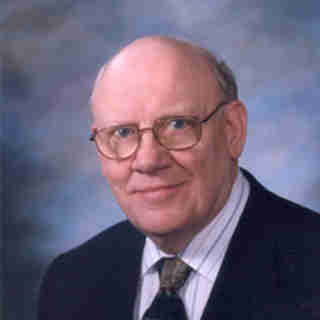 Dr. Warren Wiersbe once described Heaven as “not only a destination, but also a motivation. When you and I are truly motivated by the promise of eternity with God in heaven, it makes a difference in our lives.”
For Wiersbe, the promise of eternity became the motivation for his long ministry as a pastor, author, and radio speaker. Beloved for his biblical insight and practical teaching, he was called “one of the greatest Bible expositors of our generation” by the late Billy Graham.
Warren W. Wiersbe died on May 2, 2019, in Lincoln, Nebraska, just a few weeks shy of his 90th birthday.
“He was a longtime, cherished friend of Moody Bible Institute, a faithful servant of the Word, and a pastor to younger pastors like me,” said Dr. Mark Jobe, president of Moody Bible Institute. “We are lifting up pastor Wiersbe’s family in prayer at this time and rejoicing in the blessed hope that believers share together.”
Wiersbe grew up in East Chicago, Indiana, a town known for its steel mills and hard-working blue-collar families. In his autobiography, he connected some of his earliest childhood memories to Moody Bible Institute; his home church pastor was a 1937 graduate, Dr. William H. Taylor. After volunteering to usher at a 1945 Youth for Christ rally, Wiersbe found himself listening with rapt attention to Billy Graham’s sermon, and responded with a personal prayer of dedication.
In a precocious turn of events, the young Wiersbe was already a published author, having written a book of card tricks for the L. L. Ireland Magic Co. of Chicago. He quickly learned to liven up Sunday school lessons with magic tricks as object lessons (“not the cards!” he would say). After his high school graduation in 1947 (he was valedictorian), he spent a year at Indiana University before transferring to Northern Baptist Seminary in Chicago, where he earned a bachelor of theology degree. His future wife, Betty, worked in the school library, and Wiersbe was a frequent visitor.
While in seminary he became pastor of Central Baptist Church in East Chicago, serving until 1957. During those years he became a popular YFC speaker, which led to a full-time position with Youth for Christ International in Wheaton. He published his first article for Moody Monthly magazine in 1956, about Bible study methods, and seemed to outline his ongoing writing philosophy. “This is more of a personal testimony,” he said, “because I want to share these blessings with you, rather than write some scholarly essay, which I am sure I could not do anyway.”
At a 1957 YFC convention in Winona Lake, Indiana, Wiersbe preached a sermon that was broadcast live over WMBI, his first connection to Moody Radio. “I wish every preacher could have at least six months’ experience as a radio preacher,” he said later (because they would preach shorter).
While working with Youth for Christ, Wiersbe got a call from Pete Gunther at Moody Publishers, asking about possible book projects. First came Byways of Blessing (1961), an adult devotional; then two more books in 1962, A Guidebook for Teens and Teens Triumphant. He would eventually publish 14 titles with Moody, including William Culbertson: A Man of God (1974), Live Like a King (1976), The Annotated Pilgrim’s Progress (1980), and Ministering to the Mourning (2006), written with his son, David Wiersbe.
In 1961, D. B. Eastep invited Wiersbe to join the staff of Calvary Baptist Church in Covington, Kentucky. forming a succession plan that was hastened by Eastep’s sudden death in 1962. Warren and Betty Wiersbe remained at the church for 10 years, until they were surprised by a phone call from The Moody Church. The pastor, Dr. George Sweeting, had just resigned to become president of Moody Bible Institute. Would Wiersbe fill the pulpit, and pray about becoming a candidate?
He was already well known to the Chicago church—and to the MBI community. He continued to write for Moody Monthly and had just started a new column, “Insights for the Pastor.” The monthly feature continued to run during the years Wiersbe served at The Moody Church. Wiersbe would become one of the magazine’s most prolific writers—200 articles during a 40-year span. Meanwhile he also started work on the BE series of exegetical commentaries, books that soon found a place on the shelf of every evangelical pastor.
His ministry to pastors continued as he spoke at Moody Founder’s Week, Pastors’ Conference, and numerous campus events. He also inherited George Sweeting’s role as host of the popular Songs in the Night radio broadcast, produced by Moody Radio’s Bob Neff and distributed on Moody’s growing network of radio stations.
Later in life he would move to Lincoln, Nebraska, where he served as host of the Back to the Bible radio broadcast. He also taught courses on preaching at Trinity Evangelical Divinity School and Grand Rapids Baptist Seminary. He kept writing, eventually publishing more than 150 books and losing track of how many (“I can’t remember them all, and I didn’t save copies of everything,” he said.)
Throughout his ministry, Warren Wiersbe described himself as a bridge builder, a reference to his homiletical method of moving “from the world of the Bible to the world of today so that we could get to the other side of glory in Jesus.” As explained by his grandson, Dan Jacobson, “His preferred tools were words, his blueprints were the Scriptures, and his workspace was a self-assembled library.”
Several of Wiersbe’s extended family are Moody alums, including a son, David Wiersbe ’76; grandson Dan Jacobsen ’09 and his wife, Kristin (Shirk) Jacobsen ’09; and great-nephew Ryan Smith, a current student.
During his long ministry and writing career, Warren Wiersbe covered pretty much every topic, including the inevitability of death. These words from Ministering to the Mourning offer a fitting tribute to his own ministry:
We who are in Christ know that if He returns before our time comes to die, we shall be privileged to follow Him home. God’s people are always encouraged by that blessed hope. Yet we must still live each day soberly, realizing that we are mortal and that death may come to us at any time. We pray, “Teach us to number our days aright, that we may gain a heart of wisdom” (Psalm 90:12).
Dr. Warren Wiersbe once described Heaven as “not only a destination, but also a motivation. When you and I are truly motivated by the promise of eternity with God in heaven, it makes a difference in our lives.”
For Wiersbe, the promise of eternity became the motivation for his long ministry as a pastor, author, and radio speaker. Beloved for his biblical insight and practical teaching, he was called “one of the greatest Bible expositors of our generation” by the late Billy Graham.
Warren W. Wiersbe died on May 2, 2019, in Lincoln, Nebraska, just a few weeks shy of his 90th birthday.
“He was a longtime, cherished friend of Moody Bible Institute, a faithful servant of the Word, and a pastor to younger pastors like me,” said Dr. Mark Jobe, president of Moody Bible Institute. “We are lifting up pastor Wiersbe’s family in prayer at this time and rejoicing in the blessed hope that believers share together.”
Wiersbe grew up in East Chicago, Indiana, a town known for its steel mills and hard-working blue-collar families. In his autobiography, he connected some of his earliest childhood memories to Moody Bible Institute; his home church pastor was a 1937 graduate, Dr. William H. Taylor. After volunteering to usher at a 1945 Youth for Christ rally, Wiersbe found himself listening with rapt attention to Billy Graham’s sermon, and responded with a personal prayer of dedication.
In a precocious turn of events, the young Wiersbe was already a published author, having written a book of card tricks for the L. L. Ireland Magic Co. of Chicago. He quickly learned to liven up Sunday school lessons with magic tricks as object lessons (“not the cards!” he would say). After his high school graduation in 1947 (he was valedictorian), he spent a year at Indiana University before transferring to Northern Baptist Seminary in Chicago, where he earned a bachelor of theology degree. His future wife, Betty, worked in the school library, and Wiersbe was a frequent visitor.
While in seminary he became pastor of Central Baptist Church in East Chicago, serving until 1957. During those years he became a popular YFC speaker, which led to a full-time position with Youth for Christ International in Wheaton. He published his first article for Moody Monthly magazine in 1956, about Bible study methods, and seemed to outline his ongoing writing philosophy. “This is more of a personal testimony,” he said, “because I want to share these blessings with you, rather than write some scholarly essay, which I am sure I could not do anyway.”
At a 1957 YFC convention in Winona Lake, Indiana, Wiersbe preached a sermon that was broadcast live over WMBI, his first connection to Moody Radio. “I wish every preacher could have at least six months’ experience as a radio preacher,” he said later (because they would preach shorter).
While working with Youth for Christ, Wiersbe got a call from Pete Gunther at Moody Publishers, asking about possible book projects. First came Byways of Blessing (1961), an adult devotional; then two more books in 1962, A Guidebook for Teens and Teens Triumphant. He would eventually publish 14 titles with Moody, including William Culbertson: A Man of God (1974), Live Like a King (1976), The Annotated Pilgrim’s Progress (1980), and Ministering to the Mourning (2006), written with his son, David Wiersbe.
In 1961, D. B. Eastep invited Wiersbe to join the staff of Calvary Baptist Church in Covington, Kentucky. forming a succession plan that was hastened by Eastep’s sudden death in 1962. Warren and Betty Wiersbe remained at the church for 10 years, until they were surprised by a phone call from The Moody Church. The pastor, Dr. George Sweeting, had just resigned to become president of Moody Bible Institute. Would Wiersbe fill the pulpit, and pray about becoming a candidate?
He was already well known to the Chicago church—and to the MBI community. He continued to write for Moody Monthly and had just started a new column, “Insights for the Pastor.” The monthly feature continued to run during the years Wiersbe served at The Moody Church. Wiersbe would become one of the magazine’s most prolific writers—200 articles during a 40-year span. Meanwhile he also started work on the BE series of exegetical commentaries, books that soon found a place on the shelf of every evangelical pastor.
His ministry to pastors continued as he spoke at Moody Founder’s Week, Pastors’ Conference, and numerous campus events. He also inherited George Sweeting’s role as host of the popular Songs in the Night radio broadcast, produced by Moody Radio’s Bob Neff and distributed on Moody’s growing network of radio stations.
Later in life he would move to Lincoln, Nebraska, where he served as host of the Back to the Bible radio broadcast. He also taught courses on preaching at Trinity Evangelical Divinity School and Grand Rapids Baptist Seminary. He kept writing, eventually publishing more than 150 books and losing track of how many (“I can’t remember them all, and I didn’t save copies of everything,” he said.)
Throughout his ministry, Warren Wiersbe described himself as a bridge builder, a reference to his homiletical method of moving “from the world of the Bible to the world of today so that we could get to the other side of glory in Jesus.” As explained by his grandson, Dan Jacobson, “His preferred tools were words, his blueprints were the Scriptures, and his workspace was a self-assembled library.”
Several of Wiersbe’s extended family are Moody alums, including a son, David Wiersbe ’76; grandson Dan Jacobsen ’09 and his wife, Kristin (Shirk) Jacobsen ’09; and great-nephew Ryan Smith, a current student.
During his long ministry and writing career, Warren Wiersbe covered pretty much every topic, including the inevitability of death. These words from Ministering to the Mourning offer a fitting tribute to his own ministry:
We who are in Christ know that if He returns before our time comes to die, we shall be privileged to follow Him home. God’s people are always encouraged by that blessed hope. Yet we must still live each day soberly, realizing that we are mortal and that death may come to us at any time. We pray, “Teach us to number our days aright, that we may gain a heart of wisdom” (Psalm 90:12).
the only certain hope on earth
“It is the hope that kills you,” as many English football (soccer) fans say. Is it not better to have low expectations instead of hoping your team will do well, only to see those hopes dashed in sometimes cruel ways? The world has an idea of hope that sees it as an optimistic expectation that something good may happen in this life or, for the religious, the life to come. People cannot help but hope; it is part of our DNA as humans. We hope for good health, a good marriage, good weather, or an enjoyable holiday. Many even hope for a better life after the life they have lived on earth, which explains why so many claim that loved ones (including animals) are “smiling down” upon them after their death. Much of the hope that is found in the world lacks promise and certainty, which is like building a house on sand. Christian hope is very different from worldly hope. Christian hope is a Spirit-given virtue enabling us to joyfully expect what God has promised through Jesus Christ. It is, therefore, thoroughly Trinitarian. Height of Our Hope Christian hope looks to God because he is “the God of hope” (Romans 15:13). Because of the resurrection of Christ, Peter says that our “faith and hope are in God” (1 Peter 1:21). The degree to which we find God desirable and excellent will be the same to which hope plays a role in our lives. Our view of God will affect the hope we possess. A small god begets a small hope; but knowing God and Christ (John 17:3), which is eternal life, is ground for possessing a hope that bursts forth in our souls on a daily basis. The psalmist describes the blessed person as the one “whose help is the God of Jacob, whose hope is in the Lord his God” (Psalm 146:5). Consider the words of Thomas Aquinas on this: Wherefore the good which we ought to hope for from God properly and chiefly is the infinite good, which is proportionate to the power of our divine helper, since it belongs to an infinite power to lead anyone to an infinite good. Such a good is eternal life, which consists in the enjoyment of God Himself. For we should hope from Him for nothing less than Himself, since His goodness, whereby He imparts good things to His creature, is no less than His essence . Therefore the proper and principal object of hope is eternal happiness. ( Summa Theologica , II-II.17.2) In short, Aquinas is saying that our joy is connected to our hope, which is connected to our Savior, which is connected to our God. Christian hope exists only when we hope in the God and Father of our Lord Jesus Christ (1 Peter 1:13). The height of our hope is God himself. Certain as God’s Promises Certain conditions characterize biblical hope: it must be good, it must be in the future, it involves some degree of difficulty (for example, patient suffering), and it must be founded on God’s promises. Those who persevere, by faith, shall attain what we hope for: the sight of our Savior (Titus 2:13). “Christian hope is a Spirit-given virtue enabling us to joyfully expect what God has promised through Jesus Christ.” This hope of the blessed vision of Christ is based not only upon the fact that we know he will return, but also on the knowledge that God dwells in us. This explains Paul’s language in Romans 15:13, “May the God of hope fill you with all joy and peace in believing, so that by the power of the Holy Spirit you may abound in hope.” Hope arises from not only objective promises, but also an internal “pull” toward God and Christ by his Spirit. Thus, Christian hope is not about probable hope or about mere conjecture concerning things future, but about great certainty. Faith, Hope, and Love Faith in God through Christ by the Spirit gives rise to Christian hope. Faith and hope bear an intimate relation to one another (Romans 4:18–21; 5:2; 15:13; Galatians 5:5; Ephesians 1:18–19; Colossians 1:23; 1 Timothy 4:10; Hebrews 11:1; 1 Peter 1:21). Faith is the foundation of hope, so that hope without faith is no hope at all. We believe God in order to hope in what we believe. But faith also returns to hope to give it courage to persevere. If faith apprehends God’s promises, hope expects what he promises. In times of trouble, despair, and suffering, faith and hope feed on God and his promises. The difference between faith and hope is not easy to discern. Simply put, faith believes, but hope waits patiently. (Yet there is an aspect whereby faith also requires patience.) God is the object of hope, as it specifically focuses on his goodness to us in Christ. Faith not only looks to God but also trembles at his threatenings (when appropriate). Hope remains free of such fear. Faith and love can relate to a present or future object, but hope looks to the future alone. And of course, faith and hope also bear an intimate relation to love. If hope relates to faith in terms of our expectations, hope relates to love in terms of our desire. Love requires desire, so the more we desire the good, the more we will love it. Equally, hope requires desire. The more we desire what is promised, the more we hope for it. Since faith focuses on Christ, hope will always be present where there is true faith. And since faith focuses on Christ, love will always accompany faith and hope because God and Christ are the object of faith and hope — how can we not love the one we believe has saved us and promised so much for the future? Thus, faith, hope, and love give expression to our Christian life (1 Corinthians 13:13; Colossians 1:4). Hope That Purifies The life of hope yields many benefits to the Christian, such as the expectation of eternal life (Titus 1:2; 3:7), salvation (1 Thessalonians 5:8), heaven (Colossians 1:5), the resurrection (Acts 23:6), the gospel (Colossians 1:23), God’s calling (Ephesians 1:18; 4:4), and our inheritance (Ephesians 1:18). But there is also a “duty” bound up with hope, namely, purification of our souls: “Everyone who thus hopes in him purifies himself as he is pure” (1 John 3:3). This command follows one of the greatest promises of Christian hope: “Beloved, we are God’s children now, and what we will be has not yet appeared; but we know that when he appears we shall be like him, because we shall see him as he is” (1 John 3:2). Those who have the hope of being made like Christ in body and soul must also have the present desire to be pure . While in sanctification the accent is often on what God does, here in 1 John 3:3 the accent is on what we do. Christians, if they embrace a hope of seeing Christ face to face, are to purify themselves. In other words, hope has a moral effect. The pursuit of purity arises out of our possession of hope. Hope gives birth to sanctification; and as we are sanctified, we hope even more because we get closer to God. Besides John, Peter also makes this point. He speaks of the future promise of the new heavens and new earth to his readers (2 Peter 3:13), and then reasons, “Therefore, beloved, since you are waiting for these, be diligent to be found by [God] without spot or blemish, and at peace” (2 Peter 3:14). “Our joy is connected to our hope, which is connected to our Savior, which is connected to our God.” Likewise, Paul writes, “Since we have these promises, beloved, let us cleanse ourselves from every defilement of body and spirit, bringing holiness to completion in the fear of God” (2 Corinthians 7:1). The promises Paul speaks of include our adoption as sons and daughters, wherein God makes his dwelling and walks among us (2 Corinthians 6:16, 18). These promises are, of course, realized in this life, but they also await a type of consummation that we can all look forward to (see Romans 8:23). Christian hope has present realities, one of which includes our sanctification. In this matter, our faith clings ever so tightly to our hope, as we seek to be holy as God is holy. Hope Unlike the World’s In the church today, we have underemphasized the future motivation (our Christian hope) for how to live the sanctified life. As with the Lord’s Supper, we do not only look back to Christ’s death but also look now to the risen Christ and forward to the future blessings that await us. This is the purification of the truly hopeful. Our hope is unlike the world’s. The world’s hope is often vague, uncertain, a wish thrust up at the stars. But Christian hope is solid, certain, future, and cleansing. It lasts as long as the eternal God lives, and stands as tall as he stands. He is our hope, for apart from him, no such thing exists (Ephesians 2:13).