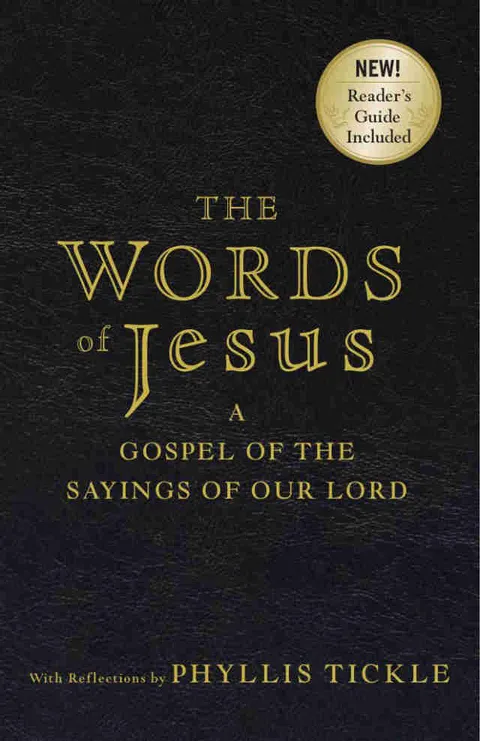

The Words Of Jesus: A Gospel Of The Sayings Of Our Lord With Reflections Order Printed Copy
- Author: Phyllis Tickle
- Size: 2.73MB | 257 pages
- |
Others like the words of jesus: a gospel of the sayings of our lord with reflections Features >>

The Songs Of Jesus

Stories Of Great Gospel Hymns
The Days Of His Presence
Experiencing The Words Of Jesus

A Word Of Wisdom In Due Season

The Christian's Secret Of A Happy Life

Words Of Wisdom: A Life-Changing Journey Through Psalms And Proverbs
The Seven Words Of Our Lord On The Cross
Hungry For More Of Jesus
-160.webp)
The Ministry Of The Psalmist (Music Ministry)
About the Book
"The Words of Jesus" is a compilation of the sayings of Jesus from the Gospels, accompanied by reflections and insights from author Phyllis Tickle. The book serves as a guide to understanding and internalizing the teachings of Jesus, offering readers a deeper connection to their faith and a closer relationship with God.
Maria Woodworth-Etter
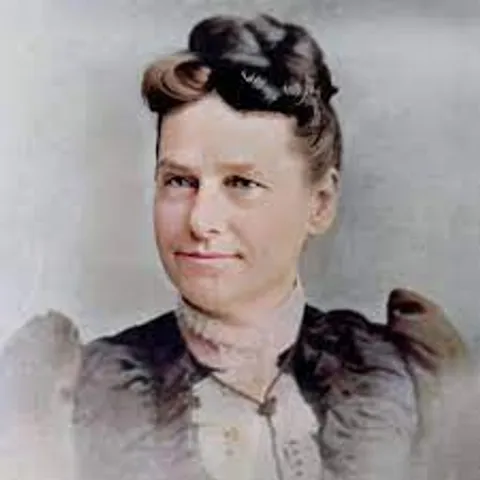 Maria Woodworth-Etter’s Early life
Maria’s early life was plagued with tragedies. Her father died of sunstroke when she was 11 years old leaving her mother with eight children to provide for. She married at 16 but fought a continual battle with ill-health, losing five of her six children. During her sickness she had visions of children in heaven and the lost suffering in hell.
She promised God, that if He would heal her, she would serve Him completely. She asked God for same apostolic power He gave the disciples and was gloriously baptized in the Holy Spirit. “It felt like liquid fire, and there were angels all around.”
The call to preach
Despite her personal struggles with ‘women in ministry’ and the prevailent hostile attitudes to female preachers, she felt compelled by God to accept the invitation to preach in the United Brethren in Christ (Friends) in 1876 and later associated with the Methodist Holiness church.
Evangelism with signs and wonders
Though simply evangelistic in the early days she was unusually successful and in 1885 supernatural signs began to accompany her ministry. Her ministry resurrected dead churches, brought salvation to thousands of unconverted and encouraged believers to seek a deeper walk with God.
She descibes one of her meetings
She described an 1883 meeting in Fairview, Ohio: “I felt impressed God was going to restore love and harmony in the church..… All present came to the altar, made a full consecration, and prayed for a baptism of the Holy Ghost and fire. That night it came. Fifteen same to the altar screaming for mercy.
Men and women fell and lay like dead. I felt it was the work of God, but did not know how to explain it or what to say. I was a little frightened . . . after lying for two hours all, one after another, sprang to their feet as quick as a flash with shining faces and shouted all over the house. I had never seen such bright conversions or such shouting….
The ministers and old saints wept and praised the Lord …..they said it was the Pentecost power, that the Lord was visiting them in great mercy and power …..(they) experienced visions of heaven and hell, collapsed on the floor as if they’d been shot or had died.” Subsequently, thousands were healed of a wide variety of sicknesses and diseases and many believers, even ministers, received mighty baptisms of the Holy Spirit. She soon became a national phenomenon.
1,000 seater tent
In 1889, she purchased a tent that could seat eight thousand people and set it up in Oakland, California. “The power of God was over all the congregation; and around in the city of Oakland. The Holy Ghost would fall on the people while we were preaching. The multitude would be held still, like as though death was in their midst.
Many of the most intelligent and best dressed men would fall back in their seats, with their hands held up to God. being held under the mighty power of God. Men and women fell, all over the tent, like trees in a storm; some would have visions of God. Most all of them came out shouting the praises of God.”
She declared that if 19th-century believers would meet God’s conditions, as the 120 did on the Day of Pentecost, they would have the same results. “A mighty revival would break out that would shake the world, and thousands of souls would be saved. The displays of God’s power on the Day of Pentecost were only a sample of what God designed should follow through the ages. Instead of looking back to Pentecost, let us always be expecting it to come, especially in these days.”
Her views of Pentecostalism
Initially she had grave concerns about the burgeoning Pentecostal movement, mainly because of some unbalanced teaching and reported extremism. Soon she came to believe it was an authentic move of the Holy Spirit and was enthusiastically welcomed within its ranks. She became both a model and a mentor for the fledgling movement. This association elicited another wave of revival between 1912 and her death in 1924 as she ministered throughout the country and her books were read across the world.
Etter Tabenacle
In 1918, she built Etter Tabernacle as her home church base and affiliated with the Assemblies of God. In her closing years she still ministered with a powerful anointing despite struggling with gastritis and dropsy. On occasion she would be carried to the podium, preach with extraordinary power, then be carried home again!
Her demise
Her health continued to decline and she died on September 16, 1924. She is buried in a grave in Indianapolis next to her daughter and son-in-law. Her inscription reads “Thou showest unto thousands lovingkindness.”
In conclusion
Without doubt Maria Woodworth-Etter was an amazing woman blessed with an astonishing ministry. Rev. Stanley Smith – one of the famous “Cambridge Seven” and for many years a worker with “The China Inland Mission” wrote this about her autobiography:
“I cannot let this opportunity go by without again bringing to the notice of my readers, ‘Acts of the Holy Ghost,’ or ‘Life and Experiences of Mrs. M. B. Woodworth-Etter.’ It is a book I value next to the Bible. In special seasons of waiting on God I have found it helpful to have the New Testament on one side of me and Mrs. Etter’s book on the other; this latter is a present-day record of ‘the Acts’ multiplied.
Mrs. Etter is a woman who has had a ministry of healing since 1885, her call as an evangelist being some years previous to this. I venture to think that this ministry is unparalleled in the history of the Church, for which I give all the glory to the Lord Jesus Christ, as Mrs. Etter would, I know, wish me to do. This ministry should be made known, for the glory of the Triune God and the good of believers.”
We agree and pray that such an anointing will rest upon God’s end-time people so that ‘this Gospel of the Kingdom will be preached in all the world before the end comes!’ Matthew 24:14
Tony Cauchi
Maria Woodworth-Etter’s Early life
Maria’s early life was plagued with tragedies. Her father died of sunstroke when she was 11 years old leaving her mother with eight children to provide for. She married at 16 but fought a continual battle with ill-health, losing five of her six children. During her sickness she had visions of children in heaven and the lost suffering in hell.
She promised God, that if He would heal her, she would serve Him completely. She asked God for same apostolic power He gave the disciples and was gloriously baptized in the Holy Spirit. “It felt like liquid fire, and there were angels all around.”
The call to preach
Despite her personal struggles with ‘women in ministry’ and the prevailent hostile attitudes to female preachers, she felt compelled by God to accept the invitation to preach in the United Brethren in Christ (Friends) in 1876 and later associated with the Methodist Holiness church.
Evangelism with signs and wonders
Though simply evangelistic in the early days she was unusually successful and in 1885 supernatural signs began to accompany her ministry. Her ministry resurrected dead churches, brought salvation to thousands of unconverted and encouraged believers to seek a deeper walk with God.
She descibes one of her meetings
She described an 1883 meeting in Fairview, Ohio: “I felt impressed God was going to restore love and harmony in the church..… All present came to the altar, made a full consecration, and prayed for a baptism of the Holy Ghost and fire. That night it came. Fifteen same to the altar screaming for mercy.
Men and women fell and lay like dead. I felt it was the work of God, but did not know how to explain it or what to say. I was a little frightened . . . after lying for two hours all, one after another, sprang to their feet as quick as a flash with shining faces and shouted all over the house. I had never seen such bright conversions or such shouting….
The ministers and old saints wept and praised the Lord …..they said it was the Pentecost power, that the Lord was visiting them in great mercy and power …..(they) experienced visions of heaven and hell, collapsed on the floor as if they’d been shot or had died.” Subsequently, thousands were healed of a wide variety of sicknesses and diseases and many believers, even ministers, received mighty baptisms of the Holy Spirit. She soon became a national phenomenon.
1,000 seater tent
In 1889, she purchased a tent that could seat eight thousand people and set it up in Oakland, California. “The power of God was over all the congregation; and around in the city of Oakland. The Holy Ghost would fall on the people while we were preaching. The multitude would be held still, like as though death was in their midst.
Many of the most intelligent and best dressed men would fall back in their seats, with their hands held up to God. being held under the mighty power of God. Men and women fell, all over the tent, like trees in a storm; some would have visions of God. Most all of them came out shouting the praises of God.”
She declared that if 19th-century believers would meet God’s conditions, as the 120 did on the Day of Pentecost, they would have the same results. “A mighty revival would break out that would shake the world, and thousands of souls would be saved. The displays of God’s power on the Day of Pentecost were only a sample of what God designed should follow through the ages. Instead of looking back to Pentecost, let us always be expecting it to come, especially in these days.”
Her views of Pentecostalism
Initially she had grave concerns about the burgeoning Pentecostal movement, mainly because of some unbalanced teaching and reported extremism. Soon she came to believe it was an authentic move of the Holy Spirit and was enthusiastically welcomed within its ranks. She became both a model and a mentor for the fledgling movement. This association elicited another wave of revival between 1912 and her death in 1924 as she ministered throughout the country and her books were read across the world.
Etter Tabenacle
In 1918, she built Etter Tabernacle as her home church base and affiliated with the Assemblies of God. In her closing years she still ministered with a powerful anointing despite struggling with gastritis and dropsy. On occasion she would be carried to the podium, preach with extraordinary power, then be carried home again!
Her demise
Her health continued to decline and she died on September 16, 1924. She is buried in a grave in Indianapolis next to her daughter and son-in-law. Her inscription reads “Thou showest unto thousands lovingkindness.”
In conclusion
Without doubt Maria Woodworth-Etter was an amazing woman blessed with an astonishing ministry. Rev. Stanley Smith – one of the famous “Cambridge Seven” and for many years a worker with “The China Inland Mission” wrote this about her autobiography:
“I cannot let this opportunity go by without again bringing to the notice of my readers, ‘Acts of the Holy Ghost,’ or ‘Life and Experiences of Mrs. M. B. Woodworth-Etter.’ It is a book I value next to the Bible. In special seasons of waiting on God I have found it helpful to have the New Testament on one side of me and Mrs. Etter’s book on the other; this latter is a present-day record of ‘the Acts’ multiplied.
Mrs. Etter is a woman who has had a ministry of healing since 1885, her call as an evangelist being some years previous to this. I venture to think that this ministry is unparalleled in the history of the Church, for which I give all the glory to the Lord Jesus Christ, as Mrs. Etter would, I know, wish me to do. This ministry should be made known, for the glory of the Triune God and the good of believers.”
We agree and pray that such an anointing will rest upon God’s end-time people so that ‘this Gospel of the Kingdom will be preached in all the world before the end comes!’ Matthew 24:14
Tony Cauchi
the mouth of a godly man
What if men in the church are more immature and less equipped because we’ve been expecting too little of them? What if we have simply failed to call them to more than sexual purity online and basic spiritual disciplines? I want to be a part of raising up men who, instead of merely avoiding this or that sin, become a force for good — better, a force for God . And I want to be that kind of man, the kind of man my son should imitate. When the apostle Paul wrote to a younger man, casting vision for what he might become in Christ, he charged him, “Let no one despise you for your youth, but set the believers an example in speech, in conduct, in love, in faith, in purity” (1 Timothy 4:12). In a previous article, I began recovering this simple but challenging framework as a paradigm for becoming a man of God. In this article, I want to narrow in on speech . What does it mean, more practically, to set an example in what a man says (or doesn’t say)? What about our words sets us apart from other men? Words really do matter. Jesus himself says, “I tell you, on the day of judgment people will give account for every careless word they speak, for by your words you will be justified, and by your words you will be condemned” (Matthew 12:36–37). Every careless word . Men of God learn to trade careless words for thoughtful ones. While many today speak, text, and tweet whatever they think or feel without a second thought, these men weigh the serious weight of what they say. They speak as if God is listening, because he is. And they know that what they say reveals who they are (Luke 6:45). They tremble over the consequences of sentences. They work to make their words a deeper and fuller well of grace. Seven Lessons for What We Say Wanting to set an example with our speech, what kind of example should we set? What does a man of God sound like in the wild? The letters of Paul say a great deal about what we say, distilled below into seven lessons (a list that is by no means comprehensive). Before we get into the seven, though, one verse in particular might serve as a worthy banner over the rest: Let your speech always be gracious, seasoned with salt, so that you may know how you ought to answer each person. (Colossians 4:6) If we want to set a good example in our speech, we should strive for our words to be a grace to others. Do our words consistently and effectively minister the grace of God to those who hear? Do they lead them to see and savor more of God? “Let no corrupting talk come out of your mouths,” Paul says elsewhere, “but only such as is good for building up, as fits the occasion, that it may give grace to those who hear ” (Ephesians 4:29). To fill out that graciousness, though, Paul gives us a number of specific principles for guarding our mouths and serving others in all we say. 1. Tell the truth about God. The first and most important lesson for our speech, especially in the context of Paul’s two letters to Timothy, is that we speak what is true about God and his word. The clear and immediate context of 1 Timothy 4:12 is teaching : Command and teach these things . Let no one despise you for your youth, but set the believers an example in speech, in conduct, in love, in faith, in purity. Until I come, devote yourself to the public reading of Scripture, to exhortation, to teaching . (1 Timothy 4:11–13; see also Titus 2:7) Paul was writing to a young pastor, but this is not a word only for pastors (or aspiring pastors). Every man of God should aspire to know and teach what is true about God. What you believe and say about God is one of the most important things about you. Men who speak well in the world are men who first listen well to God in his word. “Men who speak well in the world are men who first listen well to God in his word.” Strive to know him as thoroughly and deeply as you can — to meditate on his law day and night (Psalm 1:1–2) — and to bear a faithful witness to others of who he really is. Day after day, arm yourself with “the sword of the Spirit, which is the word of God” (Ephesians 6:17). Prepare yourself to “make a defense to anyone who asks you for a reason for the hope that is in you” (1 Peter 3:15). And then boldly tell others what God has revealed to you. 2. Tell the truth about everything. Telling the truth about God, however, ultimately means telling the truth about everything . Christian men are honest men — men of unquestionable integrity. That emphatically does not mean they are always right, but they are manifestly committed to being true . Having put away falsehood, let each one of you speak the truth with his neighbor, for we are members one of another. (Ephesians 4:25; see also Colossians 3:9) Men of God do not fabricate or repeat lies, and they do not hide or obscure the truth. They take responsibility and accept the consequences, even when it costs them much. And being honest will cost us much. Typically, we lie to protect or serve ourselves (even if it’s serving ourselves by making someone else happy). Godly men know that honesty, however painful and costly in the moment, honors Christ and loves others. They know that peace and pleasure built on deceit are really treachery. They also know, and have tasted personally, the durable peace and pleasure of Spirit-filled integrity. 3. Build others up with your words. One thread in Paul’s letters proves to be an especially useful test for our speech: Do I use my words to build others up? The apostle writes, Speaking the truth in love , we are to grow up in every way into him who is the head, into Christ, from whom the whole body, joined and held together by every joint with which it is equipped, when each part is working properly, makes the body grow so that it builds itself up in love . (Ephesians 4:15–16; see also 4:12) As you think about your conversations over the last week, do you see a pattern of building other believers up? Consider not just the absence of tearing others down — anger, cynicism, gossip, impatience, slander, and so on — but the presence of encouragement. And not just nice compliments, but real encouragement — words that build others’ faith and joy in God (Philippians 1:25). Building is hard work, and so building language is not always comfortable or easy to hear, but it is always constructive and hopeful. So, “strive to excel in building up the church” (1 Corinthians 14:12), especially in what you say. 4. Avoid all foolishness and filthiness. If we do not make a habit of building others up with our words, we may fall into tearing them down — discouraging, wounding, even corrupting them. Again, Ephesians 4:29: “ Let no corrupting talk come out of your mouths , but only such as is good for building up, as fits the occasion, that it may give grace to those who hear.” Some words build up, and others corrupt. So what kind of language corrupts? Paul gives the same charge in greater detail in Colossians 3:8: “Now you must put them all away: anger, wrath, malice, slander, and obscene talk from your mouth.” And in Ephesians 5:4: “Let there be no filthiness nor foolish talk nor crude joking, which are out of place.” Social media is overrun — like that overgrown, weed-infested yard down the street — with these word sins. If we live online long enough, our senses will be dulled and corruption will begin to feel normal, acceptable, even justified. It is not normal, and it does not please God. Setting a godly example in speech often begins with refusing to indulge these temptations — to cut out words that gratify our flesh at the expense of someone else. 5. Be unusually thankful. Setting an example begins with emptying our speech of corruption, and the best way to force corruption out is to fill our speech with something else. “Let there be no filthiness nor foolish talk nor crude joking, which are out of place, but instead let there be thanksgiving ” (Ephesians 5:4). Do you want your words to radiate grace? Thank God often, and out loud, for everything. Make sure that everyone in your life knows that everything you have is a gift of God (James 1:17). Strive to be unusually, stubbornly, even a little socially awkwardly thankful (Colossians 2:7). How often do you meet someone who sounds like this? “Be filled with the Spirit, addressing one another in psalms and hymns and spiritual songs, singing and making melody to the Lord with your heart, giving thanks always and for everything to God the Father in the name of our Lord Jesus Christ” (Ephesians 5:18–20). How often have you tried to discipline your own mouth into grace-giving, joy-stirring streams like these? How much more often, like me, have you fallen out of thanksgiving into grumbling? “Sometimes faithfulness sounds like silence.” “Do all things without grumbling or disputing,” Paul says elsewhere, “that you may be blameless and innocent, children of God without blemish in the midst of a crooked and twisted generation, among whom you shine as lights in the world ” (Philippians 2:14–15). This light shines in what we say (or don’t). Ask God to make you radiantly thankful. 6. Correct with gentleness. Men of God committed to building others up do not always affirm and applaud. They know that building requires vigilance and regular correction, that mistakes along the way can have devastating consequences later on. So, as we build the church, we can’t afford to allow sins, errors, and blind spots to go unchecked and unconfronted. To honor God in our speech, men of God must correct one another. And it is just as important how we correct one another. “Brothers, if anyone is caught in any transgression, you who are spiritual should restore him in a spirit of gentleness ” (Galatians 6:1). “The Lord’s servant . . . [corrects] his opponents with gentleness ” (2 Timothy 2:24–25). He could use his strength, like many other men, to be forceful, harsh, even brutal, but he chooses, instead, to be gentle — even when he has been sinned against. Instead of using his strength to overpower others, he uses his strength to restrain himself in love. He still confronts sin, but he does so with surprising patience and kindness. He knows that “a gentle tongue is a tree of life” (Proverbs 15:4). Part of pursuing godliness in speech and correcting with gentleness is being committed to making peace. “I appeal to you, brothers, by the name of our Lord Jesus Christ, that all of you agree, and that there be no divisions among you, but that you be united in the same mind and the same judgment” (1 Corinthians 1:10; see also Titus 3:2). “Blessed are the peacemakers,” Jesus promises, “for they shall be called sons of God” (Matthew 5:9). In the midst of correction and conflict, even when we have to say a hard word, we should be fighting for peace — not a cheap or superficial peace, but a deep, healthy, enduring peace in the Lord. 7. Leave behind boasting in self. Another dominant thread in the apostle’s letters seems to be all the more relevant today: Those captured by grace leave behind all boasting in self. “God chose what is low and despised in the world . . . so that no human being might boast in the presence of God” (1 Corinthians 1:28–29). Men of God are known for building others up, and for being surprisingly quiet about their own abilities, achievements, and ministry. Good men don’t go around reminding people of how good they are. They live by the proverb, “Let another praise you, and not your own mouth” (Proverbs 27:2). Again, in our day, social media factors in significantly here. A social media profile gives us an opportunity to present ourselves however we want. And painfully few of us, when given the choice, show the world who we really are. We choose to highlight what we think makes us look good. We selectively post and comment based on what reflects well on us. In that way, social media easily becomes an education in self-boasting. We learn, through trial and error (and lots and lots of scrolling), what will win affirmation ( like ) and admiration ( follow ). “Let the one who boasts, boast in the Lord” (1 Corinthians 1:31; 2 Corinthians 10:17). Humble, faithful, joy-filled speech boasts less and less in self and more and more in God. Lord, Guard Our Mouths One lesson weaves in and out of the points above that’s worth calling out on its own. Godly men not only know what to say at certain times and in certain situations, but they also know when to say less, or nothing at all. Sometimes faithfulness sounds like silence. As Paul’s fellow apostle James writes, “Know this, my beloved brothers: let every person be quick to hear, slow to speak , slow to anger” (James 1:19). Men who speak well are consistently slow to speak, especially in situations where most people would rush to say something. What makes a wise man slow to speak? He knows the amazing power of his words, for better or for worse. “How great a forest is set ablaze by such a small fire! And the tongue is a fire, a world of unrighteousness” (James 3:5–6). The wise feel the palpable danger in what they might say. They know how subtly sin creeps in and sets everything (and everyone) on fire. “When words are many, transgression is not lacking, but whoever restrains his lips is prudent” (Proverbs 10:19). Prudence makes friends with self-control, patience, and wise silence. Slowness to speak, however, does not make our speech godly. Yes, we resist saying too much too soon, but we also fill our mouths with words of grace — with honesty, with encouragement, with thankfulness, with whatever will build others up. We set a positive, proactive, gracious example, always asking God to watch over all we say. Set a guard, O Lord, over my mouth; keep watch over the door of my lips! (Psalm 141:3)