
GIP Library icon

LOG IN TO REVIEW
About the Book


"The Root of the Righteous" by A.W. Tozer explores the importance of cultivating a deep relationship with God and seeking His righteousness above all else. The book emphasizes the necessity of genuine faith, humility, and spiritual discipline in order to grow and bear fruit as a follower of Christ. Through his insightful and thought-provoking writing, Tozer challenges readers to prioritize their spiritual growth and seek a deeper connection with God.

Jeanne Guyon
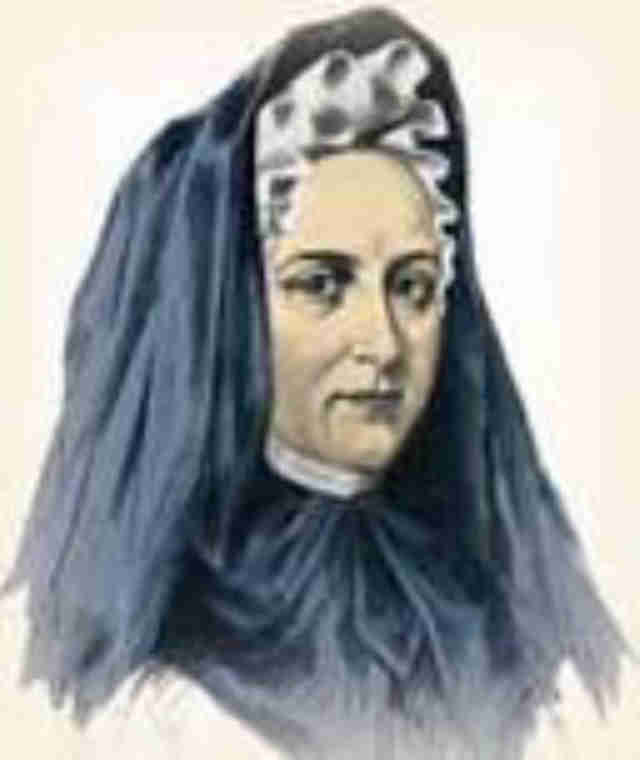
Jeanne Guyon All I had enjoyed before was only a peace, a gift of God, but now I received and possessed the God of peace." It was on July 22, 1680, that Madame Jeanne-Marie Guyon experienced a flood of joy. She believed that God revealed his presence within her and altered her completely. As she described it, "A readiness for doing good was restored to me, greater than ever. It seemed to me all quite free and natural..." In her autobiography she added wryly, "If one may judge of a good by the trouble which precedes it, I leave mine to be judged of by the sorrows I had undergone before my attaining it." This included the deaths of two of her children from smallpox and a wretched marriage. Jeanne-Marie Bouvier was married to Jacques Guyon when she was just sixteen. She had wanted to be a nun, but her parents forbade it. Her twelve years of marriage proved unhappy. Both her husband and mother-in-law harassed her. Consequently, Jeanne-Marie withdrew into prayer. Her husband and mother-in-law did everything in their power to keep her from devotions, even setting one of her own sons as a spy over her; but all they succeeded in doing was to drive her to prayer in the wee hours of the morning when everyone else was asleep. The years of marital misery ended with Jacques' death. At 28, Jeanne-Marie was a widow, free to chart her own course of action. However, she had lost all appetite for spiritual things. She continued to do right, but only from a dreary sense of obligation. It was after several years of this new misery that she experienced God's glorious filling with peace. Now she saw herself as an apostle, bound to share with others the secrets of deeper spiritual life. She became influential at the French court. Her disciples in the palace lived lives of such purity that they stood out in contrast to the greed and sexual debauchery of the majority. Archbishop Fran�ois Fenelon became her close friend. But at court, Madame Guyon's writings came under attack. She asked that they be submitted to the church for examination. Bishop Bossuet condemned them. He demanded that Fenelon do the same. Fenelon refused. He owed much of his own spiritual development to Jeanne's influence. He compiled The Maxims of the Saints, which showed that saints of all eras held views similar to Guyon's. Under pressure from King Louis XIV, the pope censured Fenelon's book. Madame Guyon went to prison. Madame Guyon still divides people. Modern critics say that Jeanne-Marie used self-hypnosis to achieve her "spiritual" states and trances and point out that she used "automatic writing" which suggests spiritualist practice. But among some Protestants in Northern Europe and some Methodists in America, her mysticism is highly regarded. Years later, Madame Guyon insisted that the joy she found on this day still remained with her. "When Jesus Christ, the eternal wisdom, is formed in the soul, after the death of the first Adam, it finds in Him all good things communicated to it.

The Book of Life

Before the night he was betrayed, The Lord of glory died; Indeed before the world was made, The Lamb was crucified. Before the sin, the spear, the lash (Eternal was the flood!) God put his inkwell at the gash, And filled it with his blood; Then with his crimson ink and quill, A holy world compiled, And wrote his kind and costly will: The name of ev’ry child. Then, finally, with tears, he took A blade to foreordain, And graved the title of the book: The Life, the Lamb, the Slain. * * * And if your name is written there, Though you may be the least, You will not fall to any snare, Nor bow before the Beast. You will not marvel when it roars, Nor any feat admire, Nor drink the poison that it pours, Nor taste the Lake of Fire. But you will live forevermore, Where dusk and dawn are done. The Lamb will be the moon, and soar Around an endless Sun. And if, lamblike, you taste his shame And finish life abased, Remember, written one, your name Will never be erased. * * * And so you ask, “How may I know My name is in the Book? May I beseech my God to show The page where I may look?” No. None may peer within by prayer, Nor if he wait, or strive. You know your name is written there, Because you are alive. Rejoice, my child, all heaven sings When you make demons fall. And yet to be inscribed with kings In heav'n surpasses all. Article by John Piper

Feedback
Suggestionsuggestion box
x