
Others like the possibilities of prayer Features >>
The Life Of Prayer
The Power Of Persistent Prayer
-160.webp)
The Circle Maker. Dream Big. Pray Hard. Think Long
The Greatest Power In The World
The Essentials Of Prayer
The Power Of A Praying Life
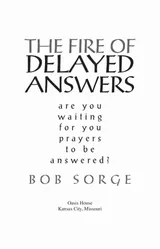
The Fire Of Delayed Answers
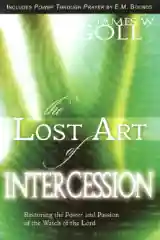
The Lost Art Of Intercession
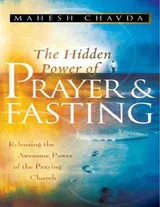
The Hidden Power Of Prayer And Fasting
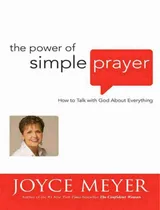
The Power Of Simple Prayer
About the Book
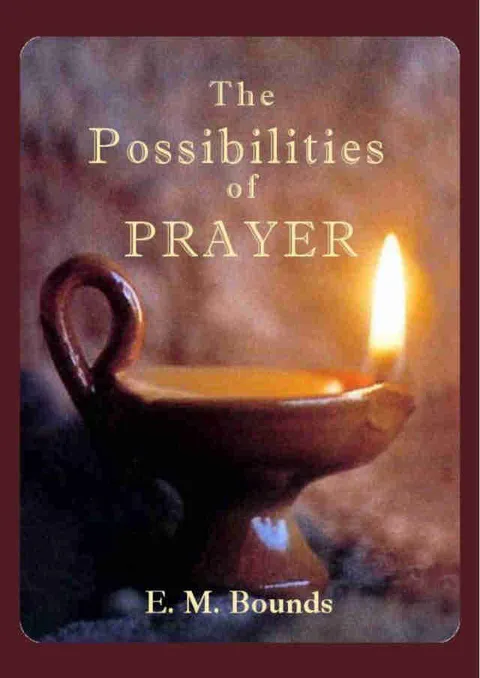
"The Possibilities of Prayer" by E. M. Bounds explores the power and importance of prayer in a Christian's life. Bounds emphasizes the limitless potential of prayer and the transformative impact it can have on individuals and communities. Through examples, anecdotes, and biblical teachings, the book encourages readers to deepen their prayer life and experience the miraculous results that can come from faithful and earnest prayer.
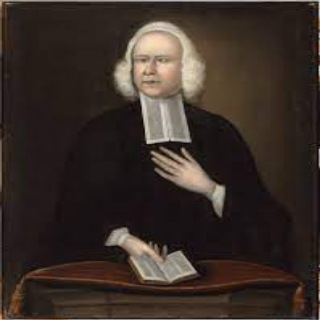
George Whitefield
was my life better back then
Our family serves in the Himalayan mountains, with the desire to see the church spread and flourish far into the unengaged villages confettied on these snowy peaks. The people here, as you might imagine, have a grit that I haven’t inherited from my suburban childhood. Wrinkled shepherds lead their goats to menacing heights with learned ease. If you peek inside a brightly painted cement home, you might see a woman browning onions over a fire, her daughter wringing out clothes, and her toddler sleeping to the buzz of cartoons. I’ve always dreamed of this sort of a place. As a middle-schooler, I read Jesus Freaks aloud to the kids at my art table, and when playing Would You Rather on the topic of death, I would argue that martyrdom is the best way to go out. If I could have seen the place where I would raise my children, I would have thought all of my dreams had come true. What I didn’t expect was that life here would feel like a meat-tenderizer to the heart. I didn’t see the grief coming in like a tidal wave. I’m learning a language that puts me in situations where I’m exposed and embarrassed. We are always the ones asking questions and bending our preferences to better serve those around us. Homeschooling five kids and cooking food from scratch doesn’t make me feel like Wonder Woman, but just very, very tired. How was I to know how sharp the sting of this calling would be, the pain of dying daily? I have formed a bad habit when I’m hurting. When too many guests come for chai and my character is as robust as the brown apple core in my toddler’s sticky grip, I exit mentally. I cherry-pick a golden memory and think how those were the days . Imagined Land of Yesteryear The past is a commonplace to run for escape. Isn’t the entire world wishing for life to go back to normal, before COVID reared its ugly head? How often do we pine after the freedoms of life before kids, only to ache for that noisy house a decade later? Don’t we wish relationships could morph back to what they had been before the argument? If only time could rewind the consuming cancer, the regretted affair, and the old age from surprising us. When the call to live in the present feels like cruelty, dealt out by God’s own hand, we can drown in self-pity and enter an ugly world. A world based on our memories of the past, but altered. Everything was right back then. Such good old days are often talked about in passing, and most people agree how much better it would be if only we could return. We don’t realize the damage at stake in allowing our brains and hearts to live in this imagined land of yesteryear. “We don’t realize the damage at stake in allowing our brains and hearts to live in this imagined land of yesteryear.” The worst part in exchanging the present for the past is that we can make ourselves gods. We become interpreters of what’s good and what’s not. We don’t lean on the Lord’s providence, but think we know what we need. We remember ourselves ten pounds thinner and everyone a lot happier than they truly were. We are most deceived about ourselves, the memories usually a highlight reel of us at our prime. Running Somewhere Maybe you aren’t tempted to live in the past like me. But Luke 15 makes a good case that all of us are running somewhere when the present feels difficult to swallow. Here are two sons discontent at home. When life isn’t what they want, the younger son runs to another country to feed his appetite for pleasure (Luke 15:11–13). Meanwhile, the older brother stays physically near his dad, but his heart is far from home (Luke 15:28–32). Where are we running when life is not what we want it to be? Perhaps we seek success, to create a comfortable home, or to be thought well of in our workplace and church. If we seek escape in these places, as I have in memories of the past, we won’t like where we end up. Life away from the Father is empty. Like a popped balloon, joy whooshes out and we are left limp, deflated. The sons’ attempts of finding life elsewhere leave them homeless and toiling like slaves (Luke 15:14–16, 29). Even if we have a lifetime of sermons in our head, do we live what we claim to know? If we did, how could we ever run from someone so ready to love us, who waits with unparalleled patience and pursues us wherever we are, however painful the present moment? God wants us home with him. So much so that he left perfection for a world writhing in pain. He took on the violence of hell so that his children wouldn’t have to. Home Among the Thistles Maybe we are at a crossroads. Perhaps, like myself, your shoes are well-traveled. You’ve also formed bad habits in order to escape the places where life hurts the most. You’ve called God names and aren’t certain you can live with the one who ordained life’s present pain. Look again at Luke 15 and dare to believe this is your story, too. The house is alive with music, and the table is set. You smell meat roasting in herbs and touch the silk of the slippers placed on your feet. See your Father run to embrace you. Hear his laughter that fills your heart with a happiness you were born to enjoy. “We can make our home among the thistles because God promises to be there too.” Or hear the father’s words to his older child: “Son, you are always with me, and all that is mine is yours” (Luke 15:31). These words are for us, right now. Do we believe it? If so, we can make our home among the thistles because he promises to be there too. He will never, ever leave us. And because we have his promised nearness, all that is his is now laid before us as a feast. Every spiritual blessing is at our fingertips when we live at home in our Father (Ephesians 1:3). Especially when our circumstances are January gray, he’s waiting for us to see the rainbow of his love. Black-Edged Envelopes Charles Spurgeon once testified, The worst days I have ever had have turned out to be my best days, and when God has seemed most cruel to me, he has then been most kind. If there is anything in this world for which I would bless him more than for anything else, it is for pain and affliction. I am sure that in these things the richest, tenderest love has been manifested to me. Our Father’s wagons rumble most heavily when they are bringing us the richest freight of the bullion of his grace. Love letters from heaven are often sent in black-edged envelopes. The cloud that is black with horror is big with mercy. . . . Fear not the storm, it brings healing in its wings, and when Jesus is with you in the vessel the tempest only hastens the ship to its desired haven. I am receiving more black-edged envelopes right now than I would care for. Dying daily has been less like Perpetua facing the beasts, and more like getting out of bed every morning to face the responsibilities of a calling that requires an unsavory dose of humility. This painful present, this everyday death is unnoticed by most, and as with the objects in a room when the lights are off, I can’t seem to find the outline of my old identity. And yet, the storm of today will not end in shipwreck. I’m not at the random mercy of the winds. The current rolling of thunder and high waves only assist me in getting home safe and sound. The presence of my Father and his continual invitation has repeatedly snapped me back from the past, allowing me to see the wonders in front of my face, like my children, the food on my plate, and the way the goats follow the voice of their shepherd down the valley with the sun dripping into the horizon.