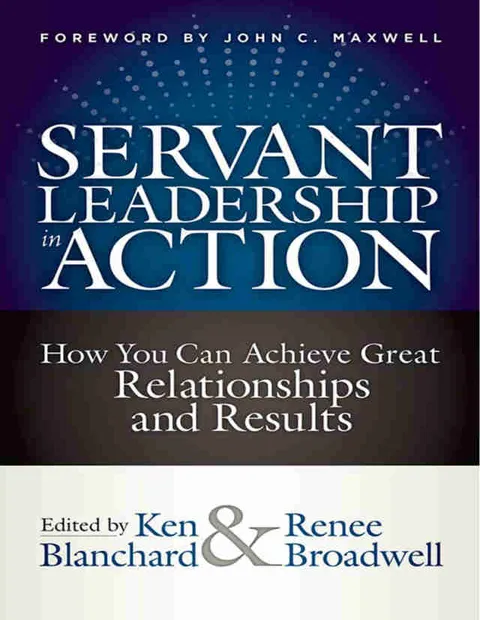

Self Leadership And The One Minute Manager Order Printed Copy
- Author: Ken Blanchard
- Size: 948KB | 171 pages
- |
Others like self leadership and the one minute manager Features >>

Leadership Mastery
The Leadership Style Of Jesus

Faith And The Marketplace
Good Leaders Ask Great Question

Leadership, The Power Of A Creative Life

The Leader Who Had No Title

Words That Change Minds - The 14 Patterns For Mastering The Language Of Influence

As A Man Thinketh
-160.webp)
Collaborating With The Enemy (How To Work With People You Don’t Agree With Or Like Or Trust)

The Little Red Book Of Wisdom
About the Book
"Self Leadership and the One Minute Manager" by Ken Blanchard is a practical guide on how individuals can take control of their own leadership development. The book emphasizes the importance of self-awareness, setting goals, and taking responsibility for one's actions in order to become an effective leader. Blanchard introduces the concept of Situational Leadership II and provides strategies for improving communication, goal setting, and motivation. Overall, the book offers valuable insights and techniques for individuals looking to enhance their leadership skills.
Kathryn Kuhlman
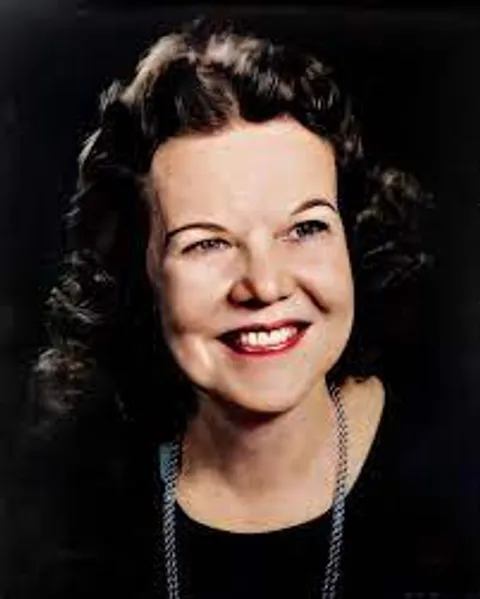 Kathryn Johanna Kuhlman was born on May 9, 1907, in Concordia, Missouri. Her parents were German and she was one of four children. Her mother was a harsh disciplinarian, who showed little love or affection. On the other hand, she had an extremely close and loving relationship with her father. She would describe, as a small child how, her father would come home from work and she would hang on his leg and cling to him. She often said that her relationship with God the Father was extremely real because of her relationship with her own father.
Kuhlman was converted, when she was 14, at an evangelistic meeting held in a small Methodist church. When she was 16 she graduated from high school, which only went to tenth grade in their town. He older sister Myrtle had married an itinerant evangelist, Everett B. Parrott. They spent their time traveling and asked that Kathryn could join them for the summer. Her parents agreed and she went to Oregon to help out. She worked with them, and often gave her testimony. When the summer was over she wanted to stay, and the couple agreed. She ended up working with them for five years.
The evangelistic team was made up of four people, Everette, Myrtle, Kathryn, and pianists named Helen Gulliford. In 1928 Everette missed a meeting in Boise, Idaho. Myrtle and Kathryn preached to cover for Everette. The pastor of the church encouraged Kathryn to step out on her own. Helen agreed to join her. Her first sermon was in a run-down pool hall in Boise, Idaho. The team covered Idaho, Utah, and Colorado for the following five years. In 1933 they moved into Pueblo, Colorado. They set up in an abandoned Montgomery Ward warehouse. They stayed there for six months.
Denver, being a much bigger city, was the next stop. They moved several times but ended up in a paper company's warehouse, which they named the Kuhlman Revival Tabernacle. Then in 1935 they moved once more to an abandoned truck garage they named the Denver Revival Tabernacle. Kathryn was seeing a lot of success in Denver. The church grew to about 2000 members. She began a radio show called "Smiling Through" and invited speakers from all over the country. One of them was Phil Kerr who taught on divine healing. In 1935 another invited evangelist was Burroughs Waltrip.
Waltrip was bad news for Kuhlman. He was a charismatic, handsome man several years older than she was. There was an immediate attraction, and one family claims to have seen the couple embracing in 1935, but he was married and had two children. Waltrip left Denver and went home to Austin, Texas, but the relationship simmered between Kuhlman and Waltrip. In 1937 he was invited back to Denver to take the pulpit for two months. Shortly after he divorced his wife and abandoned his two sons. He then spread the story that his wife had left him. He moved to Mason City, Iowa, where he told everyone he was single, and started a new ministry. Waltrip raised pledges of $70,000 to build a ministry building called Radio Chapel. It was state of the art with a disappearing pulpit and an art deco style. He appeared to be a successful and dynamic preacher.
There was an ongoing relationship between Kuhlman and Waltrip, and they married in September 1938. Kuhlman was naive about the consequences of her choices and the marriage was a disaster. She announced to her church that she and Waltrip were married and they would go between Denver and Mason City preaching at their two churches. Most of the people in her congregation left due to her relationship with Waltrip. She gave up her church in Denver, lost some of her closest associates, and moved to Mason City. Waltrip's success turned out to be a pipe dream as well. The Radio Chapel was completed in June of 1938. By October 1938 Waltrip could not meet his debts. In December Waltrip was demanding a higher salary, even with the shortfall in income. His Board of Directors quit and left him to deal with the finances. His solution was not to pay the mortgage or debts on the Chapel. Radio Chapel went into bankruptcy. Waltrip's last sermon was in May 1939. The Waltrips were on their own. Kathryn's happy vision of she and her husband flying back and forth between Denver and Mason City with a successful preaching careers was utterly demolished.
The next few years were very hard for the couple. They embarked on the road as traveling evangelists, primarily staying in the Midwest. They were not accepted in many places due to their marriage history. Initial advertisements listed Waltrip as the primary evangelist. Then occasionally Mrs. Waltrip was also mentioned. By the early 1940s Kathryn Kuhlman Waltrip was given equal billing. Finally by the mid-1940s Kathryn was using only Kathryn Kuhlman in meetings where she was the primary speaker. In 1944 Kuhlman went on an evangelistic tour on the east coast without Waltrip. It may have been a conscious decision to leave him, or she may also have taken the opportunity to reassess her life. It appears to have been more gradual as Waltrip wrote about them as a couple as late as 1946. Kuhlman never returned to Waltrip and they eventually divorced in 1947. She left her marriage behind and from then on acted as if it never existed in the first place.
In 1946 Kuhlman was asked to speak in Franklin, Pennsylvania. She was well received and decided to stay in the area. Kuhlman began preaching on radio broadcasts in Oil City, Pennsylvania. These became so popular they were picked up in Pittsburgh, and she was preaching throughout the area. She began to preach about the healing power of God. In 1947 a woman was healed of a tumor while listening to Kuhlman preach. Several Sundays later a man was also healed while she was teaching on the Holy Spirit. She was now convinced of God's healing work. One important thing to note is the context and timing of this breakout period in Kuhlman's life. 1947 was the beginning of the Healing Revival (sometimes referred to as the Latter Rain Revival) that would last for the next 10 years. What was happening in Kuhlman's meetings was breaking out across the United States. It was in this time frame that the Voice of Healing Ministry was established and men like William Branham, Oral Roberts, A.A. Allen and many others were propelled onto the public stage. Kuhlman was not associated with those groups, but stepped into the flow of what God's Spirit was doing across the nation and the world.
In 1948 Kuhlman held a series of meetings at Carnegie Hall in Pittsburgh. She eventually moved to Pittsburgh in 1950, and continued to hold meetings at Carnegie Hall until 1971. She was used by God to bring the charismatic message to many denominational churches, including the Catholic Church. (She received a lot of criticism over this and was accused of being a closet Catholic.) These were her best known years. Her style was flamboyant. She would hold her famous miracle services and the auditorium was filled to capacity every time. She was on radio and television shows. She was ordained in 1968 by the Evangelical Church Alliance. Hundreds of people were healed in her meetings, and even while listening to her on the radio or television. People she prayed for would often be hit with the power of God and be "slain in the Spirit." Kuhlman never claimed that she was the healer. She always pointed people to Jesus as their healer.
Kuhlman had been diagnosed with a heart problem in 1955. She kept a very busy schedule and overworked herself, especially in the 1970's. She traveled back and forth from Pittsburgh to Los Angeles frequently, as well as taking trips around the world. Her heart was enlarged and Kuhlman died on February 20, 1976, in Tulsa, following open-heart surgery. Videos of some of her services are still available and continue to be popular today.
Kathryn Johanna Kuhlman was born on May 9, 1907, in Concordia, Missouri. Her parents were German and she was one of four children. Her mother was a harsh disciplinarian, who showed little love or affection. On the other hand, she had an extremely close and loving relationship with her father. She would describe, as a small child how, her father would come home from work and she would hang on his leg and cling to him. She often said that her relationship with God the Father was extremely real because of her relationship with her own father.
Kuhlman was converted, when she was 14, at an evangelistic meeting held in a small Methodist church. When she was 16 she graduated from high school, which only went to tenth grade in their town. He older sister Myrtle had married an itinerant evangelist, Everett B. Parrott. They spent their time traveling and asked that Kathryn could join them for the summer. Her parents agreed and she went to Oregon to help out. She worked with them, and often gave her testimony. When the summer was over she wanted to stay, and the couple agreed. She ended up working with them for five years.
The evangelistic team was made up of four people, Everette, Myrtle, Kathryn, and pianists named Helen Gulliford. In 1928 Everette missed a meeting in Boise, Idaho. Myrtle and Kathryn preached to cover for Everette. The pastor of the church encouraged Kathryn to step out on her own. Helen agreed to join her. Her first sermon was in a run-down pool hall in Boise, Idaho. The team covered Idaho, Utah, and Colorado for the following five years. In 1933 they moved into Pueblo, Colorado. They set up in an abandoned Montgomery Ward warehouse. They stayed there for six months.
Denver, being a much bigger city, was the next stop. They moved several times but ended up in a paper company's warehouse, which they named the Kuhlman Revival Tabernacle. Then in 1935 they moved once more to an abandoned truck garage they named the Denver Revival Tabernacle. Kathryn was seeing a lot of success in Denver. The church grew to about 2000 members. She began a radio show called "Smiling Through" and invited speakers from all over the country. One of them was Phil Kerr who taught on divine healing. In 1935 another invited evangelist was Burroughs Waltrip.
Waltrip was bad news for Kuhlman. He was a charismatic, handsome man several years older than she was. There was an immediate attraction, and one family claims to have seen the couple embracing in 1935, but he was married and had two children. Waltrip left Denver and went home to Austin, Texas, but the relationship simmered between Kuhlman and Waltrip. In 1937 he was invited back to Denver to take the pulpit for two months. Shortly after he divorced his wife and abandoned his two sons. He then spread the story that his wife had left him. He moved to Mason City, Iowa, where he told everyone he was single, and started a new ministry. Waltrip raised pledges of $70,000 to build a ministry building called Radio Chapel. It was state of the art with a disappearing pulpit and an art deco style. He appeared to be a successful and dynamic preacher.
There was an ongoing relationship between Kuhlman and Waltrip, and they married in September 1938. Kuhlman was naive about the consequences of her choices and the marriage was a disaster. She announced to her church that she and Waltrip were married and they would go between Denver and Mason City preaching at their two churches. Most of the people in her congregation left due to her relationship with Waltrip. She gave up her church in Denver, lost some of her closest associates, and moved to Mason City. Waltrip's success turned out to be a pipe dream as well. The Radio Chapel was completed in June of 1938. By October 1938 Waltrip could not meet his debts. In December Waltrip was demanding a higher salary, even with the shortfall in income. His Board of Directors quit and left him to deal with the finances. His solution was not to pay the mortgage or debts on the Chapel. Radio Chapel went into bankruptcy. Waltrip's last sermon was in May 1939. The Waltrips were on their own. Kathryn's happy vision of she and her husband flying back and forth between Denver and Mason City with a successful preaching careers was utterly demolished.
The next few years were very hard for the couple. They embarked on the road as traveling evangelists, primarily staying in the Midwest. They were not accepted in many places due to their marriage history. Initial advertisements listed Waltrip as the primary evangelist. Then occasionally Mrs. Waltrip was also mentioned. By the early 1940s Kathryn Kuhlman Waltrip was given equal billing. Finally by the mid-1940s Kathryn was using only Kathryn Kuhlman in meetings where she was the primary speaker. In 1944 Kuhlman went on an evangelistic tour on the east coast without Waltrip. It may have been a conscious decision to leave him, or she may also have taken the opportunity to reassess her life. It appears to have been more gradual as Waltrip wrote about them as a couple as late as 1946. Kuhlman never returned to Waltrip and they eventually divorced in 1947. She left her marriage behind and from then on acted as if it never existed in the first place.
In 1946 Kuhlman was asked to speak in Franklin, Pennsylvania. She was well received and decided to stay in the area. Kuhlman began preaching on radio broadcasts in Oil City, Pennsylvania. These became so popular they were picked up in Pittsburgh, and she was preaching throughout the area. She began to preach about the healing power of God. In 1947 a woman was healed of a tumor while listening to Kuhlman preach. Several Sundays later a man was also healed while she was teaching on the Holy Spirit. She was now convinced of God's healing work. One important thing to note is the context and timing of this breakout period in Kuhlman's life. 1947 was the beginning of the Healing Revival (sometimes referred to as the Latter Rain Revival) that would last for the next 10 years. What was happening in Kuhlman's meetings was breaking out across the United States. It was in this time frame that the Voice of Healing Ministry was established and men like William Branham, Oral Roberts, A.A. Allen and many others were propelled onto the public stage. Kuhlman was not associated with those groups, but stepped into the flow of what God's Spirit was doing across the nation and the world.
In 1948 Kuhlman held a series of meetings at Carnegie Hall in Pittsburgh. She eventually moved to Pittsburgh in 1950, and continued to hold meetings at Carnegie Hall until 1971. She was used by God to bring the charismatic message to many denominational churches, including the Catholic Church. (She received a lot of criticism over this and was accused of being a closet Catholic.) These were her best known years. Her style was flamboyant. She would hold her famous miracle services and the auditorium was filled to capacity every time. She was on radio and television shows. She was ordained in 1968 by the Evangelical Church Alliance. Hundreds of people were healed in her meetings, and even while listening to her on the radio or television. People she prayed for would often be hit with the power of God and be "slain in the Spirit." Kuhlman never claimed that she was the healer. She always pointed people to Jesus as their healer.
Kuhlman had been diagnosed with a heart problem in 1955. She kept a very busy schedule and overworked herself, especially in the 1970's. She traveled back and forth from Pittsburgh to Los Angeles frequently, as well as taking trips around the world. Her heart was enlarged and Kuhlman died on February 20, 1976, in Tulsa, following open-heart surgery. Videos of some of her services are still available and continue to be popular today.
Where Does God Want Me to Work
How do I find God’s will for my life? It’s always a pressing question on the college campus, and especially in our day of unprecedented options. Like never before, in an anomaly in world history, students loosened from their community of origin, “going off” to college, now make decisions about their future with minimal influence or limitation from their adolescent context. “God wants to take you by the heart, not twist you by the arm.” Before asking, “Where is God calling me?” we would do well to first ponder, “Where has God already called me?” — not that your current callings won’t change or take a fresh direction in this formative season of life, but for a Christian, our objective calling from God always precedes our consciousness of it. If it is from him, he initiates. He makes the first move. This is true of our calling to salvation, and also true of any “vocational” assignment he gives us in the world. Consider Three Factors For the college student or young adult who may feel like a free agent — considering options and determining for yourself (and often by yourself) which direction to take — it’s important to acknowledge you are already moving in a direction, not standing still. You already have divine callings — as a Christian, as a church member, as a son or daughter, as a brother or sister, as a friend. And from within the matrix of those ongoing, already-active callings, you now seek God’s guidance for where to go from here. Given, then, that you are already embedded in a context, with concrete callings, how should you go about discerning God’s direction after graduation? Or how do you find God’s will for your work-life? Christians will want to keep three important factors in view. 1. What Kind of Work Do I Desire? First, we recognize, contrary to the suspicions that may linger in our unbelief, God is the happy God (1 Timothy 1:11), not a cosmic killjoy. In his Son, by his Spirit, he wants to shape and form our hearts to desire the work to which he’s calling us and, in some good sense, in this fallen world, actually enjoy the work. Sanctified, Spirit-given desire is not a liability, but an asset, to finding God’s will. The New Testament is clear that God means for pastors to aspire to the work of the pastoral ministry. And we can assume, as a starting point, that God wants the same for his children working outside the church. “Desire is a vital factor to consider, but in and of itself this doesn’t amount to a calling.” In 1 Peter 5:2, we find this remarkably good news about how God’s heart for our good and enduring joy stands behind his leading us vocationally. The text is about the pastoral calling, but we can see in it the God who calls us into any carefully appointed station. God wants pastors who labor “not under compulsion, but willingly, as God would have you.” How remarkable is it that working from aspiration and delight, not obligation and duty, would be “as God would have you.” This is the kind of God we have — the desiring (not dutiful) God, who wants workers who are desiring (not dutiful) workers. He wants his people, like their pastors, to do their work “with joy and not with groaning, for that would be of no advantage” to those whom they serve (Hebrews 13:17). So also, when the apostle Paul addresses the qualifications of pastors, he first mentions aspiration. “The saying is trustworthy: If anyone aspires to the office of overseer, he desires a noble task” (1 Timothy 3:1). God wants workers who want to do the work, not workers who do it simply out of a sense of duty. Behold your God, whose pattern is to take you by the heart, not twist you by the arm. Desire, though, does not make a calling on its own. It’s a common mistake to presume that seeming God-given desire is, on its own, a “calling.” Aspiration is a vital factor to consider, but in and of itself this doesn’t amount to a calling. Two additional factors remain in the affirmation of others and the God-given opportunity. 2. Do Others Affirm This Direction? The second question to ask, then, after the subjective one of desire, is the more objective one of ability. Have I seen evidence, small as it may be at first, that I can meet the needs of others by working in this field? And, even more important than my own self-assessment, do others who love me, and seem to be honest with me, confirm this direction? Do they think I’d be a good fit for the kind of work I’m desiring? Here the subjective desires of our hearts meet the concrete, real-world, objective needs of others. Our vocational labors in this world, whether in Christian ministry or not, are not for existential release or our own private satisfaction, but for meeting the actual needs of others. “You may feel called, and others may affirm you, but you are not yet fully called until God opens a door.” Our desires have their part to play, but our true “calling” is not mainly shaped by our internal heart. It is shaped by the world outside of us. We so often hear “follow your heart” and “don’t settle for anything less than your dreams” in society, and even in the church. What’s most important, contrary to what the prevailing cultural word may be, is not bringing the desires of your heart to bear on the world, but letting the real-life needs of others shape your heart. In seeking God’s will for us vocationally, we look for where our developing aspirations match up with our developing abilities to meet the actual needs of others. Over time, we seek to cultivate a kind of dialogue (with ourselves and with others) between what we desire to do and what we find ourselves good at doing for the benefit of others. Delight in certain kinds of labor typically grows as others affirm our efforts, and we see them receiving genuine help. 3. What Doors Has God Opened? Finally, and perhaps the most overlooked and forgotten factor in the discussions on calling, is the actual God-given, real-world open door. You may feel called, and others may affirm your abilities, but you are not yet fully called until God opens a door. Here we glory in the truth of God’s providence, not just hypothetically but tangibly. The real world in which we live, and various options as they are presented to us, are not random or coincidental. God rules over all things — from him, through him, to him (Romans 11:36). And so as real-life options (job offers) are presented that fulfill an aspiration in us, and are confirmed by the company of others, we can take these as confirmation of God’s “calling.” Not that such a calling will never change. But for now, when your own personal sense of God’s leading, and good perspective and guidance from others, align with a real-world opportunity in the form of an actual job offer in front of you, you have a calling from God. “It is finally God, not man who provides the job offer.” And we can say this calling is from him because God himself, in his hand of providence, has done the decisive work. He started the process by planting in us righteous desires to help others; and he affirmed the direction through our lived-out abilities and the affirmation of friends. Now, he confirms that sense of calling by swinging open the right door at the right time. It is finally God, not man who provides the job offer. God not only makes overseers (Acts 20:28) and gives pastors (Ephesians 4:11–12) and sends out laborers into his global harvest (Matthew 9:37–38) and sends preachers (Romans 10:15) and sets wise managers over his household (Luke 12:42), but he makes dentists and plumbers. In his common kindness, he gives school teachers and entrepreneurs and social workers for the just and unjust. He sends executives and service workers. He gives you to the world in the service of others. Article by David Mathis