

Others like seize your kairos moment Features >>

The Art Of Following

Finishing Well In Life And Ministry

The Torch And The Sword

God, Where Are You

How To Know The Will Of God
Changes That Heal

Go In This Thy Might

One In A Million - Journey To Your Promised Land

Avoiding Foreign Spirits
%20-%20Patricia%20King-160.webp)
Activating Your God-Given Power To Create Realms And Atmospheres (Create Your World)
About the Book
"Seize Your Kairos Moment" by Mensa Otabil is a motivational book that encourages readers to embrace their opportunities and seize the perfect moment to take action and pursue their goals. Otabil emphasizes the importance of being proactive, making the most of every opportunity, and trusting in one's abilities to achieve success. The book serves as a guide for individuals looking to make the most of their lives and fulfill their potential.
John G. Lake
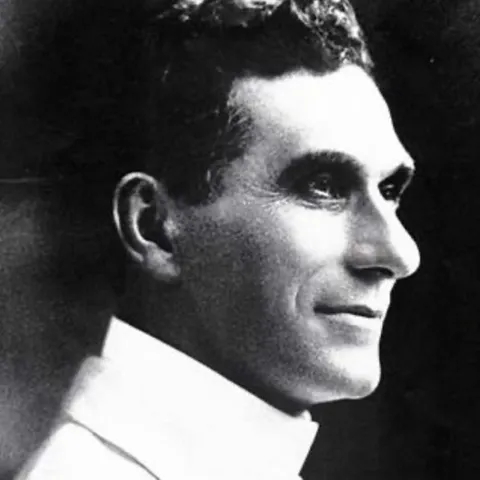 John G. Lake was born in Ontario, Canada on March 18th, 1870. He was a family man, person of integrity, honor, a savvy businessman and a good father. If you knew him you wouldn’t otherwise know that he would soon become one of the greatest men of God the world would ever know. He had a genuine love for the Lord Jesus and was known by his friends as a man who dedicated himself to intimacy with The Lord. It was out of this place that he loved his wife, was a man of integrity and built a very successful business career. To give you perspective, by 1905 John G Lake was making $50,000 per year this sum would be like upwards of 1.3 million dollars per year annually today. John grew up in a family environment which was plagued with sickness and death, it is said that his earliest memories were of sickness, death and funerals. Lake was from a large family, he had 16 siblings, 8 of which tragically died of various diseases. It is no coincidence that “the man of healing” was tormented from a young age with death and disease. The enemy will often oppose destinies with radical circumstances through a distortion of the very thing that we are called to walk in. Lake Was exposed to dramatic healing when he visited John Alexander Dowie’s ministry and was, in prayer, instantly healed of a rheumatism which had caused his legs to grow incorrectly. Just two short years into their marriage, Jennie Lake was diagnosed with tuberculosis and heart disease. Over the next couple of years, the condition worsened and the doctors resigned to the fact that it was only a matter of time before she would die. John allowed this situation to provoke him into faith, after being exposed to such death and disease from a young age he had a hatred for such things. When he would read the word of God he saw that his Christian experience was less than the promised “power of the Holy Spirit”. As Jennie was on her deathbed and perhaps taking her final breaths Lake was overcome with anger over sickness and threw his bible against the fireplace mantle! When he went to pick up his bible it was opened to Acts chapter 10:38 which says: "God anointed Jesus of Nazareth with the Holy Ghost and with power: who went about doing good, and healing all that were oppressed of the devil; for God was with him.” Lake had a surge of faith in that moment and sent a telegram to Dowie asking him to pray. Within an hour of Dowie praying she was fully healed! Not long after Jennie was healed, God began to speak to Lake about going into full time ministry. After some time of contemplation and seeking the Lord, God confirmed to John and Jennie separately that they were to move to South Africa to begin their life of ministry. John and Jennie then gave away all that they had, John forsook his mega-salary and they went on their way alongside some of their friends as ministry partners.
When they arrived in South Africa, they had no money. The problem was, that they needed at least $125 in order to clear customs. they nervously waited for their turn in line, rehearsing what they would say to the immigration officer They were in desperate need of a miracle, as the law read that they would be subject to deportation as quickly as they arrived in South Africa. Just as they were about the get to the front of the line, John felt a tap on his shoulder… A man was standing behind John and said “excuse me sir, can I have a word with you?” John nervously steps out of line at the man’s request and the man said “when I saw you and your family in line, the Lord told me to give you $200 cash”. The Lord provided just enough money for John and his family to enter the country. But their needs didn’t stop there. The Lakes and their crew had no ministry contact in Johannesburg. Soon after they cleared customs, a woman approached John’s friends and asked how many people are in their family, when they told her, she responded “no, not you” and went over to John and asked the same question. John replied “9” and she said “you’re the ones!” She went on to tell John that the Lord had spoken to her last night that she was to give her home to a family of 9 people who are coming from America to do God’s work. John, Jennie and their crew rejoiced in the dramatic provision of the Lord. Their time in South Africa was marked with waves of revival, there were multitudes saved, healed and delivered over the course of their 5 year ministry tour in South Africa.
By far my favorite story from this season of Revival takes place shortly after the Lake family and their team arrived in South Africa. A mighty plague was sweeping through the nation, the death count was climbing dramatically. So much so that there was a surplus of corpses who were victims of the plague and there was no one to bury the dead; if someone was to come in contact with a dead body they would most certainly become infected and their death sentence would immediately begin. John G. Lake astounded the medical officials because he, without any gloves or protective clothing began burying the dead. Physicians in a panic approached John and rebuked him for coming in contact with the dead, John boldly responded "when the disease comes in contact with my skin, you can watch it die". The doctors thought he was insane, so he challenged them to put a drop of the plague on his skin and watch it under a microscope. When they did so, John was right! The plague cells literally burned up the second they came in contact with his skin!
It is tough to understand what would happen towards the end of the Lake’s missionary journey in Africa. One day while John was away on a ministry trip, his wife Jennie suddenly passed away. The cause of her death was malnutrition and exhaustion. It wasn’t uncommon for the sick and broken to line the lawn of John G Lake’s home and Jennie, as an act of sacrifice, gave away all their food and any resources she could to the broken which frequented their house.
Although John and Jennie’s faith and sacrifice is commendable we must learn from this fatal mistake. John’s priorities clearly became altered as the demand for ministry raged on. He failed to guard and keep the very precious gift that God had given him, he allowed the demands of ministry to distract him from the needs of his family unto the tragic and preventable death of his wife. In the wake of Jennie’s death their children became bitter with John and subsequently God. Some of his children left the faith and the most recent accounts of them suggest that they died not following Christ. To this day some of John’s great grandchildren do not follow the Lord. John’s failure to obey the basic command of scripture for “husbands to love their wives as Christ loves the church” and his preoccupation with the demands of ministry opened up the door for the enemy to ravage his family. After Jennie’s death John moved back to the United States and remarried. He would then pioneer his famous healing ministry based out of Spokane Washington. Unfortunately John did not learn his lesson the first time, in the midst of more flames of revival he continued to be a poor father, emotionally disconnected from his children.
John G. Lake was born in Ontario, Canada on March 18th, 1870. He was a family man, person of integrity, honor, a savvy businessman and a good father. If you knew him you wouldn’t otherwise know that he would soon become one of the greatest men of God the world would ever know. He had a genuine love for the Lord Jesus and was known by his friends as a man who dedicated himself to intimacy with The Lord. It was out of this place that he loved his wife, was a man of integrity and built a very successful business career. To give you perspective, by 1905 John G Lake was making $50,000 per year this sum would be like upwards of 1.3 million dollars per year annually today. John grew up in a family environment which was plagued with sickness and death, it is said that his earliest memories were of sickness, death and funerals. Lake was from a large family, he had 16 siblings, 8 of which tragically died of various diseases. It is no coincidence that “the man of healing” was tormented from a young age with death and disease. The enemy will often oppose destinies with radical circumstances through a distortion of the very thing that we are called to walk in. Lake Was exposed to dramatic healing when he visited John Alexander Dowie’s ministry and was, in prayer, instantly healed of a rheumatism which had caused his legs to grow incorrectly. Just two short years into their marriage, Jennie Lake was diagnosed with tuberculosis and heart disease. Over the next couple of years, the condition worsened and the doctors resigned to the fact that it was only a matter of time before she would die. John allowed this situation to provoke him into faith, after being exposed to such death and disease from a young age he had a hatred for such things. When he would read the word of God he saw that his Christian experience was less than the promised “power of the Holy Spirit”. As Jennie was on her deathbed and perhaps taking her final breaths Lake was overcome with anger over sickness and threw his bible against the fireplace mantle! When he went to pick up his bible it was opened to Acts chapter 10:38 which says: "God anointed Jesus of Nazareth with the Holy Ghost and with power: who went about doing good, and healing all that were oppressed of the devil; for God was with him.” Lake had a surge of faith in that moment and sent a telegram to Dowie asking him to pray. Within an hour of Dowie praying she was fully healed! Not long after Jennie was healed, God began to speak to Lake about going into full time ministry. After some time of contemplation and seeking the Lord, God confirmed to John and Jennie separately that they were to move to South Africa to begin their life of ministry. John and Jennie then gave away all that they had, John forsook his mega-salary and they went on their way alongside some of their friends as ministry partners.
When they arrived in South Africa, they had no money. The problem was, that they needed at least $125 in order to clear customs. they nervously waited for their turn in line, rehearsing what they would say to the immigration officer They were in desperate need of a miracle, as the law read that they would be subject to deportation as quickly as they arrived in South Africa. Just as they were about the get to the front of the line, John felt a tap on his shoulder… A man was standing behind John and said “excuse me sir, can I have a word with you?” John nervously steps out of line at the man’s request and the man said “when I saw you and your family in line, the Lord told me to give you $200 cash”. The Lord provided just enough money for John and his family to enter the country. But their needs didn’t stop there. The Lakes and their crew had no ministry contact in Johannesburg. Soon after they cleared customs, a woman approached John’s friends and asked how many people are in their family, when they told her, she responded “no, not you” and went over to John and asked the same question. John replied “9” and she said “you’re the ones!” She went on to tell John that the Lord had spoken to her last night that she was to give her home to a family of 9 people who are coming from America to do God’s work. John, Jennie and their crew rejoiced in the dramatic provision of the Lord. Their time in South Africa was marked with waves of revival, there were multitudes saved, healed and delivered over the course of their 5 year ministry tour in South Africa.
By far my favorite story from this season of Revival takes place shortly after the Lake family and their team arrived in South Africa. A mighty plague was sweeping through the nation, the death count was climbing dramatically. So much so that there was a surplus of corpses who were victims of the plague and there was no one to bury the dead; if someone was to come in contact with a dead body they would most certainly become infected and their death sentence would immediately begin. John G. Lake astounded the medical officials because he, without any gloves or protective clothing began burying the dead. Physicians in a panic approached John and rebuked him for coming in contact with the dead, John boldly responded "when the disease comes in contact with my skin, you can watch it die". The doctors thought he was insane, so he challenged them to put a drop of the plague on his skin and watch it under a microscope. When they did so, John was right! The plague cells literally burned up the second they came in contact with his skin!
It is tough to understand what would happen towards the end of the Lake’s missionary journey in Africa. One day while John was away on a ministry trip, his wife Jennie suddenly passed away. The cause of her death was malnutrition and exhaustion. It wasn’t uncommon for the sick and broken to line the lawn of John G Lake’s home and Jennie, as an act of sacrifice, gave away all their food and any resources she could to the broken which frequented their house.
Although John and Jennie’s faith and sacrifice is commendable we must learn from this fatal mistake. John’s priorities clearly became altered as the demand for ministry raged on. He failed to guard and keep the very precious gift that God had given him, he allowed the demands of ministry to distract him from the needs of his family unto the tragic and preventable death of his wife. In the wake of Jennie’s death their children became bitter with John and subsequently God. Some of his children left the faith and the most recent accounts of them suggest that they died not following Christ. To this day some of John’s great grandchildren do not follow the Lord. John’s failure to obey the basic command of scripture for “husbands to love their wives as Christ loves the church” and his preoccupation with the demands of ministry opened up the door for the enemy to ravage his family. After Jennie’s death John moved back to the United States and remarried. He would then pioneer his famous healing ministry based out of Spokane Washington. Unfortunately John did not learn his lesson the first time, in the midst of more flames of revival he continued to be a poor father, emotionally disconnected from his children.
sacred weapons for spiritual war
Over recent years, there have been many television shows aimed at helping people get properly dressed. Sometimes the premise revolves around experts helping people to pick the right outfit for a wedding. At other times, someone with a woefully poor fashion sense receives a total makeover with the help of fashion gurus and some serious spending. In a similar way, Christianity helps people become properly dressed, although not in the typical sense. Paul advises the Ephesians that there are certain things Christians must put off and others they must put on. More specifically, he tells them (and us) to put on the Christian armor so we can be properly equipped to stand up to the assaults that inevitably come our way in this spiritually dangerous world. God’s Armor According to the Bible, life is not a picnic but a battle , an armed struggle against a powerful adversary. To engage in that battle properly, we need a spiritual makeover in which our flimsy, inadequate natural attire is replaced by suitable armor and weaponry. So Paul concludes his magnificent, gospel-saturated letter to the Ephesians with a final charge to be prepared to engage with the battle of life in the right way, dressed in the armor of God. Many people assume that, as Wikipedia puts it, the various pieces (the belt of truth, the breastplate of righteousness, the shoes of the gospel of peace, the shield of faith, the helmet of salvation, and the sword of the Spirit) are correlated to what Paul would have witnessed firsthand as the arms and armor of Roman legionaries during his life in the Roman Empire. This assumption, however, misses the fact that each of the pieces of armor has a rich background in the Old Testament, where they describe God’s armor — the armor that God himself dons to rescue his people. The Old Testament, not the Roman legionary, provided Paul with his inspiration — and if we miss this background, we may misinterpret and misapply the various pieces of the armor. Breastplate and Helmet The most obvious examples are “the breastplate of righteousness” and “the helmet of salvation” (Ephesians 6:14, 17), both of which are drawn directly from Isaiah 59:17. There the prophet says of God, “He put on righteousness as a breastplate, and a helmet of salvation on his head; he put on garments of vengeance for clothing, and wrapped himself in zeal as a cloak.” In the preceding chapters, Isaiah describes God’s promise to deal with the physical enemies of his people, especially Babylon. But now the prophet describes the divine warrior coming to deal with the far greater and more dangerous enemy of their souls: sin. God’s people have no righteousness of their own to bring; their best righteousness, apart from divine help, is nothing more than filthy garments (Isaiah 64:6). If the Lord were to deal with his people according to their own deeds, there would be nothing to anticipate but fearful judgment. But Isaiah declares that the divine warrior would not come as a wrathful judge; instead, he would come as their Redeemer to bring them salvation. Ready Feet Similarly, Paul’s image of “feet readied with the gospel of peace” (Ephesians 6:15, my translation) does not stem from observing Roman sandals; rather, the picture draws directly on Isaiah 52:7: “How beautiful upon the mountains are the feet of him who brings good news, who publishes peace, who brings good news of happiness, who publishes salvation, who says to Zion, ‘Your God reigns.’” Ephesians 6 and Isaiah 52 (together with Nahum 1) are the only passages in the Bible where the words feet , good news , and peace occur together. “According to the Bible, life is not a picnic but a battle, an armed struggle against a powerful adversary.” This Old Testament background clarifies a potential ambiguity in Paul’s words. When Paul speaks of feet shod with “the readiness of the gospel of peace,” does he mean the readiness given by the gospel of peace or the readiness to spread the good news that brings peace? Many translations and commentaries opt for the former interpretation. But if Paul is thinking about Isaiah 52, then the readiness he has in mind is primarily the readiness to share the good news as heralds of the gospel. Heralds need good shoes to enable them to travel far and fast to bring their message to those hungry to hear good news. Isaiah imagines the watchmen bursting into joyful song on the walls of Jerusalem (Isaiah 52:8). Those who had long strained their eyes with fearful anticipation of an approaching enemy now herald good news of deliverance to the beleaguered citizens of Zion. Paul applies this same image to our privilege of hastening to share the gospel of peace with believers and unbelievers alike. Belt of Truth The belt of truth also comes from Isaiah. In Isaiah 11, God’s people, Israel, had turned their back on the light and chosen to live in darkness, spurning the Lord’s revelation. Yet God promised he would send a messianic figure from the line of David to deliver them. This coming King would wear righteousness as a belt around his waist and “faithfulness” as a belt around his loins (Isaiah 11:5). The Greek translation of the Old Testament uses the same Greek word ( aletheia ) for faithfulness in Isaiah 11 that Paul uses in Ephesians 6, where our English versions translate it as truth . This messianic King will save his people and bring in the final blessing of peace — a peace that extends throughout creation (Isaiah 11:6–9). The toxic effects of the fall, brought about by the first Adam listening to Satan’s lies, would be reversed by this second Adam and heir of the line of David, whose foundational qualities are truth and faithfulness. Sword of the Spirit The sword of the Spirit, the word of God, is drawn from Isaiah 49:2. There the promised servant of the Lord says, “[The Lord] made my mouth like a sharp sword; in the shadow of his hand he hid me; he made me a polished arrow; in his quiver he hid me away.” In other words, the Lord was preparing his servant to come as a warrior with sharp words of judgment. In the original context, the servant was Israel, who was supposed to be God’s faithful servant, equipped by him to bring light to the Gentiles. Yet in Isaiah’s time, there was much that needed to be judged and condemned in Israel and Judah themselves. They were not fit to be the Lord’s servant, so he had to send his servant to bring light to them as well as to the Gentiles. “The armor is first and foremost God’s armor rather than ours.” This promised servant, the new Israel with a mission to historic Israel, is Jesus himself. Yet even though Jesus could have entered this world with sharp words of judgment, condemning all those who fall short of perfect righteousness, in his first coming he came to seek and to save the lost, both those from Israel and from the nations (Luke 19:10). In his second coming, Jesus will return as a warrior riding out on a white horse with a sharp sword coming from his mouth with which to judge all nations (Revelation 19:11–16). Shield of Faith The Old Testament background for the phrase shield of faith also clarifies an ambiguity in Paul’s imagery. When he says, “Take up the shield of faith, with which you can extinguish all the flaming darts of the evil one” (Ephesians 6:16), Paul is not saying that faith in itself has remarkable defensive power against Satan. Rather, he is saying that faith protects us from Satan’s attacks because faith takes hold of the power and protection of God himself. Throughout the Old Testament, it is God, not faith, that is repeatedly described as our shield. In Genesis 15:1 the Lord tells Abraham, “I am your shield; your reward shall be very great.” Proverbs 30:5 says, “[God] is a shield to those who take refuge in him.” God is our shield and refuge; he is our hiding place in the day of difficulty; his faithfulness will keep us safe when we are being shot at by arrows, flaming or otherwise (Psalm 91:4–5). Faith becomes our shield in Paul’s imagery because it is the means by which we flee to God for refuge. Christ the Warrior Most importantly, the Old Testament background challenges the common view that the Christian armor is primarily a set of disciplines we must perform to measure up as Christians. It is certainly true that God’s armor describes essential qualities for us to pursue passionately if we are to stand firm under Satan’s assault. Yet the armor is first and foremost God’s armor rather than ours. Through the gospel, the divine warrior gives us his equipment, which he wore first triumphantly in our place in his definitive struggle against the forces of evil. “Through the gospel, the divine warrior gives us his equipment, which he wore first in our place.” Jesus Christ is the triumphant warrior over Satan, death, and sin through his faithfulness and righteousness, and his victory is now credited to us as if it were our own. Because he stood firm in his battle, we Christians — weak, fearful, and unprepared as we so often are — also will ultimately stand. By faith, his righteousness becomes ours, and in Christ we have a shield of refuge in God, who will never leave us nor forsake us. This is the good news that we have been given the privilege of heralding far and wide throughout the world, as well as preaching to our own hearts on a daily basis. The armor of God speaks mercy and grace to broken sinners, and a salvation that the combined forces of hell itself can never steal from us, as we rest in him.