Others like men of the bible Features >>

Fire In The Bones - William Tyndale

Hearts Of Fire - Eight Women In The Underground Church And Their Stories Of Costly Faith
Ten Men Of The Bible
George Muller - Man Of Faith And Miracles

Becoming
God's Generals: The Missionaries
God's Generals - The Martyrs

Book Of Fire - William Tyndale, Thomas More

The Innovators
Daughter Of Destiny: Kathryn Kuhlman
About the Book
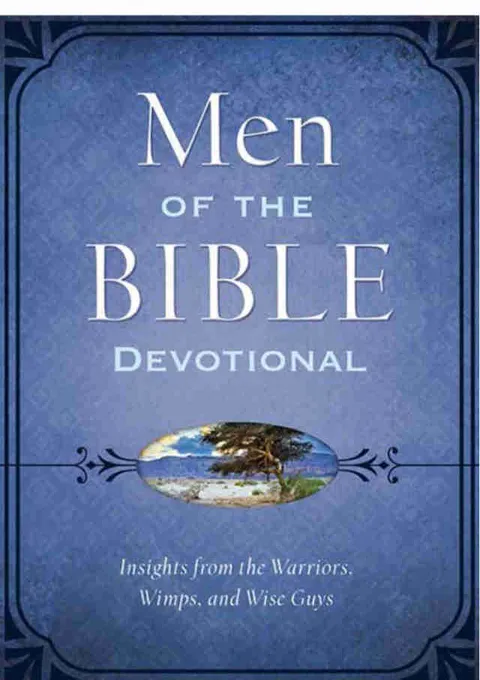
"Men of the Bible" by Dwight Lyman Moody is a collection of biographical sketches of famous men from the Bible, including Adam, Noah, Abraham, Moses, David, and many others. Through their stories, Moody explores their strengths, weaknesses, and faith, providing valuable insights and lessons for contemporary readers seeking to deepen their understanding of the Bible and their own faith.
William Booth
General William Boothâs early life
William Booth was born in Nottingham in 1829 of well-bred parents who had become poor. He was a lively lad nicknamed Wilful Wil. At the age of fifteen he was converted in the Methodist chapel and became the leader of a band of teenage evangelists who called him Captain and held street meetings with remarkable success.
In 1851 he began full-time Christian work among the Methodist Reformers in London and later in Lincolnshire. After a period in a theological college he became a minister of the Methodist New Connexion. His heart however was with the poor people unreached by his church, and in 1861 he left the Methodists to give himself freely to the work of evangelism. Joined by Catherine, his devoted wife, they saw their ministry break out into real revival, which in Cornwall spread far and wide.
One memorable day in July 1865, after exploring the streets in an East End district where he was to conduct a mission, the terrible poverty, vice and degradation of these needy people struck home to his heart. He arrived at his Hammersmith home just before midnight and greeted his waiting Catherine with these words: âDarling, I have found my destiny!â She understood him. Together they had ministered Godâs grace to Godâs poor in many places.
Now they were to spend their lives bringing deliverance to Satanâs captives in the evil jungle of Londonâs slums. One day William took Bramwell, his son, into an East End pub which was crammed full of dirty, intoxicated creatures. Seeing the appalled look on his sonâs face, he said gently, âBramwell, these are our peopleâthe people I want you to live for.â
William and Catherine loved each other passionately all their lives. And no less passionately did they love their Lord together. Now, although penniless, together with their dedicated children, they moved out in great faith to bring Christâs abundant life to Londonâs poverty-stricken, devil-oppressed millions.
At first their organisation was called the Christian Mission. In spite of brutal opposition and much cruel hardship, the Lord blessed this work, and it spread rapidly.
William Booth was the dynamic leader who called young men and women to join him in this full-time crusade. With enthusiastic abandon, hundreds gave up all to follow him.
âMake your will, pack your box, kiss your girl and be ready in a weekâ, he told one young volunteer.
Salvation Army born
One day as William was dictating a report on the work to George Railton, his secretary, he said, âWe are a volunteer army,â
âNoâ, said Bramwell, âI am a regular or nothing.â
His father stopped in his stride, bent over Railton, took the pen from his hand, and crossing out the word âvolunteerâ, wrote âsalvationâ. The two young men stared at the phrase âa salvation armyâ, then both exclaimed âHallelujahâ. So the Salvation Army was born.
As these dedicated, Spirit-filled soldiers of the cross flung themselves into the battle against evil under their blood and fire banner, amazing miracles of deliverance occurred. Alcoholics, prostitutes and criminals were set free and changed into workaday saints.
Cecil Rhodes once visited the Salvation Army farm colony for men at Hadleigh, Essex, and asked after a notorious criminal who had been converted and rehabilitated there.
âOhâ, was the answer, âHe has left the colony and has had a regular job outside now for twelve months.â
âWellâ said Rhodes in astonishment, âif you have kept that man working for a year, I will believe in miracles.â
Slave traffic
The power that changed and delivered was the power of the Holy Spirit. Bramwell Booth in his book Echoes and Memories describes how this power operated, especially after whole nights of prayer. Persons hostile to the Army would come under deep conviction and fall prostrate to the ground, afterward to rise penitent, forgiven and changed. Healings often occurred and all the gifts of the Spirit were manifested as the Lord operated through His revived Body under William Boothâs leadership.
Terrible evils lay hidden under the curtain of Victorian social life in the nineteenth century. The Salvation Army unmasked and fought them. Its work among prostitutes soon revealed the appalling wickedness of the white slave traffic, in which girls of thirteen were sold by their parents to the pimps who used them in their profitable brothels, or who traded them on the Continent.
âThousands of innocent girls, most of them under sixteen, were shipped as regularly as cattle to the state-regulated brothels of Brussels and Antwerp.â (Collier).
Imprisoned
In order to expose this vile trade, W. T. Stead (editor of The Pall Mall Gazette) and Bramwell Booth plotted to buy such a child in order to shock the Victorians into facing the fact of this hidden moral cancer in their society. This thirteen-year-old girl, Eliza Armstrong, was bought from her mother for ÂŁ5 and placed in the care of Salvationists in France.
W. T. Stead told the story in a series of explosive articles in The Pall Mall Gazette which raised such a furore that Parliament passed a law raising the age of consent from thirteen to sixteen. However, Booth and Stead were prosecuted for abduction, and Stead was imprisoned for three months.
William Booth always believed the essential cause of social evil and suffering was sin, and that salvation from sin was its essential cure. But as his work progressed, he became increasingly convinced that social redemption and reform should be an integral part of Christian mission.
So at the age of sixty he startled England with the publication of the massive volume entitled In Darkest England, and the Way Out. It was packed with facts and statistics concerning Britainâs submerged corruption, and proved that a large proportion of her population was homeless, destitute and starving. It also outlined Boothâs answer to the problem â his own attempt to begin to build the welfare state.
All this was the result of two yearsâ laborious research by many people, including the loyal W. T. Stead. On the day the volume was finished and ready for publication, Stead was conning its final pages in the home of the Booths. At last he said, âThat work will echo round the world. I rejoice with an exceeding great joy.â
âAnd Iâ, whispered Catherine, dying of cancer in a corner of the room, âAnd I most of all thank God. Thank God!â As the work of the Salvation Army spread throughout Britain and into many countries overseas, it met with brutal hostility. In many places Skeleton Armies were organised to sabotage this work of God. Hundreds of officers were attacked and injured (some for life). Halls and offices were smashed and fired. Meetings were broken up by gangs organised by brothel keepers and hostile publicans.
One sympathiser in Worthing defended his life and property with a revolver. But Boothâs soldiers endured the persecution for many years, often winning over their opponents by their own offensive of Christian love.
The Army that William Booth created under God was an extension of his own dedicated personality. It expressed his own resolve in his words which Collier places on the first page of his book:
âWhile women weep as they do now, Iâll fight; while little children go hungry as they do now, Iâll fight; while men go to prison, in and out, in and out, as they do now, Iâll fightâIâll fight to the very end!â
Toward the end of his life, he became blind. When he heard the doctorâs verdict that he would never see again, he said to his son: âBramwell, I have done what I could for God and the people with my eyes. Now I shall see what I can do for God and the people without my eyes.â
But the old warrior had finally laid down his sword. His daughter, Eva, head of the Armyâs work in America, came home to say her last farewell. Standing at the window she described to her father the glory of that eveningâs sunset.
âI cannot see it,â said the General, âbut I shall see the dawn.â
âhappy wife, happy lifeâ - and other misleading advice to young husbands
The title read, âHow Do I Get My Husband to Be Less Passive?â Click. The author, a wife and clinical psychologist, addressed the common complaint that women of various ages bring to her: their husbands lacked passion for anything but the couch and the screen. These wives wanted to know how to get their men to do something other than stare at the television, laptop, or smartphone, and how to get them to initiate something other than physical intimacy. They wanted their men to plan dates, start conversations, play with the kids, stand up for themselves (at work) and for their wife (with the in-laws), or to show concern for daily decisions. The manly intentionality that had pursued these women during dating had dwindled in marriage. Age-Old Problem The complaint, of course, is nothing new. Paradise was lost when the first man took the easy path of appeasement in his marriage. The serpent hissed lies in her ear; he stood silently by. Instead of an uncomfortable moment with his wife, and then crushing the skull of her deceiver, he watched as she took a bite. Compromise bore twins, and he ate too (Genesis 3:6). âLasting joy in our marriages is found in living out the drama of Christ and his bride, not Adam and his.â And we see Adamâs passivity echoed in countless marriages today. The temptation to be emotionally and spiritually absent, when physically present, has merely changed hairstyles over time. The same unmanly repose still beckons men to recline in the passengerâs seat. God calls out to husbands today with the same question he asked in the garden: âAdam, where are you?â And where are we? Too often giving into the scheme that affords less responsibility and more opportunity to watch the game. Masculinity that leads through loving sacrifice  can feel like an endangered species. And some of the mantras given to me as a newly married man may have hurt, instead of helped, my enlistment into the active-duty husbandry put on display in Jesus Christ. Consider four naive, and easily misunderstood, words of counsel given to new husbands, even from well-meaning Christian brothers. âHappy Wife, Happy Lifeâ The advice could be redeemable. The husband should lavish his queen with love, finding a great deal of his joy in hers. And one could say it from an eternal perspective: Happy wife (in the Lord), happy life. But what is most often meant by this phrase cannot be missed: a manâs life is less miserable when his woman gets her way. Such deferment is tempting: no conflict, no unhappy bride, no blame. Just letting her have her way is much more comfortable than making unpopular decisions on weighty matters, that you think (and pray) are spiritually best for her and your family: Whether they be where your children go to school, what church you join, where you live next, when to have children, or countless difficult choices that require spiritual energy, courage, and faith. But Christ created men to initiate and bear responsibility. His glory is to sacrifice. His mission is to lead his wife and his family from the front, on his knees. Although his charge includes the flourishing of the wife, the health of our leadership does not depend solely upon the daily undulations of our brideâs earthly happiness, but on the consistency with which we obey our Master. You can have a happy, governing wife resulting in a shallow, resistance-free life, and end up with an unhappy Lord. In the end, a nearsighted âhappy wife, happy lifeâ mentality throws the toys in the closet to go outside and play. Happy wife, easier life  does not lead to happiness, but to a closet full of regret, bitterness, and selfishness, which we all must open eventually. It backfires on us, leaving even a growing number of unbelievers wondering how to get their men to be less passive. Lasting joy in our marriages is found in living out the drama of Christ and his bride, not Adam and his. âYour Spouse Is Your Best Friendâ âYou can have a happy, governing wife resulting in a shallow, resistance-free life, and end up with an unhappy Lord.â She is not just your BFF because marriage is not simply friendship . It isnât a symmetrical partnership in which the relational patterns are interchangeable. The elegance of the dance consists in the man leading assertively, lovingly, thoughtfully, and the woman following fearlessly, receptively, joyfully â which is much more than mere friendship. The dance is improper when the husband attempts to follow. Now, if we mean that she is the one person with whom you confide most, the one earthly person you treasure most, the one person with whom a day spent doing menial tasks is anything but wasted, then, yes, this is a glory. But our marriages are more than a flat partnership. The glory of a spouse is more than the glory of a friend. The miraculous event of God joining husband and wife together in a bond that none can break is a rose not to be hidden, even in the beautiful tulip-garden of friendship. The marriage drama enacts that of the Great Romance. This flower, by any other name, must smell distinctly sweet. To ballet is not to waltz. The moon is not the sun. The companion is not the spouse. âBe a Servant Leaderâ For sure, an aspect of this is incredibly right: Jesus came not to be served but to serve and give his life for many (Mark 10:45). That the husband should be like Jesus in such self-giving sacrifice is without question or asterisk. Being a servant leader is  great advice â when both words are kept together. Often, however, they are not. The paradox of servant leader  devolves, in some minds, into merely meaning servant : You sacrifice your convictions for any and all of her ambitions. You take on her calling, not because of exceptional circumstance but only because you wanted to lay your aspirations down for hers. You coddle her, never asking her to do anything that she does not already want to do â even if you think it best for her ultimate joy in the Lord. The good-intentioned servant (non)leader, in an honest attempt to love and serve his wife well, abdicates to a kind of service that undermines his call to be a husband and bear responsibility, take initiative, and feel the burden of the hardest decisions. I prefer sacrificial  leadership instead: âHusbands, love your wives, as Christ loved the church and gave himself up  for herâ (Ephesians 5:25). It is a leadership that, while not relinquishing its responsibility or apologizing for its authority, sees leadership as a calling to inconvenience self first for the good of oneâs family and neighbor. âMarriage Is 50/50â Marriage, for the man especially, is not 50/50. Manhood doesnât require her to scratch your back before youâll scratch hers. Headship doesnât keep score. You donât go so far, and no farther, until she catches up. You donât limit your patience, kindness, gentleness, and goodness until she matches. A husbandâs love doesnât bear all things, believe all things, hope all things, endure all things only half the time . Husbands donât wait for reciprocation to initiate. âThe marriage drama enacts that of the Great Romance. This flower, by any other name, must smell distinctly sweet.â Jesus didnât wait for his bride to meet him halfway. His spouse didnât take half of the scourging or half of the cross. He, manly he, sacrificed all for her well-being â while she was yet a sinner. He gave all his life for hers. Nothing 50/50 about it. And sacrificial leadership is so happy in this love of Christ that we lay down our lives like he did â even when she isnât âholding up her end of things.â Husbands, love your wives as Christ loved the church.  We do not bring home the paycheck and expect the wife to pick up the remaining fifty percent of the relational tab with the kids. Marriages that start 50/50, often end 50/50 â splitting half of oneâs assets in divorce. Play the Man You Are âWhy did you wish me milder? Would you have me false to my nature? Rather say I, play the man I am.â âCoriolanus Our feminist-influenced, Bible-ignoring, headship-shaming society wishes real men to be milder. They wish you passive. They wish you silent. But God entrusts you to speak, to sacrifice, to crush serpents. He calls you to be true to your nature â the one he gave you â and play the man that you are. And that man is not timid, not unassertive, not feeble in the faith: âBe watchful, stand firm in the faith, act like men , be strongâ (1 Corinthians 16:13). It cannot be asked of that man, âHow can I get my husband to be less passive?â That man, as C.S. Lewis depicts, goes into battle first and retreats last. He, for truthâs and honorâs sake, âstands fast and suffers long.â God calls you to increasingly be this man, and provides the strength for you to be him when you feel weak. Stand upright, then, be strong, after the true strength and example of Jesus Christ. For your King, your wife, and your future kin.