

Others like counselling skills and theory Features >>









About the Book
"Counselling Skills and Theory" by Margaret Hough is a comprehensive guide to the fundamental theories and practical skills necessary for effective counseling. The book covers essential topics such as listening skills, empathy, building rapport, and understanding theoretical approaches to counseling. It provides valuable insights and strategies for both aspiring and experienced counselors looking to enhance their practice.
Amy Carmichael
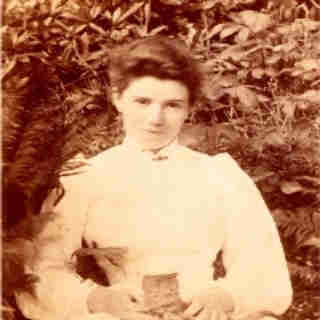 Born in Belfast Ireland, to a devout family of Scottish ancestry, Carmichael was educated at home and in England, where she lived with the familt of Robert Wilson after her father’s death. While never officially adopted, she used the hyphenated name Wilson-Carmichael as late as 1912. Her missionary call came through contacts with the Keswick movement. In 1892 she volunteered to the China Inland Mission but was refused on health grounds. However, in 1893 she sailed for Japan as the first Keswick missionary to join the Church Missionary Society (CMS) work led by Barclay Buxton. After less than two years in Japan and Ceylon, she was back in England before the end of 1894. The next year she volunteered to the Church of England Zenana Missionary Society, and in November 1895 she arrived in South India, never to leave. While still learning the difficult Tamil language, she commenced itinerant evangelism with a band of Indian Christian women, guided by the CMS missionary Thomas Walker. She soon found herself responsible for Indian women converts, and in 1901, she, the Walkers, and their Indian colleagues settled in Dohnavur. During her village itinerations, she had become increasingly aware of the fact that many Indian children were dedicated to the gods by their parents or guardians, became temple children, and lived in moral and spiritual danger. It became her mission to rescue and raise these children, and so the Dohnavur Fellowship came into being (registered 1927). Known at Dohnavur as Amma (Mother), Carmichael was the leader, and the work became well known through her writing. Workers volunteered and financial support was received, though money was never solicited. In 1931 she had a serious fall, and this, with arthritis, kept her an invalid for the rest of her life. She continued to write, and identified leaders, missionary and Indian, to take her place. The Dohnavur Fellowship still continues today.
Jocelyn Murray, “Carmichael, Amy Beatrice,” in Biographical Dictionary of Christian Missions, ed. Gerald H. Anderson (New York: Macmillan Reference USA, 1998), 116.
This article is reprinted from Biographical Dictionary of Christian Missions, Macmillan Reference USA, copyright © 1998 Gerald H. Anderson, by permission of Macmillan Reference USA, New York, NY. All rights reserved.
“Ammai” of orphans and holiness author
Amy Carmichael was born in Ireland in 1867, the oldest of seven children. As a teen, she attended a Wesleyan Methodist girls boarding school, until her father died when she was 18. Carmichael twice attended Keswick Conventions and experienced a holiness conversion which led her to work among the poor in Belfast. Through the Keswick Conventions, Carmichael met Robert Wilson. He developed a close relationship with the young woman, and invited her to live with his family. Carmichael soon felt a call to mission work and applied to the China Inland Mission as Amy Carmichael-Wilson. Although she did not go to China due to health reasons, Carmichael did go to Japan for a brief period of time. There she dressed in kimonos and began to learn Japanese. Her letters home from Japan became the basis for her first book, From Sunrise Land. Carmichael left Japan due to health reasons, eventually returning to England. She soon accepted a position with the Church of England’s Zenana Missionary Society, serving in India. From 1895 to 1925, her work with orphans in Tinnevelly (now Tirunelveli) was supported by the Church of England. After that time, Carmichael continued her work in the faith mission style, establishing an orphanage in Dohnavur. The orphanage first cared for girls who had been temple girls, who would eventually become temple prostitutes. Later the orphanage accepted boys as well.
Carmichael never returned to England after arriving in India. She wrote prolifically, publishing nearly 40 books. In her personal devotions, she relied on scripture and poetry. She wrote many of her own poems and songs. Carmichael had a bad fall in 1931, which restricted her movement. She stayed in her room, writing and studying. She often quoted Julian of Norwich when she wrote of suffering and patience. Many of Carmichael’s books have stories of Dohnavur children, interspersed with scripture, verses, and photographs of the children or nature. Carmichael never directly asked for funding, but the mission continued to be supported through donations. In 1951 Carmichael died at Dohnavur. Her headstone is inscribed “Ammai”, revered mother, which the children of Dohnavur called Carmichael.
Carmichael’s lengthy ministry at Dohnavur was sustained through her strong reliance upon scripture and prayer. Her early dedication to holiness practices and her roots in the Keswick tradition helped to guide her strong will and determination in her mission to the children of southern India.
by Rev. Lisa Beth White
Born in Belfast Ireland, to a devout family of Scottish ancestry, Carmichael was educated at home and in England, where she lived with the familt of Robert Wilson after her father’s death. While never officially adopted, she used the hyphenated name Wilson-Carmichael as late as 1912. Her missionary call came through contacts with the Keswick movement. In 1892 she volunteered to the China Inland Mission but was refused on health grounds. However, in 1893 she sailed for Japan as the first Keswick missionary to join the Church Missionary Society (CMS) work led by Barclay Buxton. After less than two years in Japan and Ceylon, she was back in England before the end of 1894. The next year she volunteered to the Church of England Zenana Missionary Society, and in November 1895 she arrived in South India, never to leave. While still learning the difficult Tamil language, she commenced itinerant evangelism with a band of Indian Christian women, guided by the CMS missionary Thomas Walker. She soon found herself responsible for Indian women converts, and in 1901, she, the Walkers, and their Indian colleagues settled in Dohnavur. During her village itinerations, she had become increasingly aware of the fact that many Indian children were dedicated to the gods by their parents or guardians, became temple children, and lived in moral and spiritual danger. It became her mission to rescue and raise these children, and so the Dohnavur Fellowship came into being (registered 1927). Known at Dohnavur as Amma (Mother), Carmichael was the leader, and the work became well known through her writing. Workers volunteered and financial support was received, though money was never solicited. In 1931 she had a serious fall, and this, with arthritis, kept her an invalid for the rest of her life. She continued to write, and identified leaders, missionary and Indian, to take her place. The Dohnavur Fellowship still continues today.
Jocelyn Murray, “Carmichael, Amy Beatrice,” in Biographical Dictionary of Christian Missions, ed. Gerald H. Anderson (New York: Macmillan Reference USA, 1998), 116.
This article is reprinted from Biographical Dictionary of Christian Missions, Macmillan Reference USA, copyright © 1998 Gerald H. Anderson, by permission of Macmillan Reference USA, New York, NY. All rights reserved.
“Ammai” of orphans and holiness author
Amy Carmichael was born in Ireland in 1867, the oldest of seven children. As a teen, she attended a Wesleyan Methodist girls boarding school, until her father died when she was 18. Carmichael twice attended Keswick Conventions and experienced a holiness conversion which led her to work among the poor in Belfast. Through the Keswick Conventions, Carmichael met Robert Wilson. He developed a close relationship with the young woman, and invited her to live with his family. Carmichael soon felt a call to mission work and applied to the China Inland Mission as Amy Carmichael-Wilson. Although she did not go to China due to health reasons, Carmichael did go to Japan for a brief period of time. There she dressed in kimonos and began to learn Japanese. Her letters home from Japan became the basis for her first book, From Sunrise Land. Carmichael left Japan due to health reasons, eventually returning to England. She soon accepted a position with the Church of England’s Zenana Missionary Society, serving in India. From 1895 to 1925, her work with orphans in Tinnevelly (now Tirunelveli) was supported by the Church of England. After that time, Carmichael continued her work in the faith mission style, establishing an orphanage in Dohnavur. The orphanage first cared for girls who had been temple girls, who would eventually become temple prostitutes. Later the orphanage accepted boys as well.
Carmichael never returned to England after arriving in India. She wrote prolifically, publishing nearly 40 books. In her personal devotions, she relied on scripture and poetry. She wrote many of her own poems and songs. Carmichael had a bad fall in 1931, which restricted her movement. She stayed in her room, writing and studying. She often quoted Julian of Norwich when she wrote of suffering and patience. Many of Carmichael’s books have stories of Dohnavur children, interspersed with scripture, verses, and photographs of the children or nature. Carmichael never directly asked for funding, but the mission continued to be supported through donations. In 1951 Carmichael died at Dohnavur. Her headstone is inscribed “Ammai”, revered mother, which the children of Dohnavur called Carmichael.
Carmichael’s lengthy ministry at Dohnavur was sustained through her strong reliance upon scripture and prayer. Her early dedication to holiness practices and her roots in the Keswick tradition helped to guide her strong will and determination in her mission to the children of southern India.
by Rev. Lisa Beth White
Fatherhood for Imperfect Dads
My wife and I raised perfect children. By the time they were ten years old, they had memorized the New Testament. They came each morning to the family breakfast table with cheerful songs on their tongues, the melodies caressing their freshly brushed teeth. At an early age, they volunteered to launder their own clothes and never once complained about their studies. They never used a whiny tone of voice with their mother, and they affectionately call me “dearest father” to this very day. I can’t recall correcting them. They were thrilled to share their belongings with each other. We never heard a mumbling word. Yeah, right. There are no perfect children. Vicki and I didn’t raise any, and my parents didn’t raise any either. Neither did yours. We live on a fallen and cursed planet. You are a sinner, and your children are too. They not only fall short of the glory of God, but they fall short of the expectations of their inglorious dads. “Don’t give up on fatherhood just because perfection seems continually out of reach.” But all is not lost. Fathers, don’t give up on fatherhood just because perfection seems continually out of reach. God extends more than enough grace to compensate for our shortcomings as dads. Children of defective parents — your children — can end up relishing God. When Dreams Hit Reality Expectations breed strong emotions, and unmet expectations even stronger ones. When our expectations collide with real life, the mismatch can erupt in a whole range of emotions — from dismay to sorrow to fuming anger. Mostly fuming anger. That’s what happens when people do what you don’t expect them to, or don’t do what you do expect them to. Desires launch assumptions, which are then fueled by narratives we have subtly adopted. Such as: Unlike other children, my children will never make a big mess or be fussy in church. I will lose standing in the community if my kids don’t go to college. My children will replicate only my good traits and not my flaws and sinful attitudes. My kids will be spiritually advanced for their age. Acting wisely and avoiding emotional hijacks requires winning the crucial battle — an unceasingly ongoing one — to align your expectations with reality. Those children you love dearly will sin dreadfully. As you have. Observe the one reality you cannot avoid in your parenting: you and your sinful nature. Your children not only live with your sin — they inherit it. “Those children you love dearly will sin dreadfully. As you have.” But parenting is not to be dreaded. To dread parenting exposes a misplaced love that you perceive to be in danger — like a love for your reputation if your kids mess up, or a love for your schedule if your kids make a mess when you’re already running late. The steadfast love of God is never in danger, and if your aim in parenting is to draw attention to his love, you have nothing to dread on that score. Safe Expectations Some expectations, however, will certainly come to pass. You can plan on the fact that your parenting will never go exactly according to your plan. Your parenting plan isn’t perfectly wise, because you are not perfectly wise. My wife has a placard that says, “Man plans. God laughs.” In contrast to our plans, God’s plan for your parenting is perfectly wise. You are not sovereign. He is. And in his perfection, he assigned your children their father — namely, you. Parenting is nevertheless a humbling experience. Your parenting won’t be flawless any more than your marriage has been without disappointments. You will face regret — regret that you weren’t a better parent, that you passed on your imperfections to your children, that you displayed anger at them for being like you, that you didn’t know as much as you had hoped you would. My kids are now middle-aged themselves, all of them parenting their own unique God-given brood. And one of the disappointments I didn’t expect early on is that they haven’t passed along to their own children some of the lessons I insisted on giving to them. For example, when my children were still living at home, I led family discussions about everything from Charles Finney’s approach to confessing sin, to how eye traps work (seductive clothing), to the value of singing together. As a grandparent, I don’t hear those lessons emphasized in the same ways in their homes. Meanwhile, they love their children deeply, and point them to Jesus in other ways I never did. So there’s another side to this expectation coin. God provides occasions when your children exceed your expectations, times when you wish you were like them. Some of our children treat every day as a new day, forgiving yesterday’s offenses. Some are generous to a fault. Some seem impervious to peer pressure. In a crucial sense, your children grow you. That is, they are God-sent instruments for your growth in maturity, your sanctification, your alignment with God’s plan for your Christlikeness. Questions for Fathers With some safe expectations in place, what steps might dads take to remove some of the imperfections from their imperfect parenting? Fathers who rightly relate to God are on firm footing for rightly relating to their children. So how is your own relationship with your heavenly Father? Do you “seek first the kingdom of God and his righteousness,” trusting that “all these things will be added to you” (Matthew 6:33)? Would people who know you best say that you truly want what God wants for your children? Would you say it about yourself? Would God say it about you? How do you parent today in relation to how you were parented? Are you replicating the errors of your own mom or dad? Are you motivated to avoid repeating the same errors? Once grace enables you to become aware of their errors, that same grace can enable you to break from those errors in your own parenting. Generational sins can be broken: “Now suppose this man fathers a son who sees all the sins that his father has done; he sees, and does not do likewise” (Ezekiel 18:14). Ask God to help you seek his kingdom first in your family, especially in those places where you are tempted to repeat the errors of the past. Humble Fatherhood Perhaps most of all, however, we dads need humility. Even if your way of raising children is a good way, beware of concluding your way is the best way, much less the only way. In other words, remain teachable. One day it dawned on me that my small children could teach me a few lessons about my parenting. That was God whispering to me through my children. Fathers, your offspring won’t admire everything about you. They’ll learn stuff you didn’t teach them. They’ll be better than you at some skills and more developed in certain character qualities. Your personal flaws will exert lingering influence on them. Pray for mercy. They may or may not follow your preferred career for them. They will not develop uniformly without setbacks, nor be identical to their siblings. Recognize individuality. Even though you work at it — and you are wise to do so — you will not always have your wife’s enthusiastic support in every aspect of parenting, from bedtimes to how much should be spent on gifts. Be gentle. Be humble. Seek God for more grace. Although not all of your expectations will be fulfilled in fathering, you can continue to grow and step into God’s great privilege of being their dad. Article by Sam Crabtree