






About the Book
"COME ALIVE" by Frances Hunter explores the principles of spiritual warfare and the power of worship in overcoming personal struggles and challenges. The book offers practical guidance and biblical insight for believers seeking to experience spiritual breakthrough and abundant life in Christ.
Brother Yun
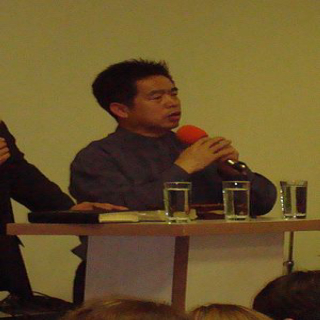 Brother Yun was born in February 1958 in the province of Henan. His original name was Liu Zhenying (刘振营).
Brother Yun became a believer at the age of 16. Soon after he became a Christian, God called him to be His witness in the west and south. As he was obedient to the calling, he eventually became a witness of Christ not just in the western and southern parts of China, but throughout China and in the nations beyond China as well.
Brother Yun was born into a poor family. His family’s financial situation took a turn for the worst when his father became ill with an asthmatic condition that led to lung cancer eventually. His life got worse when he became a Christian as he suffered severe trials and persecutions. In the midst of suffering for the Lord, however, he experienced miracle after miracle, which helped to strengthen his faith.
HOW BROTHER YUN BECAME A BELIEVER
In 1974, Brother Yun’s father became ill with lung cancer. His mother, who had been a Christian for many years but had become spiritually cold after the expulsion of Western missionaries during the Cultural Revolution, felt a deep sense of desperation because if her husband had died then, it would leave the family in dire straits. She thought of committing suicide. One evening, as she was lying in bed, she heard a voice saying to her that Jesus loved her. In tears and in repentance, she rededicated her life to God and gathered her family to pray for her husband. The next morning, her husband got better and as a result, everyone in the family, including Brother Yun, put their faith in God.
HIS HUNGER FOR THE WORD OF GOD
Brother Yun was 16 when he became a Christian. Soon after, he started hungering for the Word of God. However, his family did not have a Bible. He began asking his mother who Jesus was. In response, his mother would tell him that Jesus was the Son of God and that He had recorded all His teachings in the Bible.
Brother Yun wanted a Bible and his mother recalled that there was a man in another village who had one. So she brought him to see the man. The man was too afraid to show Brother Yun his Bible. So he suggested to the latter that he could pray and ask God for one.
Brother Yun decided to fast and pray for a Bible. For the next 100 days, he ate only one bowl of steamed rice everyday. One day at 4am, after fasting for 100 days, he saw a vision. In the vision, he was walking up a steep hill and trying to push a heavy cart at the same time. He was heading towards a village where he intended to beg for food for his family. He struggled greatly as he continued his climb uphill. The cart was about to roll back and fall on him when he saw three men walking down the hill in the opposite direction. One of them was a kind old man and he was pulling a large cart of fresh bread. When the old man saw Brother Yun, he asked him if he was hungry. He said ‘yes’ and started crying. The old man then took a red bag of bread from his cart and asked his two servants to give it to Brother Yun. As he put the bread into his mouth, it immediately turned into a Bible.
Upon waking up, Brother Yun began to search for the Bible. His search, however, was in vain. All of a sudden, he heard a faint knock on the door and someone was calling out his name. Immediately, he recognised the voice – it was the same voice he had heard in the vision. He quickly opened the door and standing before him were the two servants he had seen in the vision. One of them held a red bag in his hand. In this red bag was a Bible.
It was later that Brother Yun found out the names of the two men. One was Brother Wang while the other was Brother Sung. They were sent by an evangelist to give Brother Yun the Bible. The evangelist, who had suffered terribly during the Cultural Revolution and had nearly died while being tortured, had received a vision from God. In the vision, God showed him Brother Yun’s house and the location of his village. He was asked to give his Bible to Brother Yun. However, he did not obey God until three months later.
Brother Yun began to devour the Word of God. Even though he could hardly read, this did not deter him at all. When he had finished reading the entire Bible, he started to memorise one chapter per day. In 28 days, he had memorised the Gospel of Matthew. Then he went on to memorise the Book of Acts and so forth.
OBEDIENT TO THE CALL OF GOD
One morning at 4am, Brother Yun had a dream. In the dream, God asked him to be His witness in the west and south. In the same dream, he saw a young man from the south coming to his house. And so at daybreak, he told his mother to expect the young man’s visit and to ask him to wait for him. Then he sat off to a village he had never heard of in the west. The people in this village had been praying for him to visit as they had heard about how he had prayed for a Bible and got it.
When the meeting at the village concluded and Brother Yun got ready to leave, the villagers refused to let him go. So he stayed on and recited to them the first twelve chapters from the Book of Acts. After that, the villagers finally let him go. From the village to his house, it could take up to 2 hours to walk. Because he did not want to make the young man from the south wait too long, he decided to run home. All of a sudden, he found himself entering his village without any apparent time lapse. What should have taken him a few hours took him just a few moments. It was as if God had supernaturally transported him back to his village.
PERSECUTIONS AND MIRACLES IN HIS LIFE
Brother Yun was arrested by security police numerous times and was thrown into prison three times for sharing the gospel in communist China.
When Brother Yun was arrested the first time, he was only 17 years old. At that time, he was ministering at a meeting far away from home. After he was caught, he was thrown into a freezing cold prison cell. There was no heat in the cell and his winter coat had been thrown into the snow by the security police who had caught him. He began to sing Psalm 150 aloud. The more he sang, the more he was filled with joy. Gradually, his frozen hands and feet regained feeling and he no longer felt cold.
During his first imprisonment in Nanyang, Brother Yun felt that God wanted him to fast without food and water until he could see his family again. This fast lasted 74 days, which was humanly impossible but yet was made possible because he chose to obey God.
During those times when Brother Yun was in the hands of government officials, he was repeatedly beaten and tortured with electric batons. He was also kicked and trampled upon. Furthermore, he had needles being jabbed underneath his fingernails.
Once, Brother Yun was paraded through the streets with a red cross tied behind him for half a day. When night fell, he was locked and left alone inside a large interrogation room. The wooden cross was taken off his back but his hands were still tied up. All of a sudden, the rope that was used to tie his hands snapped by itself. He immediately walked out of the interrogation room and walked through the courtyard in the midst of onlookers. Nobody stopped him or said anything to him. It was as if God had blinded their eyes and they did not even recognise who he was.
Because the front gate was locked, the only way Brother Yun could get out was to climb over an eight-foot high cement wall. He climbed up as much as he could manage. Then he looked over the wall and saw that there was a ten-foot wide open tank directly below. Suddenly, he felt as if someone had lifted him up and thrown him over. He was thrown so far that he did not land in the tank.
Brother Yun’s 3rd imprisonment was a very dark period in his life as the prison guards in the maximum security prison were determined to prevent his escape. So they beat his legs to cripple him permanently. They had him beaten up everyday, even in his crippled state. One day, God instructed him to escape from the prison. This was confirmed by a brother-in-Christ. Thus, on May 5, 1997, he miraculously walked past dozens of prison guards and out of the maximum security prison. It was as if he had become invisible to the guards. He did not realise that his legs had been miraculously healed until later.
Throughout all the horrendous and painful experiences that Brother Yun went through, the word of the Lord kept coming to him, encouraging him and strengthening his faith.
BROTHER YUN’S MINISTRY
Brother Yun eventually escaped China and sought asylum in Germany in 2001. Since then, he has been continuing his ministry from there and has spoken to congregations internationally. He has founded “Back to Jerusalem” Movement and has been sending missionaries out from China to share the gospel in the least-reached nations.
Brother Yun’s life and ministry have impacted many lives. Thousands of people have become Christians through his ministry. It is thus inevitable that fellow Christians have allowed themselves to be used as instruments of wickedness to attack his reputation. The co-author of The Heavenly Man, Paul Hattaway has aptly put it this way, “Many of the great Christian leaders throughout history have been the subject of brutal attacks from other Christians.”
AFTERTHOUGHT
Brother Yun’s childlike faith and his prompt obedience to God’s call are exemplary. It is incredible that he has remained faithful to God despite the tremendous suffering and persecutions he has gone through.
Brother Yun was born in February 1958 in the province of Henan. His original name was Liu Zhenying (刘振营).
Brother Yun became a believer at the age of 16. Soon after he became a Christian, God called him to be His witness in the west and south. As he was obedient to the calling, he eventually became a witness of Christ not just in the western and southern parts of China, but throughout China and in the nations beyond China as well.
Brother Yun was born into a poor family. His family’s financial situation took a turn for the worst when his father became ill with an asthmatic condition that led to lung cancer eventually. His life got worse when he became a Christian as he suffered severe trials and persecutions. In the midst of suffering for the Lord, however, he experienced miracle after miracle, which helped to strengthen his faith.
HOW BROTHER YUN BECAME A BELIEVER
In 1974, Brother Yun’s father became ill with lung cancer. His mother, who had been a Christian for many years but had become spiritually cold after the expulsion of Western missionaries during the Cultural Revolution, felt a deep sense of desperation because if her husband had died then, it would leave the family in dire straits. She thought of committing suicide. One evening, as she was lying in bed, she heard a voice saying to her that Jesus loved her. In tears and in repentance, she rededicated her life to God and gathered her family to pray for her husband. The next morning, her husband got better and as a result, everyone in the family, including Brother Yun, put their faith in God.
HIS HUNGER FOR THE WORD OF GOD
Brother Yun was 16 when he became a Christian. Soon after, he started hungering for the Word of God. However, his family did not have a Bible. He began asking his mother who Jesus was. In response, his mother would tell him that Jesus was the Son of God and that He had recorded all His teachings in the Bible.
Brother Yun wanted a Bible and his mother recalled that there was a man in another village who had one. So she brought him to see the man. The man was too afraid to show Brother Yun his Bible. So he suggested to the latter that he could pray and ask God for one.
Brother Yun decided to fast and pray for a Bible. For the next 100 days, he ate only one bowl of steamed rice everyday. One day at 4am, after fasting for 100 days, he saw a vision. In the vision, he was walking up a steep hill and trying to push a heavy cart at the same time. He was heading towards a village where he intended to beg for food for his family. He struggled greatly as he continued his climb uphill. The cart was about to roll back and fall on him when he saw three men walking down the hill in the opposite direction. One of them was a kind old man and he was pulling a large cart of fresh bread. When the old man saw Brother Yun, he asked him if he was hungry. He said ‘yes’ and started crying. The old man then took a red bag of bread from his cart and asked his two servants to give it to Brother Yun. As he put the bread into his mouth, it immediately turned into a Bible.
Upon waking up, Brother Yun began to search for the Bible. His search, however, was in vain. All of a sudden, he heard a faint knock on the door and someone was calling out his name. Immediately, he recognised the voice – it was the same voice he had heard in the vision. He quickly opened the door and standing before him were the two servants he had seen in the vision. One of them held a red bag in his hand. In this red bag was a Bible.
It was later that Brother Yun found out the names of the two men. One was Brother Wang while the other was Brother Sung. They were sent by an evangelist to give Brother Yun the Bible. The evangelist, who had suffered terribly during the Cultural Revolution and had nearly died while being tortured, had received a vision from God. In the vision, God showed him Brother Yun’s house and the location of his village. He was asked to give his Bible to Brother Yun. However, he did not obey God until three months later.
Brother Yun began to devour the Word of God. Even though he could hardly read, this did not deter him at all. When he had finished reading the entire Bible, he started to memorise one chapter per day. In 28 days, he had memorised the Gospel of Matthew. Then he went on to memorise the Book of Acts and so forth.
OBEDIENT TO THE CALL OF GOD
One morning at 4am, Brother Yun had a dream. In the dream, God asked him to be His witness in the west and south. In the same dream, he saw a young man from the south coming to his house. And so at daybreak, he told his mother to expect the young man’s visit and to ask him to wait for him. Then he sat off to a village he had never heard of in the west. The people in this village had been praying for him to visit as they had heard about how he had prayed for a Bible and got it.
When the meeting at the village concluded and Brother Yun got ready to leave, the villagers refused to let him go. So he stayed on and recited to them the first twelve chapters from the Book of Acts. After that, the villagers finally let him go. From the village to his house, it could take up to 2 hours to walk. Because he did not want to make the young man from the south wait too long, he decided to run home. All of a sudden, he found himself entering his village without any apparent time lapse. What should have taken him a few hours took him just a few moments. It was as if God had supernaturally transported him back to his village.
PERSECUTIONS AND MIRACLES IN HIS LIFE
Brother Yun was arrested by security police numerous times and was thrown into prison three times for sharing the gospel in communist China.
When Brother Yun was arrested the first time, he was only 17 years old. At that time, he was ministering at a meeting far away from home. After he was caught, he was thrown into a freezing cold prison cell. There was no heat in the cell and his winter coat had been thrown into the snow by the security police who had caught him. He began to sing Psalm 150 aloud. The more he sang, the more he was filled with joy. Gradually, his frozen hands and feet regained feeling and he no longer felt cold.
During his first imprisonment in Nanyang, Brother Yun felt that God wanted him to fast without food and water until he could see his family again. This fast lasted 74 days, which was humanly impossible but yet was made possible because he chose to obey God.
During those times when Brother Yun was in the hands of government officials, he was repeatedly beaten and tortured with electric batons. He was also kicked and trampled upon. Furthermore, he had needles being jabbed underneath his fingernails.
Once, Brother Yun was paraded through the streets with a red cross tied behind him for half a day. When night fell, he was locked and left alone inside a large interrogation room. The wooden cross was taken off his back but his hands were still tied up. All of a sudden, the rope that was used to tie his hands snapped by itself. He immediately walked out of the interrogation room and walked through the courtyard in the midst of onlookers. Nobody stopped him or said anything to him. It was as if God had blinded their eyes and they did not even recognise who he was.
Because the front gate was locked, the only way Brother Yun could get out was to climb over an eight-foot high cement wall. He climbed up as much as he could manage. Then he looked over the wall and saw that there was a ten-foot wide open tank directly below. Suddenly, he felt as if someone had lifted him up and thrown him over. He was thrown so far that he did not land in the tank.
Brother Yun’s 3rd imprisonment was a very dark period in his life as the prison guards in the maximum security prison were determined to prevent his escape. So they beat his legs to cripple him permanently. They had him beaten up everyday, even in his crippled state. One day, God instructed him to escape from the prison. This was confirmed by a brother-in-Christ. Thus, on May 5, 1997, he miraculously walked past dozens of prison guards and out of the maximum security prison. It was as if he had become invisible to the guards. He did not realise that his legs had been miraculously healed until later.
Throughout all the horrendous and painful experiences that Brother Yun went through, the word of the Lord kept coming to him, encouraging him and strengthening his faith.
BROTHER YUN’S MINISTRY
Brother Yun eventually escaped China and sought asylum in Germany in 2001. Since then, he has been continuing his ministry from there and has spoken to congregations internationally. He has founded “Back to Jerusalem” Movement and has been sending missionaries out from China to share the gospel in the least-reached nations.
Brother Yun’s life and ministry have impacted many lives. Thousands of people have become Christians through his ministry. It is thus inevitable that fellow Christians have allowed themselves to be used as instruments of wickedness to attack his reputation. The co-author of The Heavenly Man, Paul Hattaway has aptly put it this way, “Many of the great Christian leaders throughout history have been the subject of brutal attacks from other Christians.”
AFTERTHOUGHT
Brother Yun’s childlike faith and his prompt obedience to God’s call are exemplary. It is incredible that he has remained faithful to God despite the tremendous suffering and persecutions he has gone through.
Act Like Men of God
How do men who believe in Jesus become more like Jesus? What is a man of God really like? When the apostle Paul wrote to a younger man, casting vision for what he might become in Christ, he charged him, Let no one despise you for your youth, but set the believers an example in speech, in conduct, in love, in faith, in purity. (1 Timothy 4:12) While the qualities in this verse may apply to young men and women alike, I find that they provide a simple yet challenging paradigm for becoming men of God. Previously, I addressed the first of these qualities, speech, with seven lessons for what men say. Now I want to press in to a godly man’s conduct. What does it mean for a man to set an example in his conduct? It’s an intentionally broad, all-encompassing term in Scripture, and it is often paired with speech (for example, Romans 15:18 and Colossians 3:17) — so, what we say and what we do. When it comes to our conduct, we might ask, What does the way we live say about Jesus? What kinds of conclusions would people draw about our Lord after watching us closely for a week, a month, a year? Uncommon Lifestyle In one sense, most of Paul’s letters address our conduct (directly or indirectly). In the immediate context of 1 Timothy, though, the elder qualifications in chapter 3 name and unpack some critical qualities of a godly man, including his conduct. While the qualifications are given for aspiring elders, they are not exclusive to these men — except, perhaps, for the ability to teach. Even with teaching, however, every man should aspire to handle God’s word faithfully, with accuracy and care. The qualities in the qualifications are simply what every Christian man should strive to be — and several of them speak specifically to how we live. The word that Paul uses for conduct also shows up a number of times in the apostle Peter’s letters (much more than in Paul), so we might also look to Peter to understand more fully what Paul charged Timothy (and us) to be and do. Between the elder qualifications and Peter’s instruction, we can isolate some specific ways men who believe in God become greater men of God in our conduct. This list of qualities is not exhaustive, but gives aspiring young men specific spiritual qualities to pursue. Men of Holiness Above all else, the lives of godly men are marked by holiness. “Do not be conformed to the passions of your former ignorance, but as he who called you is holy, you also be holy in all your conduct, since it is written, ‘You shall be holy, for I am holy’” (1 Peter 1:14–16). Some men continue to nurture and indulge the cravings of their flesh — lust, anger, greed, laziness, selfishness. Others wisely and joyfully seek to put to death their remaining sin (Romans 8:13). They strive to conform their conduct — all of their conduct — to the conduct of Christ (Romans 8:29). “What sort of men should we be? Holy men. Temptation-defying men. Sin-crucifying men.” “Since all these things [that is, heaven and earth] are thus to be dissolved,” Peter writes elsewhere, “what sort of people ought you to be in lives of holiness and godliness?” (2 Peter 3:11). We might translate the phrase “in lives of holiness” more literally as “in holy conduct” (the same word we’ve seen so far). So, in light of who Jesus really is, and the reality that he is coming again, what sort of men should we be? Holy men. Temptation-defying men. Sin-crucifying men. Not self-righteous men, but humble men who long to live like Jesus. Men of Self-Control Pursuing holiness will mean developing self-control. Women, of course, need self-control too (Titus 2:3–5). But given what God expects of heads of households and shepherds in the church, the cultivation of self-control is of particular importance for young men (1 Timothy 3:2; Titus 1:8). “This is the will of God, your sanctification: that you abstain from sexual immorality; that each one of you know how to control his own body in holiness and honor” (1 Thessalonians 4:3–4). If we want our conduct to magnify the worth of our Savior, we have to learn how to control unholy and dishonorable impulses within us. And not just with our bodies, but with our time, our spending, even our attention. Growing in godliness will mean regularly saying no (and often to good things). “Make every effort to supplement your faith with virtue, and virtue with knowledge, and knowledge with self-control . . .” (2 Peter 1:5–6). Where do you need to grow in self-control? What do you struggle to say no to, even when you know you should? Men of Sincerity Men of God also pursue God with sincerity. “Our boast is this, the testimony of our conscience, that we behaved in the world with simplicity and godly sincerity” (2 Corinthians 1:12). Sincerity is freedom from pretense or hypocrisy. A sincere man is the same in secret as he is everywhere else. His conduct is not a concerted effort to cover or compensate for his immaturities. It is the natural and consistent (not perfect) fruit of an increasingly healthy and holy soul. Paul’s counsel to servants applies well to all our conduct: “Obey in everything those who are your earthly masters, not by way of eye-service, as people-pleasers, but with sincerity of heart, fearing the Lord” (Colossians 3:22). This kind of man does not live and work to be seen a certain way, but lives and works knowing he is always seen by God. He fears God more than he fears the disapproval or rejection of others. And so those who know him well — those in his home, those in church, those he works with day in and day out at the office — know him to be the man he claims to be. Again, he is not perfect, but he is consistent, honest, and humble. Men Who Make Peace Another countercultural pattern among godly men is their commitment to pursue and keep peace. The qualifications say it negatively: a man must not be “quarrelsome” (1 Timothy 3:3). The clear message, though, is not simply an avoidance of petty disagreements, but a pursuit and protection of God-honoring peace. As Paul says elsewhere, “Let us pursue what makes for peace and for mutual upbuilding” (Romans 14:19). Or 2 Corinthians 13:11: “Aim for restoration, comfort one another, agree with one another, live in peace.” In what relationships does this hit home most for you? In the polarized and hostile climate we live in, peacemaking will set men of God apart all the more. They are men who savor the promise, “Blessed are the peacemakers, for they shall be called sons of God” (Matthew 5:9). These are men who disagree charitably and patiently, who initiate difficult private conversations, who take responsibility, who persevere in pursuing peace when others give up and walk away. They are quick to confess and apologize when they have sinned, and even quicker to forgive and restore when sinned against. They know that peace is not cheap, easy, or superficial, but costly, hard-earned, and profound, even miraculous. And so, as far as it depends on them, they pursue it (Romans 12:18). Men of the Home Before a man can lead the church, “he must manage his own household well” (1 Timothy 3:4). How could he shepherd a flock of dozens (or hundreds) if he can’t shepherd the few in his own home? Again, however, this ambition is not only for men aspiring to ministry, but for any man aspiring to maturity. Everything the godly man is and does in the world begins and springs from how he loves at home. Does he love his wife as Christ loved the church (Ephesians 5:25)? Does he train up his children in the way they should go (Proverbs 22:6), without provoking them to anger (Ephesians 6:4), treating them with dignity (1 Timothy 3:4)? “A sincere man is the same in secret as he is everywhere else.” This godly man is also hospitable (1 Timothy 3:2). Meaning, he not only cares well for those within his home, but he also welcomes others into his home. Home, for him, is not a place merely for rest and comfort, but for serving the kingdom of God — first, toward those of the household of faith (Romans 12:13), but also toward those who might yet believe (Hebrews 13:2). All of this is relevant to single men as well. First of all, if you eventually marry and have children, you are becoming now the man you will be then. Marriage will not make you a different man overnight; but it will soon reveal the kind of man you are. And even if you never marry, the heart of what is required here still applies. Are you the kind of man who cares for the needs of others — for roommates, for neighbors, for extended family, for the young and the old in your church? Singleness does not keep us from spiritual fatherhood and brotherhood. If anything, it may make us all the more available to those in need. Men Who Do Good In some ways, this last thread may help tie together the others. How do we set an example with our conduct? What does God want us to do? In the end, the man of God stands out for doing good. What Paul says to the rich applies to us all: “They are to do good, to be rich in good works” (1 Timothy 6:18). And not just rich in good works — so, doing lots of good works — but “zealous for good works” (Titus 2:14). The good of others, especially the eternal good of others — the good of knowing and enjoying Jesus — is an ambition these men bring to each day. It is the ambition of all their ambitions. These men know that just as God chose them before the foundation of the world (Ephesians 1:4), he also prepared good works for them to walk in (Ephesians 2:10). They know that thousands and thousands of years before they were born, God laid out good for them to do — and not just over their lifetime, but today and tomorrow and next Tuesday. And they do not assume the good will just happen, but they give careful thought to how that good will happen (Titus 3:8; see also 3:14). The Man You Once Were Maybe the best way to assess what kind of men we are would be to assess what kind of men we once were. How much has knowing Christ changed you? Paul does not use the word for conduct in 1 Timothy 4:12 often, but when he does, he is describing who he was and how he lived before grace made him someone new: “You have heard of my former life in Judaism, how I persecuted the church of God violently and tried to destroy it” (Galatians 1:13). Or he is describing who we once were: “[You were taught in Christ] to put off your old self, which belongs to your former manner of life and is corrupt through deceitful desires” (Ephesians 4:22; see also 2:3). So how does your current manner of life — your time, your attention, your spending — correspond with your former manner of life? And if you came to faith younger than most, how does your current life correspond to the life you might have lived apart from Christ? Whoever you were, and whoever you are, Peter’s charge is a good one to end with: Conduct yourselves with fear throughout the time of your exile, knowing that you were ransomed from the futile ways inherited from your forefathers, not with perishable things such as silver or gold, but with the precious blood of Christ. (1 Peter 1:17–19) Conduct yourself with a healthy, trusting, joyful fear of God. Conduct yourself as if Christ delivered you from the futility of worldliness. Conduct yourself as if your life was bought with the blood of heaven. Conduct yourself as a man chosen, saved, and sent by God. Article by Marshall Segal