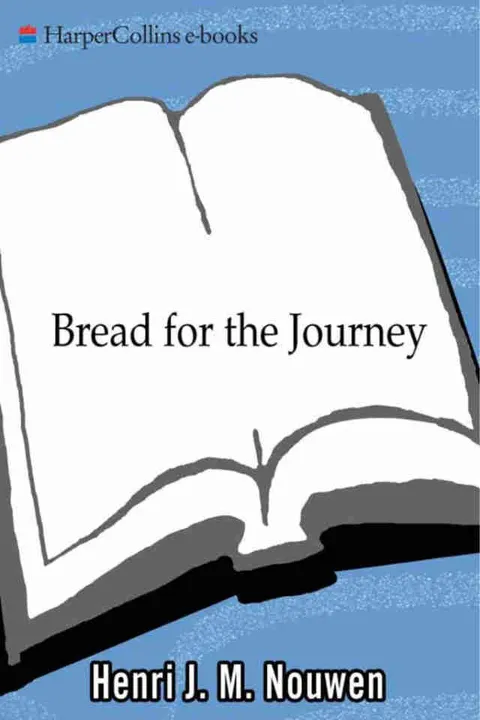

Others like bread for the journey Features >>




About the Book
"Bread for the Journey" by Henri Nouwen is a collection of daily reflections that offer spiritual guidance and encouragement for readers seeking to deepen their relationship with God. Each entry provides a short meditation on themes such as love, forgiveness, and gratitude, encouraging readers to cultivate a daily practice of mindfulness and reflection to nourish their souls and find peace in the midst of life's challenges and joys.
Smith Wigglesworth
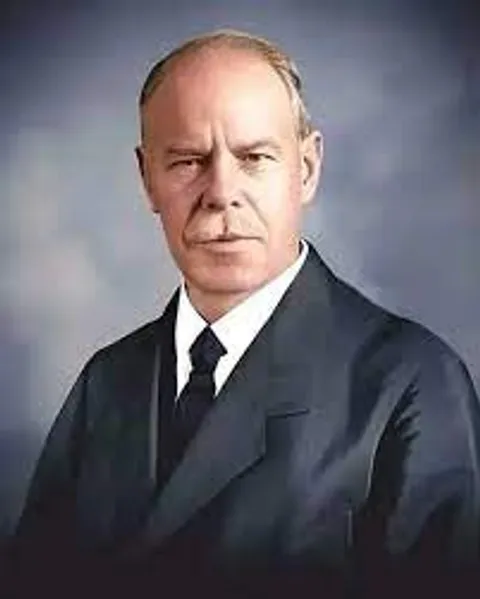 Smith Wigglesworth was born in 1859 to a very poor family. His father did manual labor, for very little pay. Smith himself went to work at the age of six to help with the family income. At six he was pulling turnips and at seven he was working in a woolen mill twelve hours a day. His parents did not know God, but Smith hungered in his heart to know Him. Even as a youngster he would pray in the fields. His grandmother was the critical Christian in his life. She was a Wesleyan Methodist and would take Smith to meetings with her. At one of these meetings there was a song being sung about Jesus as the lamb and Smith came into the realization of God's love for him and his decision to believe Christ for his salvation was decided that day. He was immediately filled with the desire to evangelize and led his own mother to Christ.
Smith has various church experiences as he was growing up. He first went to an Episcopal church and then at thirteen a Wesleyan Methodist church. When he was sixteen he became involved in the Salvation Army. He felt deeply called to fast and pray for lost souls. He saw many people come to Christ. At seventeen a mentor shared with him about water baptism and he decided to be baptized. The Salvation Army was experiencing a tremendous level of the power of God in those days. He describes meetings where "many would be prostrated under the power of the Spirit, sometimes for as long as twenty-four hours at a time." They would pray and fast and cry out for the salvation of fifty or a hundred people for the week and they would see what they had prayed for.
At eighteen Smith left the factory and became a plumber. He moved to Liverpool when he was twenty and continued to work during the day and minister during his free time. He felt called to minister to young people and brought them to meetings. These were destitute and ragged children, whom he would often feed and care for. Hundreds were saved. Smith was often asked to speak in Salvation meetings and he would break down and weep under the power of God. Many would come to repentance in those meetings through this untrained man. At twenty-three he returned back Bradford and continued his work with the Salvation Army.
In Bradford Smith met Mary Jane Featherstone, known as Polly, the daughter of a temperance lecturer. She left home and went to Bradford to take a servants job. One night she was drawn to a Salvation Army meeting. She listened to the woman evangelist, Gipsy Tillie Smith, and gave her heart to Christ. Smith was in that meeting and saw her heart for God. Polly became an enthusiastic Salvationsist and was granted a commission by General Booth. They developed a friendship, but Polly went to Scotland to help with a new Salvationist work. She eventually moved back to Bradford and married Smith, who was very much in love with her.
The couple worked together to evangelize the lost. They opened a small church in a poor part of town. Polly would preach and Smith would make the altar calls. For a season, however, Smith became so busy with his plumbing work that his evangelistic fervor began to wane. Polly continued on, bringing Smith to conviction. One day while Smith was working in the town of Leeds he heard of a divine healing meeting. He shared with Polly about it. She needed healing and so they went to a meeting, and Polly was healed.
Smith struggled with the reality of healing, while being ill himself. He decided to give up the medicine that he was taking and trust God. He was healed. They had five children, a girl and four boys. One morning two of the boys were sick. The power of God came and they prayed for the boys and they were instantly healed. Smith struggled with the idea that God would use him to heal the sick in general. He would gather up a group of people and drive them to get prayer in Leeds. The leaders of the meeting were going to a convention and left Smith in charge. He was horrified. How could he lead a meeting about divine healing? He tried to pass it off to someone else but could not. Finally he led the meeting and several people were healed. That was it. From then on Smith began to pray for people for healing.
Smith had another leap to make. He had heard about the Pentecostals who were being baptized in the Holy Spirit. He went to meetings and was so hungry for God he created a disturbance and church members asked him to stop. He went to prayer and prayed for four days. Finally he was getting ready to head home and the vicar's wife prayed for him and he fell under the power of God and spoke in tongues. Everything changed after that. He would walk by people and they would come under the conviction of the Holy Spirit and be saved. He began to see miracles and healings and the glory of God would fall when he prayed and preached.
Smith had to respond to the many calls that came in and gave up his business for the ministry. Polly unexpectedly died in 1913, and this was a real blow to Smith. He prayed for her and commanded that death release her. She did arise but said "Smith - the Lord wants me." His heartbroken response was "If the Lord wants you, I will not hold you". She had been his light and joy for all the years of their marriage, and he grieved deeply over the loss. After his wife was buried he went to her grave, feeling like he wanted to die. When God told him to get up and go Smith told him only if you "give to me a double portion of the Spirit – my wife’s and my own – I would go and preach the Gospel. God was gracious to me and answered my request.” His daughter Alice and son-in-law James Salter began to travel with him to handle his affairs.
Smith would pray and the blind would see, and the deaf were healed, people came out of wheelchairs, and cancers were destroyed. One remarkable story is when He prayed for a woman in a hospital. While he and a friend were praying she died. He took her out of the bed stood her against the wall and said "in the name of Jesus I rebuke this death". Her whole body began to tremble. The he said "in the name of Jesus walk", and she walked. Everywhere he would go he would teach and then show the power of God. He began to receive requests from all over the world. He taught in Europe, Asia, New Zealand and many other areas. When the crowds became very large he began a "wholesale healing". He would have everyone who needed healing lay hands on themselves and then he would pray. Hundreds would be healed at one time.
Over Smith's ministry it was confirmed that 14 people were raised from the dead. Thousands were saved and healed and he impacted whole continents for Christ. Smith died on March 12, 1947 at the funeral of his dear friend Wilf Richardson. His ministry was based on four principles " First, read the Word of God. Second, consume the Word of God until it consumes you. Third believe the Word of God. Fourth, act on the Word."
Smith Wigglesworth was born in 1859 to a very poor family. His father did manual labor, for very little pay. Smith himself went to work at the age of six to help with the family income. At six he was pulling turnips and at seven he was working in a woolen mill twelve hours a day. His parents did not know God, but Smith hungered in his heart to know Him. Even as a youngster he would pray in the fields. His grandmother was the critical Christian in his life. She was a Wesleyan Methodist and would take Smith to meetings with her. At one of these meetings there was a song being sung about Jesus as the lamb and Smith came into the realization of God's love for him and his decision to believe Christ for his salvation was decided that day. He was immediately filled with the desire to evangelize and led his own mother to Christ.
Smith has various church experiences as he was growing up. He first went to an Episcopal church and then at thirteen a Wesleyan Methodist church. When he was sixteen he became involved in the Salvation Army. He felt deeply called to fast and pray for lost souls. He saw many people come to Christ. At seventeen a mentor shared with him about water baptism and he decided to be baptized. The Salvation Army was experiencing a tremendous level of the power of God in those days. He describes meetings where "many would be prostrated under the power of the Spirit, sometimes for as long as twenty-four hours at a time." They would pray and fast and cry out for the salvation of fifty or a hundred people for the week and they would see what they had prayed for.
At eighteen Smith left the factory and became a plumber. He moved to Liverpool when he was twenty and continued to work during the day and minister during his free time. He felt called to minister to young people and brought them to meetings. These were destitute and ragged children, whom he would often feed and care for. Hundreds were saved. Smith was often asked to speak in Salvation meetings and he would break down and weep under the power of God. Many would come to repentance in those meetings through this untrained man. At twenty-three he returned back Bradford and continued his work with the Salvation Army.
In Bradford Smith met Mary Jane Featherstone, known as Polly, the daughter of a temperance lecturer. She left home and went to Bradford to take a servants job. One night she was drawn to a Salvation Army meeting. She listened to the woman evangelist, Gipsy Tillie Smith, and gave her heart to Christ. Smith was in that meeting and saw her heart for God. Polly became an enthusiastic Salvationsist and was granted a commission by General Booth. They developed a friendship, but Polly went to Scotland to help with a new Salvationist work. She eventually moved back to Bradford and married Smith, who was very much in love with her.
The couple worked together to evangelize the lost. They opened a small church in a poor part of town. Polly would preach and Smith would make the altar calls. For a season, however, Smith became so busy with his plumbing work that his evangelistic fervor began to wane. Polly continued on, bringing Smith to conviction. One day while Smith was working in the town of Leeds he heard of a divine healing meeting. He shared with Polly about it. She needed healing and so they went to a meeting, and Polly was healed.
Smith struggled with the reality of healing, while being ill himself. He decided to give up the medicine that he was taking and trust God. He was healed. They had five children, a girl and four boys. One morning two of the boys were sick. The power of God came and they prayed for the boys and they were instantly healed. Smith struggled with the idea that God would use him to heal the sick in general. He would gather up a group of people and drive them to get prayer in Leeds. The leaders of the meeting were going to a convention and left Smith in charge. He was horrified. How could he lead a meeting about divine healing? He tried to pass it off to someone else but could not. Finally he led the meeting and several people were healed. That was it. From then on Smith began to pray for people for healing.
Smith had another leap to make. He had heard about the Pentecostals who were being baptized in the Holy Spirit. He went to meetings and was so hungry for God he created a disturbance and church members asked him to stop. He went to prayer and prayed for four days. Finally he was getting ready to head home and the vicar's wife prayed for him and he fell under the power of God and spoke in tongues. Everything changed after that. He would walk by people and they would come under the conviction of the Holy Spirit and be saved. He began to see miracles and healings and the glory of God would fall when he prayed and preached.
Smith had to respond to the many calls that came in and gave up his business for the ministry. Polly unexpectedly died in 1913, and this was a real blow to Smith. He prayed for her and commanded that death release her. She did arise but said "Smith - the Lord wants me." His heartbroken response was "If the Lord wants you, I will not hold you". She had been his light and joy for all the years of their marriage, and he grieved deeply over the loss. After his wife was buried he went to her grave, feeling like he wanted to die. When God told him to get up and go Smith told him only if you "give to me a double portion of the Spirit – my wife’s and my own – I would go and preach the Gospel. God was gracious to me and answered my request.” His daughter Alice and son-in-law James Salter began to travel with him to handle his affairs.
Smith would pray and the blind would see, and the deaf were healed, people came out of wheelchairs, and cancers were destroyed. One remarkable story is when He prayed for a woman in a hospital. While he and a friend were praying she died. He took her out of the bed stood her against the wall and said "in the name of Jesus I rebuke this death". Her whole body began to tremble. The he said "in the name of Jesus walk", and she walked. Everywhere he would go he would teach and then show the power of God. He began to receive requests from all over the world. He taught in Europe, Asia, New Zealand and many other areas. When the crowds became very large he began a "wholesale healing". He would have everyone who needed healing lay hands on themselves and then he would pray. Hundreds would be healed at one time.
Over Smith's ministry it was confirmed that 14 people were raised from the dead. Thousands were saved and healed and he impacted whole continents for Christ. Smith died on March 12, 1947 at the funeral of his dear friend Wilf Richardson. His ministry was based on four principles " First, read the Word of God. Second, consume the Word of God until it consumes you. Third believe the Word of God. Fourth, act on the Word."
How Did Evil Begin
Why is there a Satan? Why does a being exist whose name means accuser — a “devil,” which means slanderer, a “deceiver of the whole world” (Revelation 12:9), a “ruler of this world” (John 12:31; 14:30; 16:11), a “god of this age” (2 Corinthians 4:4 NKJV), a “prince of the power of the air” (Ephesians 2:2), a “Beelzebul, the prince of demons” (Matthew 12:24)? Where does he come from? How did it come about that he ever sinned? The letters of Jude and 2 Peter give us clues. Jude 6 says, “The angels who did not stay within their own position of authority, but left their proper dwelling, he has kept in eternal chains under gloomy darkness until the judgment of the great day.” And 2 Peter 2:4 says, “God did not spare angels when they sinned, but cast them into hell and committed them to chains of gloomy darkness to be kept until the judgment.” It appears, then, that some of God’s holy angels (we may assume, in principle, that Satan is included, whether these verses refer to his original rebellion or a later one) “sinned,” or as Jude says, “did not stay within their own position of authority.” In other words, the sin was a kind of insurrection, a desire for more power and more authority than they were appointed by God to have. So Satan and the other fallen angels originate as created holy angels who rebel against God, reject him as their all-satisfying King, and set out on a course of self-exaltation and presumed self-determination. They do not want to be subordinate. They do not want to be sent by God to serve others (Hebrews 1:14). They want to have final authority over themselves. And they want to exalt themselves above God. Most Popular Answer But these thoughts about the origin of Satan do not answer the question we began with: Why is there a Satan? They simply push the question back to the very beginning. Why did any holy angel sin? Here is the most popular answer of our modern era: All of God’s creatures were created “free moral agents.” If God had made them otherwise they would have been mere machines with no will of their own. . . . To be a “free moral agent” implies that one has the power of “choice.” . . . As long as Satan chose the “Will of God” there was no “Evil” in the Universe, but the moment he chose to follow his own Will, then he fell, and by persuading others to follow him he introduced “Evil” into the Universe. (Clarence Larkin, The Spirit World, 12–14) There are at least two problems with this presumed answer: (1) it does not answer the question and (2) it assumes that God cannot exert sufficient influence on a morally responsible being so as to keep that being safe in the worship of God — to keep him from sinning. ‘Free Will’ Philosophy First, it does not answer the question, Why did any holy angel sin? To say that a perfect angel sinned because he had the power to do so is no answer. Why would a perfectly holy angel in God’s infinitely beautiful presence suddenly be inclined to hate God? “Free will” — that is, ultimate self-determination — is not an answer. It explains nothing. “Free will” is a name put on a mystery. But it is not the biblical name. Because the Bible never teaches that there is such a thing as ultimate human, or ultimate demonic, self-determination. That is a philosophical notion forced onto the Bible, not taught by the Bible. In fact, that philosophical notion was one of Satan’s first designs for humanity — to persuade Adam and Eve that they could be ultimately self-determining, and that this would be good for them (Genesis 3:4–5). Both of those ideas were false. They could not become ultimately self-determining, and it was deadly for them to try. The human race has been ruined by these notions ever since. Slandering God’s Saving Power Second, Larkin’s appeal to angelic self-determination assumes that God cannot exert sufficient influence on a morally responsible being so as to keep that being safe in the worship of God forever. Larkin’s deadly mistake is to assume that if God exerted such influence, the angels “would have been mere machines with no will of their own.” This too is a philosophical assumption forced on the Bible, not taught by the Bible. In fact, the Bible pervasively teaches the opposite — that God can and does exert sufficient influence on morally responsible beings (his children!) to keep them safe in the worship of God forever. When the Bible says, for example, that God will “cause [us] to walk in [his] statutes” (Ezekiel 36:27), and that he is “working in us that which is pleasing in his sight” (Hebrews 13:21), and that he “works in [us], both to will and to work for his good pleasure” (Philippians 2:13), and that the work he began in us he “will bring . . . to completion at the day of Jesus Christ” (Philippians 1:6), and that he “will sustain [us] to the end, guiltless in the day of our Lord Jesus Christ” (1 Corinthians 1:8), and that “those whom he justified he also glorified” (Romans 8:30) — when God says all this, he means for us to stop talking nonsense about such glorious influence turning us into machines. It doesn’t. It is life-giving grace. It is effective. It keeps us safe forever. And to call it machine-making is slanderous. If God did not exert sovereign influence over our wayward hearts, we would all fall away. Prone to wander, Lord, I feel it, Prone to leave the God I love. Here’s my heart, oh, take and seal it, Seal it for Thy courts above. “If God did not exert sovereign influence over our wayward hearts, we would all fall away.” God’s “sealing” (Ephesians 1:13) — his decisive, keeping influence — does not turn us into machines. It keeps us safe in the worship of God forever. No one who is justified will fail to be glorified (Romans 8:30). Heaven will never see an insurrection among the saints. Not because we are better than the angels, but because the blood of Jesus secured the new covenant for God’s elect, where God says, “I will put the fear of me in their hearts, that they may not turn from me” (Jeremiah 32:40). He bought this pledge for his children by his blood. They will not commit treason. Let us praise such sovereign, merciful, keeping influence. God save us from slandering his saving power. It is false when Larkin assumes that God could not have kept his holy angels from sinning — safe in the worship of God. It is false to assume that such sovereign influence would make angels, or humans, into robots. It doesn’t. Redemption’s Stage What then is the answer to the question, Why did any holy angel sin? The answer is that God had a wise and gracious purpose. That is why it happened. Some of God’s holy angels sinned because their fall would set in motion a history of redemption that would fulfill the infinitely wise purposes of God in creation. All the “unsearchable . . . judgments” and all the “inscrutable . . . ways” of God flow from the depths of his wisdom (Romans 11:33). “O Lord, how manifold are your works! In wisdom have you made them all” (Psalm 104:24). He is “the only wise God” (Romans 16:27). All that happens from eternity to eternity happens according to the wisdom of the one “who works all things according to the counsel of his will” (Ephesians 1:11). And we know it was a gracious purpose because God’s plan before the creation of the world was to show grace to unworthy sinners. Sin came into being as part of a plan to show grace to sinners. “[God] saved us and called us to a holy calling, not because of our works but because of his own purpose and grace, which he gave us in Christ Jesus before the ages began” (2 Timothy 1:9). The plan before creation was that Christ would be the Lamb slain for sinners — sinners whose names were “written before the foundation of the world in the book of life of the Lamb who was slain” (Revelation 13:8). Christ slain for sinners was the plan before any human sinned. Two Unassailable Truths But notice what question I am not answering here. I am not answering the question, How did the first sin happen in the heart of a holy angel? The why question I have answered by saying the first sin happened as part of God’s wisdom and purposes and planning. But that assumes God was able to see to it that the first sin happened without himself being a sinner, and without making the first sinning angel into a machine. I do not know the answer to the question of how God did this. This, to me, is one of the great mysteries of biblical teaching that I cannot explain — how God governs the will of sinful beings, yet, in doing so, does not sin, and does not take away their responsibility. I see that it is true, because the Bible teaches it, but how God does this remains a mystery. Recall that above I said that “free will” — ultimate self-determination — is the name some people put on this mystery. Then I added that this is not the biblical name. Because the Bible never teaches that there is such a thing as ultimate self-determination, except in God. The Bible doesn’t give the mystery a name. Rather it teaches two truths again and again: God governs the hearts and minds of all sinful beings without himself sinning, and they are truly and justly accountable for all their sins. Sovereign over Satan Since we are not told explicitly how things transpired in the fall of Satan, it is illuminating to study how God relates to Satan’s will now. Is God helpless when a satanic will chooses to do evil? Can God restrain that will? Or would that only turn the will into a machine? The biblical answer is that God has the right and power to restrain Satan anytime he pleases. Consider these examples. 1. Though Satan is called “the ruler of this world” (John 12:31), Daniel 4:17 says, “The Most High rules the kingdom of men and gives it to whom he will.” Satan’s world rule is subordinate to God’s. 2. Though unclean spirits are everywhere doing deceptive and murderous things, Jesus Christ has all authority over them. “He commands even the unclean spirits, and they obey him” (Mark 1:27). 3. Satan is a roaring lion, prowling and seeking someone to devour (1 Peter 5:8). Peter explains that the jaws of this lion are, in fact, the sufferings of persecution: “Resist him, firm in your faith, knowing that the same kinds of suffering are being experienced by your brotherhood throughout the world” (1 Peter 5:9). But this suffering, Peter says, does not happen apart from God’s sovereign will: “It is better to suffer for doing good, if that should be God’s will” (1 Peter 3:17). 4. Satan is a murderer from the beginning (John 8:44). But God decides, finally, who lives and who dies and when: “If the Lord wills, we will live and do this or that” (James 4:15). 5. When Satan aims to destroy Job and prove that God is not his treasure, he must get permission from God before he attacks his possessions (Job 1:12) or his body (Job 2:6). 6. Satan is the great tempter. He wants us to sin. Luke tells us that Satan was behind Peter’s three denials. “Satan demanded to have you, that he might sift you like wheat” (Luke 22:31). But Jesus is sovereign over this tempter’s work, and its outcome. He says to Peter, “I have prayed for you that your faith may not fail. And when you have turned again, strengthen your brothers” (Luke 22:32). Not “if you turn,” but “when you turn.” Christ rules over all of Satan’s designs. Satan aims to fail Peter. Jesus aims to fit him for leadership. 7. Paul says in 2 Corinthians 4:4 that Satan “has blinded the minds of the unbelievers.” But two verses later, God removes that blindness. “God, who said, ‘Let light shine out of darkness,’ has shone in our hearts to give the light of the knowledge of the glory of God in the face of Jesus Christ” (2 Corinthians 4:6). So now back to the question about the origin of Satan’s sinfulness. Is God helpless before the will of his own angels? Is there a power outside himself that limits his rule over their choices and plans? My conclusion is that, from cover to cover, the Bible presents God as governing Satan and his demons. He has the right and power to restrain them any time he pleases. Guarding the Mystery The sum of the matter, then, about where a sinful Satan came from is this: He was a holy angel who mysteriously came to prefer self-exaltation over God-exaltation. He fell into the delusion that ultimate self-determination was possible for a finite creature, and that it was preferable to submitting to God. This fall was part of God’s all-wise plan. It did not take him off guard. How God saw to it that this part of his plan came to pass, without himself sinning and without turning Satan into a machine, I do not know. “From cover to cover, the Bible presents God as governing Satan and his demons.” Trying to explain this mystery with so-called “free will” — that is, ultimate self-determination — is unbiblical and vacuous. It is unbiblical because the idea that any of God’s creatures has ultimate self-determination is not taught anywhere in the Bible. And it is vacuous because it does not explain anything. Simply asserting that a holy angel had the “power of choice” offers no explanation of why a perfectly holy being in God’s infinitely beautiful presence would suddenly be inclined to hate God. We should probably take our cue from the reticence of the Bible to speak about Satan’s origin. He is there in the first pages of the Bible with no explanation. The mystery of his first sin remains just that. We surround it and guard it with biblical truth, lest unbiblical and vacuous explanations spread like a smog over the Scriptures and obscure the glory of God’s saving purposes. Article by John Piper Founder & Teacher, desiringGod.org