
Others like encounters with jesus Features >>




About the Book
"Encounters with Jesus" by Timothy Keller explores the stories of individuals in the Bible who had personal encounters with Jesus and how those encounters transformed their lives. Keller examines the deep meaning and relevance of these encounters for our own lives, highlighting the power of Jesus to change hearts and bring about true spiritual transformation. Through these stories, Keller helps readers gain a deeper understanding of who Jesus is and invites them to encounter him in a personal and life-changing way.
John G. Lake
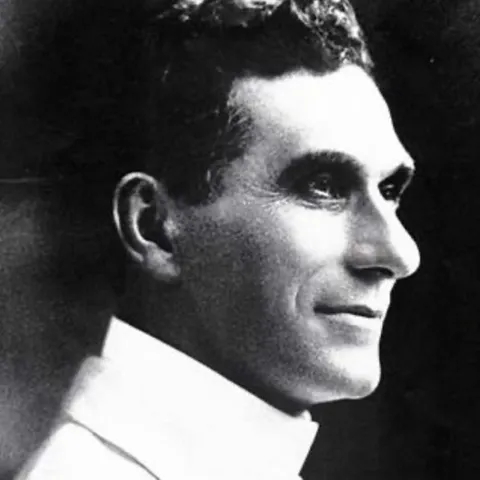 John G. Lake was born in Ontario, Canada on March 18th, 1870. He was a family man, person of integrity, honor, a savvy businessman and a good father. If you knew him you wouldn’t otherwise know that he would soon become one of the greatest men of God the world would ever know. He had a genuine love for the Lord Jesus and was known by his friends as a man who dedicated himself to intimacy with The Lord. It was out of this place that he loved his wife, was a man of integrity and built a very successful business career. To give you perspective, by 1905 John G Lake was making $50,000 per year this sum would be like upwards of 1.3 million dollars per year annually today. John grew up in a family environment which was plagued with sickness and death, it is said that his earliest memories were of sickness, death and funerals. Lake was from a large family, he had 16 siblings, 8 of which tragically died of various diseases. It is no coincidence that “the man of healing” was tormented from a young age with death and disease. The enemy will often oppose destinies with radical circumstances through a distortion of the very thing that we are called to walk in. Lake Was exposed to dramatic healing when he visited John Alexander Dowie’s ministry and was, in prayer, instantly healed of a rheumatism which had caused his legs to grow incorrectly. Just two short years into their marriage, Jennie Lake was diagnosed with tuberculosis and heart disease. Over the next couple of years, the condition worsened and the doctors resigned to the fact that it was only a matter of time before she would die. John allowed this situation to provoke him into faith, after being exposed to such death and disease from a young age he had a hatred for such things. When he would read the word of God he saw that his Christian experience was less than the promised “power of the Holy Spirit”. As Jennie was on her deathbed and perhaps taking her final breaths Lake was overcome with anger over sickness and threw his bible against the fireplace mantle! When he went to pick up his bible it was opened to Acts chapter 10:38 which says: "God anointed Jesus of Nazareth with the Holy Ghost and with power: who went about doing good, and healing all that were oppressed of the devil; for God was with him.” Lake had a surge of faith in that moment and sent a telegram to Dowie asking him to pray. Within an hour of Dowie praying she was fully healed! Not long after Jennie was healed, God began to speak to Lake about going into full time ministry. After some time of contemplation and seeking the Lord, God confirmed to John and Jennie separately that they were to move to South Africa to begin their life of ministry. John and Jennie then gave away all that they had, John forsook his mega-salary and they went on their way alongside some of their friends as ministry partners.
When they arrived in South Africa, they had no money. The problem was, that they needed at least $125 in order to clear customs. they nervously waited for their turn in line, rehearsing what they would say to the immigration officer They were in desperate need of a miracle, as the law read that they would be subject to deportation as quickly as they arrived in South Africa. Just as they were about the get to the front of the line, John felt a tap on his shoulder… A man was standing behind John and said “excuse me sir, can I have a word with you?” John nervously steps out of line at the man’s request and the man said “when I saw you and your family in line, the Lord told me to give you $200 cash”. The Lord provided just enough money for John and his family to enter the country. But their needs didn’t stop there. The Lakes and their crew had no ministry contact in Johannesburg. Soon after they cleared customs, a woman approached John’s friends and asked how many people are in their family, when they told her, she responded “no, not you” and went over to John and asked the same question. John replied “9” and she said “you’re the ones!” She went on to tell John that the Lord had spoken to her last night that she was to give her home to a family of 9 people who are coming from America to do God’s work. John, Jennie and their crew rejoiced in the dramatic provision of the Lord. Their time in South Africa was marked with waves of revival, there were multitudes saved, healed and delivered over the course of their 5 year ministry tour in South Africa.
By far my favorite story from this season of Revival takes place shortly after the Lake family and their team arrived in South Africa. A mighty plague was sweeping through the nation, the death count was climbing dramatically. So much so that there was a surplus of corpses who were victims of the plague and there was no one to bury the dead; if someone was to come in contact with a dead body they would most certainly become infected and their death sentence would immediately begin. John G. Lake astounded the medical officials because he, without any gloves or protective clothing began burying the dead. Physicians in a panic approached John and rebuked him for coming in contact with the dead, John boldly responded "when the disease comes in contact with my skin, you can watch it die". The doctors thought he was insane, so he challenged them to put a drop of the plague on his skin and watch it under a microscope. When they did so, John was right! The plague cells literally burned up the second they came in contact with his skin!
It is tough to understand what would happen towards the end of the Lake’s missionary journey in Africa. One day while John was away on a ministry trip, his wife Jennie suddenly passed away. The cause of her death was malnutrition and exhaustion. It wasn’t uncommon for the sick and broken to line the lawn of John G Lake’s home and Jennie, as an act of sacrifice, gave away all their food and any resources she could to the broken which frequented their house.
Although John and Jennie’s faith and sacrifice is commendable we must learn from this fatal mistake. John’s priorities clearly became altered as the demand for ministry raged on. He failed to guard and keep the very precious gift that God had given him, he allowed the demands of ministry to distract him from the needs of his family unto the tragic and preventable death of his wife. In the wake of Jennie’s death their children became bitter with John and subsequently God. Some of his children left the faith and the most recent accounts of them suggest that they died not following Christ. To this day some of John’s great grandchildren do not follow the Lord. John’s failure to obey the basic command of scripture for “husbands to love their wives as Christ loves the church” and his preoccupation with the demands of ministry opened up the door for the enemy to ravage his family. After Jennie’s death John moved back to the United States and remarried. He would then pioneer his famous healing ministry based out of Spokane Washington. Unfortunately John did not learn his lesson the first time, in the midst of more flames of revival he continued to be a poor father, emotionally disconnected from his children.
John G. Lake was born in Ontario, Canada on March 18th, 1870. He was a family man, person of integrity, honor, a savvy businessman and a good father. If you knew him you wouldn’t otherwise know that he would soon become one of the greatest men of God the world would ever know. He had a genuine love for the Lord Jesus and was known by his friends as a man who dedicated himself to intimacy with The Lord. It was out of this place that he loved his wife, was a man of integrity and built a very successful business career. To give you perspective, by 1905 John G Lake was making $50,000 per year this sum would be like upwards of 1.3 million dollars per year annually today. John grew up in a family environment which was plagued with sickness and death, it is said that his earliest memories were of sickness, death and funerals. Lake was from a large family, he had 16 siblings, 8 of which tragically died of various diseases. It is no coincidence that “the man of healing” was tormented from a young age with death and disease. The enemy will often oppose destinies with radical circumstances through a distortion of the very thing that we are called to walk in. Lake Was exposed to dramatic healing when he visited John Alexander Dowie’s ministry and was, in prayer, instantly healed of a rheumatism which had caused his legs to grow incorrectly. Just two short years into their marriage, Jennie Lake was diagnosed with tuberculosis and heart disease. Over the next couple of years, the condition worsened and the doctors resigned to the fact that it was only a matter of time before she would die. John allowed this situation to provoke him into faith, after being exposed to such death and disease from a young age he had a hatred for such things. When he would read the word of God he saw that his Christian experience was less than the promised “power of the Holy Spirit”. As Jennie was on her deathbed and perhaps taking her final breaths Lake was overcome with anger over sickness and threw his bible against the fireplace mantle! When he went to pick up his bible it was opened to Acts chapter 10:38 which says: "God anointed Jesus of Nazareth with the Holy Ghost and with power: who went about doing good, and healing all that were oppressed of the devil; for God was with him.” Lake had a surge of faith in that moment and sent a telegram to Dowie asking him to pray. Within an hour of Dowie praying she was fully healed! Not long after Jennie was healed, God began to speak to Lake about going into full time ministry. After some time of contemplation and seeking the Lord, God confirmed to John and Jennie separately that they were to move to South Africa to begin their life of ministry. John and Jennie then gave away all that they had, John forsook his mega-salary and they went on their way alongside some of their friends as ministry partners.
When they arrived in South Africa, they had no money. The problem was, that they needed at least $125 in order to clear customs. they nervously waited for their turn in line, rehearsing what they would say to the immigration officer They were in desperate need of a miracle, as the law read that they would be subject to deportation as quickly as they arrived in South Africa. Just as they were about the get to the front of the line, John felt a tap on his shoulder… A man was standing behind John and said “excuse me sir, can I have a word with you?” John nervously steps out of line at the man’s request and the man said “when I saw you and your family in line, the Lord told me to give you $200 cash”. The Lord provided just enough money for John and his family to enter the country. But their needs didn’t stop there. The Lakes and their crew had no ministry contact in Johannesburg. Soon after they cleared customs, a woman approached John’s friends and asked how many people are in their family, when they told her, she responded “no, not you” and went over to John and asked the same question. John replied “9” and she said “you’re the ones!” She went on to tell John that the Lord had spoken to her last night that she was to give her home to a family of 9 people who are coming from America to do God’s work. John, Jennie and their crew rejoiced in the dramatic provision of the Lord. Their time in South Africa was marked with waves of revival, there were multitudes saved, healed and delivered over the course of their 5 year ministry tour in South Africa.
By far my favorite story from this season of Revival takes place shortly after the Lake family and their team arrived in South Africa. A mighty plague was sweeping through the nation, the death count was climbing dramatically. So much so that there was a surplus of corpses who were victims of the plague and there was no one to bury the dead; if someone was to come in contact with a dead body they would most certainly become infected and their death sentence would immediately begin. John G. Lake astounded the medical officials because he, without any gloves or protective clothing began burying the dead. Physicians in a panic approached John and rebuked him for coming in contact with the dead, John boldly responded "when the disease comes in contact with my skin, you can watch it die". The doctors thought he was insane, so he challenged them to put a drop of the plague on his skin and watch it under a microscope. When they did so, John was right! The plague cells literally burned up the second they came in contact with his skin!
It is tough to understand what would happen towards the end of the Lake’s missionary journey in Africa. One day while John was away on a ministry trip, his wife Jennie suddenly passed away. The cause of her death was malnutrition and exhaustion. It wasn’t uncommon for the sick and broken to line the lawn of John G Lake’s home and Jennie, as an act of sacrifice, gave away all their food and any resources she could to the broken which frequented their house.
Although John and Jennie’s faith and sacrifice is commendable we must learn from this fatal mistake. John’s priorities clearly became altered as the demand for ministry raged on. He failed to guard and keep the very precious gift that God had given him, he allowed the demands of ministry to distract him from the needs of his family unto the tragic and preventable death of his wife. In the wake of Jennie’s death their children became bitter with John and subsequently God. Some of his children left the faith and the most recent accounts of them suggest that they died not following Christ. To this day some of John’s great grandchildren do not follow the Lord. John’s failure to obey the basic command of scripture for “husbands to love their wives as Christ loves the church” and his preoccupation with the demands of ministry opened up the door for the enemy to ravage his family. After Jennie’s death John moved back to the United States and remarried. He would then pioneer his famous healing ministry based out of Spokane Washington. Unfortunately John did not learn his lesson the first time, in the midst of more flames of revival he continued to be a poor father, emotionally disconnected from his children.
God Wrote a Book
We actually have the words of God. This is almost too good to be true. And yet how often are we so accustomed to this reality — one of the greatest wonders in all the universe — that it barely moves us to handle the Bible with care (and awe), or at least to access his words with the frequency they deserve? Familiarity can breed contempt, or at least neglect. While scarcity drives demand, abundance can lead to apathy. For many of us, we have multiple Bibles on our shelves, in multiple translations. We have copies on our computers and phones. We have access to the very words of God like never before — yet how often do we appreciate, and marvel at, the wonder of what we have? Wonder of Having One of the greatest facts in all of history is that God gave us a Book. He gave us a Book! He has spoken. He has revealed himself to us through prophets and apostles, and appointed that they write down his words and that they be preserved. We have his words! We can hear in our souls the very voice of God himself by his Spirit through his Book. “No word of God is a dead word.” Think of all God went to, and what patience, to make his self-revelation accessible to us here in the twenty-first century. Long ago, at many times, and in many ways, God spoke through the prophets (Hebrews 1:1). Then, in the fullness of time, he sent his own Son, his own self, in full humanity, as his revealed Word par excellence, in the person of Christ, represented to us by his authoritative, apostolic spokesmen in the new covenant. For centuries, God’s word was copied by hand, and preserved with the utmost diligence and care. Then, for the last 500 years of the printing press, God’s word has gone far and wide like never before. Men and women gave their lives, upsetting the apple carts of man-made religion, to translate the words of God into the heart language of their people. And now, in the digital revolution, access to God’s own words has exploded exponentially again, and yet — and yet — in such abundance, do we marvel at what we have? And do we, as individuals and as churches, make the most of what infinite riches we have in such access to the Scriptures? His Words, Our Great Reward The psalmists were in awe of what they had. In particular, Psalms 19 and 119 pay tribute to the wonder of having God’s words. For instance: The law of the Lord is perfect, reviving the soul; the testimony of the Lord is sure, making wise the simple; the precepts of the Lord are right, rejoicing the heart; the commandment of the Lord is pure, enlightening the eyes; the fear of the Lord is clean, enduring forever; the rules of the Lord are true, and righteous altogether. More to be desired are they than gold, even much fine gold; sweeter also than honey and drippings of the honeycomb. Moreover, by them is your servant warned; in keeping them there is great reward. (Psalm 19:7–11) “We come to his word, like holy hedonists, stalking joy.” God is honored when we approach his words as those that revive the soul and rejoice the heart, as those that are more to be desired than gold and sweeter than honey. The summary and culmination of Psalm 19’s unashamed tribute to God’s words is this: great reward. He means for us to experience his words as “my delight” (Psalm 1:2; 119:16, 24), as “the joy of my heart” (Psalm 119:111), as “the delight of my heart” (Jeremiah 15:16), as kindling for the fires of our joy. Not only has God spoken in this Book we call the Bible, but he is speaking. Writing about Psalm 95 in particular (and applicable to all the Scriptures), Hebrews says “the word of God is living and active, sharper than any two-edged sword, piercing to the division of soul and of spirit, of joints and of marrow, and discerning the thoughts and intentions of the heart” (Hebrews 4:12). No word of God is a dead word. Even Hebrews — the New Testament letter plainest on the old covenant being “obsolete” in its demands upon new-covenant Christians (Hebrews 8:13) — professes that old-covenant revelation, while no longer binding, is indeed “living and active.” “Is not my word like fire,” God declares through Jeremiah, “and like a hammer that breaks the rock in pieces?” (Jeremiah 23:29). From cover to cover, Genesis to Revelation, God has captured for his church his objective, “external word” (as Luther called it) which he speaks (present tense) to his people through the subjective, internal power of his Spirit dwelling in us. We hear God’s voice in his word by his Spirit. And so, Hebrews exhorts us, “See that you do not refuse him who is speaking” (Hebrews 12:25). Wonder of Handling So then, how will we who marvel at having God’s living and active words not also fall to the floor in amazement that he invites us — even more, he insists — that we handle his word. It is no private message to Timothy, but to the whole church reading over his shoulder, when Paul writes, Do your best to present yourself to God as one approved, a worker who has no need to be ashamed, rightly handling the word of truth. (2 Timothy 2:15) The charge lands first on Timothy, as Paul’s delegate in Ephesus, and then on pastors (both then and today) who formally and publicly “handle the word” for the feeding and forming of the church. But the summons to rightly handle the word of truth (both in the gospel word and in the written Scriptures) is a mantle for the whole church to gladly bear. In the midst of a world of destructive words, God calls his church to first receive (have) and then respond to (handle) his words. As human words of death fly around us from all sides — in the air, on the page, on our screens — he gives us his own life-giving words to steady our souls and the souls of others. As the world quarrels about words, “which does no good, but only ruins the hearers” (2 Timothy 2:14) and coughs up “irreverent babble” that leads “people into more and more ungodliness” and spreads like gangrene (2 Timothy 2:16–17), God gives us an oasis in the gift of his words (2 Timothy 2:15). We receive them for free, but that doesn’t mean we take them lightly or expend little energy to handle them well. Make Every Effort God, through Paul, says “do your best” — literally, be zealous, be eager, make every effort — “to present yourself to God as one approved.” We orient Godward first and foremost in our handling of his word, then only secondarily to others. Which will make us “a worker who has no need to be ashamed.” Being a worker requires work, labor, the exertion of effort, the expending of energy, the investment of time, the patience of lifelong learning. To do so without cutting corners (“unashamed”) or mishandling the task. And in particular, for building others up, not tearing others down. For showing others the feast, not showing ourselves to have been right. “God gives us his own life-giving words to steady our souls and the souls of others.” “Rightly handling” — guiding along a straight path — harkens to the vision Paul casts in 2 Corinthians of his own straightforwardness with God’s word. Paul was not coy about hard truths. He was not evasive. He was not a verbal gymnast, gyrating around humanly offensive divine oracles. Rather, he was frank, honest, candid, sincere. “We are not, like so many, peddlers of God’s word,” he declares, “but as men of sincerity, as commissioned by God, in the sight of God we speak in Christ” (2 Corinthians 2:17). He has more to say about such sincerity: We have renounced disgraceful, underhanded ways. We refuse to practice cunning or to tamper with God’s word, but by the open statement of the truth we would commend ourselves to everyone’s conscience in the sight of God. (2 Corinthians 4:2) Listening Like Hedonists But rightly handling God’s word doesn’t just mean we’re convinced of its truthfulness and handle it as such. Rightly handling doesn’t only include rigorous careful analysis and forthright unapologetic candor. Rightly handling includes the psalmists’ intense spiritual sensibilities. To see in and through God’s words his “great reward,” and knowing him to be a rewarder of those who seek him (Hebrews 11:6). In other words, we come to his word like holy hedonists, stalking joy. Worldly hedonists pursue the pleasures of sin; they don’t wait on them to arrive. And so do Christian Hedonists. We don’t wait around for holy pleasures. We don’t passively engage God himself through his own words. We stalk. We pursue. We read actively, and study, and meditate. When we are persuaded that God himself is indeed the greatest reward, is there any better avenue to pursue than his own words? At Desiring God, we don’t aim or pretend to be unique. However flippantly or earnestly others handle God’s words, we mean to receive them with the utter seriousness and joyful awe they deserve — he deserves. God wrote a Book. And gave it to us. Let’s give ourselves to this wonder, and marvel that we get to handle his words. Article by David Mathis
-480.webp)