
Others like why jesus appears to people today Features >>





About the Book
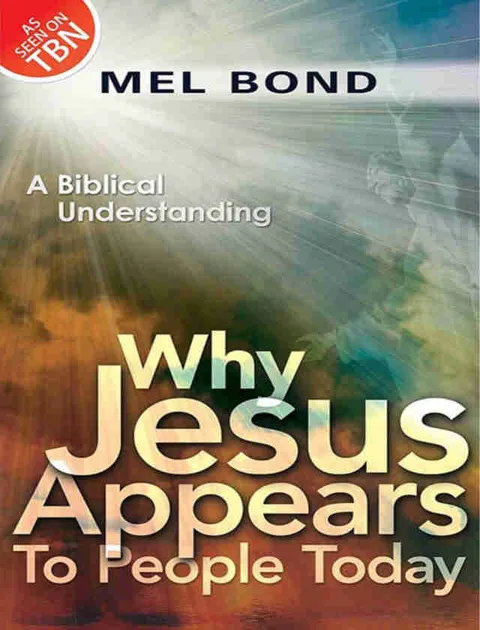
"Why Jesus Appears to People Today" by Mel Bond explores the reasons why Jesus continues to reveal himself to individuals in modern times. The book delves into the importance of having a personal relationship with Jesus, the power of faith and prayer, and the significance of living a life of purpose and service. Bond shares inspiring stories of encounters with Jesus to illustrate how these experiences can bring about transformation and hope in people's lives. Ultimately, the book offers insight into how we can connect with Jesus in our own lives and experience his presence and guidance.
William Carey
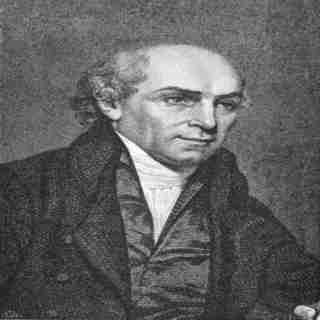 "Expect great things; attempt great things."
At a meeting of Baptist leaders in the late 1700s, a newly ordained minister stood to argue for the value of overseas missions. He was abruptly interrupted by an older minister who said, "Young man, sit down! You are an enthusiast. When God pleases to convert the heathen, he'll do it without consulting you or me."
That such an attitude is inconceivable today is largely due to the subsequent efforts of that young man, William Carey.
Plodder Carey was raised in the obscure, rural village of Paulerpury, in the middle of England. He apprenticed in a local cobbler's shop, where the nominal Anglican was converted. He enthusiastically took up the faith, and though little educated, the young convert borrowed a Greek grammar and proceeded to teach himself New Testament Greek.
When his master died, he took up shoemaking in nearby Hackleton, where he met and married Dorothy Plackett, who soon gave birth to a daughter. But the apprentice cobbler's life was hard—the child died at age 2—and his pay was insufficient. Carey's family sunk into poverty and stayed there even after he took over the business.
"I can plod," he wrote later, "I can persevere to any definite pursuit." All the while, he continued his language studies, adding Hebrew and Latin, and became a preacher with the Particular Baptists. He also continued pursuing his lifelong interest in international affairs, especially the religious life of other cultures.
Carey was impressed with early Moravian missionaries and was increasingly dismayed at his fellow Protestants' lack of missions interest. In response, he penned An Enquiry into the Obligations of Christians to Use Means for the Conversion of the Heathens. He argued that Jesus' Great Commission applied to all Christians of all times, and he castigated fellow believers of his day for ignoring it: "Multitudes sit at ease and give themselves no concern about the far greater part of their fellow sinners, who to this day, are lost in ignorance and idolatry."
Carey didn't stop there: in 1792 he organized a missionary society, and at its inaugural meeting preached a sermon with the call, "Expect great things from God; attempt great things for God!" Within a year, Carey, John Thomas (a former surgeon), and Carey's family (which now included three boys, and another child on the way) were on a ship headed for India.
Stranger in a strange land
Thomas and Carey had grossly underestimated what it would cost to live in India, and Carey's early years there were miserable. When Thomas deserted the enterprise, Carey was forced to move his family repeatedly as he sought employment that could sustain them. Illness racked the family, and loneliness and regret set it: "I am in a strange land," he wrote, "no Christian friend, a large family, and nothing to supply their wants." But he also retained hope: "Well, I have God, and his word is sure."
He learned Bengali with the help of a pundit, and in a few weeks began translating the Bible into Bengali and preaching to small gatherings.
When Carey himself contracted malaria, and then his 5-year-old Peter died of dysentery, it became too much for his wife, Dorothy, whose mental health deteriorated rapidly. She suffered delusions, accusing Carey of adultery and threatening him with a knife. She eventually had to be confined to a room and physically restrained.
"This is indeed the valley of the shadow of death to me," Carey wrote, though characteristically added, "But I rejoice that I am here notwithstanding; and God is here."
Gift of tongues
In October 1799, things finally turned. He was invited to locate in a Danish settlement in Serampore, near Calcutta. He was now under the protection of the Danes, who permitted him to preach legally (in the British-controlled areas of India, all of Carey's missionary work had been illegal).
Carey was joined by William Ward, a printer, and Joshua and Hanna Marshman, teachers. Mission finances increased considerably as Ward began securing government printing contracts, the Marshmans opened schools for children, and Carey began teaching at Fort William College in Calcutta.
In December 1800, after seven years of missionary labor, Carey baptized his first convert, Krishna Pal, and two months later, he published his first Bengali New Testament. With this and subsequent editions, Carey and his colleagues laid the foundation for the study of modern Bengali, which up to this time had been an "unsettled dialect."
Carey continued to expect great things; over the next 28 years, he and his pundits translated the entire Bible into India's major languages: Bengali, Oriya, Marathi, Hindi, Assamese, and Sanskrit and parts of 209 other languages and dialects.
He also sought social reform in India, including the abolition of infanticide, widow burning (sati), and assisted suicide. He and the Marshmans founded Serampore College in 1818, a divinity school for Indians, which today offers theological and liberal arts education for some 2,500 students.
By the time Carey died, he had spent 41 years in India without a furlough. His mission could count only some 700 converts in a nation of millions, but he had laid an impressive foundation of Bible translations, education, and social reform.
His greatest legacy was in the worldwide missionary movement of the nineteenth century that he inspired. Missionaries like Adoniram Judson, Hudson Taylor, and David Livingstone, among thousands of others, were impressed not only by Carey's example, but by his words "Expect great things; attempt great things." The history of nineteenth-century Protestant missions is in many ways an extended commentary on the phrase.
"Expect great things; attempt great things."
At a meeting of Baptist leaders in the late 1700s, a newly ordained minister stood to argue for the value of overseas missions. He was abruptly interrupted by an older minister who said, "Young man, sit down! You are an enthusiast. When God pleases to convert the heathen, he'll do it without consulting you or me."
That such an attitude is inconceivable today is largely due to the subsequent efforts of that young man, William Carey.
Plodder Carey was raised in the obscure, rural village of Paulerpury, in the middle of England. He apprenticed in a local cobbler's shop, where the nominal Anglican was converted. He enthusiastically took up the faith, and though little educated, the young convert borrowed a Greek grammar and proceeded to teach himself New Testament Greek.
When his master died, he took up shoemaking in nearby Hackleton, where he met and married Dorothy Plackett, who soon gave birth to a daughter. But the apprentice cobbler's life was hard—the child died at age 2—and his pay was insufficient. Carey's family sunk into poverty and stayed there even after he took over the business.
"I can plod," he wrote later, "I can persevere to any definite pursuit." All the while, he continued his language studies, adding Hebrew and Latin, and became a preacher with the Particular Baptists. He also continued pursuing his lifelong interest in international affairs, especially the religious life of other cultures.
Carey was impressed with early Moravian missionaries and was increasingly dismayed at his fellow Protestants' lack of missions interest. In response, he penned An Enquiry into the Obligations of Christians to Use Means for the Conversion of the Heathens. He argued that Jesus' Great Commission applied to all Christians of all times, and he castigated fellow believers of his day for ignoring it: "Multitudes sit at ease and give themselves no concern about the far greater part of their fellow sinners, who to this day, are lost in ignorance and idolatry."
Carey didn't stop there: in 1792 he organized a missionary society, and at its inaugural meeting preached a sermon with the call, "Expect great things from God; attempt great things for God!" Within a year, Carey, John Thomas (a former surgeon), and Carey's family (which now included three boys, and another child on the way) were on a ship headed for India.
Stranger in a strange land
Thomas and Carey had grossly underestimated what it would cost to live in India, and Carey's early years there were miserable. When Thomas deserted the enterprise, Carey was forced to move his family repeatedly as he sought employment that could sustain them. Illness racked the family, and loneliness and regret set it: "I am in a strange land," he wrote, "no Christian friend, a large family, and nothing to supply their wants." But he also retained hope: "Well, I have God, and his word is sure."
He learned Bengali with the help of a pundit, and in a few weeks began translating the Bible into Bengali and preaching to small gatherings.
When Carey himself contracted malaria, and then his 5-year-old Peter died of dysentery, it became too much for his wife, Dorothy, whose mental health deteriorated rapidly. She suffered delusions, accusing Carey of adultery and threatening him with a knife. She eventually had to be confined to a room and physically restrained.
"This is indeed the valley of the shadow of death to me," Carey wrote, though characteristically added, "But I rejoice that I am here notwithstanding; and God is here."
Gift of tongues
In October 1799, things finally turned. He was invited to locate in a Danish settlement in Serampore, near Calcutta. He was now under the protection of the Danes, who permitted him to preach legally (in the British-controlled areas of India, all of Carey's missionary work had been illegal).
Carey was joined by William Ward, a printer, and Joshua and Hanna Marshman, teachers. Mission finances increased considerably as Ward began securing government printing contracts, the Marshmans opened schools for children, and Carey began teaching at Fort William College in Calcutta.
In December 1800, after seven years of missionary labor, Carey baptized his first convert, Krishna Pal, and two months later, he published his first Bengali New Testament. With this and subsequent editions, Carey and his colleagues laid the foundation for the study of modern Bengali, which up to this time had been an "unsettled dialect."
Carey continued to expect great things; over the next 28 years, he and his pundits translated the entire Bible into India's major languages: Bengali, Oriya, Marathi, Hindi, Assamese, and Sanskrit and parts of 209 other languages and dialects.
He also sought social reform in India, including the abolition of infanticide, widow burning (sati), and assisted suicide. He and the Marshmans founded Serampore College in 1818, a divinity school for Indians, which today offers theological and liberal arts education for some 2,500 students.
By the time Carey died, he had spent 41 years in India without a furlough. His mission could count only some 700 converts in a nation of millions, but he had laid an impressive foundation of Bible translations, education, and social reform.
His greatest legacy was in the worldwide missionary movement of the nineteenth century that he inspired. Missionaries like Adoniram Judson, Hudson Taylor, and David Livingstone, among thousands of others, were impressed not only by Carey's example, but by his words "Expect great things; attempt great things." The history of nineteenth-century Protestant missions is in many ways an extended commentary on the phrase.
Will I Trust God
Had you been there that very moment, watching from a distance, you wouldn’t have observed anything dramatic. I’m talking about the moment Abraham (still called Abram at the time) stepped out of his tent and gazed into the heavens, looking at the stars. You may have heard him muttering something or other, perhaps at some point raising his hands or bowing to the ground. These gestures wouldn’t have seemed out of character to you because everyone knew Abram was a deeply pious man. And being tired, since it was the middle of the night and all, you probably would have left Abram to whatever he was doing and headed to bed. You would not have known that this was a defining moment in Abram’s life. You certainly wouldn’t have guessed this was a defining moment in world history that would impact billions of people. Because it would have seemed so undramatic. But that’s the way moments like these — moments that powerfully direct and shape the arc of history — often appear at first. And in this case, what made the world-changing minutes of stargazing so quietly monumental was that this old man, in the deep recesses of his heart, believed God. Pushed Nearly Beyond Belief To understand the profundity of this defining moment, however, we need to see how this old man’s belief had been pushed to the very brink. It all began in Genesis 12, where God delivered to Abram a promise that would have been incredible on its own, quite apart from the fact that Abram, at age 75, and Sarai, at age 66, as yet had no children: Now the Lord said to Abram, “Go from your country and your kindred and your father’s house to the land that I will show you. And I will make of you a great nation, and I will bless you and make your name great, so that you will be a blessing. I will bless those who bless you, and him who dishonors you I will curse, and in you all the families of the earth shall be blessed.” (Genesis 12:1–3) So, “by faith Abraham obeyed,” packing up his household and setting out, though “not knowing where he was going” (Hebrews 11:8). And when he and his small tribe arrived at Shechem, God spoke to him again and said, “To your offspring I will give this land” (Genesis 12:7). Time passed. God’s blessing rested on Abram and his tribe, which included his nephew Lot’s household, and their combined possessions and herds grew larger — so large, in fact, that Abram and Lot had to separate into two tribes. Still, Abram had no offspring — the key to the fulfillment of the Lord’s greatest promise to him. Nonetheless, the Lord once again affirmed his promise (Genesis 13:14–16). More time passed. God continued to prosper whatever Abram did. And once again, the Lord appeared to him and said, Fear not, Abram, I am your shield; your reward shall be very great. (Genesis 15:1) But for Abram, now in his eighties, and Sarai in her seventies, there was still the same glaring problem. Amid all the abundant blessing of prosperity God had showered on him, there was one conspicuous, crucial place of poverty: Abram still had no offspring. Desperate Prayer of a Man of Faith It was at this point that Abram could not contain his anguished perplexity over the ongoing void at the core of God’s promises, and it poured out in a desperate prayer: “O Lord God, what will you give me, for I continue childless, and the heir of my house is Eliezer of Damascus?” And Abram said, “Behold, you have given me no offspring, and a member of my household will be my heir.” (Genesis 15:2–3) The apostle Paul later wrote, “No unbelief made [Abram] waver concerning the promise of God, but he grew strong in his faith as he gave glory to God, fully convinced that God was able to do what he had promised” (Romans 4:20–21). But in this prayer, do we overhear Abram’s faith wavering? No. What we’re hearing is not unbelief, but sincere perplexity. And there’s a difference. Abram’s perplexity is similar to the young virgin Mary’s perplexity when Gabriel tells her that she will “conceive in [her] womb and bear a son.” She responds, “How will this be, since I am a virgin?” (Luke 1:30, 34). It’s a reasonable question; virgins don’t get pregnant. Abram’s question is also reasonable with regard to nature; barren women past childbearing years do not get pregnant. God was not offended or dishonored by Mary’s or Abraham’s sincere perplexity, which is why he responds to both with gracious kindness. And God’s answers are also reasonable, even if his reasonableness often extends far beyond the limits of human reason (“Is anything too hard for the Lord?” Genesis 18:14). So, in answer to Abram’s sincerely desperate prayer, God graciously invites him to step outside. Starry, Starry Night God says to Abram, “Look toward heaven, and number the stars, if you are able to number them.” Then he said to him, “So shall your offspring be.” (Genesis 15:5) Here, suddenly, is a defining moment for Abram. God’s answer doesn’t include how Abram is going to obtain descendants. All God does is reaffirm, and even expand the scope of, what he has already promised. In other words, “I’m going to give you more offspring than you can count or even imagine. Do you believe me?” And old Abram, with an old wife and a childless tent, looking up into the night sky so full of stars that in some places they looked like clouds of light, with the word of the Lord ringing in his mind, realizes that whatever God is doing is about something much bigger than he has yet grasped, and so he resolves to trust “that God [is] able to do what he [has] promised” (Romans 4:21). [Abram] believed the Lord, and he counted it to him as righteousness. (Genesis 15:6) “The world would never be the same because of that moment on that starry, starry night.” No one, not even Abram, could have seen just how history-shaping, how destiny-determining, this moment was, when a man was justified — counted righteous — in the eyes of God simply because he believed God. Because a man believed God’s promises over his own perceptions. Because a man trusted God and did not lean on his own understanding (Proverbs 3:5). The world would never be the same after that moment on that starry, starry night. Joy Beyond Belief I’m not saying it was smooth faith-sailing from then on for the man God renamed Abraham, “the father of a multitude of nations” (Genesis 17:5). It wasn’t. The Hagar and Ishmael event, as well as others, were still in the future. Isaac, the first of the promised offspring, wouldn’t be born for another fifteen years or so. And God had another defining moment in store for Abraham on the slopes of Mount Moriah. The path of faith is a rugged one, and almost always more demanding than we expect. But after that night, Abraham did not waver in his belief that God would, somehow, do what he had promised. And God did. He made both Abraham and Sarah, and all who knew them, laugh for joy — “joy inexpressible and full of glory” (1 Peter 1:8) — when Isaac was finally born. For that’s where the rugged path of faith, the hard way that leads to life (Matthew 7:14), ultimately leads: to “fullness of joy and . . . pleasures forevermore” (Psalm 16:11). “The path of faith is a rugged one, and almost always more demanding than we expect.” God leads most of his children, who are Abraham’s children because they share Abraham’s faith (Romans 4:16), to defining moments of faith, moments when our faith is pushed nearly to a point beyond belief, or so it seems to us. These moments may not appear dramatic to others. But to us, in the deep recesses of our hearts, everything is on the line. And at these moments, everything comes down to a simple but profound, and perhaps anguishing, question: Will I trust God? What usually isn’t apparent to us is how significant the moment is for an untold number of others. For it is often true that in “obtaining [as] the outcome of [our] faith, the salvation of [our] souls” (1 Peter 1:9), what also results in the years and centuries that follow is the salvation of others — so many, perhaps, that they would boggle our minds if we could see them. When you believe God, he counts it to you as righteousness, as full acceptance from God himself. And when you believe God, it leads to the Isaac-laughter of inexpressible joy as you at last see God do for you what he has promised. And when you believe God, you will share inexpressible joy with a host of others who, because you believed, will be laughing in joy with you. Article by Jon Bloom