-480.webp)



-by-karen-kingsbury-160.webp)


-160.webp)


About the Book
"Whence Came a Prince" follows the journey of a young prince, Harry, as he navigates the challenges of ruling his kingdom. Through betrayal, intrigue, and forbidden love, Harry must learn to trust his own instincts and find his true destiny as he fights to protect his people and reclaim his rightful place as ruler.
Warren Wiersbe
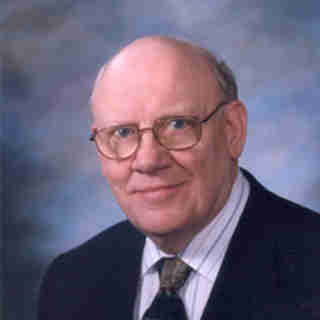 Dr. Warren Wiersbe once described Heaven as “not only a destination, but also a motivation. When you and I are truly motivated by the promise of eternity with God in heaven, it makes a difference in our lives.”
For Wiersbe, the promise of eternity became the motivation for his long ministry as a pastor, author, and radio speaker. Beloved for his biblical insight and practical teaching, he was called “one of the greatest Bible expositors of our generation” by the late Billy Graham.
Warren W. Wiersbe died on May 2, 2019, in Lincoln, Nebraska, just a few weeks shy of his 90th birthday.
“He was a longtime, cherished friend of Moody Bible Institute, a faithful servant of the Word, and a pastor to younger pastors like me,” said Dr. Mark Jobe, president of Moody Bible Institute. “We are lifting up pastor Wiersbe’s family in prayer at this time and rejoicing in the blessed hope that believers share together.”
Wiersbe grew up in East Chicago, Indiana, a town known for its steel mills and hard-working blue-collar families. In his autobiography, he connected some of his earliest childhood memories to Moody Bible Institute; his home church pastor was a 1937 graduate, Dr. William H. Taylor. After volunteering to usher at a 1945 Youth for Christ rally, Wiersbe found himself listening with rapt attention to Billy Graham’s sermon, and responded with a personal prayer of dedication.
In a precocious turn of events, the young Wiersbe was already a published author, having written a book of card tricks for the L. L. Ireland Magic Co. of Chicago. He quickly learned to liven up Sunday school lessons with magic tricks as object lessons (“not the cards!” he would say). After his high school graduation in 1947 (he was valedictorian), he spent a year at Indiana University before transferring to Northern Baptist Seminary in Chicago, where he earned a bachelor of theology degree. His future wife, Betty, worked in the school library, and Wiersbe was a frequent visitor.
While in seminary he became pastor of Central Baptist Church in East Chicago, serving until 1957. During those years he became a popular YFC speaker, which led to a full-time position with Youth for Christ International in Wheaton. He published his first article for Moody Monthly magazine in 1956, about Bible study methods, and seemed to outline his ongoing writing philosophy. “This is more of a personal testimony,” he said, “because I want to share these blessings with you, rather than write some scholarly essay, which I am sure I could not do anyway.”
At a 1957 YFC convention in Winona Lake, Indiana, Wiersbe preached a sermon that was broadcast live over WMBI, his first connection to Moody Radio. “I wish every preacher could have at least six months’ experience as a radio preacher,” he said later (because they would preach shorter).
While working with Youth for Christ, Wiersbe got a call from Pete Gunther at Moody Publishers, asking about possible book projects. First came Byways of Blessing (1961), an adult devotional; then two more books in 1962, A Guidebook for Teens and Teens Triumphant. He would eventually publish 14 titles with Moody, including William Culbertson: A Man of God (1974), Live Like a King (1976), The Annotated Pilgrim’s Progress (1980), and Ministering to the Mourning (2006), written with his son, David Wiersbe.
In 1961, D. B. Eastep invited Wiersbe to join the staff of Calvary Baptist Church in Covington, Kentucky. forming a succession plan that was hastened by Eastep’s sudden death in 1962. Warren and Betty Wiersbe remained at the church for 10 years, until they were surprised by a phone call from The Moody Church. The pastor, Dr. George Sweeting, had just resigned to become president of Moody Bible Institute. Would Wiersbe fill the pulpit, and pray about becoming a candidate?
He was already well known to the Chicago church—and to the MBI community. He continued to write for Moody Monthly and had just started a new column, “Insights for the Pastor.” The monthly feature continued to run during the years Wiersbe served at The Moody Church. Wiersbe would become one of the magazine’s most prolific writers—200 articles during a 40-year span. Meanwhile he also started work on the BE series of exegetical commentaries, books that soon found a place on the shelf of every evangelical pastor.
His ministry to pastors continued as he spoke at Moody Founder’s Week, Pastors’ Conference, and numerous campus events. He also inherited George Sweeting’s role as host of the popular Songs in the Night radio broadcast, produced by Moody Radio’s Bob Neff and distributed on Moody’s growing network of radio stations.
Later in life he would move to Lincoln, Nebraska, where he served as host of the Back to the Bible radio broadcast. He also taught courses on preaching at Trinity Evangelical Divinity School and Grand Rapids Baptist Seminary. He kept writing, eventually publishing more than 150 books and losing track of how many (“I can’t remember them all, and I didn’t save copies of everything,” he said.)
Throughout his ministry, Warren Wiersbe described himself as a bridge builder, a reference to his homiletical method of moving “from the world of the Bible to the world of today so that we could get to the other side of glory in Jesus.” As explained by his grandson, Dan Jacobson, “His preferred tools were words, his blueprints were the Scriptures, and his workspace was a self-assembled library.”
Several of Wiersbe’s extended family are Moody alums, including a son, David Wiersbe ’76; grandson Dan Jacobsen ’09 and his wife, Kristin (Shirk) Jacobsen ’09; and great-nephew Ryan Smith, a current student.
During his long ministry and writing career, Warren Wiersbe covered pretty much every topic, including the inevitability of death. These words from Ministering to the Mourning offer a fitting tribute to his own ministry:
We who are in Christ know that if He returns before our time comes to die, we shall be privileged to follow Him home. God’s people are always encouraged by that blessed hope. Yet we must still live each day soberly, realizing that we are mortal and that death may come to us at any time. We pray, “Teach us to number our days aright, that we may gain a heart of wisdom” (Psalm 90:12).
Dr. Warren Wiersbe once described Heaven as “not only a destination, but also a motivation. When you and I are truly motivated by the promise of eternity with God in heaven, it makes a difference in our lives.”
For Wiersbe, the promise of eternity became the motivation for his long ministry as a pastor, author, and radio speaker. Beloved for his biblical insight and practical teaching, he was called “one of the greatest Bible expositors of our generation” by the late Billy Graham.
Warren W. Wiersbe died on May 2, 2019, in Lincoln, Nebraska, just a few weeks shy of his 90th birthday.
“He was a longtime, cherished friend of Moody Bible Institute, a faithful servant of the Word, and a pastor to younger pastors like me,” said Dr. Mark Jobe, president of Moody Bible Institute. “We are lifting up pastor Wiersbe’s family in prayer at this time and rejoicing in the blessed hope that believers share together.”
Wiersbe grew up in East Chicago, Indiana, a town known for its steel mills and hard-working blue-collar families. In his autobiography, he connected some of his earliest childhood memories to Moody Bible Institute; his home church pastor was a 1937 graduate, Dr. William H. Taylor. After volunteering to usher at a 1945 Youth for Christ rally, Wiersbe found himself listening with rapt attention to Billy Graham’s sermon, and responded with a personal prayer of dedication.
In a precocious turn of events, the young Wiersbe was already a published author, having written a book of card tricks for the L. L. Ireland Magic Co. of Chicago. He quickly learned to liven up Sunday school lessons with magic tricks as object lessons (“not the cards!” he would say). After his high school graduation in 1947 (he was valedictorian), he spent a year at Indiana University before transferring to Northern Baptist Seminary in Chicago, where he earned a bachelor of theology degree. His future wife, Betty, worked in the school library, and Wiersbe was a frequent visitor.
While in seminary he became pastor of Central Baptist Church in East Chicago, serving until 1957. During those years he became a popular YFC speaker, which led to a full-time position with Youth for Christ International in Wheaton. He published his first article for Moody Monthly magazine in 1956, about Bible study methods, and seemed to outline his ongoing writing philosophy. “This is more of a personal testimony,” he said, “because I want to share these blessings with you, rather than write some scholarly essay, which I am sure I could not do anyway.”
At a 1957 YFC convention in Winona Lake, Indiana, Wiersbe preached a sermon that was broadcast live over WMBI, his first connection to Moody Radio. “I wish every preacher could have at least six months’ experience as a radio preacher,” he said later (because they would preach shorter).
While working with Youth for Christ, Wiersbe got a call from Pete Gunther at Moody Publishers, asking about possible book projects. First came Byways of Blessing (1961), an adult devotional; then two more books in 1962, A Guidebook for Teens and Teens Triumphant. He would eventually publish 14 titles with Moody, including William Culbertson: A Man of God (1974), Live Like a King (1976), The Annotated Pilgrim’s Progress (1980), and Ministering to the Mourning (2006), written with his son, David Wiersbe.
In 1961, D. B. Eastep invited Wiersbe to join the staff of Calvary Baptist Church in Covington, Kentucky. forming a succession plan that was hastened by Eastep’s sudden death in 1962. Warren and Betty Wiersbe remained at the church for 10 years, until they were surprised by a phone call from The Moody Church. The pastor, Dr. George Sweeting, had just resigned to become president of Moody Bible Institute. Would Wiersbe fill the pulpit, and pray about becoming a candidate?
He was already well known to the Chicago church—and to the MBI community. He continued to write for Moody Monthly and had just started a new column, “Insights for the Pastor.” The monthly feature continued to run during the years Wiersbe served at The Moody Church. Wiersbe would become one of the magazine’s most prolific writers—200 articles during a 40-year span. Meanwhile he also started work on the BE series of exegetical commentaries, books that soon found a place on the shelf of every evangelical pastor.
His ministry to pastors continued as he spoke at Moody Founder’s Week, Pastors’ Conference, and numerous campus events. He also inherited George Sweeting’s role as host of the popular Songs in the Night radio broadcast, produced by Moody Radio’s Bob Neff and distributed on Moody’s growing network of radio stations.
Later in life he would move to Lincoln, Nebraska, where he served as host of the Back to the Bible radio broadcast. He also taught courses on preaching at Trinity Evangelical Divinity School and Grand Rapids Baptist Seminary. He kept writing, eventually publishing more than 150 books and losing track of how many (“I can’t remember them all, and I didn’t save copies of everything,” he said.)
Throughout his ministry, Warren Wiersbe described himself as a bridge builder, a reference to his homiletical method of moving “from the world of the Bible to the world of today so that we could get to the other side of glory in Jesus.” As explained by his grandson, Dan Jacobson, “His preferred tools were words, his blueprints were the Scriptures, and his workspace was a self-assembled library.”
Several of Wiersbe’s extended family are Moody alums, including a son, David Wiersbe ’76; grandson Dan Jacobsen ’09 and his wife, Kristin (Shirk) Jacobsen ’09; and great-nephew Ryan Smith, a current student.
During his long ministry and writing career, Warren Wiersbe covered pretty much every topic, including the inevitability of death. These words from Ministering to the Mourning offer a fitting tribute to his own ministry:
We who are in Christ know that if He returns before our time comes to die, we shall be privileged to follow Him home. God’s people are always encouraged by that blessed hope. Yet we must still live each day soberly, realizing that we are mortal and that death may come to us at any time. We pray, “Teach us to number our days aright, that we may gain a heart of wisdom” (Psalm 90:12).
Food Rules
A graduate student sits at a booth with friends, his second drink near empty. “Can I refill you?” the waiter asks. A mother sees the chocolate as she reaches for her youngest’s sippy cup. She tries not to eat sugar in the afternoons, but she’s tired and stressed, and the children aren’t looking. A father comes back to the kitchen after putting the kids down. Dinner is done, but the leftover pizza is still sitting out. The day has drained him, and another few pieces seem harmless. Compared to the battles many fight — against addiction, against pornography, against anger, against pride — scenarios such as these may seem too trivial for discussion. Don’t we have bigger sins to worry about than the gluttony of secret snacks and third helpings? And yet, food is a bigger battleground than many recognize. Do you remember Moses’s terse description of the world’s first sin? She took of its fruit and ate , and she also gave some to her husband who was with her, and he ate . (Genesis 3:6) Murder did not bar Adam and Eve from paradise — nor did adultery, theft, lying, or blasphemy. Eating did. Our first parents ate their way out of Eden. And in our own way, so do we. Garden of Eating Food problems, whether large (buffet binging) or small (hidden, uncontrolled snacking), go back to the beginning. Our own moments before the refrigerator or the cupboard can, in some small measure, reenact that moment by the tree. And apart from well-timed grace from God, we often respond in one of two ungodly ways. “Our first parents ate their way out of Eden. And in our own way, so do we.” Some, like Adam and Eve, choose to indulge . They sense, on some level, that to eat is to quiet the voice of conscience and weaken the walls of self-control (Proverbs 25:28). They would recognize, if they stopped to ponder and pray, that this “eating is not from faith” (Romans 14:23). But they neither stop, nor ponder, nor pray. Instead, they tip their glass for another drink, snatch and swallow the chocolate, grab a few more slices. Wisdom’s protest avails little against the suggestion of “just one more.” “Since Eden,” Derek Kidner writes, “man has wanted the last ounce out of life, as though beyond God’s ‘enough’ lay ecstasy, not nausea” ( Proverbs , 152). And so, the indulgent drink and grab and sip and snack, forgetting that their grasping leads them, not deeper into Eden’s heart, but farther outside Eden’s walls, where, nauseous and bloated, they bow to the god called “belly” (Philippians 3:19; see also Romans 16:18). Meanwhile, others choose to deny . Their motto is not “Eat, drink, be merry” (Luke 12:19), but “Do not handle, do not taste, do not touch” (Colossians 2:21). They frantically count calories, buy scales, and build their lives on the first floor of the food pyramid. Though they may not impose their diets on others, at least for themselves they “require abstinence from foods that God created to be received with thanksgiving” (1 Timothy 4:3) — as if one should see Eden’s lawful fruit and say, “I’m good with grass.” If our God-given appetites are a stallion, some let the horse run unbridled, while others prefer to shut him up in a stable. Still others, of course, alternate (sometimes wildly) between the two. In Christ, however, God teaches us to ride. Appetite Redeemed Paul’s familiar command to “be imitators of me, as I am of Christ” (1 Corinthians 11:1) comes, surprisingly enough, in the context of food (see 1 Corinthians 8–10, especially 8:7–13 and 10:14–33). And the Gospels tell us why: in Jesus, we find appetite redeemed. “The Son of Man came eating and drinking,” Jesus says of himself (Matthew 11:19) — and he wasn’t exaggerating. Have you ever noticed just how often the Gospels mention food? Jesus’s first miracle multiplied wine (John 2:1–11); two of his most famous multiplied bread (Matthew 14:13–21; 15:32–39). He regularly dined as a guest at others’ homes, whether with tax collectors or Pharisees (Mark 2:13–17; Luke 14:1). He told parables about seeds and leaven, feasts and fattened calves (Matthew 13:1–9, 33; Luke 14:7–11; 15:11–32). When he met his disciples after his resurrection, he asked, “Have you anything here to eat?” (Luke 24:41) — another time, he took the initiative and cooked them breakfast himself (John 21:12). No wonder he thought it good for us to remember him over a meal (Matthew 26:26–29). And yet, for all of his freedom with food, he was no glutton or drunkard. Jesus could feast, but he could also fast — even for forty days and forty nights when necessary (Matthew 4:2). At meals, you never get the sense that he was preoccupied with his plate; rather, God and neighbor were his constant concern (Mark 2:13–17; Luke 7:36–50). And so, when the tempter found him in his weakness, and suggested he make bread to break his fast, our second Adam gave a resolute no (Matthew 4:3–4). Here is a man who knows how to ride a stallion. While some indulged, and others denied, our Lord Jesus directed his appetite. Meeting Eden’s Maker If we are going to imitate Jesus in his eating, we will need more than the right food rules. Adam and Eve did not fall, you’ll remember, for lack of a diet. No, we imitate Jesus’s eating only as we enjoy the kind of communion he had with the Father. This touches the root of the failure at the tree, doesn’t it? Before Eve reached for the fruit, she let the serpent cast a shadow over her Father’s face. She let him convince her that the God of paradise, as Sinclair Ferguson writes, “was possessed of a narrow and restrictive spirit bordering on the malign” ( The Whole Christ , 80). The god of the serpent’s beguiling was a misanthrope deity, one who kept his best fruit on forbidden trees. And so, Eve reached. But through Jesus Christ, we meet God again: the real Maker of Eden, and the only one who can break and tame our appetites. Here is the God who made all the earth’s food; who planted trees on a hundred hills and said, “Eat!” (Genesis 2:16); who feeds his people from “the abundance of [his] house,” and gives “them drink of the river of [his] delights” (Psalm 36:8); who does not withhold anything good from his own (Psalm 84:11); and who, in the fullness of time, withheld not even the greatest of all goods: his beloved Son (Romans 8:32). “We eat, drink, and abstain to the glory of God only when we, like Jesus, taste God himself as our choicest food.” Unlike Adam and Eve, Jesus ate (and abstained) in the presence of this unfathomably good God. And so, when he ate, he gave thanks to the Giver (Matthew 14:19; 1 Corinthians 11:24). When he ran up against his Father’s “You shall not eat,” he did not silence conscience or discard self-control, but feasted on something better than bread alone (Matthew 4:4). “My food,” he told his disciples, “is to do the will of him who sent me and to accomplish his work” (John 4:34). He knew there was a time to eat and a time to abstain, and that both times were governed by the goodness of God. We eat, drink, and abstain to the glory of God only when we, like Jesus, taste God himself as our choicest food (1 Corinthians 10:31; Psalm 34:8). Direct Your Appetite Admittedly, the line between just enough and too much is a blurry one, and even the most mature can fail to notice that border until they’ve eaten beyond it. Even still, between the overflowing plate of indulgence and the empty plate of denial is a third plate, one we increasingly discern and choose as the Spirit refines our heart’s palate. Here, we neither indulge nor deny our appetites, but like our Lord Jesus, we direct them. So then, there you are, ready to grab another portion, take another drink, down another handful, though your best spiritual wisdom dictates otherwise. You are ready, in other words, to reach past God’s “enough” once again. What restores your sanity in that moment? Not repeating the rules with greater fervor, but following the rules back to the mouth of an infinitely good God. When you sense that you have reached God’s “enough” — perhaps through briefly stopping, pondering, praying — you have reached the wall keeping you from leaving the Eden of communion with Christ, that Food better than all food (John 4:34). And so, you walk away, perhaps humming a hymn to the God who is good: Thou art giving and forgiving, Ever blessing, ever blest, Wellspring of the joy of living, Ocean depth of happy rest! This is the Maker of Eden, the God and Father of our Lord Jesus Christ. And if the real God is this good, then we need not grasp for what he has not given.