
Others like where is god when it hurts Features >>


About the Book
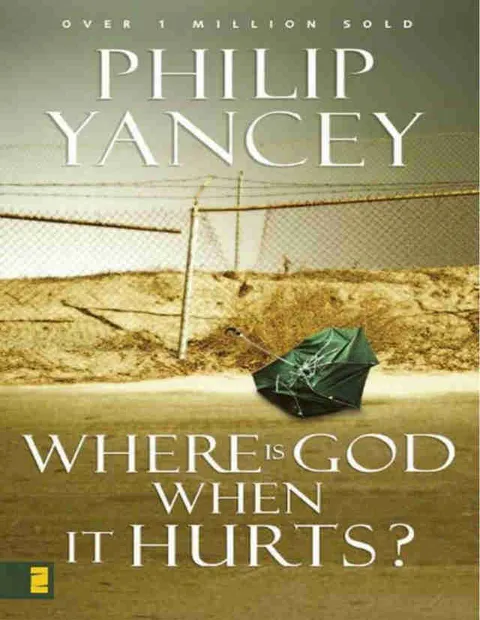
"Where is God when it hurts" by Philip Yancey explores the complex issue of suffering and how it relates to faith and belief in God. Yancey presents personal stories, biblical insights, and theological reflections to offer a thoughtful and compassionate exploration of the presence of God amidst pain and suffering. Ultimately, the book encourages readers to find hope and comfort in God's love and presence, even in the midst of difficult circumstances.
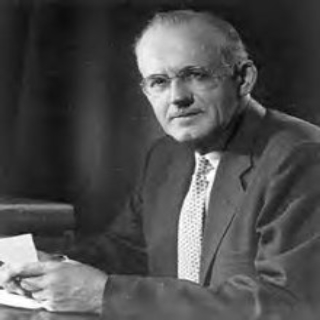
A.W. Tozer (Aiden Wilson Tozer)
 Early life
Tozer hailed from a tiny farming community in western La Jose, Pennsylvania. He was converted to Christianity as a teenager in Akron, Ohio: While on his way home from work at a tire company, he overheard a street preacher say, "If you don't know how to be saved ... just call on God, saying, 'Lord, be merciful to me a sinner.'" Upon returning home, he climbed into the attic and heeded the preacher's advice.
Pastor
In 1919, five years after his conversion and without formal education in Christian theology, Tozer accepted an offer to serve as pastor of his first church. That began 44 years of ministry associated with the Christian and Missionary Alliance (C&MA), a Protestant Evangelical denomination, 33 of them serving as a pastor in several different congregations (his first, a small storefront church in Nutter Fort, West Virginia). Later, he served thirty years (1928 to 1959) as the pastor of Southside Alliance Church in Chicago; the final years of his life he spent as pastor of Avenue Road Church in Toronto, Ontario, Canada. Observing contemporary Christian living, Tozer felt that the church was on a dangerous course toward compromising with "worldly" concerns.
Born into poverty, Tozer was self-educated and taught himself what he missed in high school and university.
Author
Tozer began writing in 1931 for the denominational magazine of the Christian and Missionary Alliance, Alliance Weekly (now Alliance Life), which became the platform from which his writing career emerged. He later wrote the monthly column “There’s Truth in It” (1936–37) and “A Word in Season” (1944–46). In May 1950, he became the editor of the Alliance Weekly, a position he filled until his death in 1963.
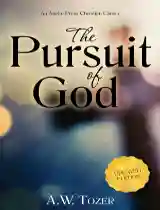
At the urging of David W. Fant, publications secretary of the C&MA, Tozer wrote biographies of A. B. Simpson (1943) and Robert A. Jaffray (1947). It was the publication of his third book, The Pursuit of God (1948), that made Tozer a household name among evangelicals. In addition to the 12 books he published in his lifetime, more than 40 other books have been compiled from his magazine features, editorials, and transcribed sermons.
During his lifetime, Tozer’s works were published by Christian Publications, Inc., the denominational press operated by the C&MA. The publishing house declared bankruptcy in 2006 and was purchased by WingSpread Publishers of Camp Hill, Pennsylvania.[8] In November 2013, Moody Publishers acquired Wingspread from parent company Zur Ltd., a transaction that included more than 60 Tozer books and pamphlets. Some of Tozer’s works are now in the public domain and have been issued by multiple publishers.
Personal life
Tozer had seven children, six sons and a daughter. Living a simple and non-materialistic lifestyle, he and his wife, Ada Cecelia Pfautz, never owned a car, preferring bus and train travel. Even after becoming a well-known Christian author, Tozer signed away much of his royalties to those who were in need.
Prayer was of vital personal importance for Tozer. "His preaching as well as his writings were but extensions of his prayer life," comments his biographer, James L. Snyder, in the book In Pursuit of God: The Life Of A.W. Tozer. "He had the ability to make his listeners face themselves in the light of what God was saying to them," writes Snyder.
Death and legacy
Tozer died on May 13, 1963, after suffering a heart attack. He was buried in Chicago, and later the family had his remains reinterred at Ellet Cemetery, Akron, Ohio. A simple marker reads: A. W. Tozer—A Man of God. The Alliance Weekly ran a memorial issue with numerous tributes and excerpts. The same issue also featured “God’s Greatest Gift to Man," a transcription of his final sermon. A few months prior to his death, Tozer had submitted the manuscript to The Christian Book of Mystical Verse, which was released in 1964 as his final book. His official publisher, Christian Publications, released many titles after his death, based on his magazine articles and sermon transcriptions. These continue in print with Moody Publishers. Several other publishers have released his public domain works.
In 2000, The Pursuit of God was named to Christianity Today’s list of 100 “Books of the Century.” In 2006, Knowledge of the Holy was named in “The Top 50 Books That Have Shaped Evangelicals.” Contemporary Christian music artist Lauren Barlow of BarlowGirl later published a compilation of stories told by 59 artists, writers, and leaders about A.W. Tozer’s personal inspiration.
Early life
Tozer hailed from a tiny farming community in western La Jose, Pennsylvania. He was converted to Christianity as a teenager in Akron, Ohio: While on his way home from work at a tire company, he overheard a street preacher say, "If you don't know how to be saved ... just call on God, saying, 'Lord, be merciful to me a sinner.'" Upon returning home, he climbed into the attic and heeded the preacher's advice.
Pastor
In 1919, five years after his conversion and without formal education in Christian theology, Tozer accepted an offer to serve as pastor of his first church. That began 44 years of ministry associated with the Christian and Missionary Alliance (C&MA), a Protestant Evangelical denomination, 33 of them serving as a pastor in several different congregations (his first, a small storefront church in Nutter Fort, West Virginia). Later, he served thirty years (1928 to 1959) as the pastor of Southside Alliance Church in Chicago; the final years of his life he spent as pastor of Avenue Road Church in Toronto, Ontario, Canada. Observing contemporary Christian living, Tozer felt that the church was on a dangerous course toward compromising with "worldly" concerns.
Born into poverty, Tozer was self-educated and taught himself what he missed in high school and university.
Author
Tozer began writing in 1931 for the denominational magazine of the Christian and Missionary Alliance, Alliance Weekly (now Alliance Life), which became the platform from which his writing career emerged. He later wrote the monthly column “There’s Truth in It” (1936–37) and “A Word in Season” (1944–46). In May 1950, he became the editor of the Alliance Weekly, a position he filled until his death in 1963.
At the urging of David W. Fant, publications secretary of the C&MA, Tozer wrote biographies of A. B. Simpson (1943) and Robert A. Jaffray (1947). It was the publication of his third book, The Pursuit of God (1948), that made Tozer a household name among evangelicals. In addition to the 12 books he published in his lifetime, more than 40 other books have been compiled from his magazine features, editorials, and transcribed sermons.
During his lifetime, Tozer’s works were published by Christian Publications, Inc., the denominational press operated by the C&MA. The publishing house declared bankruptcy in 2006 and was purchased by WingSpread Publishers of Camp Hill, Pennsylvania.[8] In November 2013, Moody Publishers acquired Wingspread from parent company Zur Ltd., a transaction that included more than 60 Tozer books and pamphlets. Some of Tozer’s works are now in the public domain and have been issued by multiple publishers.
Personal life
Tozer had seven children, six sons and a daughter. Living a simple and non-materialistic lifestyle, he and his wife, Ada Cecelia Pfautz, never owned a car, preferring bus and train travel. Even after becoming a well-known Christian author, Tozer signed away much of his royalties to those who were in need.
Prayer was of vital personal importance for Tozer. "His preaching as well as his writings were but extensions of his prayer life," comments his biographer, James L. Snyder, in the book In Pursuit of God: The Life Of A.W. Tozer. "He had the ability to make his listeners face themselves in the light of what God was saying to them," writes Snyder.
Death and legacy
Tozer died on May 13, 1963, after suffering a heart attack. He was buried in Chicago, and later the family had his remains reinterred at Ellet Cemetery, Akron, Ohio. A simple marker reads: A. W. Tozer—A Man of God. The Alliance Weekly ran a memorial issue with numerous tributes and excerpts. The same issue also featured “God’s Greatest Gift to Man," a transcription of his final sermon. A few months prior to his death, Tozer had submitted the manuscript to The Christian Book of Mystical Verse, which was released in 1964 as his final book. His official publisher, Christian Publications, released many titles after his death, based on his magazine articles and sermon transcriptions. These continue in print with Moody Publishers. Several other publishers have released his public domain works.
In 2000, The Pursuit of God was named to Christianity Today’s list of 100 “Books of the Century.” In 2006, Knowledge of the Holy was named in “The Top 50 Books That Have Shaped Evangelicals.” Contemporary Christian music artist Lauren Barlow of BarlowGirl later published a compilation of stories told by 59 artists, writers, and leaders about A.W. Tozer’s personal inspiration.
Heaven Will Be Better Than Eden
When we read about the garden of Eden in Genesis 1 and 2, we can’t help but feel drawn to its beauty and abundance and innocence. It must have been wonderful to live in such a pristine environment, with every need met, to experience an intimate marriage full of delight in each other, and to have a satisfying sense of purpose in ruling over God’s creation together. In fact, we often hear people talk about the future in terms of a return to, or restoration of, Eden. But to speak of the new creation in terms of a restoration of Eden is actually a reduction of what God has planned for his people and for his world. Eden was never intended to be the end. It was always headed somewhere — somewhere even more glorious: new heavens and a new earth (2 Peter 3:13; Revelation 21:1–2). Rather than thinking of Eden in terms of perfection, we should think of it in terms of potential. Eden was unspoiled, but it was also unfinished; it was unsullied, but it was also incomplete. As Adam and Eve were fruitful and multiplied, more offspring in the image of God would come to glorify God by enjoying him forever. As they worked and kept the garden, the boundaries of Eden would expand, and the glory of their royal rule would increase. Just as Eden was not yet all that God intended the home he shared with his people to be, so Adam and Eve were not yet all that God intended his people to be. They were sinless, but they were vulnerable to temptation. They were alive, but they were vulnerable to death. They were made in God’s image, and crowned with a measure of his glory, but they weren’t yet as glorious as God intended them to be. If they obeyed God regarding the forbidden tree, they would be able to eat of the tree of life and enter into the unending, glorious life promised by the tree of life. But, of course, that’s not what happened. Garden Gone Wrong “Rather than thinking of Eden in terms of perfection, we should think of it in terms of potential.” When Satan slithered into Eden in the form of a serpent, Adam did not crush his head then and there but listened to and obeyed him. So rather than extending the boundaries of Eden, Adam and Eve were expelled from Eden. Rather than more fully sharing the glory of the image of God, the image of God in them became marred. Rather than entering into the endless Sabbath rest, they were plunged into the restlessness of the wilderness of this world. But God’s plan for his people and the place he intends to share with them could not be hindered by human sin. God’s plan for his creation was then, and remains now, to establish his kingdom in a new creation, ruled by his Son and his Son’s bride who will share his glory and enjoy his presence in an eternal Sabbath rest. So why does this plan matter? Why does it matter that we understand that God’s original and still-in-place plan always has been headed toward an escalation of the excellencies of the original Eden? Understanding Eden orients us toward a better home. Sometimes we get sick of this world, and we find ourselves very homesick for the next. But what we long for is not merely a return to Eden. Eden was beautiful, but it wasn’t secure. Evil made its way into Eden and brought ruin with it. The new creation, where we will make our home forever, will be completely secure. “Nothing unclean will ever enter it, nor anyone who does what is detestable or false” (Revelation 21:27). It will be a vast garden city, filled with a “ransomed people for God from every tribe and language and people and nation” (Revelation 5:9). As the bride of Christ, we will share this home with our perfect Bridegroom. We won’t just hear his sound in the garden (Genesis 3:10); we “will see his face” (Revelation 22:4). Understanding Eden compels us to be joined to the true Adam. The first Adam failed in the work God gave him to do. Jesus, the second Adam, accomplished the work he was given to do, declaring from the cross, “It is finished!” (John 19:30). The first Adam failed to obey regarding a tree. Jesus obeyed regarding the tree of Calvary. The first Adam failed to love and protect his bride. But Jesus loved his bride by giving himself up for her. Understanding the failure of Adam in Eden compels us to take hold of the true Adam, Jesus. We all are born connected by our shared humanity to the first Adam, physically alive but spiritually dead. Unless something supernatural happens, we remain spiritually dead. It is when our eyes are opened to the beauty of Christ, and we respond in repentance and faith, that something supernatural does happen. We become joined to Christ by faith so that we are made spiritually alive with his life. Understanding Eden fills us with anticipation for future glory. To be joined to the risen Christ is to have the newness and glory and life of the greater Eden breaking into our lives in the here and now. “If anyone is in Christ, he is a new creation. The old has passed away; behold, the new has come” (2 Corinthians 5:17). We find that the glory of the future transforms our sense of shame now. A settled sense of the security of the future soothes our fear of death now. A growing sense of our identity as citizens of heaven changes how we see ourselves now. Truly taking in the love relationship we’re going to enjoy forever warms our hearts toward Christ now. “We’re looking forward to the consummation of all that Eden was intended to be.” But the glory we experience now is nothing compared with the glory to come. One day Christ is going to come and call us to rise from our graves. He’s going to give us resurrected, glorified bodies that are fit for living forever with him. We’ll experience all that God has planned, and been preparing, to share with his people from the very beginning. We’re not merely looking forward to a restoration of what Eden once was. Instead, we’re looking forward to the consummation of all that Eden was intended to be. Jesus, the true Adam, our glorious Bridegroom, the Seed who crushed the serpent’s head (Genesis 3:15), will not fail to lead us into all that God is preparing for us — a home even better than Eden. Article by Nancy Guthrie