
Untamed - Stop Pleasing, Start Living Order Printed Copy
- Author: Glennon Doyle
- Size: 1.74MB | 215 pages
- |
Others like untamed - stop pleasing, start living Features >>

You Are Not What You Weigh
Nurture: Give And Get What You Need To Flourish

It's Not How You Look, It's What You See

Becoming A Brave New Woman
God's High Calling For Women
Women - Gods Secret Weapon
The Esther Anointing
Kingdom Woman: Embracing Your Purpose

Women Of Influence And Distinction
Power Of Passion: The Principles Of Mary Magdalene
About the Book
"Untamed" by Glennon Doyle is a powerful memoir and self-help book that encourages women to break free from societal expectations, embrace their true selves, and live authentically. Doyle shares her own journey of self-discovery and offers insights and advice on how to stop seeking approval from others and start living in alignment with one's inner voice and desires. The book empowers readers to unleash their untamed spirit and lead a more fulfilling life.
Charles Finney
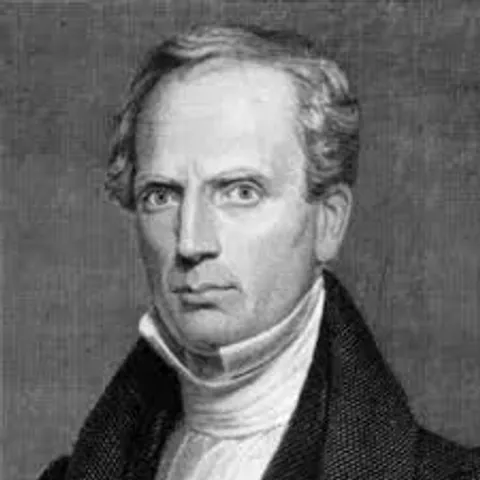 Childhood and Teen years
Charles Grandison Finney was born the year after Wesley died on 29th August, 1792 in Warren, Connecticut. In 1794 his family moved to New York state, eventually settling at Henderson, near Lake Ontario. Although he received only a brief formal education he decided to study law and joined the practice of a local lawyer, Benjamin Wright. He was also very musical, played the cello and directed the choir at the local Presbyterian Church pastured by Rev. George Gale.
His conversion
His conversion on October 10th 1821 reads like something out of the book of Acts. Smitten with conviction from Bible reading he decided to ‘settle the question of my soul’s salvation at once, that if it were possible, I would make my peace with God.’ (Autobiography)
This conviction increased to an unbearable level over the next couple of days and came to an head when he was suddenly confronted with an ‘inward voice.’ He was inwardly questioned about his spiritual condition and finally received revelation about the finished work of Christ and his own need to give up his sins and submit to Christ’s righteousness.
As he sought God in a nearby wood he was overwhelmed with an acute sense of his own wickedness and pride but finally submitted his life to Christ. Back at work that afternoon he was filled with a profound sense of tenderness, sweetness and peace. When work was over and he bade his employer goodnight, he then experienced a mighty baptism in the Holy Spirit, which was recorded as vividly as the day he experienced it, though it was penned some fifty years later.
The next morning Finney announced to a customer that he was leaving his law studies to become a preacher of the Gospel.
Charles Finney licensed to preach
He was licensed to preach in 1823 and ordained as an evangelist in 1824. His penetrating preaching was quite different from many local ministers and included an obvious attempt to break away from the traditional and, as he saw it, dead, orthodox Calvinism. He married to Lydia Andrews in October 1824 and was also joined by Daniel Nash (1774-1831), known popularly as ‘Father Nash.’ Undoubtedly Nash’s special ministry of prayer played a great part in Finney’s growing success as an evangelist.
Things really took off when he preached in his old church, where Rev. Gale still ministered. Numerous converts and critics followed! Similar results were experienced in nearby towns of Rome and Utica. Soon newspapers were reporting his campaigns and he began drawing large crowds with dramatic responses.
Soon he was preaching in the largest cities of the north with phenomenal results. Campaign after campaign secured thousands of converts.
The high point of Finney’s revival career was reached at Rochester, New York, during his 1830-1 meetings. Shopkeepers closed their businesses and the whole city seemed to centre on the revivalist. Responding to his irresistible logic and passionate arguments many of his converts were lawyers, merchants and those from a higher income and professional status.
His Preaching
Finney openly preached a modified Calvinism, influenced with his own theology of conversion and used what were perceived to be ‘revivalistic techniques.’
These ‘means’ included the use of the anxious bench (a special place for those under conviction), protracted meetings, women allowed to pray in mixed meetings, publicly naming those present resisting God in meetings and the hurried admission of new converts into church membership. Opponents viewed his preaching of the law as ‘scare tactics’ and his persuasive appeals for sinners to come to Christ for salvation were seen as over-emphasising the responsibility of men and ignoring the sovereignty of God.
His theology and practise soon became known as the ‘New Measures’ and attracted many opponents from the Old School Presbyterians led by Asahel Nettleton (himself no stranger to true revival and , the revivalistic Congregationalists headed by Lyman Beecher.
Pastor at Chatham Street Chapel
Finney accepted an appointment as pastor of Chatham Street Chapel in New York City in 1832 where he remained until 1837. It was during this time that he delivered a series of sermons published in 1835 as ‘Lectures on Revivals of Religion.’ Here he clearly stated his views regarding revivals being products of the correct use of human means. Such was the controversy that he left the Presbyterian denomination and joined the Congregationalists in 1836.
Oberlin College
The next year he became professor of theology at Oberlin College (Ohio) where he taught until his death. He was President here from 1851 until 1866, but still continued regular revival meetings in urban settings (twice in England, 1848, 1851) until 1860. During his stay at Oberlin he produced his, Lectures to Professing Christians (1836), Sermons on Important Subjects (1839) and his famous Memoirs.
The Father of Modern Revivalism
There is no doubt that Charles Grandison Finney well-deserves the title ‘The Father of Modern Revivalism.’ He was an evangelistic pioneer whose model was followed by a long line of revivalists from D. L. Moody to Billy Graham. His writing have made a massive impact on the entire evangelical world and particularly the ‘Lectures on Revivals’ which has, arguably, ignited more fires of revival than any other single piece literature in evangelical history.
This ‘Prince of Revivalists’ passed away peacefully at Oberlin on Sunday, 16th August, 1875 aged almost 83 years.
Bibliography: I Will Pour Out My Spirit, R. E. Davies, 1997; Ed: A. Scott Moreau, Baker Evangelical Dictionary of World Missions, 2000; Dictionary of Evangelical Biography 1730-1860, Vol. 1, 1995.
Tony Cauchi
Childhood and Teen years
Charles Grandison Finney was born the year after Wesley died on 29th August, 1792 in Warren, Connecticut. In 1794 his family moved to New York state, eventually settling at Henderson, near Lake Ontario. Although he received only a brief formal education he decided to study law and joined the practice of a local lawyer, Benjamin Wright. He was also very musical, played the cello and directed the choir at the local Presbyterian Church pastured by Rev. George Gale.
His conversion
His conversion on October 10th 1821 reads like something out of the book of Acts. Smitten with conviction from Bible reading he decided to ‘settle the question of my soul’s salvation at once, that if it were possible, I would make my peace with God.’ (Autobiography)
This conviction increased to an unbearable level over the next couple of days and came to an head when he was suddenly confronted with an ‘inward voice.’ He was inwardly questioned about his spiritual condition and finally received revelation about the finished work of Christ and his own need to give up his sins and submit to Christ’s righteousness.
As he sought God in a nearby wood he was overwhelmed with an acute sense of his own wickedness and pride but finally submitted his life to Christ. Back at work that afternoon he was filled with a profound sense of tenderness, sweetness and peace. When work was over and he bade his employer goodnight, he then experienced a mighty baptism in the Holy Spirit, which was recorded as vividly as the day he experienced it, though it was penned some fifty years later.
The next morning Finney announced to a customer that he was leaving his law studies to become a preacher of the Gospel.
Charles Finney licensed to preach
He was licensed to preach in 1823 and ordained as an evangelist in 1824. His penetrating preaching was quite different from many local ministers and included an obvious attempt to break away from the traditional and, as he saw it, dead, orthodox Calvinism. He married to Lydia Andrews in October 1824 and was also joined by Daniel Nash (1774-1831), known popularly as ‘Father Nash.’ Undoubtedly Nash’s special ministry of prayer played a great part in Finney’s growing success as an evangelist.
Things really took off when he preached in his old church, where Rev. Gale still ministered. Numerous converts and critics followed! Similar results were experienced in nearby towns of Rome and Utica. Soon newspapers were reporting his campaigns and he began drawing large crowds with dramatic responses.
Soon he was preaching in the largest cities of the north with phenomenal results. Campaign after campaign secured thousands of converts.
The high point of Finney’s revival career was reached at Rochester, New York, during his 1830-1 meetings. Shopkeepers closed their businesses and the whole city seemed to centre on the revivalist. Responding to his irresistible logic and passionate arguments many of his converts were lawyers, merchants and those from a higher income and professional status.
His Preaching
Finney openly preached a modified Calvinism, influenced with his own theology of conversion and used what were perceived to be ‘revivalistic techniques.’
These ‘means’ included the use of the anxious bench (a special place for those under conviction), protracted meetings, women allowed to pray in mixed meetings, publicly naming those present resisting God in meetings and the hurried admission of new converts into church membership. Opponents viewed his preaching of the law as ‘scare tactics’ and his persuasive appeals for sinners to come to Christ for salvation were seen as over-emphasising the responsibility of men and ignoring the sovereignty of God.
His theology and practise soon became known as the ‘New Measures’ and attracted many opponents from the Old School Presbyterians led by Asahel Nettleton (himself no stranger to true revival and , the revivalistic Congregationalists headed by Lyman Beecher.
Pastor at Chatham Street Chapel
Finney accepted an appointment as pastor of Chatham Street Chapel in New York City in 1832 where he remained until 1837. It was during this time that he delivered a series of sermons published in 1835 as ‘Lectures on Revivals of Religion.’ Here he clearly stated his views regarding revivals being products of the correct use of human means. Such was the controversy that he left the Presbyterian denomination and joined the Congregationalists in 1836.
Oberlin College
The next year he became professor of theology at Oberlin College (Ohio) where he taught until his death. He was President here from 1851 until 1866, but still continued regular revival meetings in urban settings (twice in England, 1848, 1851) until 1860. During his stay at Oberlin he produced his, Lectures to Professing Christians (1836), Sermons on Important Subjects (1839) and his famous Memoirs.
The Father of Modern Revivalism
There is no doubt that Charles Grandison Finney well-deserves the title ‘The Father of Modern Revivalism.’ He was an evangelistic pioneer whose model was followed by a long line of revivalists from D. L. Moody to Billy Graham. His writing have made a massive impact on the entire evangelical world and particularly the ‘Lectures on Revivals’ which has, arguably, ignited more fires of revival than any other single piece literature in evangelical history.
This ‘Prince of Revivalists’ passed away peacefully at Oberlin on Sunday, 16th August, 1875 aged almost 83 years.
Bibliography: I Will Pour Out My Spirit, R. E. Davies, 1997; Ed: A. Scott Moreau, Baker Evangelical Dictionary of World Missions, 2000; Dictionary of Evangelical Biography 1730-1860, Vol. 1, 1995.
Tony Cauchi
The Fruitful Empty Nest - Lessons for When the Kids Leave Home
We hugged, said our goodbyes and “I love you.” He walked with us to the car, turned, and walked away. And as we sat there looking at his back, I cried my heart out. Our firstborn child was launched, and I felt like my insides were being ripped out. Two years later, we had a repeat. Once again, after goodbyes, “We love you,” and hugs, another son walked us to the car. Watching him as he turned and walked away, those same deep heart cries rose up in me. One last time, a few years later, goodbyes and “I love you” were said, and hugs were given. We went to the car and watched as our youngest son turned and walked away into his new life. And yes, we sat there looking at his back and I cried my heart out. Not that I would never see our sons again, of course. But when our kids left home, I was keenly aware that my life would dramatically change. For years I had anticipated this day and often thought I couldn’t survive the emotion of it all, but I did. It’s been many years now since those goodbyes. And today I am so grateful to God for his sustaining grace, and for the surprisingly sweet joys he’s given in each season of life since. New Strength After Kids I had been a “full-time” mom, and so obviously when our sons left home, the whole structure of my life altered. No more hurried breakfasts to get out the door in the mornings. No games to go to late in the day. No large meals to prepare that would satisfy teenage boys. No kids hanging out at the house or event-planning with other parents. Oh, yes, life was going to be different, and I wasn’t at all sure I was going to like that! Early on after the kids left, I found myself on my knees before God with a kind of blank, empty feeling, when I found these words: For this reason I bow my knees before the Father, from whom every family in heaven and on earth is named, that according to the riches of his glory he may grant you to be strengthened with power through his Spirit in your inner being. (Ephesians 3:14–16) That good word assured me that God would fill me with his strength for the new season ahead. Six Lessons for Empty Nests We moms want to be good mothers, and we give everything we have to our children. As Christian moms, we feel a special calling to raise our children to love Jesus and follow him, which can seem especially weighty. And on top of it all, our identity can get so wrapped up in our children that we forget who we are. So when it comes time for the kids to leave home, it’s hard! And it’s sad. But we need not stay stuck in sadness. We can move forward into adult relationships with our children which have a sweetness all their own. “Our identity can get so wrapped up in our children that we forget who we are.” If you are in the transition years, anticipating the day when your kids leave home, or are already adjusting to an empty nest, here are some practical steps that have been a great help to me. 1. Pray fervently. No doubt you have prayed for your children since before they were born. Keep praying! As you pray for your child who is no longer under your daily care, you will discover your prayers will become deeper and your relationship with both God and your child will be enriched. Remember, you can cast your anxieties on God, because he cares about you — and your child (1 Peter 5:7). 2. Place your child in the arms of God. I never understood what it meant to “let go” of my children. Then someone suggested, rather than letting go of my children to float out into some kind of never-never land, I can deliberately place them into the strong and loving arms of God where they are protected and cared for. “The eternal God is your dwelling place, and underneath are the everlasting arms” (Deuteronomy 33:27). This has been a great comfort. 3. Perspective helps. The aim of parenting is to raise little humans to become productive adults. Throughout the child-raising years, we want to create a nurturing environment so our children will develop and mature. We want our children to be adults. In a sense, we raise them to leave. 4. Prioritize your husband. While our kids are home, they often require the biggest chunk of our time and energy, but the priority still should be our husband. Make time for him when the kids are home, so you’ll know each other when they leave. Have fun together now, so that you will enjoy each other later. 5. Personal development is essential. Take care of yourself — physically, emotionally, intellectually, and spiritually. Develop an interest or involvement while your kids are home that will carry over into the empty-nest years. One way to do this is to cultivate friendships and fellowship with other women in your church. 6. Plant yourself by streams of water. “A tree planted by streams of water yields its fruit in its season, and its leaf does not wither” (Psalm 1:3). Get rooted, and stay rooted, in God’s word, take delight in God’s Son, maintain fellowship with God’s people. When you do this over the years, you will be fruitful in every season of your life. Enjoy Being a Child Again Most Christian moms, like me, focus on God’s love for our children. We remind ourselves that God loves our kids more than we do — and he does. We help our children understand and accept God’s love for them. But I discovered, when my boys left home, I’d nearly forgotten that God loves me, too. He cares about me. He knows my needs. He wants to bless me because I am his child. “I discovered, when my boys left home, I’d nearly forgotten that God loves me, too.” Mom, if your kids have just left home — or are soon to leave — you are about to enter a new season with great potential for fruitfulness. As young women we bore the fruit of the womb. Then the childrearing years were full of great blessing, energy, and vitality. These years were times of hope, of spring and the warm summer sunshine. But, surprisingly, the empty-nest years can be a very productive and fruit-filled season, too. When kids leave home, parenting takes on new and rewarding dimensions. Daily life is different, for sure, but you are still, and always will be, your kids’ mom. In fact, you no doubt will discover as I have, that as the years move on and you and your kids grow older, your relationships will deepen and enrich on many levels. At the same time, fruit that you bear in this new season of life can have an even wider impact now as you stay connected to your local church. Look for ways to be involved with the younger women in your church. You are a seasoned woman who can nourish the upcoming generation of women. Be encouraged, dear mom. God is with you and loves you through every season of life. He will not forsake you. He wants to bless you and make you a blessing! O God, from my youth you have taught me, and I still proclaim your wondrous deeds. So even to old age and gray hairs, O God, do not forsake me, until I proclaim your might to another generation, your power to all those to come. (Psalm 71:17–18) Article by Linda Linder