

Others like unstoppable Features >>

Life Without Limits

The Compound Effect
Coaching, Mentoring & Managing

Atomic Habits: An Easy & Proven Way To Build Good Habits & Break Bad Ones
The 5 Levels Of Leadership

The Passion Test

The Mountain Is You
-160.webp)
Collaborating With The Enemy (How To Work With People You Don’t Agree With Or Like Or Trust)

Know Your Limits -- Then Ignore Them

Approval Addiction
About the Book
"UNSTOPPABLE" by Nick Vujicic is a motivational book that shares the author's inspiring story of overcoming physical disabilities and finding purpose and happiness. Through personal anecdotes and practical advice, Vujicic encourages readers to embrace their own challenges, believe in themselves, and live a life without limits. The book serves as a powerful reminder that with determination and faith, anything is possible.
Maria Woodworth-Etter
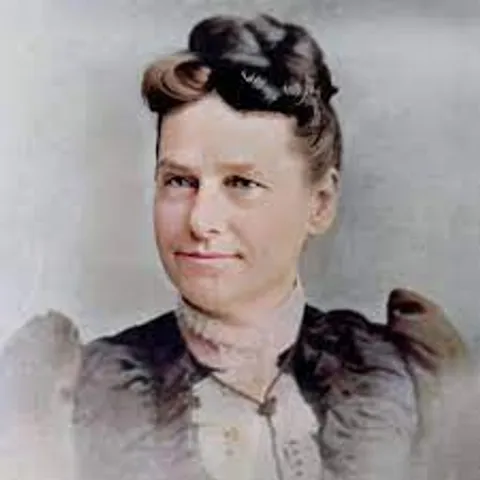 Maria Woodworth-Etter’s Early life
Maria’s early life was plagued with tragedies. Her father died of sunstroke when she was 11 years old leaving her mother with eight children to provide for. She married at 16 but fought a continual battle with ill-health, losing five of her six children. During her sickness she had visions of children in heaven and the lost suffering in hell.
She promised God, that if He would heal her, she would serve Him completely. She asked God for same apostolic power He gave the disciples and was gloriously baptized in the Holy Spirit. “It felt like liquid fire, and there were angels all around.”
The call to preach
Despite her personal struggles with ‘women in ministry’ and the prevailent hostile attitudes to female preachers, she felt compelled by God to accept the invitation to preach in the United Brethren in Christ (Friends) in 1876 and later associated with the Methodist Holiness church.
Evangelism with signs and wonders
Though simply evangelistic in the early days she was unusually successful and in 1885 supernatural signs began to accompany her ministry. Her ministry resurrected dead churches, brought salvation to thousands of unconverted and encouraged believers to seek a deeper walk with God.
She descibes one of her meetings
She described an 1883 meeting in Fairview, Ohio: “I felt impressed God was going to restore love and harmony in the church..… All present came to the altar, made a full consecration, and prayed for a baptism of the Holy Ghost and fire. That night it came. Fifteen same to the altar screaming for mercy.
Men and women fell and lay like dead. I felt it was the work of God, but did not know how to explain it or what to say. I was a little frightened . . . after lying for two hours all, one after another, sprang to their feet as quick as a flash with shining faces and shouted all over the house. I had never seen such bright conversions or such shouting….
The ministers and old saints wept and praised the Lord …..they said it was the Pentecost power, that the Lord was visiting them in great mercy and power …..(they) experienced visions of heaven and hell, collapsed on the floor as if they’d been shot or had died.” Subsequently, thousands were healed of a wide variety of sicknesses and diseases and many believers, even ministers, received mighty baptisms of the Holy Spirit. She soon became a national phenomenon.
1,000 seater tent
In 1889, she purchased a tent that could seat eight thousand people and set it up in Oakland, California. “The power of God was over all the congregation; and around in the city of Oakland. The Holy Ghost would fall on the people while we were preaching. The multitude would be held still, like as though death was in their midst.
Many of the most intelligent and best dressed men would fall back in their seats, with their hands held up to God. being held under the mighty power of God. Men and women fell, all over the tent, like trees in a storm; some would have visions of God. Most all of them came out shouting the praises of God.”
She declared that if 19th-century believers would meet God’s conditions, as the 120 did on the Day of Pentecost, they would have the same results. “A mighty revival would break out that would shake the world, and thousands of souls would be saved. The displays of God’s power on the Day of Pentecost were only a sample of what God designed should follow through the ages. Instead of looking back to Pentecost, let us always be expecting it to come, especially in these days.”
Her views of Pentecostalism
Initially she had grave concerns about the burgeoning Pentecostal movement, mainly because of some unbalanced teaching and reported extremism. Soon she came to believe it was an authentic move of the Holy Spirit and was enthusiastically welcomed within its ranks. She became both a model and a mentor for the fledgling movement. This association elicited another wave of revival between 1912 and her death in 1924 as she ministered throughout the country and her books were read across the world.
Etter Tabenacle
In 1918, she built Etter Tabernacle as her home church base and affiliated with the Assemblies of God. In her closing years she still ministered with a powerful anointing despite struggling with gastritis and dropsy. On occasion she would be carried to the podium, preach with extraordinary power, then be carried home again!
Her demise
Her health continued to decline and she died on September 16, 1924. She is buried in a grave in Indianapolis next to her daughter and son-in-law. Her inscription reads “Thou showest unto thousands lovingkindness.”
In conclusion
Without doubt Maria Woodworth-Etter was an amazing woman blessed with an astonishing ministry. Rev. Stanley Smith – one of the famous “Cambridge Seven” and for many years a worker with “The China Inland Mission” wrote this about her autobiography:
“I cannot let this opportunity go by without again bringing to the notice of my readers, ‘Acts of the Holy Ghost,’ or ‘Life and Experiences of Mrs. M. B. Woodworth-Etter.’ It is a book I value next to the Bible. In special seasons of waiting on God I have found it helpful to have the New Testament on one side of me and Mrs. Etter’s book on the other; this latter is a present-day record of ‘the Acts’ multiplied.
Mrs. Etter is a woman who has had a ministry of healing since 1885, her call as an evangelist being some years previous to this. I venture to think that this ministry is unparalleled in the history of the Church, for which I give all the glory to the Lord Jesus Christ, as Mrs. Etter would, I know, wish me to do. This ministry should be made known, for the glory of the Triune God and the good of believers.”
We agree and pray that such an anointing will rest upon God’s end-time people so that ‘this Gospel of the Kingdom will be preached in all the world before the end comes!’ Matthew 24:14
Tony Cauchi
Maria Woodworth-Etter’s Early life
Maria’s early life was plagued with tragedies. Her father died of sunstroke when she was 11 years old leaving her mother with eight children to provide for. She married at 16 but fought a continual battle with ill-health, losing five of her six children. During her sickness she had visions of children in heaven and the lost suffering in hell.
She promised God, that if He would heal her, she would serve Him completely. She asked God for same apostolic power He gave the disciples and was gloriously baptized in the Holy Spirit. “It felt like liquid fire, and there were angels all around.”
The call to preach
Despite her personal struggles with ‘women in ministry’ and the prevailent hostile attitudes to female preachers, she felt compelled by God to accept the invitation to preach in the United Brethren in Christ (Friends) in 1876 and later associated with the Methodist Holiness church.
Evangelism with signs and wonders
Though simply evangelistic in the early days she was unusually successful and in 1885 supernatural signs began to accompany her ministry. Her ministry resurrected dead churches, brought salvation to thousands of unconverted and encouraged believers to seek a deeper walk with God.
She descibes one of her meetings
She described an 1883 meeting in Fairview, Ohio: “I felt impressed God was going to restore love and harmony in the church..… All present came to the altar, made a full consecration, and prayed for a baptism of the Holy Ghost and fire. That night it came. Fifteen same to the altar screaming for mercy.
Men and women fell and lay like dead. I felt it was the work of God, but did not know how to explain it or what to say. I was a little frightened . . . after lying for two hours all, one after another, sprang to their feet as quick as a flash with shining faces and shouted all over the house. I had never seen such bright conversions or such shouting….
The ministers and old saints wept and praised the Lord …..they said it was the Pentecost power, that the Lord was visiting them in great mercy and power …..(they) experienced visions of heaven and hell, collapsed on the floor as if they’d been shot or had died.” Subsequently, thousands were healed of a wide variety of sicknesses and diseases and many believers, even ministers, received mighty baptisms of the Holy Spirit. She soon became a national phenomenon.
1,000 seater tent
In 1889, she purchased a tent that could seat eight thousand people and set it up in Oakland, California. “The power of God was over all the congregation; and around in the city of Oakland. The Holy Ghost would fall on the people while we were preaching. The multitude would be held still, like as though death was in their midst.
Many of the most intelligent and best dressed men would fall back in their seats, with their hands held up to God. being held under the mighty power of God. Men and women fell, all over the tent, like trees in a storm; some would have visions of God. Most all of them came out shouting the praises of God.”
She declared that if 19th-century believers would meet God’s conditions, as the 120 did on the Day of Pentecost, they would have the same results. “A mighty revival would break out that would shake the world, and thousands of souls would be saved. The displays of God’s power on the Day of Pentecost were only a sample of what God designed should follow through the ages. Instead of looking back to Pentecost, let us always be expecting it to come, especially in these days.”
Her views of Pentecostalism
Initially she had grave concerns about the burgeoning Pentecostal movement, mainly because of some unbalanced teaching and reported extremism. Soon she came to believe it was an authentic move of the Holy Spirit and was enthusiastically welcomed within its ranks. She became both a model and a mentor for the fledgling movement. This association elicited another wave of revival between 1912 and her death in 1924 as she ministered throughout the country and her books were read across the world.
Etter Tabenacle
In 1918, she built Etter Tabernacle as her home church base and affiliated with the Assemblies of God. In her closing years she still ministered with a powerful anointing despite struggling with gastritis and dropsy. On occasion she would be carried to the podium, preach with extraordinary power, then be carried home again!
Her demise
Her health continued to decline and she died on September 16, 1924. She is buried in a grave in Indianapolis next to her daughter and son-in-law. Her inscription reads “Thou showest unto thousands lovingkindness.”
In conclusion
Without doubt Maria Woodworth-Etter was an amazing woman blessed with an astonishing ministry. Rev. Stanley Smith – one of the famous “Cambridge Seven” and for many years a worker with “The China Inland Mission” wrote this about her autobiography:
“I cannot let this opportunity go by without again bringing to the notice of my readers, ‘Acts of the Holy Ghost,’ or ‘Life and Experiences of Mrs. M. B. Woodworth-Etter.’ It is a book I value next to the Bible. In special seasons of waiting on God I have found it helpful to have the New Testament on one side of me and Mrs. Etter’s book on the other; this latter is a present-day record of ‘the Acts’ multiplied.
Mrs. Etter is a woman who has had a ministry of healing since 1885, her call as an evangelist being some years previous to this. I venture to think that this ministry is unparalleled in the history of the Church, for which I give all the glory to the Lord Jesus Christ, as Mrs. Etter would, I know, wish me to do. This ministry should be made known, for the glory of the Triune God and the good of believers.”
We agree and pray that such an anointing will rest upon God’s end-time people so that ‘this Gospel of the Kingdom will be preached in all the world before the end comes!’ Matthew 24:14
Tony Cauchi
Laziness Ruins Happiness
Most people do not want to be thought of as lazy — as a person averse to hard work. We all know laziness is a vice — a corrupting and addicting use of a good gift: rest. Leisure in proper doses is a wonderful, refreshing gift of God. But habitual indulgence in leisure to the neglect of God-given responsibilities brings destruction, both to ourselves and to others. But it’s destructive for a deeper reason than the obvious detrimental impact of work done negligently, or not done at all. At the deeper levels, laziness robs us of happiness by decreasing our capacity to enjoy the deepest delights. And on top of this, it leaves us failing to love as we ought. “Laziness robs us of happiness by decreasing our capacity to enjoy the deepest delights.” Since all of us are tempted in different ways to the sin of laziness, it’s helpful to keep in mind all that’s at stake — and why, over and over throughout the Bible, God commands us to pursue the virtue of diligence. Virtues and Vices For Christians, a virtue is moral excellence that, if cultivated into a habit, becomes a morally excellent character trait. We become more conformed to the image of Christ (Romans 8:29) and experience an increased capacity to delight in what God has made good, true, and beautiful. We see scriptural examples in 2 Peter 1:5–8: Make every effort to supplement your faith with virtue [aretē in Greek, referring to all the virtues] and virtue with knowledge, and knowledge with self-control, and self-control with steadfastness, and steadfastness with godliness, and godliness with brotherly affection, and brotherly affection with love. For if these qualities are yours and are increasing, they keep you from being ineffective or unfruitful in the knowledge of our Lord Jesus Christ. Conversely, a vice is moral corruption that, if cultivated into a habit, becomes a morally corrupt character trait. We become more conformed to the pattern of this fallen world (Romans 12:2) and experience a decreased capacity to delight in what God has made good, true, and beautiful. We see scriptural examples in Galatians 5:19–21: Now the works of the flesh are evident: sexual immorality, impurity, sensuality, idolatry, sorcery, enmity, strife, jealousy, fits of anger, rivalries, dissensions, divisions, envy, drunkenness, orgies, and things like these. I warn you, as I warned you before, that those who do [prassontes in Greek, meaning “make a practice of doing”] such things will not inherit the kingdom of God. Why Diligence Is a ‘Heavenly Virtue’ In the fifth or sixth century, many in the church included diligence on the list of the seven heavenly virtues to counter sloth (the old English word for laziness), which it had on its list of seven deadly sins. But saints throughout redemptive history have always considered diligence a necessary virtue. Both the Old and New Testaments consistently command saints to be diligent, and warn against the dangers of being slothful. Here’s a sampling: Only take care, and keep your soul diligently, lest you forget the things that your eyes have seen, and lest they depart from your heart all the days of your life. (Deuteronomy 4:9) The soul of the sluggard craves and gets nothing, while the soul of the diligent is richly supplied. (Proverbs 13:4) You have commanded your precepts to be kept diligently. (Psalm 119:4) Do not be slothful in zeal, be fervent in spirit, serve the Lord. (Romans 12:11) If anyone is not willing to work, let him not eat. For we hear that some among you walk in idleness, not busy at work, but busybodies. (2 Thessalonians 3:10–11) Therefore, brothers, be all the more diligent to confirm your calling and election, for if you practice these qualities you will never fall. (2 Peter 1:10) As these passages show, diligence is a “heavenly virtue” because it is a means of cultivating godliness — increased capacities to deeply delight in God and his gifts. Cultivating the “deadly sin” (or vice) of sloth, on the other hand, is a means of cultivating ungodliness — decreased capacities to deeply delight in God and his gifts. Wearing Our Love on Our Sleeve But when we speak of pursuing diligence as a way of cultivating godliness, there’s an additional dimension besides developing a strong work ethic for the sake of experiencing greater joys. Since “God is love” (1 John 4:8), and since love fulfills his law (Romans 13:10; Galatians 5:14), growing in godliness means we grow in some aspect of what it means to love. What makes the virtue of diligence distinctly Christian is that it is one of the ways we love God supremely and love our neighbors as ourselves (Matthew 22:37–39). “How we behave reflects what we believe; what we do reflects what we desire; our labors reflect our loves.” God designed us such that our actions bring into view the real affections of our inner being. To put it very simply (and admittedly simplistically): how we behave, over time, reflects what we believe; what we do reflects what we desire; our labors reflect our loves. Now, I realize I’m touching on a complex issue. Our motivating beliefs, desires, and loves are not simple, nor are the contexts in which we behave, do, and labor. Nor are the neurological disorders and diseases that sometimes throw wrenches into these already complex gears. That said, it remains true that our consistent behaviors over time reveal what we really believe, desire, and love. This is what Jesus meant by saying we can distinguish between a healthy (virtuous) tree and a diseased (corrupt) tree by its fruit (Matthew 7:17–20). And of course, the “fruit” is seen not only in what we do, but in how we do it. And here is where our diligence or laziness often reveals what or whom we truly love. Since we seek to take care of what we value greatly, it’s usually apparent when others put their heart into what they’re doing and when they don’t. Or as Paul said of some who were “lazy gluttons” in Crete, “They profess to know God, but they deny him by their works” (Titus 1:12, 16). In what we do and how we do it, in our diligence or laziness, we come to wear our loves on our sleeves — whether we love God (John 14:15) and our neighbor (1 John 3:18), or selfishly love ourselves (2 Timothy 3:2). Be All the More Diligent So, there’s more at stake in our diligence or laziness than we might have previously thought. Yes, diligence is important for the sake of doing high-quality work, which is beneficial in many ways. But hard work, by itself, does not equal the virtue of diligence. As Tony Reinke points out, “Workaholism is slothful because it uses labor in a self-centered way to focus on personal advancement or accumulated accolades” (Killjoys, 50). When Scripture commands us to “be all the more diligent” (2 Peter 1:10), God is calling us to work hard toward the right ends (growing in godliness), in the right ways (what God commands), for the right reasons (love). The more this kind of diligence becomes characteristic of us, the more we become like Jesus: we increasingly delight in what gives him delight, and increasingly love as he loves — which is true virtue. Article by Jon Bloom