




%20by%20Francine%20Rivers%20(z-lib.org).epub-160.webp)




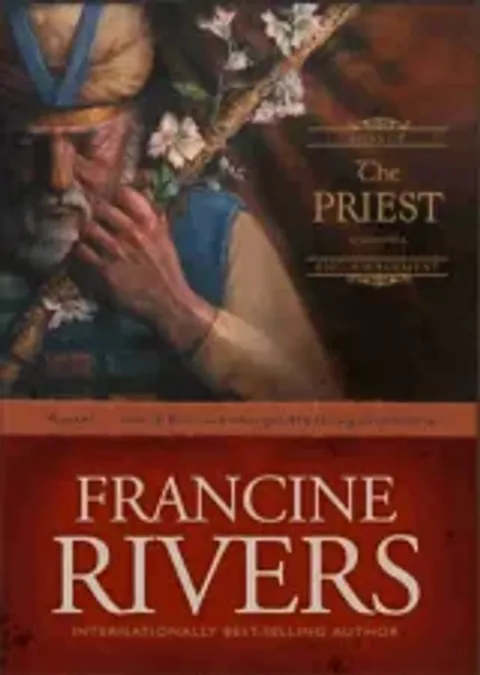
About the Book
"Unafraid: Mary" by Francine Rivers explores the life of Mary, the mother of Jesus, through a retelling of the biblical story. The book delves into Mary's faith, courage, and unwavering trust in God as she navigates the challenges and trials of her extraordinary life. Through the eyes of Mary, readers gain a deeper understanding of the Christmas story and the profound impact of Mary's obedience and devotion.
James Petigru Boyce
why god’s will isn’t always clear
If God wants us to “walk in a manner worthy of the Lord, fully pleasing to him” (Colossians 1:10), why doesn’t he give us more specific guidance in our decisions? The Spontaneous 95% Consider all of the decisions you make during a typical day. Most are quick and spur-of-the-moment. John Piper estimates “that a good 95% of [our] behavior [we] do not premeditate. That is, most of [our] thoughts, attitudes, and actions are spontaneous.” That’s true. And it’s a bit unnerving when you think about it. The majority of the decisions that end up becoming the bricks in the building of our lives are just “spillover from what’s inside.” Even if we do stop and pray about such decisions, it is very rare that we discern God’s specific leading regarding what we should wear, what or where we should eat, if we should respond to this instance of our child’s sin with correction or forbearance, if we should put off that time-consuming errand till tomorrow, or whether we should check our email again . The Massive 5% But what about the other 5% of our decisions? Some of these are massive and life-shaping. Should I marry this person? How much money should I give away and where? How much should we save for retirement? Should we adopt a child? Should I pursue a different vocation? Should we homeschool or not? Should I pursue chemo or an alternative cancer treatment? Should we buy this home? Which college should I attend? Is it time to put my elderly parent in a nursing home? Should I go to the mission field? Shouldn’t we expect God to direct us more explicitly in these? A Concealing Design “God doesn’t always make his will clear because he values our being transformed more than our being informed.” The answer is no, not necessarily. Why? Well, the short answer is because he is God, and we are not. “It is the glory of God to conceal things” (Proverbs 25:2). His wisdom and knowledge are unfathomably deep, his judgments are unsearchable, and his ways are inscrutable (Romans 11:33). Considering all the factors in play in the universe, it is likely no exaggeration that there are trillions of reasons for why God directs the course of our lives, and he prefers to carry out his purposes in ways that confound, surprise, and humble humans, angels, and demons. There is a tremendous glory that God displays when, without tipping his hand to us in advance, we suddenly recognize that he was working his will all along when we couldn’t see it. And he is also merciful to withhold information from us that he knows we aren’t ready to know, even if we think we really want to. A Revealing Design But one reason why God usually doesn’t give us specific guidance in our sometimes perplexing decisions is that he places a higher priority on our being transformed than our being informed in order that we will be conformed to the image of Jesus (Romans 8:29). That’s why Paul writes, Do not be conformed to this world, but be transformed by the renewal of your mind, that by testing you may discern what is the will of God, what is good and acceptable and perfect. (Romans 12:2) What does this mean? It means that God has a design in the difficulty of our discerning. The motives and affections of our hearts, or “renewed minds,” are more clearly revealed in the testing of ambiguous decision-making. In Scripture, God reveals to us everything we need to know to live godly lives (2 Peter 1:3) and to “be complete [and] equipped for every good work” (2 Timothy 3:16–17). But the Father is not seeking workers, but worshipers (John 4:23). And he knows that if he made his will for our specific decisions more explicit more often, we would tend to focus more on what we do rather than what we love . Like the Pharisees, we would tend to focus more on our actions, rather than our affections. But in decisions that require discernment, the wheat is distinguished from the tares. When we’re not quite sure, we end up making decisions based on what we really love. If deep down we love the world, this will become apparent in the pattern of decisions that we make over time — we will conform to this world. But if we really love Jesus, we will increasingly love what he loves — we will be transformed by renewed minds. And our love for him and his kingdom will be revealed in the pattern of small and large decisions that we make. The Pattern of Our Decisions I say “pattern of decisions” because all of us sin and make mistakes. But conformity to the world or to Jesus is most clearly seen in the pattern of decisions we make over time. “Conformity to the world or to Jesus is most clearly seen in the pattern of decisions we make over time.” That’s one reason why God makes us wrestle with uncertainty. He wants us to mature and have our “powers of discernment trained by constant practice to distinguish good from evil” (Hebrews 5:14). The wonderful thing to remember in all of our decisions is that Jesus is our Good Shepherd. He laid down his life for us so that all of our sins are covered — including every sinful or defective decision. He will never leave us or forsake us. He has a staff long enough to pull us out of every hole and a rod to guide us back when we stray. And someday, if we truly seek to love him and trust him, we will see that he really was leading us through the confusing terrain of difficult decisions all along.