

Others like the shining man Features >>

The Grace Of Yielding

The Ministry Of Healing

The Life And Death Of Mr. Badman

Paid In Full
-160.webp)
A Father Who Keeps His Promise (God’s Covenant Love In Scripture)
-160.webp)
Why I Believe (A Psychologists Thoughts On Suffering, Miracles, Science, And Faith)

The Cross

What Does It Mean To Be Born Again

The Grace That Makes Us Holy
Seed Time And Harvest
About the Book
"The Shining Man" by E.H. Skolfield is a mystery novel that follows Detective Inspector Tom Shearn as he investigates the murder of a man found in a pile of leaves. As Shearn delves deeper into the case, he uncovers dark secrets and hidden truths that lead to a thrilling conclusion. The novel is a gripping and atmospheric tale that keeps readers guessing until the very end.
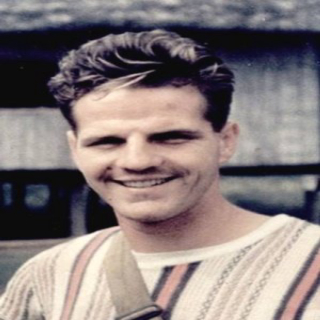
Jim Elliot
 EARLY LIFE
Jim Elliot began his life in Portland, Oregon in the USA. His mother, Clara, was a chiropractor and his father, Fred, was a minister. They married and settled in Seattle, WA where they welcomed their first son, Robert in 1921.
Later they relocated the family to Portland where Herbert arrived in 1924, Jim in 1927, and Jane in 1932.
Jim knew Christ from an early age and was never afraid to speak about Him to his friends. At age six Jim told his mother, “Now, mama, the Lord Jesus can come whenever He wants. He could take our whole family because I’m saved now, and Jane is too young to know Him yet.”
THE YEARS THAT CEMENTED HIS DESIRE TO SERVE THE LORD IN MISSIONS
Jim entered Benson Polytechnic High School in 1941. He carried a small Bible with him and, an excellent speaker; he was often found speaking out for Christ. He and his friends were not afraid to step out and find adventure. One thing Jim didn’t have time for in those early years were girls. He was once quoted as telling a friend, “Domesticated males aren’t much use for adventure.”
In 1945 Jim traveled to Wheaton, IL to attend Wheaton College. His main goal while there was to devote himself to God. He recognized the importance of discipline in pursuing this goal. He would start each morning with prayer and Bible study. In his journal he wrote, “None of it gets to be ‘old stuff’ for it is Christ in print, the Living Word. We wouldn’t think of rising in the morning without a face-wash, but we often neglect the purgative cleansing of the Word of the Lord. It wakes us up to our responsibility.”
Jim’s desire to serve God by taking His gospel to unreached people of the world began to grow while at Wheaton. The summer of 1947 found him in Mexico and that time influenced his decision to minister in Central America after he finished college.
Jim met Elisabeth Howard during his third year at Wheaton. He did ask her for a date which she accepted and then later cancelled. They spent the next years as friends and after she finished at Wheaton they continued to correspond. As they came to know each other there was an attraction, but Jim felt he needed to unencumbered by worldly concerns in order to devote himself completely to God.
In addition to his hope to one day travel to a foreign country to share Christ with the unchurched of the world, he also felt the need to share with people in the United States. On Sundays while at Wheaton he would often ride the train into Chicago and talk to people in the train station about Christ. He often felt ineffective in his work as the times of knowingly leading people to Christ were few. He once wrote, “No fruit yet. Why is that I’m so unproductive? I cannot recall leading more than one or two into the kingdom. Surely this is not the manifestation of the power of the Resurrection. I feel as Rachel, ‘Give me children, or else I die.’”
After college with no clear answer as to working for the Lord in a foreign country, Jim returned home to Portland. He continued his disciplined Bible study as well as correspondence with Elisabeth Howard whom he called Betty.
They both felt a strong attraction to each other during this time, but also felt that the Lord may have been calling them to be unmarried as they served Him.
In June of 1950 he travelled to Oklahoma to attend the Summer Institute of Linguistics. There he learned how to study unwritten languages. He was able to work with a missionary to the Quichuas of the Ecuadorian jungle. Because of these lessons he began to pray for guidance about going to Ecuador and later felt compelled to answer the call there.
Elisabeth Elliot wrote in Shadow of the Almighty:
“The breadth of Jim’s vision is suggested in this entry from the journal:
August 9. “God just now gave me faith to ask for another young man to go, perhaps not this fall, but soon, to join the ranks in the lowlands of eastern Ecuador. There we must learn: 1) Spanish and Quichua, 2) each other, 3) the jungle and independence, and 4) God and God’s way of approach to the highland Quichua. From thence, by His great hand, we must move to the Ecuadorian highlands with several young Indians each, and begin work among the 800,000 highlanders. If God tarries, the natives must be taught to spread southward with the message of the reigning Christ, establishing New Testament groups as they go. Thence the Word must go south into Peru and Bolivia. The Quichuas must be reached for God! Enough for policy. Now for prayer and practice.
THE ECUADOR YEARS
In February 1952 Jim finally left America to travel to Ecuador with Pete Fleming. In May Elisabeth moved to Quito and though they didn’t feel the need to get engaged she and Jim did begin a courtship.
In August Jim left Elisabeth in Quito and travelled with Pete to Shell Mera. At the Mission Aviation Fellowship headquarters in Shell Mera, Jim and Pete learned more about the Acua Indians, a people group that was largely unreached and very savage.
Leaving Shell Mera, Pete and Jim moved on to Shandia where Jim was captivated by the Quichua. He felt very strongly that this was exactly where God intended for him to work to spread the Gospel.
While Jim was in Shandia, Elisabeth was working to learn more about the Colorado Indians near Santa Domingo. In January of 1953 he went to Quito and she met him there and they were finally engaged. They married in October of that year and their only child Valerie was born in 1955.
They settled in Shandia and continued their work with the Quichua Indians. It was Jim’s desire to be able to reach the Waodoni tribe that lived deep in the jungles and had little contact with the outside world. A Waodoni woman who had left the tribe was taken in by the missionaries and helped them to learn the language.
Jim, along with Pete, Ed McCully, Roger Youderian, and their pilot Nate Saint began to search by plane in hopes of finding a way to contact the Waodoni. The found a sandbar in the middle of the Curaray River that worked as a landing strip for the plane and it was there that they first made contact with the Waodoni. They were elated to be able to finally be able to attempt to share the love of Christ with this people group.
After their first meeting, one of the tribe, a man they called George lied to the tribe about the men’s intentions. This lie led the Waodoni warriors to plan an attack for when the missionaries returned. The men did return on January 8, 1956 and were surprised by ten members of the tribe who massacred the missionaries.
Jim’s short life that was filled with the desire to share God’s love can be summed up by a quote that is attributed to him. “He is no fool who gives that which he cannot keep, to gain what he cannot lose.”
EARLY LIFE
Jim Elliot began his life in Portland, Oregon in the USA. His mother, Clara, was a chiropractor and his father, Fred, was a minister. They married and settled in Seattle, WA where they welcomed their first son, Robert in 1921.
Later they relocated the family to Portland where Herbert arrived in 1924, Jim in 1927, and Jane in 1932.
Jim knew Christ from an early age and was never afraid to speak about Him to his friends. At age six Jim told his mother, “Now, mama, the Lord Jesus can come whenever He wants. He could take our whole family because I’m saved now, and Jane is too young to know Him yet.”
THE YEARS THAT CEMENTED HIS DESIRE TO SERVE THE LORD IN MISSIONS
Jim entered Benson Polytechnic High School in 1941. He carried a small Bible with him and, an excellent speaker; he was often found speaking out for Christ. He and his friends were not afraid to step out and find adventure. One thing Jim didn’t have time for in those early years were girls. He was once quoted as telling a friend, “Domesticated males aren’t much use for adventure.”
In 1945 Jim traveled to Wheaton, IL to attend Wheaton College. His main goal while there was to devote himself to God. He recognized the importance of discipline in pursuing this goal. He would start each morning with prayer and Bible study. In his journal he wrote, “None of it gets to be ‘old stuff’ for it is Christ in print, the Living Word. We wouldn’t think of rising in the morning without a face-wash, but we often neglect the purgative cleansing of the Word of the Lord. It wakes us up to our responsibility.”
Jim’s desire to serve God by taking His gospel to unreached people of the world began to grow while at Wheaton. The summer of 1947 found him in Mexico and that time influenced his decision to minister in Central America after he finished college.
Jim met Elisabeth Howard during his third year at Wheaton. He did ask her for a date which she accepted and then later cancelled. They spent the next years as friends and after she finished at Wheaton they continued to correspond. As they came to know each other there was an attraction, but Jim felt he needed to unencumbered by worldly concerns in order to devote himself completely to God.
In addition to his hope to one day travel to a foreign country to share Christ with the unchurched of the world, he also felt the need to share with people in the United States. On Sundays while at Wheaton he would often ride the train into Chicago and talk to people in the train station about Christ. He often felt ineffective in his work as the times of knowingly leading people to Christ were few. He once wrote, “No fruit yet. Why is that I’m so unproductive? I cannot recall leading more than one or two into the kingdom. Surely this is not the manifestation of the power of the Resurrection. I feel as Rachel, ‘Give me children, or else I die.’”
After college with no clear answer as to working for the Lord in a foreign country, Jim returned home to Portland. He continued his disciplined Bible study as well as correspondence with Elisabeth Howard whom he called Betty.
They both felt a strong attraction to each other during this time, but also felt that the Lord may have been calling them to be unmarried as they served Him.
In June of 1950 he travelled to Oklahoma to attend the Summer Institute of Linguistics. There he learned how to study unwritten languages. He was able to work with a missionary to the Quichuas of the Ecuadorian jungle. Because of these lessons he began to pray for guidance about going to Ecuador and later felt compelled to answer the call there.
Elisabeth Elliot wrote in Shadow of the Almighty:
“The breadth of Jim’s vision is suggested in this entry from the journal:
August 9. “God just now gave me faith to ask for another young man to go, perhaps not this fall, but soon, to join the ranks in the lowlands of eastern Ecuador. There we must learn: 1) Spanish and Quichua, 2) each other, 3) the jungle and independence, and 4) God and God’s way of approach to the highland Quichua. From thence, by His great hand, we must move to the Ecuadorian highlands with several young Indians each, and begin work among the 800,000 highlanders. If God tarries, the natives must be taught to spread southward with the message of the reigning Christ, establishing New Testament groups as they go. Thence the Word must go south into Peru and Bolivia. The Quichuas must be reached for God! Enough for policy. Now for prayer and practice.
THE ECUADOR YEARS
In February 1952 Jim finally left America to travel to Ecuador with Pete Fleming. In May Elisabeth moved to Quito and though they didn’t feel the need to get engaged she and Jim did begin a courtship.
In August Jim left Elisabeth in Quito and travelled with Pete to Shell Mera. At the Mission Aviation Fellowship headquarters in Shell Mera, Jim and Pete learned more about the Acua Indians, a people group that was largely unreached and very savage.
Leaving Shell Mera, Pete and Jim moved on to Shandia where Jim was captivated by the Quichua. He felt very strongly that this was exactly where God intended for him to work to spread the Gospel.
While Jim was in Shandia, Elisabeth was working to learn more about the Colorado Indians near Santa Domingo. In January of 1953 he went to Quito and she met him there and they were finally engaged. They married in October of that year and their only child Valerie was born in 1955.
They settled in Shandia and continued their work with the Quichua Indians. It was Jim’s desire to be able to reach the Waodoni tribe that lived deep in the jungles and had little contact with the outside world. A Waodoni woman who had left the tribe was taken in by the missionaries and helped them to learn the language.
Jim, along with Pete, Ed McCully, Roger Youderian, and their pilot Nate Saint began to search by plane in hopes of finding a way to contact the Waodoni. The found a sandbar in the middle of the Curaray River that worked as a landing strip for the plane and it was there that they first made contact with the Waodoni. They were elated to be able to finally be able to attempt to share the love of Christ with this people group.
After their first meeting, one of the tribe, a man they called George lied to the tribe about the men’s intentions. This lie led the Waodoni warriors to plan an attack for when the missionaries returned. The men did return on January 8, 1956 and were surprised by ten members of the tribe who massacred the missionaries.
Jim’s short life that was filled with the desire to share God’s love can be summed up by a quote that is attributed to him. “He is no fool who gives that which he cannot keep, to gain what he cannot lose.”
What Does It Mean to Be Real
Nobody likes a fake. Even in our airbrush culture, we despise counterfeits and crave authenticity. Everyone wants to be real. But what does it mean to be real? No one really knows. Or so it seems. Try an experiment. Listen to people talk about what it means to be a Christian. Do you know what you will hear? Lots of competing answers and plenty of confusion. Perhaps you recall when 2012 presidential hopeful, Senator Rick Santorum, claimed that President Barack Obama’s policies were based on “a different theology.” Reporters, of course, pounced on this juicy piece of journalist red meat. “Did Senator Santorum,” they asked, “have the audacity, not of hope, but political incorrectness, to call into question the president’s claim to be a Christian?” When Senator Santorum was pressed, he gave a politically savvy response: “If the president says he’s a Christian, he’s a Christian.” End of story. Next question, please. His answer satisfied reporters, and thousands of others following the story. It was as if he said, “To profess faith is to possess faith.” And what could be less objectionable, or more American, than that? But one wonders what Jesus thinks of what Santorum said. More Than Mere Talk Is it enough simply to say we’re real, or should we be able to see we’re real? And if so, what should we see? Are there marks of authentic faith we should see in our lives, or in the lives of others? And what about the watching world? What should they see in the lives of real Christians? Now, more than a decade into the twenty-first century, the evangelical church faces huge challenges to its ministry and mission — radical pluralism, aggressive secularism, political polarization, skepticism about religion, revisionist sexual ethics, postmodern conceptions of truth. But perhaps the greatest threat to the church’s witness is one of our own making — an image problem. Many outside the church view Christians as unchristian in their attitudes and actions — bigoted, homophobic, hypocritical, materialistic, judgmental, self-serving, overly political. Several years ago, David Kinnaman and Gabe Lyons showed this in their book Unchristian , which landed like a bombshell on a happy-go-lucky evangelicalism, causing many of us to do some serious soul-searching. The evangelical church’s image problem doesn’t bode well for its future. In fact, the data suggests that evangelical Christianity is declining in North America. Despite the church’s best efforts to appeal to the disillusioned, we continue to see alarming trends. Droves of people, especially from younger generations, are leaving the church and don’t plan to return. This has driven some to even predict the end of evangelicalism (See David Fitch, The End of Evangelicalism? ). One True Soil The reasons for this discouraging state of affairs are complex, not cookie-cutter. But we know one thing is certain: When Christians are confused about what it means to be real, the spiritual decline of the church will follow. In our increasingly post-Christian culture, where confusion about what it means to be real abounds, and where distrust of organized religion has reached an all-time high, the church needs to get real . We must clarify for ourselves, and for a watching world, what it means to live a life of authentic faith. While Christians are confused about what it means to be real, Jesus is not. “Thus you will recognize them by their fruits,” he says (Matthew 7:20). You know you’re real if you bear fruit, he tells us. Fruit is the telltale sign of authentic faith because fruit doesn’t lie. “For no good tree bears bad fruit, nor again does a bad tree bear good fruit, for each tree is known by its own fruit. For figs are not gathered from thornbushes, nor are grapes picked from a bramble bush” (Luke 6:43–44). Jesus underscores this point in his famous parable about the sower (Matthew 13:1–23). The parable itself is straightforward. A farmer sows seed in a field, and the seed represents the good news of the kingdom. It is sown on four different kinds of soil, each representing a different response to the message of the kingdom. Simple enough, right? But here’s the punch line: Only one type of soil bears fruit. Counterfeits Exposed The seed sown on the first soil hardly gets started. Satan comes and snatches it away. But what’s even more troubling is the outcome of the seed sown on the second and third soils. Why? Because both respond positively to the message, at least initially. These seeds appear to take root and begin growing into something real. Yet as the story continues, we learn that neither seed bears fruit. Neither lasts to the end, and thus neither seed is real. Some of the seeds fail to develop roots, and they don’t persevere when life gets hard and their faith is tested. All we see from this seed is a burst of enthusiasm, but no staying power. Perhaps this is someone who got excited about fellowship or forgiveness, but lacked love for Christ. They only have the appearance of being real. Over time, their faith proved counterfeit. We assume the third seed had a similarly joyful response to the message. Yet this soon dissipates because of revived interest in the things of the world — a career promotion, a new vacation home, saving toward their 401(k) plan. These concerns choke any fledgling faith, and the person falls away. New People with New Lives Why does Jesus tell his disciples this sobering parable? Why such a blunt story about the distinction between authentic and inauthentic responses to his message? Evidently, Jesus doesn’t equate professing faith with possessing faith, as we so often do. Instead, he warns his disciples that only one things matters — bearing fruit Although provocative, I think Jesus’s point is simple. Real is something you can see. There is a visible difference between real and not-real Christians. It’s not enough to say you’re real; you should be able to see you’re real. Real faith is something you can see. Being real is more than regularly attending church, feeling good about God, or “accepting” Jesus as your Savior; it goes beyond being baptized, receiving Communion, reciting the creed, or joining in church membership. As important as these things are, being real runs deeper than these things. Real Christians are new creatures. Physically, they won’t look different than others, at least not in the way they dress or keep their hair. Yet real Christians are radically changed — they’ve experienced a new birth, received a new heart, and enjoy new desires. Which makes them altogether new people who live new lives. And it shows. If you’re real, it will reveal itself in your life. Real Christians bear the marks of authentic faith in ways that can be seen, heard, and felt. When you know what you’re looking for, you can see the marks of real in their lives — and in your own.