

Others like the purpose of love and marriage Features >>

Pathway To Christian Marriage
Healing Your Marriage When Trust Is Broken

I Almost Ruined My Marriage

The Intimate Marriage - A Practical Guide To Building A Great Marriage

The Meaning Of Marriage: A Couple’s Devotional
-160.webp)
Building Stronger Marriages And Families

The Abcs Of A Beautiful Marriage

The Story Of Marriage

Courtship After Marriage

Sex, God & Marriage
John G. Lake
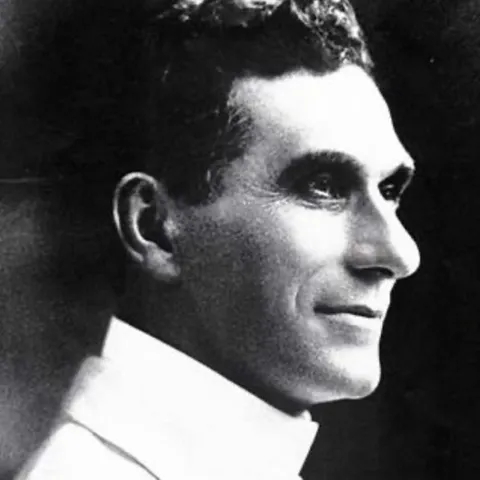 John G. Lake was born in Ontario, Canada on March 18th, 1870. He was a family man, person of integrity, honor, a savvy businessman and a good father. If you knew him you wouldn’t otherwise know that he would soon become one of the greatest men of God the world would ever know. He had a genuine love for the Lord Jesus and was known by his friends as a man who dedicated himself to intimacy with The Lord. It was out of this place that he loved his wife, was a man of integrity and built a very successful business career. To give you perspective, by 1905 John G Lake was making $50,000 per year this sum would be like upwards of 1.3 million dollars per year annually today. John grew up in a family environment which was plagued with sickness and death, it is said that his earliest memories were of sickness, death and funerals. Lake was from a large family, he had 16 siblings, 8 of which tragically died of various diseases. It is no coincidence that “the man of healing” was tormented from a young age with death and disease. The enemy will often oppose destinies with radical circumstances through a distortion of the very thing that we are called to walk in. Lake Was exposed to dramatic healing when he visited John Alexander Dowie’s ministry and was, in prayer, instantly healed of a rheumatism which had caused his legs to grow incorrectly. Just two short years into their marriage, Jennie Lake was diagnosed with tuberculosis and heart disease. Over the next couple of years, the condition worsened and the doctors resigned to the fact that it was only a matter of time before she would die. John allowed this situation to provoke him into faith, after being exposed to such death and disease from a young age he had a hatred for such things. When he would read the word of God he saw that his Christian experience was less than the promised “power of the Holy Spirit”. As Jennie was on her deathbed and perhaps taking her final breaths Lake was overcome with anger over sickness and threw his bible against the fireplace mantle! When he went to pick up his bible it was opened to Acts chapter 10:38 which says: "God anointed Jesus of Nazareth with the Holy Ghost and with power: who went about doing good, and healing all that were oppressed of the devil; for God was with him.” Lake had a surge of faith in that moment and sent a telegram to Dowie asking him to pray. Within an hour of Dowie praying she was fully healed! Not long after Jennie was healed, God began to speak to Lake about going into full time ministry. After some time of contemplation and seeking the Lord, God confirmed to John and Jennie separately that they were to move to South Africa to begin their life of ministry. John and Jennie then gave away all that they had, John forsook his mega-salary and they went on their way alongside some of their friends as ministry partners.
When they arrived in South Africa, they had no money. The problem was, that they needed at least $125 in order to clear customs. they nervously waited for their turn in line, rehearsing what they would say to the immigration officer They were in desperate need of a miracle, as the law read that they would be subject to deportation as quickly as they arrived in South Africa. Just as they were about the get to the front of the line, John felt a tap on his shoulder… A man was standing behind John and said “excuse me sir, can I have a word with you?” John nervously steps out of line at the man’s request and the man said “when I saw you and your family in line, the Lord told me to give you $200 cash”. The Lord provided just enough money for John and his family to enter the country. But their needs didn’t stop there. The Lakes and their crew had no ministry contact in Johannesburg. Soon after they cleared customs, a woman approached John’s friends and asked how many people are in their family, when they told her, she responded “no, not you” and went over to John and asked the same question. John replied “9” and she said “you’re the ones!” She went on to tell John that the Lord had spoken to her last night that she was to give her home to a family of 9 people who are coming from America to do God’s work. John, Jennie and their crew rejoiced in the dramatic provision of the Lord. Their time in South Africa was marked with waves of revival, there were multitudes saved, healed and delivered over the course of their 5 year ministry tour in South Africa.
By far my favorite story from this season of Revival takes place shortly after the Lake family and their team arrived in South Africa. A mighty plague was sweeping through the nation, the death count was climbing dramatically. So much so that there was a surplus of corpses who were victims of the plague and there was no one to bury the dead; if someone was to come in contact with a dead body they would most certainly become infected and their death sentence would immediately begin. John G. Lake astounded the medical officials because he, without any gloves or protective clothing began burying the dead. Physicians in a panic approached John and rebuked him for coming in contact with the dead, John boldly responded "when the disease comes in contact with my skin, you can watch it die". The doctors thought he was insane, so he challenged them to put a drop of the plague on his skin and watch it under a microscope. When they did so, John was right! The plague cells literally burned up the second they came in contact with his skin!
It is tough to understand what would happen towards the end of the Lake’s missionary journey in Africa. One day while John was away on a ministry trip, his wife Jennie suddenly passed away. The cause of her death was malnutrition and exhaustion. It wasn’t uncommon for the sick and broken to line the lawn of John G Lake’s home and Jennie, as an act of sacrifice, gave away all their food and any resources she could to the broken which frequented their house.
Although John and Jennie’s faith and sacrifice is commendable we must learn from this fatal mistake. John’s priorities clearly became altered as the demand for ministry raged on. He failed to guard and keep the very precious gift that God had given him, he allowed the demands of ministry to distract him from the needs of his family unto the tragic and preventable death of his wife. In the wake of Jennie’s death their children became bitter with John and subsequently God. Some of his children left the faith and the most recent accounts of them suggest that they died not following Christ. To this day some of John’s great grandchildren do not follow the Lord. John’s failure to obey the basic command of scripture for “husbands to love their wives as Christ loves the church” and his preoccupation with the demands of ministry opened up the door for the enemy to ravage his family. After Jennie’s death John moved back to the United States and remarried. He would then pioneer his famous healing ministry based out of Spokane Washington. Unfortunately John did not learn his lesson the first time, in the midst of more flames of revival he continued to be a poor father, emotionally disconnected from his children.
John G. Lake was born in Ontario, Canada on March 18th, 1870. He was a family man, person of integrity, honor, a savvy businessman and a good father. If you knew him you wouldn’t otherwise know that he would soon become one of the greatest men of God the world would ever know. He had a genuine love for the Lord Jesus and was known by his friends as a man who dedicated himself to intimacy with The Lord. It was out of this place that he loved his wife, was a man of integrity and built a very successful business career. To give you perspective, by 1905 John G Lake was making $50,000 per year this sum would be like upwards of 1.3 million dollars per year annually today. John grew up in a family environment which was plagued with sickness and death, it is said that his earliest memories were of sickness, death and funerals. Lake was from a large family, he had 16 siblings, 8 of which tragically died of various diseases. It is no coincidence that “the man of healing” was tormented from a young age with death and disease. The enemy will often oppose destinies with radical circumstances through a distortion of the very thing that we are called to walk in. Lake Was exposed to dramatic healing when he visited John Alexander Dowie’s ministry and was, in prayer, instantly healed of a rheumatism which had caused his legs to grow incorrectly. Just two short years into their marriage, Jennie Lake was diagnosed with tuberculosis and heart disease. Over the next couple of years, the condition worsened and the doctors resigned to the fact that it was only a matter of time before she would die. John allowed this situation to provoke him into faith, after being exposed to such death and disease from a young age he had a hatred for such things. When he would read the word of God he saw that his Christian experience was less than the promised “power of the Holy Spirit”. As Jennie was on her deathbed and perhaps taking her final breaths Lake was overcome with anger over sickness and threw his bible against the fireplace mantle! When he went to pick up his bible it was opened to Acts chapter 10:38 which says: "God anointed Jesus of Nazareth with the Holy Ghost and with power: who went about doing good, and healing all that were oppressed of the devil; for God was with him.” Lake had a surge of faith in that moment and sent a telegram to Dowie asking him to pray. Within an hour of Dowie praying she was fully healed! Not long after Jennie was healed, God began to speak to Lake about going into full time ministry. After some time of contemplation and seeking the Lord, God confirmed to John and Jennie separately that they were to move to South Africa to begin their life of ministry. John and Jennie then gave away all that they had, John forsook his mega-salary and they went on their way alongside some of their friends as ministry partners.
When they arrived in South Africa, they had no money. The problem was, that they needed at least $125 in order to clear customs. they nervously waited for their turn in line, rehearsing what they would say to the immigration officer They were in desperate need of a miracle, as the law read that they would be subject to deportation as quickly as they arrived in South Africa. Just as they were about the get to the front of the line, John felt a tap on his shoulder… A man was standing behind John and said “excuse me sir, can I have a word with you?” John nervously steps out of line at the man’s request and the man said “when I saw you and your family in line, the Lord told me to give you $200 cash”. The Lord provided just enough money for John and his family to enter the country. But their needs didn’t stop there. The Lakes and their crew had no ministry contact in Johannesburg. Soon after they cleared customs, a woman approached John’s friends and asked how many people are in their family, when they told her, she responded “no, not you” and went over to John and asked the same question. John replied “9” and she said “you’re the ones!” She went on to tell John that the Lord had spoken to her last night that she was to give her home to a family of 9 people who are coming from America to do God’s work. John, Jennie and their crew rejoiced in the dramatic provision of the Lord. Their time in South Africa was marked with waves of revival, there were multitudes saved, healed and delivered over the course of their 5 year ministry tour in South Africa.
By far my favorite story from this season of Revival takes place shortly after the Lake family and their team arrived in South Africa. A mighty plague was sweeping through the nation, the death count was climbing dramatically. So much so that there was a surplus of corpses who were victims of the plague and there was no one to bury the dead; if someone was to come in contact with a dead body they would most certainly become infected and their death sentence would immediately begin. John G. Lake astounded the medical officials because he, without any gloves or protective clothing began burying the dead. Physicians in a panic approached John and rebuked him for coming in contact with the dead, John boldly responded "when the disease comes in contact with my skin, you can watch it die". The doctors thought he was insane, so he challenged them to put a drop of the plague on his skin and watch it under a microscope. When they did so, John was right! The plague cells literally burned up the second they came in contact with his skin!
It is tough to understand what would happen towards the end of the Lake’s missionary journey in Africa. One day while John was away on a ministry trip, his wife Jennie suddenly passed away. The cause of her death was malnutrition and exhaustion. It wasn’t uncommon for the sick and broken to line the lawn of John G Lake’s home and Jennie, as an act of sacrifice, gave away all their food and any resources she could to the broken which frequented their house.
Although John and Jennie’s faith and sacrifice is commendable we must learn from this fatal mistake. John’s priorities clearly became altered as the demand for ministry raged on. He failed to guard and keep the very precious gift that God had given him, he allowed the demands of ministry to distract him from the needs of his family unto the tragic and preventable death of his wife. In the wake of Jennie’s death their children became bitter with John and subsequently God. Some of his children left the faith and the most recent accounts of them suggest that they died not following Christ. To this day some of John’s great grandchildren do not follow the Lord. John’s failure to obey the basic command of scripture for “husbands to love their wives as Christ loves the church” and his preoccupation with the demands of ministry opened up the door for the enemy to ravage his family. After Jennie’s death John moved back to the United States and remarried. He would then pioneer his famous healing ministry based out of Spokane Washington. Unfortunately John did not learn his lesson the first time, in the midst of more flames of revival he continued to be a poor father, emotionally disconnected from his children.
Fatherhood for Imperfect Dads
My wife and I raised perfect children. By the time they were ten years old, they had memorized the New Testament. They came each morning to the family breakfast table with cheerful songs on their tongues, the melodies caressing their freshly brushed teeth. At an early age, they volunteered to launder their own clothes and never once complained about their studies. They never used a whiny tone of voice with their mother, and they affectionately call me “dearest father” to this very day. I can’t recall correcting them. They were thrilled to share their belongings with each other. We never heard a mumbling word. Yeah, right. There are no perfect children. Vicki and I didn’t raise any, and my parents didn’t raise any either. Neither did yours. We live on a fallen and cursed planet. You are a sinner, and your children are too. They not only fall short of the glory of God, but they fall short of the expectations of their inglorious dads. “Don’t give up on fatherhood just because perfection seems continually out of reach.” But all is not lost. Fathers, don’t give up on fatherhood just because perfection seems continually out of reach. God extends more than enough grace to compensate for our shortcomings as dads. Children of defective parents — your children — can end up relishing God. When Dreams Hit Reality Expectations breed strong emotions, and unmet expectations even stronger ones. When our expectations collide with real life, the mismatch can erupt in a whole range of emotions — from dismay to sorrow to fuming anger. Mostly fuming anger. That’s what happens when people do what you don’t expect them to, or don’t do what you do expect them to. Desires launch assumptions, which are then fueled by narratives we have subtly adopted. Such as: Unlike other children, my children will never make a big mess or be fussy in church. I will lose standing in the community if my kids don’t go to college. My children will replicate only my good traits and not my flaws and sinful attitudes. My kids will be spiritually advanced for their age. Acting wisely and avoiding emotional hijacks requires winning the crucial battle — an unceasingly ongoing one — to align your expectations with reality. Those children you love dearly will sin dreadfully. As you have. Observe the one reality you cannot avoid in your parenting: you and your sinful nature. Your children not only live with your sin — they inherit it. “Those children you love dearly will sin dreadfully. As you have.” But parenting is not to be dreaded. To dread parenting exposes a misplaced love that you perceive to be in danger — like a love for your reputation if your kids mess up, or a love for your schedule if your kids make a mess when you’re already running late. The steadfast love of God is never in danger, and if your aim in parenting is to draw attention to his love, you have nothing to dread on that score. Safe Expectations Some expectations, however, will certainly come to pass. You can plan on the fact that your parenting will never go exactly according to your plan. Your parenting plan isn’t perfectly wise, because you are not perfectly wise. My wife has a placard that says, “Man plans. God laughs.” In contrast to our plans, God’s plan for your parenting is perfectly wise. You are not sovereign. He is. And in his perfection, he assigned your children their father — namely, you. Parenting is nevertheless a humbling experience. Your parenting won’t be flawless any more than your marriage has been without disappointments. You will face regret — regret that you weren’t a better parent, that you passed on your imperfections to your children, that you displayed anger at them for being like you, that you didn’t know as much as you had hoped you would. My kids are now middle-aged themselves, all of them parenting their own unique God-given brood. And one of the disappointments I didn’t expect early on is that they haven’t passed along to their own children some of the lessons I insisted on giving to them. For example, when my children were still living at home, I led family discussions about everything from Charles Finney’s approach to confessing sin, to how eye traps work (seductive clothing), to the value of singing together. As a grandparent, I don’t hear those lessons emphasized in the same ways in their homes. Meanwhile, they love their children deeply, and point them to Jesus in other ways I never did. So there’s another side to this expectation coin. God provides occasions when your children exceed your expectations, times when you wish you were like them. Some of our children treat every day as a new day, forgiving yesterday’s offenses. Some are generous to a fault. Some seem impervious to peer pressure. In a crucial sense, your children grow you. That is, they are God-sent instruments for your growth in maturity, your sanctification, your alignment with God’s plan for your Christlikeness. Questions for Fathers With some safe expectations in place, what steps might dads take to remove some of the imperfections from their imperfect parenting? Fathers who rightly relate to God are on firm footing for rightly relating to their children. So how is your own relationship with your heavenly Father? Do you “seek first the kingdom of God and his righteousness,” trusting that “all these things will be added to you” (Matthew 6:33)? Would people who know you best say that you truly want what God wants for your children? Would you say it about yourself? Would God say it about you? How do you parent today in relation to how you were parented? Are you replicating the errors of your own mom or dad? Are you motivated to avoid repeating the same errors? Once grace enables you to become aware of their errors, that same grace can enable you to break from those errors in your own parenting. Generational sins can be broken: “Now suppose this man fathers a son who sees all the sins that his father has done; he sees, and does not do likewise” (Ezekiel 18:14). Ask God to help you seek his kingdom first in your family, especially in those places where you are tempted to repeat the errors of the past. Humble Fatherhood Perhaps most of all, however, we dads need humility. Even if your way of raising children is a good way, beware of concluding your way is the best way, much less the only way. In other words, remain teachable. One day it dawned on me that my small children could teach me a few lessons about my parenting. That was God whispering to me through my children. Fathers, your offspring won’t admire everything about you. They’ll learn stuff you didn’t teach them. They’ll be better than you at some skills and more developed in certain character qualities. Your personal flaws will exert lingering influence on them. Pray for mercy. They may or may not follow your preferred career for them. They will not develop uniformly without setbacks, nor be identical to their siblings. Recognize individuality. Even though you work at it — and you are wise to do so — you will not always have your wife’s enthusiastic support in every aspect of parenting, from bedtimes to how much should be spent on gifts. Be gentle. Be humble. Seek God for more grace. Although not all of your expectations will be fulfilled in fathering, you can continue to grow and step into God’s great privilege of being their dad. Article by Sam Crabtree