-480.webp)

The Power Of Your Words: How God Can Bless Your Life Through The Words You Speak Order Printed Copy
- Author: Robert Morris
- Size: 1.05MB | 170 pages
- |
Others like the power of your words: how god can bless your life through the words you speak Features >>
Power Of Your Words
Kingdom Revolution - Bringing Change To Your Life And Beyond
The Full Armor Of God
-160.webp)
The Law Of Recognition (The Laws Of Life Series)

The Root Of The Righteous
The Seven Spirits Of God
The Power Of Hope

The Power Of Your Mind
The Art Of War For Spiritual Battle
The Judas Goat: How To Deal With False Friendships, Betrayals, And The Temptation Not To Forgive
About the Book
"The Power of Your Words" by Robert Morris explores the impact of the words we speak on our lives and how God can bless us through our speech. Morris emphasizes the importance of speaking positive, life-giving words and shares practical strategies for harnessing the power of our words to create a more fulfilling and purposeful life. The book offers biblical insights and personal anecdotes to inspire readers to use their words to speak life, truth, and blessings into their lives and the lives of others.
Evan Roberts
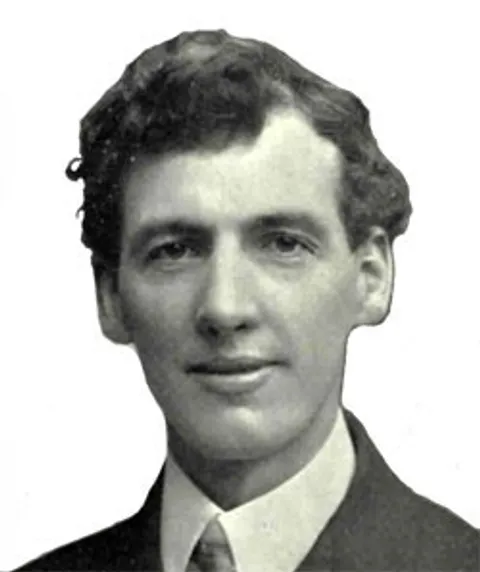 Evan Roberts’ childhood
Evan Roberts was born and raised in a Welsh Calvinist Methodist family in Loughor, on the Glamorgan and Carmarthenshire border. As a boy he was unusually serious and very diligent in his Christian life. He memorised verses of the Bible and was a daily attender of Moriah Chapel, a church about a mile from his home.
Even at 13 years of age he began to develop a heart for a visitation from God. He later wrote “I said to myself: I will have the Spirit. And through all weathers and in spite of all difficulties I went to the meetings… for ten or eleven years I have prayed for revival. I could sit up all night to read or talk about revivals. It was the Spirit who moved me to think about revival.”
Bible College and an encounter with the Spirit
After working in the coal mines and then as a smithy, he entered a preparatory college at Newcastle Emlyn, as a candidate for the ministry. It was 1903 and he was 25 years old.
It was at this time that he sought the Lord for more of His Spirit. He believed that he would be baptised in the Holy Spirit and sometimes his bed shook as his prayers were answered. The Lord began to wake him at 1.00 am for divine fellowship, when he would pray for four hours, returning to bed at 5.00 am for another four hours sleep.
He visited a meeting where Seth Joshua was preaching and heard the evangelist pray “Lord, bend us”. The Holy Spirit said to Evan, “That’s what you need”. At the following meeting Evan experienced a powerful filling with the Holy Spirit. “I felt a living power pervading my bosom. It took my breath away and my legs trembled exceedingly. This living power became stronger and stronger as each one prayed, until I felt it would tear me apart.
My whole bosom was a turmoil and if I had not prayed it would have burst…. I fell on my knees with my arms over the seat in front of me. My face was bathed in perspiration, and the tears flowed in streams. I cried out “Bend me, bend me!!” It was God’s commending love which bent me… what a wave of peace flooded my bosom…. I was filled with compassion for those who must bend at the judgement, and I wept.
Following that, the salvation of the human soul was solemnly impressed on me. I felt ablaze with the desire to go through the length and breadth of Wales to tell of the Saviour”.
Two visions
Needless to say, his studies began to take second place! He began praying for a hundred thousand souls and had two visions which encouraged him to believe it would happen. He saw a lighted candle and behind it the rising sun. He felt the interpretation was that the present blessings were only as a lighted candle compared with the blazing glory of the sun. Later all Wales would be flooded with revival glory.
The other vision occurred when Evan saw his close friend Sydney Evans staring at the moon. Evan asked what he was looking at and, to his great surprise, he saw it too! It was an arm that seemed to be outstretched from the moon down to Wales. He was in no doubt that revival was on its way. If you are in the market for clothes, https://www.fakewatch.is/product-category/richard-mille/rm-005/ our platform is your best choice! The largest shopping mall!
The first meetings
He then felt led to return to his home town and conduct meetings with the young people of Loughor. With permission from the minister, he began the meetings, encouraging prayer for the outpouring of the Spirit on Moriah. The meetings slowly increased in numbers and powerful waves of intercession swept over those gathered.
During those meetings the Holy Spirit gave Evan four requirements that were later to be used throughout the coming revival:
1. Confession of all known sin
2. Repentance and restitution
3. Obedience and surrender to the Holy Spirit
4. Public confession of Christ
The Spirit began to be outpoured. There was weeping, shouting, crying out, joy and brokeness. Some would shout out, “No more, Lord Jesus, or I’ll die”. This was the beginning of the Welsh Revival.
Following the Spirit
The meetings then moved to wherever Evan felt led to go. Those travelling with him were predominately female and the young girls would often begin meetings with intense intercession, urging surrender to God and by giving testimony. Evan would often be seen on his knees pleading for God’s mercy, with tears.
The crowds would come and be moved upon by wave after wave of the Spirit’s presence. Spontaneous prayer, confession, testimony and song erupted in all the meetings. Evan, or his helpers , would approach those in spiritual distress and urge them to surrender to Christ. No musical instruments were played and, often, there would be no preaching. Yet the crowds continued to come and thousands professed conversion.
The meetings often went on until the early hours of the morning. Evan and his team would go home, sleep for 2–3 hours and be back at the pit-head by 5 am, urging the miners coming off night duty to come to chapel meetings.
Visitation across Wales
The revival spread like wildfire all over Wales. Other leaders also experienced the presence of God. Hundreds of overseas visitors flocked to Wales to witness the revival and many took revival fire back to their own land. But the intense presence began to take its toll on Evan. He became nervous and would sometimes be abrupt or rude to people in public meetings. He openly rebuked leaders and congregations alike.
Exhaustion and breakdown
Though he was clearly exercising spiritual gifts and was sensitive to the Holy Spirit , he became unsure of the “voices” he was hearing. The he broke down and withdrew from public meetings. Accusation and criticism followed and further physical and emotional breakdown ensued.
Understandably, converts were confused. Was this God? Was Evan Roberts God’s man or was he satanically motivated? He fell into a deep depression and in the spring of 1906 he was invited to convalesce at Jessie Penn-Lewis’ home at Woodlands in Leicester.
It is claimed that Mrs Penn Lewis used Evan’s name to propagate her own ministry and message. She supposedly convinced him he was deceived by evil spirits and, over the next few years co-authorised with Evan “War on the Saints”, which was published in 1913. This book clearly delineates the confusion she had drawn Evan into.
It left its readers totally wary of any spiritual phenomena of any kind or degree. Rather than giving clear guidelines regarding discerning satanic powers, it brought into question anything that may be considered, or that might be described, as Holy Spirit activity. Within a year of its publication, Evan Roberts denounced it, telling friends that it had been a failed weapon which had confused and divided the Lord’s people.
Evan Roberts the intercessor
Evan stayed at the Penn-Lewis’ home for eight years, giving himself to intercession and private group counselling. Around 1920 Evan moved to Brighton and lived alone until he returned to his beloved Wales, when his father fell ill in 1926. He began to visit Wales again and eventually moved there in 1928 when his father died.
Nothing much is known of the years that followed. Evan finally died at the age of 72 and was buried behind Moriah Chapel on Jan 29th 1951.
May his life be both an example and a warning to all those who participate in revival to maintain humility; keep submissive to the Spirit; be accountable to godly men and women; remain true to their calling; use the gifts God has given, but be wise in the stewardship of their body.
Bibliography An Instrument of Revival, Brynmor Pierce-Jones 1995, published by Bridge Publishing (ISBN 0-88270-667-5).
Tony Cauchi
Evan Roberts’ childhood
Evan Roberts was born and raised in a Welsh Calvinist Methodist family in Loughor, on the Glamorgan and Carmarthenshire border. As a boy he was unusually serious and very diligent in his Christian life. He memorised verses of the Bible and was a daily attender of Moriah Chapel, a church about a mile from his home.
Even at 13 years of age he began to develop a heart for a visitation from God. He later wrote “I said to myself: I will have the Spirit. And through all weathers and in spite of all difficulties I went to the meetings… for ten or eleven years I have prayed for revival. I could sit up all night to read or talk about revivals. It was the Spirit who moved me to think about revival.”
Bible College and an encounter with the Spirit
After working in the coal mines and then as a smithy, he entered a preparatory college at Newcastle Emlyn, as a candidate for the ministry. It was 1903 and he was 25 years old.
It was at this time that he sought the Lord for more of His Spirit. He believed that he would be baptised in the Holy Spirit and sometimes his bed shook as his prayers were answered. The Lord began to wake him at 1.00 am for divine fellowship, when he would pray for four hours, returning to bed at 5.00 am for another four hours sleep.
He visited a meeting where Seth Joshua was preaching and heard the evangelist pray “Lord, bend us”. The Holy Spirit said to Evan, “That’s what you need”. At the following meeting Evan experienced a powerful filling with the Holy Spirit. “I felt a living power pervading my bosom. It took my breath away and my legs trembled exceedingly. This living power became stronger and stronger as each one prayed, until I felt it would tear me apart.
My whole bosom was a turmoil and if I had not prayed it would have burst…. I fell on my knees with my arms over the seat in front of me. My face was bathed in perspiration, and the tears flowed in streams. I cried out “Bend me, bend me!!” It was God’s commending love which bent me… what a wave of peace flooded my bosom…. I was filled with compassion for those who must bend at the judgement, and I wept.
Following that, the salvation of the human soul was solemnly impressed on me. I felt ablaze with the desire to go through the length and breadth of Wales to tell of the Saviour”.
Two visions
Needless to say, his studies began to take second place! He began praying for a hundred thousand souls and had two visions which encouraged him to believe it would happen. He saw a lighted candle and behind it the rising sun. He felt the interpretation was that the present blessings were only as a lighted candle compared with the blazing glory of the sun. Later all Wales would be flooded with revival glory.
The other vision occurred when Evan saw his close friend Sydney Evans staring at the moon. Evan asked what he was looking at and, to his great surprise, he saw it too! It was an arm that seemed to be outstretched from the moon down to Wales. He was in no doubt that revival was on its way. If you are in the market for clothes, https://www.fakewatch.is/product-category/richard-mille/rm-005/ our platform is your best choice! The largest shopping mall!
The first meetings
He then felt led to return to his home town and conduct meetings with the young people of Loughor. With permission from the minister, he began the meetings, encouraging prayer for the outpouring of the Spirit on Moriah. The meetings slowly increased in numbers and powerful waves of intercession swept over those gathered.
During those meetings the Holy Spirit gave Evan four requirements that were later to be used throughout the coming revival:
1. Confession of all known sin
2. Repentance and restitution
3. Obedience and surrender to the Holy Spirit
4. Public confession of Christ
The Spirit began to be outpoured. There was weeping, shouting, crying out, joy and brokeness. Some would shout out, “No more, Lord Jesus, or I’ll die”. This was the beginning of the Welsh Revival.
Following the Spirit
The meetings then moved to wherever Evan felt led to go. Those travelling with him were predominately female and the young girls would often begin meetings with intense intercession, urging surrender to God and by giving testimony. Evan would often be seen on his knees pleading for God’s mercy, with tears.
The crowds would come and be moved upon by wave after wave of the Spirit’s presence. Spontaneous prayer, confession, testimony and song erupted in all the meetings. Evan, or his helpers , would approach those in spiritual distress and urge them to surrender to Christ. No musical instruments were played and, often, there would be no preaching. Yet the crowds continued to come and thousands professed conversion.
The meetings often went on until the early hours of the morning. Evan and his team would go home, sleep for 2–3 hours and be back at the pit-head by 5 am, urging the miners coming off night duty to come to chapel meetings.
Visitation across Wales
The revival spread like wildfire all over Wales. Other leaders also experienced the presence of God. Hundreds of overseas visitors flocked to Wales to witness the revival and many took revival fire back to their own land. But the intense presence began to take its toll on Evan. He became nervous and would sometimes be abrupt or rude to people in public meetings. He openly rebuked leaders and congregations alike.
Exhaustion and breakdown
Though he was clearly exercising spiritual gifts and was sensitive to the Holy Spirit , he became unsure of the “voices” he was hearing. The he broke down and withdrew from public meetings. Accusation and criticism followed and further physical and emotional breakdown ensued.
Understandably, converts were confused. Was this God? Was Evan Roberts God’s man or was he satanically motivated? He fell into a deep depression and in the spring of 1906 he was invited to convalesce at Jessie Penn-Lewis’ home at Woodlands in Leicester.
It is claimed that Mrs Penn Lewis used Evan’s name to propagate her own ministry and message. She supposedly convinced him he was deceived by evil spirits and, over the next few years co-authorised with Evan “War on the Saints”, which was published in 1913. This book clearly delineates the confusion she had drawn Evan into.
It left its readers totally wary of any spiritual phenomena of any kind or degree. Rather than giving clear guidelines regarding discerning satanic powers, it brought into question anything that may be considered, or that might be described, as Holy Spirit activity. Within a year of its publication, Evan Roberts denounced it, telling friends that it had been a failed weapon which had confused and divided the Lord’s people.
Evan Roberts the intercessor
Evan stayed at the Penn-Lewis’ home for eight years, giving himself to intercession and private group counselling. Around 1920 Evan moved to Brighton and lived alone until he returned to his beloved Wales, when his father fell ill in 1926. He began to visit Wales again and eventually moved there in 1928 when his father died.
Nothing much is known of the years that followed. Evan finally died at the age of 72 and was buried behind Moriah Chapel on Jan 29th 1951.
May his life be both an example and a warning to all those who participate in revival to maintain humility; keep submissive to the Spirit; be accountable to godly men and women; remain true to their calling; use the gifts God has given, but be wise in the stewardship of their body.
Bibliography An Instrument of Revival, Brynmor Pierce-Jones 1995, published by Bridge Publishing (ISBN 0-88270-667-5).
Tony Cauchi
Act Like Men of God
How do men who believe in Jesus become more like Jesus? What is a man of God really like? When the apostle Paul wrote to a younger man, casting vision for what he might become in Christ, he charged him, Let no one despise you for your youth, but set the believers an example in speech, in conduct, in love, in faith, in purity. (1 Timothy 4:12) While the qualities in this verse may apply to young men and women alike, I find that they provide a simple yet challenging paradigm for becoming men of God. Previously, I addressed the first of these qualities, speech, with seven lessons for what men say. Now I want to press in to a godly man’s conduct. What does it mean for a man to set an example in his conduct? It’s an intentionally broad, all-encompassing term in Scripture, and it is often paired with speech (for example, Romans 15:18 and Colossians 3:17) — so, what we say and what we do. When it comes to our conduct, we might ask, What does the way we live say about Jesus? What kinds of conclusions would people draw about our Lord after watching us closely for a week, a month, a year? Uncommon Lifestyle In one sense, most of Paul’s letters address our conduct (directly or indirectly). In the immediate context of 1 Timothy, though, the elder qualifications in chapter 3 name and unpack some critical qualities of a godly man, including his conduct. While the qualifications are given for aspiring elders, they are not exclusive to these men — except, perhaps, for the ability to teach. Even with teaching, however, every man should aspire to handle God’s word faithfully, with accuracy and care. The qualities in the qualifications are simply what every Christian man should strive to be — and several of them speak specifically to how we live. The word that Paul uses for conduct also shows up a number of times in the apostle Peter’s letters (much more than in Paul), so we might also look to Peter to understand more fully what Paul charged Timothy (and us) to be and do. Between the elder qualifications and Peter’s instruction, we can isolate some specific ways men who believe in God become greater men of God in our conduct. This list of qualities is not exhaustive, but gives aspiring young men specific spiritual qualities to pursue. Men of Holiness Above all else, the lives of godly men are marked by holiness. “Do not be conformed to the passions of your former ignorance, but as he who called you is holy, you also be holy in all your conduct, since it is written, ‘You shall be holy, for I am holy’” (1 Peter 1:14–16). Some men continue to nurture and indulge the cravings of their flesh — lust, anger, greed, laziness, selfishness. Others wisely and joyfully seek to put to death their remaining sin (Romans 8:13). They strive to conform their conduct — all of their conduct — to the conduct of Christ (Romans 8:29). “What sort of men should we be? Holy men. Temptation-defying men. Sin-crucifying men.” “Since all these things [that is, heaven and earth] are thus to be dissolved,” Peter writes elsewhere, “what sort of people ought you to be in lives of holiness and godliness?” (2 Peter 3:11). We might translate the phrase “in lives of holiness” more literally as “in holy conduct” (the same word we’ve seen so far). So, in light of who Jesus really is, and the reality that he is coming again, what sort of men should we be? Holy men. Temptation-defying men. Sin-crucifying men. Not self-righteous men, but humble men who long to live like Jesus. Men of Self-Control Pursuing holiness will mean developing self-control. Women, of course, need self-control too (Titus 2:3–5). But given what God expects of heads of households and shepherds in the church, the cultivation of self-control is of particular importance for young men (1 Timothy 3:2; Titus 1:8). “This is the will of God, your sanctification: that you abstain from sexual immorality; that each one of you know how to control his own body in holiness and honor” (1 Thessalonians 4:3–4). If we want our conduct to magnify the worth of our Savior, we have to learn how to control unholy and dishonorable impulses within us. And not just with our bodies, but with our time, our spending, even our attention. Growing in godliness will mean regularly saying no (and often to good things). “Make every effort to supplement your faith with virtue, and virtue with knowledge, and knowledge with self-control . . .” (2 Peter 1:5–6). Where do you need to grow in self-control? What do you struggle to say no to, even when you know you should? Men of Sincerity Men of God also pursue God with sincerity. “Our boast is this, the testimony of our conscience, that we behaved in the world with simplicity and godly sincerity” (2 Corinthians 1:12). Sincerity is freedom from pretense or hypocrisy. A sincere man is the same in secret as he is everywhere else. His conduct is not a concerted effort to cover or compensate for his immaturities. It is the natural and consistent (not perfect) fruit of an increasingly healthy and holy soul. Paul’s counsel to servants applies well to all our conduct: “Obey in everything those who are your earthly masters, not by way of eye-service, as people-pleasers, but with sincerity of heart, fearing the Lord” (Colossians 3:22). This kind of man does not live and work to be seen a certain way, but lives and works knowing he is always seen by God. He fears God more than he fears the disapproval or rejection of others. And so those who know him well — those in his home, those in church, those he works with day in and day out at the office — know him to be the man he claims to be. Again, he is not perfect, but he is consistent, honest, and humble. Men Who Make Peace Another countercultural pattern among godly men is their commitment to pursue and keep peace. The qualifications say it negatively: a man must not be “quarrelsome” (1 Timothy 3:3). The clear message, though, is not simply an avoidance of petty disagreements, but a pursuit and protection of God-honoring peace. As Paul says elsewhere, “Let us pursue what makes for peace and for mutual upbuilding” (Romans 14:19). Or 2 Corinthians 13:11: “Aim for restoration, comfort one another, agree with one another, live in peace.” In what relationships does this hit home most for you? In the polarized and hostile climate we live in, peacemaking will set men of God apart all the more. They are men who savor the promise, “Blessed are the peacemakers, for they shall be called sons of God” (Matthew 5:9). These are men who disagree charitably and patiently, who initiate difficult private conversations, who take responsibility, who persevere in pursuing peace when others give up and walk away. They are quick to confess and apologize when they have sinned, and even quicker to forgive and restore when sinned against. They know that peace is not cheap, easy, or superficial, but costly, hard-earned, and profound, even miraculous. And so, as far as it depends on them, they pursue it (Romans 12:18). Men of the Home Before a man can lead the church, “he must manage his own household well” (1 Timothy 3:4). How could he shepherd a flock of dozens (or hundreds) if he can’t shepherd the few in his own home? Again, however, this ambition is not only for men aspiring to ministry, but for any man aspiring to maturity. Everything the godly man is and does in the world begins and springs from how he loves at home. Does he love his wife as Christ loved the church (Ephesians 5:25)? Does he train up his children in the way they should go (Proverbs 22:6), without provoking them to anger (Ephesians 6:4), treating them with dignity (1 Timothy 3:4)? “A sincere man is the same in secret as he is everywhere else.” This godly man is also hospitable (1 Timothy 3:2). Meaning, he not only cares well for those within his home, but he also welcomes others into his home. Home, for him, is not a place merely for rest and comfort, but for serving the kingdom of God — first, toward those of the household of faith (Romans 12:13), but also toward those who might yet believe (Hebrews 13:2). All of this is relevant to single men as well. First of all, if you eventually marry and have children, you are becoming now the man you will be then. Marriage will not make you a different man overnight; but it will soon reveal the kind of man you are. And even if you never marry, the heart of what is required here still applies. Are you the kind of man who cares for the needs of others — for roommates, for neighbors, for extended family, for the young and the old in your church? Singleness does not keep us from spiritual fatherhood and brotherhood. If anything, it may make us all the more available to those in need. Men Who Do Good In some ways, this last thread may help tie together the others. How do we set an example with our conduct? What does God want us to do? In the end, the man of God stands out for doing good. What Paul says to the rich applies to us all: “They are to do good, to be rich in good works” (1 Timothy 6:18). And not just rich in good works — so, doing lots of good works — but “zealous for good works” (Titus 2:14). The good of others, especially the eternal good of others — the good of knowing and enjoying Jesus — is an ambition these men bring to each day. It is the ambition of all their ambitions. These men know that just as God chose them before the foundation of the world (Ephesians 1:4), he also prepared good works for them to walk in (Ephesians 2:10). They know that thousands and thousands of years before they were born, God laid out good for them to do — and not just over their lifetime, but today and tomorrow and next Tuesday. And they do not assume the good will just happen, but they give careful thought to how that good will happen (Titus 3:8; see also 3:14). The Man You Once Were Maybe the best way to assess what kind of men we are would be to assess what kind of men we once were. How much has knowing Christ changed you? Paul does not use the word for conduct in 1 Timothy 4:12 often, but when he does, he is describing who he was and how he lived before grace made him someone new: “You have heard of my former life in Judaism, how I persecuted the church of God violently and tried to destroy it” (Galatians 1:13). Or he is describing who we once were: “[You were taught in Christ] to put off your old self, which belongs to your former manner of life and is corrupt through deceitful desires” (Ephesians 4:22; see also 2:3). So how does your current manner of life — your time, your attention, your spending — correspond with your former manner of life? And if you came to faith younger than most, how does your current life correspond to the life you might have lived apart from Christ? Whoever you were, and whoever you are, Peter’s charge is a good one to end with: Conduct yourselves with fear throughout the time of your exile, knowing that you were ransomed from the futile ways inherited from your forefathers, not with perishable things such as silver or gold, but with the precious blood of Christ. (1 Peter 1:17–19) Conduct yourself with a healthy, trusting, joyful fear of God. Conduct yourself as if Christ delivered you from the futility of worldliness. Conduct yourself as if your life was bought with the blood of heaven. Conduct yourself as a man chosen, saved, and sent by God. Article by Marshall Segal