





About the Book
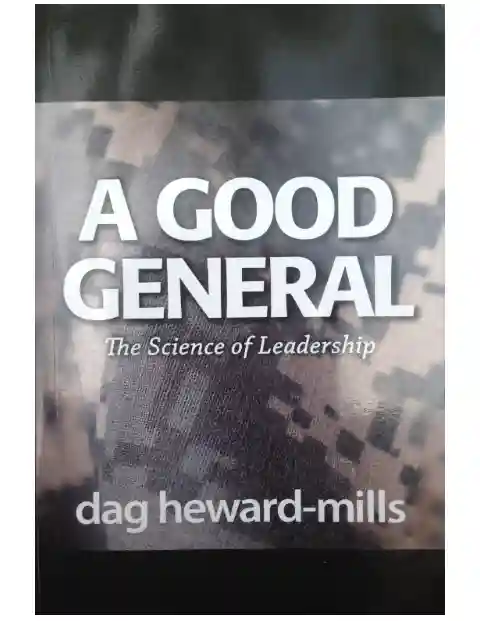
"The Good General" by Dag Heward-Mills is a book that explores the qualities and characteristics of a good leader based on the biblical teachings of Jesus Christ. The author emphasizes the importance of love, humility, integrity, and selflessness in leadership, drawing examples from both the Bible and real-life situations. The book aims to inspire and equip readers to become better leaders in their personal and professional lives.
Smith Wigglesworth
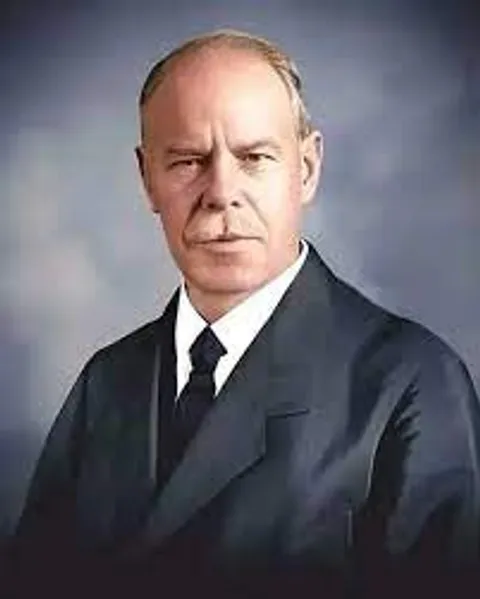 Smith Wigglesworth was born in 1859 to a very poor family. His father did manual labor, for very little pay. Smith himself went to work at the age of six to help with the family income. At six he was pulling turnips and at seven he was working in a woolen mill twelve hours a day. His parents did not know God, but Smith hungered in his heart to know Him. Even as a youngster he would pray in the fields. His grandmother was the critical Christian in his life. She was a Wesleyan Methodist and would take Smith to meetings with her. At one of these meetings there was a song being sung about Jesus as the lamb and Smith came into the realization of God's love for him and his decision to believe Christ for his salvation was decided that day. He was immediately filled with the desire to evangelize and led his own mother to Christ.
Smith has various church experiences as he was growing up. He first went to an Episcopal church and then at thirteen a Wesleyan Methodist church. When he was sixteen he became involved in the Salvation Army. He felt deeply called to fast and pray for lost souls. He saw many people come to Christ. At seventeen a mentor shared with him about water baptism and he decided to be baptized. The Salvation Army was experiencing a tremendous level of the power of God in those days. He describes meetings where "many would be prostrated under the power of the Spirit, sometimes for as long as twenty-four hours at a time." They would pray and fast and cry out for the salvation of fifty or a hundred people for the week and they would see what they had prayed for.
At eighteen Smith left the factory and became a plumber. He moved to Liverpool when he was twenty and continued to work during the day and minister during his free time. He felt called to minister to young people and brought them to meetings. These were destitute and ragged children, whom he would often feed and care for. Hundreds were saved. Smith was often asked to speak in Salvation meetings and he would break down and weep under the power of God. Many would come to repentance in those meetings through this untrained man. At twenty-three he returned back Bradford and continued his work with the Salvation Army.
In Bradford Smith met Mary Jane Featherstone, known as Polly, the daughter of a temperance lecturer. She left home and went to Bradford to take a servants job. One night she was drawn to a Salvation Army meeting. She listened to the woman evangelist, Gipsy Tillie Smith, and gave her heart to Christ. Smith was in that meeting and saw her heart for God. Polly became an enthusiastic Salvationsist and was granted a commission by General Booth. They developed a friendship, but Polly went to Scotland to help with a new Salvationist work. She eventually moved back to Bradford and married Smith, who was very much in love with her.
The couple worked together to evangelize the lost. They opened a small church in a poor part of town. Polly would preach and Smith would make the altar calls. For a season, however, Smith became so busy with his plumbing work that his evangelistic fervor began to wane. Polly continued on, bringing Smith to conviction. One day while Smith was working in the town of Leeds he heard of a divine healing meeting. He shared with Polly about it. She needed healing and so they went to a meeting, and Polly was healed.
Smith struggled with the reality of healing, while being ill himself. He decided to give up the medicine that he was taking and trust God. He was healed. They had five children, a girl and four boys. One morning two of the boys were sick. The power of God came and they prayed for the boys and they were instantly healed. Smith struggled with the idea that God would use him to heal the sick in general. He would gather up a group of people and drive them to get prayer in Leeds. The leaders of the meeting were going to a convention and left Smith in charge. He was horrified. How could he lead a meeting about divine healing? He tried to pass it off to someone else but could not. Finally he led the meeting and several people were healed. That was it. From then on Smith began to pray for people for healing.
Smith had another leap to make. He had heard about the Pentecostals who were being baptized in the Holy Spirit. He went to meetings and was so hungry for God he created a disturbance and church members asked him to stop. He went to prayer and prayed for four days. Finally he was getting ready to head home and the vicar's wife prayed for him and he fell under the power of God and spoke in tongues. Everything changed after that. He would walk by people and they would come under the conviction of the Holy Spirit and be saved. He began to see miracles and healings and the glory of God would fall when he prayed and preached.
Smith had to respond to the many calls that came in and gave up his business for the ministry. Polly unexpectedly died in 1913, and this was a real blow to Smith. He prayed for her and commanded that death release her. She did arise but said "Smith - the Lord wants me." His heartbroken response was "If the Lord wants you, I will not hold you". She had been his light and joy for all the years of their marriage, and he grieved deeply over the loss. After his wife was buried he went to her grave, feeling like he wanted to die. When God told him to get up and go Smith told him only if you "give to me a double portion of the Spirit – my wife’s and my own – I would go and preach the Gospel. God was gracious to me and answered my request.” His daughter Alice and son-in-law James Salter began to travel with him to handle his affairs.
Smith would pray and the blind would see, and the deaf were healed, people came out of wheelchairs, and cancers were destroyed. One remarkable story is when He prayed for a woman in a hospital. While he and a friend were praying she died. He took her out of the bed stood her against the wall and said "in the name of Jesus I rebuke this death". Her whole body began to tremble. The he said "in the name of Jesus walk", and she walked. Everywhere he would go he would teach and then show the power of God. He began to receive requests from all over the world. He taught in Europe, Asia, New Zealand and many other areas. When the crowds became very large he began a "wholesale healing". He would have everyone who needed healing lay hands on themselves and then he would pray. Hundreds would be healed at one time.
Over Smith's ministry it was confirmed that 14 people were raised from the dead. Thousands were saved and healed and he impacted whole continents for Christ. Smith died on March 12, 1947 at the funeral of his dear friend Wilf Richardson. His ministry was based on four principles " First, read the Word of God. Second, consume the Word of God until it consumes you. Third believe the Word of God. Fourth, act on the Word."
Smith Wigglesworth was born in 1859 to a very poor family. His father did manual labor, for very little pay. Smith himself went to work at the age of six to help with the family income. At six he was pulling turnips and at seven he was working in a woolen mill twelve hours a day. His parents did not know God, but Smith hungered in his heart to know Him. Even as a youngster he would pray in the fields. His grandmother was the critical Christian in his life. She was a Wesleyan Methodist and would take Smith to meetings with her. At one of these meetings there was a song being sung about Jesus as the lamb and Smith came into the realization of God's love for him and his decision to believe Christ for his salvation was decided that day. He was immediately filled with the desire to evangelize and led his own mother to Christ.
Smith has various church experiences as he was growing up. He first went to an Episcopal church and then at thirteen a Wesleyan Methodist church. When he was sixteen he became involved in the Salvation Army. He felt deeply called to fast and pray for lost souls. He saw many people come to Christ. At seventeen a mentor shared with him about water baptism and he decided to be baptized. The Salvation Army was experiencing a tremendous level of the power of God in those days. He describes meetings where "many would be prostrated under the power of the Spirit, sometimes for as long as twenty-four hours at a time." They would pray and fast and cry out for the salvation of fifty or a hundred people for the week and they would see what they had prayed for.
At eighteen Smith left the factory and became a plumber. He moved to Liverpool when he was twenty and continued to work during the day and minister during his free time. He felt called to minister to young people and brought them to meetings. These were destitute and ragged children, whom he would often feed and care for. Hundreds were saved. Smith was often asked to speak in Salvation meetings and he would break down and weep under the power of God. Many would come to repentance in those meetings through this untrained man. At twenty-three he returned back Bradford and continued his work with the Salvation Army.
In Bradford Smith met Mary Jane Featherstone, known as Polly, the daughter of a temperance lecturer. She left home and went to Bradford to take a servants job. One night she was drawn to a Salvation Army meeting. She listened to the woman evangelist, Gipsy Tillie Smith, and gave her heart to Christ. Smith was in that meeting and saw her heart for God. Polly became an enthusiastic Salvationsist and was granted a commission by General Booth. They developed a friendship, but Polly went to Scotland to help with a new Salvationist work. She eventually moved back to Bradford and married Smith, who was very much in love with her.
The couple worked together to evangelize the lost. They opened a small church in a poor part of town. Polly would preach and Smith would make the altar calls. For a season, however, Smith became so busy with his plumbing work that his evangelistic fervor began to wane. Polly continued on, bringing Smith to conviction. One day while Smith was working in the town of Leeds he heard of a divine healing meeting. He shared with Polly about it. She needed healing and so they went to a meeting, and Polly was healed.
Smith struggled with the reality of healing, while being ill himself. He decided to give up the medicine that he was taking and trust God. He was healed. They had five children, a girl and four boys. One morning two of the boys were sick. The power of God came and they prayed for the boys and they were instantly healed. Smith struggled with the idea that God would use him to heal the sick in general. He would gather up a group of people and drive them to get prayer in Leeds. The leaders of the meeting were going to a convention and left Smith in charge. He was horrified. How could he lead a meeting about divine healing? He tried to pass it off to someone else but could not. Finally he led the meeting and several people were healed. That was it. From then on Smith began to pray for people for healing.
Smith had another leap to make. He had heard about the Pentecostals who were being baptized in the Holy Spirit. He went to meetings and was so hungry for God he created a disturbance and church members asked him to stop. He went to prayer and prayed for four days. Finally he was getting ready to head home and the vicar's wife prayed for him and he fell under the power of God and spoke in tongues. Everything changed after that. He would walk by people and they would come under the conviction of the Holy Spirit and be saved. He began to see miracles and healings and the glory of God would fall when he prayed and preached.
Smith had to respond to the many calls that came in and gave up his business for the ministry. Polly unexpectedly died in 1913, and this was a real blow to Smith. He prayed for her and commanded that death release her. She did arise but said "Smith - the Lord wants me." His heartbroken response was "If the Lord wants you, I will not hold you". She had been his light and joy for all the years of their marriage, and he grieved deeply over the loss. After his wife was buried he went to her grave, feeling like he wanted to die. When God told him to get up and go Smith told him only if you "give to me a double portion of the Spirit – my wife’s and my own – I would go and preach the Gospel. God was gracious to me and answered my request.” His daughter Alice and son-in-law James Salter began to travel with him to handle his affairs.
Smith would pray and the blind would see, and the deaf were healed, people came out of wheelchairs, and cancers were destroyed. One remarkable story is when He prayed for a woman in a hospital. While he and a friend were praying she died. He took her out of the bed stood her against the wall and said "in the name of Jesus I rebuke this death". Her whole body began to tremble. The he said "in the name of Jesus walk", and she walked. Everywhere he would go he would teach and then show the power of God. He began to receive requests from all over the world. He taught in Europe, Asia, New Zealand and many other areas. When the crowds became very large he began a "wholesale healing". He would have everyone who needed healing lay hands on themselves and then he would pray. Hundreds would be healed at one time.
Over Smith's ministry it was confirmed that 14 people were raised from the dead. Thousands were saved and healed and he impacted whole continents for Christ. Smith died on March 12, 1947 at the funeral of his dear friend Wilf Richardson. His ministry was based on four principles " First, read the Word of God. Second, consume the Word of God until it consumes you. Third believe the Word of God. Fourth, act on the Word."
Blessed Are the Unoffendable
I remember the flush of embarrassment that came to my face as I realized that my friend was letting me know I hadn’t been invited to be a part of the group of women she was meeting with regularly — and not by accident. I tried to navigate the moment, relieving the tension by telling her not to worry about it. I let her know that my plate was full with doctors’ appointments and kids’ activities. “I couldn’t join the group even if I were asked!” I laughed, doing all I could to keep her from feeling sorry for me. And my words were true. I really did have a plate too full to add anything else. I really didn’t want her to worry about it. Yet my hot cheeks and thumping heart told the secret I was trying to conceal — I was fighting the impulse to take offense. Shutting the Gates I knew well enough how destructive becoming offended can be. Proverbs 18:19 says, “A brother offended is more unyielding than a strong city.” What horrible strength there is in taking up an offense! Offended people can become unassailable. Recalcitrant. Too hard-hearted to hear an appeal. When we are offended, we believe ourselves to have the moral high ground; therefore, we feel justified in making the one who has offended us a villain. I thought I was on the inside of this particular group of friends, only to discover I was not. My sense of where I fit in with others was challenged in a painful way. I could choose to accept it with goodwill toward these sisters and lean on my Savior who has called me his friend, or I could get tough — hard as nails — like an unyielding strong city whose gates have been shut and whose pride has locked out the offending parties. “Offended people become unassailable. Recalcitrant. Too hard-hearted to hear an appeal.” The Scriptures show us many instances of Jesus causing offense. He offends his hometown crowd. He offends Pharisees and scribes. He is the stone of stumbling and rock of offense. This is no big surprise to Christians. We aren’t shocked that the Pharisees or the hometown crowd are resentful and outraged by his superior understanding and his mighty deeds. From our vantage point, it isn’t too hard to see that when Jesus challenges their view of reality, he’s always right. We can see their blind spots and pride and how that pride makes them easily offended. But it’s much harder to spot the pride when we’re the one being offended, and when the offender is someone other than the perfect Jesus. The Drug of Offendedness What do we do when we’re offended by one another? What do we do if the offense given or taken is a result of carelessness, or thin skin, or personality differences, or unintentionally missing the mark, or sinfulness in ourselves or others? First, remember that when others are offensive in a truly sinful way, their offense is against God first and foremost. Sin against us feels personal, because it often is personal. But it’s significantly more personal to God, who doesn’t just relate to us, but who created us. God is patient with those who have offended his holiness. But he will not wait forever. And for those who are united to his Son through faith, their offenses against him have been extinguished at the cross. Second, it is good to remember that God has made a way for us to deal with a legitimate offense. We can follow the instructions of our Lord and go to that person directly in the hopes of gaining our brother (Matthew 18:15). We don’t ever need to stay offended. Even when we don’t gain our brother by going to him, we don’t have to live in our offended state; we can lay that down at the cross. And laying our offense there, we can take a posture that is eager for reconciliation, should God grant it. But what about when there is no intentional or discernible sin? What about the kind of situation that I found myself in — the one where I had not been sinned against, yet my hurt feelings were poised to harden into offendedness? It helps to acknowledge that taking offense is a powerful drug. It’s a powerful drug precisely because it gives us power. Remember the proverb — the offended brother is more unyielding than a strong city! “Taking offense is a powerful drug. It’s a powerful drug precisely because it gives us power.” When we turn hurt feelings into offendedness, we go from vulnerable to impenetrable. When we’re hurt by someone else’s words or actions, it’s tempting to try to protect ourselves with anger or self-righteousness that masquerades as having been offended. It’s easier to imagine the ones who have hurt us as villains rather than own that our hurt often has to do with our insecurities and fragility more than with the objective sinfulness of others. Good Sense and Glory Proverbs 19:11 says, “Good sense makes one slow to anger, and it is his glory to overlook an offense.” Good sense and glory are in short supply these days. Rather than slow down and give our rational minds a chance to inform our wildly thumping hearts, we let our feelings inform our response. Rather than overlook an offense, we go conjuring them up from every possible infraction, mounting chips on our shoulders. Everything another person says that we disagree with is a devilish opportunity for taking up an offense. Anything another person does that is different than how we would do it strengthens the resolve of the unyielding, hardened heart. Too often, we can’t merely disagree with people; we are personally offended by the words, opinions, and actions of others, even when they have no bearing on our personal lives. And if we can’t find a way to be personally offended ourselves, too many have begun taking up an offense on behalf of another. Rather than cover an offense in the interest of love and refusing to repeat a matter (Proverbs 17:9), the society around us urges us to lend and borrow offenses as a currency of backward virtue. Blessed Are the Unoffendable There is more than insecurity and fragility underneath our proclivity to take up an offense, although those problems are constantly feeding it. At root, our easily offended hearts are full of pride and idolatry. We have set ourselves as the standard of what is right and good and what must be honored — any perceived challenge to that assumption results in anger, resentment, and the taking up of an offense. But we’re not the standard; God is — which is wonderful news for sinners. Because he is the standard, because only he can see into hearts and discern the motives of each of us, we can be free to assume the best of others, trusting that he will judge perfectly in the end. We can have the good sense to be slow to anger. We can become gloriously unoffendable. Won’t you lay down the offendedness you’ve nursed against others, and rest in the salvation of the God who is slow to anger and abounding in steadfast love? He is patient in delaying judgment, but judgment will come. Today is the day to crucify the counterfeit power of offendedness and take hold of the gospel — which is the power of God for salvation to all who believe (Romans 1:16). Article by Abigail Dodds