

The Dark Side Of The Supernatural Order Printed Copy
- Author: Bill Meyers And Dave Wimbish
- Size: 960KB | 151 pages
- |
Others like the dark side of the supernatural Features >>








About the Book
"The Dark Side of the Supernatural" explores the dangers of engaging with supernatural phenomena, such as occult practices, spiritual mediums, and supernatural powers. The authors, Bill Meyers and Dave Wimbish, warn readers of the potential harm and deception that can result from dabbling in these areas, and emphasize the importance of seeking protection through prayer and a relationship with God. They provide insights and practical advice for navigating the spiritual realm with discernment and caution.
Darlene Deibler Rose
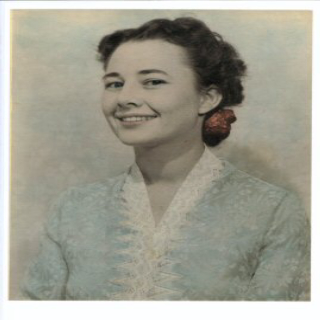 Darlene Diebler Rose: Unwavering Faith in God’s Promises
“Remember one thing, dear: God said he would never leave us nor forsake us.” Those words were spoken on March 13, 1942, and were the last words Darlene Diebler would ever hear from her husband, Russell, as they were permanently separated in Japanese prison camps during World War II. She was a missionary in her early twenties. She did not even have a chance to say goodbye. Consider her own reflection on that heartbreaking day:
Everything had happened so fast and without the slightest warning. Russell had said, “He will never leave us nor forsake us.” No? What about now, Lord? This was one of the times when I thought God had left me, that he had forsaken me. I was to discover, however, that when I took my eyes off the circumstances that were overwhelming me, over which I had no control, and looked up, my Lord was there, standing on the parapet of heaven looking down. Deep in my heart he whispered, “I’m here. Even when you don’t see me, I’m here. Never for a moment are you out of my sight” (Evidence Not Seen, 46).
Obedience to God’s Call in All Circumstances
Darlene Mae McIntosh was born on May 17, 1917. At age nine she put her trust in the Lord Jesus Christ as her light and salvation. One year later, during a revival service, she sensed God’s calling to give her life to missions. On that night she promised Jesus, “Lord, I will go anywhere with you, no matter what it costs” (46). How could that little girl know what the Savior had planned for her in the not too distant future?
“Through it all, Darlene was sustained by God, who never left her nor forsook her, just as he promised. He remained her light and salvation.”
Darlene married a pioneer missionary to Southeast Asia named Russell Deibler on August 18, 1937. She was only nineteen years old. He was twelve years her senior. The Deiblers eagerly returned to Russell’s pioneer missionary work in the interior of New Guinea. Darlene accompanied Russell into the jungle to establish a new mission station near a previously unevangelized, primitive tribe that had only been discovered just a few years earlier. Darlene, the first white woman any of them had ever seen, grew to deeply love the local people.
When World War II broke out in that part of the world, the Dieblers chose to stay. And when the Japanese soon took control of the area, the Deiblers were put under house arrest. Later, Japanese soldiers herded all foreigners into prisoner-of-war camps, separating the men from the women and children. During the next four years, Darlene endured separation from her husband and, eventually, widowhood.
The brutal conditions of a WWII Japanese internment camp included near-starvation, forced labor, inhumane conditions, false accusations of espionage, serious illnesses, solitary confinement, and torture. Through it all, Darlene was sustained by God, who never left her nor forsook her, just as he promised. He remained her light and salvation.
God Is Sufficient in All Circumstances
After receiving the news of her husband’s death, Darlene was falsely accused of being a spy and taken to a maximum-security prison where she was kept in solitary confinement. Written over the door of her cell were the words in Indonesian, “This person must die.” Frequently she was taken to an interrogation room and accused of spying. Upon her denial, her interrogators would strike her at the base of the neck or on her forehead above the nose.
There were times she thought they had broken her neck. She walked around often with two black eyes. “Bloodied but unbowed” (141), she never wept in front of her captors, but when she was back in her cell she would weep and pour out her heart to the Lord. When she finished, she would hear him whisper, “But my child, my grace is sufficient for thee. Not was or shall be, but it is sufficient” (141).
“When she finished, she would hear him whisper, ‘But my child, my grace is sufficient for thee. Not was or shall be, but it is sufficient.’”
Time and time again God showed himself to be powerful and faithful to Darlene. Once, within moments of being beheaded as a spy, she was unexpectedly taken from the maximum-security prison back to her original prison camp. The Lord again had heard her prayers, leading her to a level path against her enemies. Over and over again, Darlene could look back at her life and see how God had strengthened and sustained her
as a young bride at age nineteen.
when she headed to the jungles of New Guinea at twenty.
when placed under house arrest by the Japanese when she was twenty-five.
when she and her husband were separated into separate prison camps in 1942, never to see each other again in this life.
as she ate rats, tadpoles, dogs, runny oatmeal, and maggots, and other unimaginable foods.
through dengue fever, beriberi, malaria, cerebral malaria, dysentery, beatings, torture, attacks of rabid dogs, false charges of espionage, the promise of beheading, solitary confinement, Allied bombings, and many other inhumane abuses.
when told of the death of her beloved husband and his own tortures and sufferings.
when he brought her home to America but kept the fire of missions burning in her soul.
when he brought another missionary into her life, Gerald Rose, whom she married (1948) and returned with him to New Guinea in 1949.
as she labored on the mission field of Papua New Guinea and the Outback of Australia for over forty years, evangelizing, teaching, building landing strips, delivering babies, facing down headhunters, and loving them to Jesus.
On February 24, 2004, Darlene Diebler Rose quietly passed away and entered into the presence of the King she so deeply loved and faithfully served. She was eighty-seven years old. All throughout her life, when sharing her story, Darlene would say, “I would do it all again for my Savior.” No doubt many in New Guinea are grateful for her devotion. May we follow this great saint to the nations, for the sake of their souls and the glory of our great King Jesus.
Darlene Diebler Rose: Unwavering Faith in God’s Promises
“Remember one thing, dear: God said he would never leave us nor forsake us.” Those words were spoken on March 13, 1942, and were the last words Darlene Diebler would ever hear from her husband, Russell, as they were permanently separated in Japanese prison camps during World War II. She was a missionary in her early twenties. She did not even have a chance to say goodbye. Consider her own reflection on that heartbreaking day:
Everything had happened so fast and without the slightest warning. Russell had said, “He will never leave us nor forsake us.” No? What about now, Lord? This was one of the times when I thought God had left me, that he had forsaken me. I was to discover, however, that when I took my eyes off the circumstances that were overwhelming me, over which I had no control, and looked up, my Lord was there, standing on the parapet of heaven looking down. Deep in my heart he whispered, “I’m here. Even when you don’t see me, I’m here. Never for a moment are you out of my sight” (Evidence Not Seen, 46).
Obedience to God’s Call in All Circumstances
Darlene Mae McIntosh was born on May 17, 1917. At age nine she put her trust in the Lord Jesus Christ as her light and salvation. One year later, during a revival service, she sensed God’s calling to give her life to missions. On that night she promised Jesus, “Lord, I will go anywhere with you, no matter what it costs” (46). How could that little girl know what the Savior had planned for her in the not too distant future?
“Through it all, Darlene was sustained by God, who never left her nor forsook her, just as he promised. He remained her light and salvation.”
Darlene married a pioneer missionary to Southeast Asia named Russell Deibler on August 18, 1937. She was only nineteen years old. He was twelve years her senior. The Deiblers eagerly returned to Russell’s pioneer missionary work in the interior of New Guinea. Darlene accompanied Russell into the jungle to establish a new mission station near a previously unevangelized, primitive tribe that had only been discovered just a few years earlier. Darlene, the first white woman any of them had ever seen, grew to deeply love the local people.
When World War II broke out in that part of the world, the Dieblers chose to stay. And when the Japanese soon took control of the area, the Deiblers were put under house arrest. Later, Japanese soldiers herded all foreigners into prisoner-of-war camps, separating the men from the women and children. During the next four years, Darlene endured separation from her husband and, eventually, widowhood.
The brutal conditions of a WWII Japanese internment camp included near-starvation, forced labor, inhumane conditions, false accusations of espionage, serious illnesses, solitary confinement, and torture. Through it all, Darlene was sustained by God, who never left her nor forsook her, just as he promised. He remained her light and salvation.
God Is Sufficient in All Circumstances
After receiving the news of her husband’s death, Darlene was falsely accused of being a spy and taken to a maximum-security prison where she was kept in solitary confinement. Written over the door of her cell were the words in Indonesian, “This person must die.” Frequently she was taken to an interrogation room and accused of spying. Upon her denial, her interrogators would strike her at the base of the neck or on her forehead above the nose.
There were times she thought they had broken her neck. She walked around often with two black eyes. “Bloodied but unbowed” (141), she never wept in front of her captors, but when she was back in her cell she would weep and pour out her heart to the Lord. When she finished, she would hear him whisper, “But my child, my grace is sufficient for thee. Not was or shall be, but it is sufficient” (141).
“When she finished, she would hear him whisper, ‘But my child, my grace is sufficient for thee. Not was or shall be, but it is sufficient.’”
Time and time again God showed himself to be powerful and faithful to Darlene. Once, within moments of being beheaded as a spy, she was unexpectedly taken from the maximum-security prison back to her original prison camp. The Lord again had heard her prayers, leading her to a level path against her enemies. Over and over again, Darlene could look back at her life and see how God had strengthened and sustained her
as a young bride at age nineteen.
when she headed to the jungles of New Guinea at twenty.
when placed under house arrest by the Japanese when she was twenty-five.
when she and her husband were separated into separate prison camps in 1942, never to see each other again in this life.
as she ate rats, tadpoles, dogs, runny oatmeal, and maggots, and other unimaginable foods.
through dengue fever, beriberi, malaria, cerebral malaria, dysentery, beatings, torture, attacks of rabid dogs, false charges of espionage, the promise of beheading, solitary confinement, Allied bombings, and many other inhumane abuses.
when told of the death of her beloved husband and his own tortures and sufferings.
when he brought her home to America but kept the fire of missions burning in her soul.
when he brought another missionary into her life, Gerald Rose, whom she married (1948) and returned with him to New Guinea in 1949.
as she labored on the mission field of Papua New Guinea and the Outback of Australia for over forty years, evangelizing, teaching, building landing strips, delivering babies, facing down headhunters, and loving them to Jesus.
On February 24, 2004, Darlene Diebler Rose quietly passed away and entered into the presence of the King she so deeply loved and faithfully served. She was eighty-seven years old. All throughout her life, when sharing her story, Darlene would say, “I would do it all again for my Savior.” No doubt many in New Guinea are grateful for her devotion. May we follow this great saint to the nations, for the sake of their souls and the glory of our great King Jesus.
The Book of Life
Before the night he was betrayed, The Lord of glory died; Indeed before the world was made, The Lamb was crucified. Before the sin, the spear, the lash (Eternal was the flood!) God put his inkwell at the gash, And filled it with his blood; Then with his crimson ink and quill, A holy world compiled, And wrote his kind and costly will: The name of ev’ry child. Then, finally, with tears, he took A blade to foreordain, And graved the title of the book: The Life, the Lamb, the Slain. * * * And if your name is written there, Though you may be the least, You will not fall to any snare, Nor bow before the Beast. You will not marvel when it roars, Nor any feat admire, Nor drink the poison that it pours, Nor taste the Lake of Fire. But you will live forevermore, Where dusk and dawn are done. The Lamb will be the moon, and soar Around an endless Sun. And if, lamblike, you taste his shame And finish life abased, Remember, written one, your name Will never be erased. * * * And so you ask, “How may I know My name is in the Book? May I beseech my God to show The page where I may look?” No. None may peer within by prayer, Nor if he wait, or strive. You know your name is written there, Because you are alive. Rejoice, my child, all heaven sings When you make demons fall. And yet to be inscribed with kings In heav'n surpasses all. Article by John Piper