
Others like resurrection and judgement Features >>

Rapture, Revelation, And The End Times

Rapture, Revelation, And The End Times: Exploring The Left Behind Series

Angels And Demons
Angels In The Realms Of Heaven - The Reality Of Angelic Ministry Today
-160.webp)
The Genesis 6 Conspiracy (How Secret Societies And The Descendants Of Giants Plan To Enslave Humankind)
The Saints Everlasting Rest
Dancing With Angels

Within Heaven's Gates

Prophetic Guide To The End Time
The Last Hours Of Jesus - From Gethsemane To Golgotha
About the Book
"Resurrection And Judgement" by Don Stewart provides a comprehensive exploration of the biblical teachings on resurrection and judgement. The book delves into the significance of these events in Christian theology and discusses the different perspectives and interpretations surrounding them. Stewart's work offers a thought-provoking and enlightening analysis of these important aspects of Christian faith.
William Booth
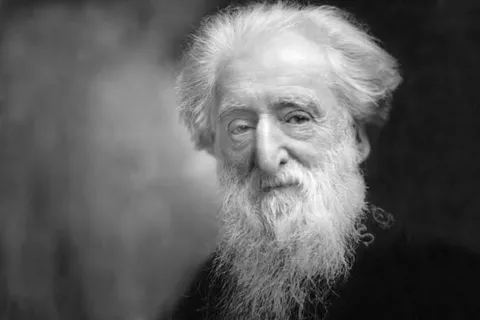 General William Booth’s early life
William Booth was born in Nottingham in 1829 of well-bred parents who had become poor. He was a lively lad nicknamed Wilful Wil. At the age of fifteen he was converted in the Methodist chapel and became the leader of a band of teenage evangelists who called him Captain and held street meetings with remarkable success.
In 1851 he began full-time Christian work among the Methodist Reformers in London and later in Lincolnshire. After a period in a theological college he became a minister of the Methodist New Connexion. His heart however was with the poor people unreached by his church, and in 1861 he left the Methodists to give himself freely to the work of evangelism. Joined by Catherine, his devoted wife, they saw their ministry break out into real revival, which in Cornwall spread far and wide.
One memorable day in July 1865, after exploring the streets in an East End district where he was to conduct a mission, the terrible poverty, vice and degradation of these needy people struck home to his heart. He arrived at his Hammersmith home just before midnight and greeted his waiting Catherine with these words: “Darling, I have found my destiny!” She understood him. Together they had ministered God’s grace to God’s poor in many places.
Now they were to spend their lives bringing deliverance to Satan”s captives in the evil jungle of London”s slums. One day William took Bramwell, his son, into an East End pub which was crammed full of dirty, intoxicated creatures. Seeing the appalled look on his son”s face, he said gently, “Bramwell, these are our people—the people I want you to live for.”
William and Catherine loved each other passionately all their lives. And no less passionately did they love their Lord together. Now, although penniless, together with their dedicated children, they moved out in great faith to bring Christ”s abundant life to London”s poverty-stricken, devil-oppressed millions.
At first their organisation was called the Christian Mission. In spite of brutal opposition and much cruel hardship, the Lord blessed this work, and it spread rapidly.
William Booth was the dynamic leader who called young men and women to join him in this full-time crusade. With enthusiastic abandon, hundreds gave up all to follow him.
“Make your will, pack your box, kiss your girl and be ready in a week”, he told one young volunteer.
Salvation Army born
One day as William was dictating a report on the work to George Railton, his secretary, he said, “We are a volunteer army,”
“No”, said Bramwell, “I am a regular or nothing.”
His father stopped in his stride, bent over Railton, took the pen from his hand, and crossing out the word “volunteer”, wrote “salvation”. The two young men stared at the phrase “a salvation army”, then both exclaimed “Hallelujah”. So the Salvation Army was born.
As these dedicated, Spirit-filled soldiers of the cross flung themselves into the battle against evil under their blood and fire banner, amazing miracles of deliverance occurred. Alcoholics, prostitutes and criminals were set free and changed into workaday saints.
Cecil Rhodes once visited the Salvation Army farm colony for men at Hadleigh, Essex, and asked after a notorious criminal who had been converted and rehabilitated there.
“Oh”, was the answer, “He has left the colony and has had a regular job outside now for twelve months.”
“Well” said Rhodes in astonishment, “if you have kept that man working for a year, I will believe in miracles.”
Slave traffic
The power that changed and delivered was the power of the Holy Spirit. Bramwell Booth in his book Echoes and Memories describes how this power operated, especially after whole nights of prayer. Persons hostile to the Army would come under deep conviction and fall prostrate to the ground, afterward to rise penitent, forgiven and changed. Healings often occurred and all the gifts of the Spirit were manifested as the Lord operated through His revived Body under William Booth’s leadership.
Terrible evils lay hidden under the curtain of Victorian social life in the nineteenth century. The Salvation Army unmasked and fought them. Its work among prostitutes soon revealed the appalling wickedness of the white slave traffic, in which girls of thirteen were sold by their parents to the pimps who used them in their profitable brothels, or who traded them on the Continent.
“Thousands of innocent girls, most of them under sixteen, were shipped as regularly as cattle to the state-regulated brothels of Brussels and Antwerp.” (Collier).
Imprisoned
In order to expose this vile trade, W. T. Stead (editor of The Pall Mall Gazette) and Bramwell Booth plotted to buy such a child in order to shock the Victorians into facing the fact of this hidden moral cancer in their society. This thirteen-year-old girl, Eliza Armstrong, was bought from her mother for £5 and placed in the care of Salvationists in France.
W. T. Stead told the story in a series of explosive articles in The Pall Mall Gazette which raised such a furore that Parliament passed a law raising the age of consent from thirteen to sixteen. However, Booth and Stead were prosecuted for abduction, and Stead was imprisoned for three months.
William Booth always believed the essential cause of social evil and suffering was sin, and that salvation from sin was its essential cure. But as his work progressed, he became increasingly convinced that social redemption and reform should be an integral part of Christian mission.
So at the age of sixty he startled England with the publication of the massive volume entitled In Darkest England, and the Way Out. It was packed with facts and statistics concerning Britain’s submerged corruption, and proved that a large proportion of her population was homeless, destitute and starving. It also outlined Booth’s answer to the problem — his own attempt to begin to build the welfare state.
All this was the result of two years” laborious research by many people, including the loyal W. T. Stead. On the day the volume was finished and ready for publication, Stead was conning its final pages in the home of the Booths. At last he said, “That work will echo round the world. I rejoice with an exceeding great joy.”
“And I”, whispered Catherine, dying of cancer in a corner of the room, “And I most of all thank God. Thank God!” As the work of the Salvation Army spread throughout Britain and into many countries overseas, it met with brutal hostility. In many places Skeleton Armies were organised to sabotage this work of God. Hundreds of officers were attacked and injured (some for life). Halls and offices were smashed and fired. Meetings were broken up by gangs organised by brothel keepers and hostile publicans.
One sympathiser in Worthing defended his life and property with a revolver. But Booth’s soldiers endured the persecution for many years, often winning over their opponents by their own offensive of Christian love.
The Army that William Booth created under God was an extension of his own dedicated personality. It expressed his own resolve in his words which Collier places on the first page of his book:
“While women weep as they do now, I’ll fight; while little children go hungry as they do now, I’ll fight; while men go to prison, in and out, in and out, as they do now, I’ll fight—I’ll fight to the very end!”
Toward the end of his life, he became blind. When he heard the doctor’s verdict that he would never see again, he said to his son: “Bramwell, I have done what I could for God and the people with my eyes. Now I shall see what I can do for God and the people without my eyes.”
But the old warrior had finally laid down his sword. His daughter, Eva, head of the Army’s work in America, came home to say her last farewell. Standing at the window she described to her father the glory of that evening’s sunset.
“I cannot see it,” said the General, “but I shall see the dawn.”
General William Booth’s early life
William Booth was born in Nottingham in 1829 of well-bred parents who had become poor. He was a lively lad nicknamed Wilful Wil. At the age of fifteen he was converted in the Methodist chapel and became the leader of a band of teenage evangelists who called him Captain and held street meetings with remarkable success.
In 1851 he began full-time Christian work among the Methodist Reformers in London and later in Lincolnshire. After a period in a theological college he became a minister of the Methodist New Connexion. His heart however was with the poor people unreached by his church, and in 1861 he left the Methodists to give himself freely to the work of evangelism. Joined by Catherine, his devoted wife, they saw their ministry break out into real revival, which in Cornwall spread far and wide.
One memorable day in July 1865, after exploring the streets in an East End district where he was to conduct a mission, the terrible poverty, vice and degradation of these needy people struck home to his heart. He arrived at his Hammersmith home just before midnight and greeted his waiting Catherine with these words: “Darling, I have found my destiny!” She understood him. Together they had ministered God’s grace to God’s poor in many places.
Now they were to spend their lives bringing deliverance to Satan”s captives in the evil jungle of London”s slums. One day William took Bramwell, his son, into an East End pub which was crammed full of dirty, intoxicated creatures. Seeing the appalled look on his son”s face, he said gently, “Bramwell, these are our people—the people I want you to live for.”
William and Catherine loved each other passionately all their lives. And no less passionately did they love their Lord together. Now, although penniless, together with their dedicated children, they moved out in great faith to bring Christ”s abundant life to London”s poverty-stricken, devil-oppressed millions.
At first their organisation was called the Christian Mission. In spite of brutal opposition and much cruel hardship, the Lord blessed this work, and it spread rapidly.
William Booth was the dynamic leader who called young men and women to join him in this full-time crusade. With enthusiastic abandon, hundreds gave up all to follow him.
“Make your will, pack your box, kiss your girl and be ready in a week”, he told one young volunteer.
Salvation Army born
One day as William was dictating a report on the work to George Railton, his secretary, he said, “We are a volunteer army,”
“No”, said Bramwell, “I am a regular or nothing.”
His father stopped in his stride, bent over Railton, took the pen from his hand, and crossing out the word “volunteer”, wrote “salvation”. The two young men stared at the phrase “a salvation army”, then both exclaimed “Hallelujah”. So the Salvation Army was born.
As these dedicated, Spirit-filled soldiers of the cross flung themselves into the battle against evil under their blood and fire banner, amazing miracles of deliverance occurred. Alcoholics, prostitutes and criminals were set free and changed into workaday saints.
Cecil Rhodes once visited the Salvation Army farm colony for men at Hadleigh, Essex, and asked after a notorious criminal who had been converted and rehabilitated there.
“Oh”, was the answer, “He has left the colony and has had a regular job outside now for twelve months.”
“Well” said Rhodes in astonishment, “if you have kept that man working for a year, I will believe in miracles.”
Slave traffic
The power that changed and delivered was the power of the Holy Spirit. Bramwell Booth in his book Echoes and Memories describes how this power operated, especially after whole nights of prayer. Persons hostile to the Army would come under deep conviction and fall prostrate to the ground, afterward to rise penitent, forgiven and changed. Healings often occurred and all the gifts of the Spirit were manifested as the Lord operated through His revived Body under William Booth’s leadership.
Terrible evils lay hidden under the curtain of Victorian social life in the nineteenth century. The Salvation Army unmasked and fought them. Its work among prostitutes soon revealed the appalling wickedness of the white slave traffic, in which girls of thirteen were sold by their parents to the pimps who used them in their profitable brothels, or who traded them on the Continent.
“Thousands of innocent girls, most of them under sixteen, were shipped as regularly as cattle to the state-regulated brothels of Brussels and Antwerp.” (Collier).
Imprisoned
In order to expose this vile trade, W. T. Stead (editor of The Pall Mall Gazette) and Bramwell Booth plotted to buy such a child in order to shock the Victorians into facing the fact of this hidden moral cancer in their society. This thirteen-year-old girl, Eliza Armstrong, was bought from her mother for £5 and placed in the care of Salvationists in France.
W. T. Stead told the story in a series of explosive articles in The Pall Mall Gazette which raised such a furore that Parliament passed a law raising the age of consent from thirteen to sixteen. However, Booth and Stead were prosecuted for abduction, and Stead was imprisoned for three months.
William Booth always believed the essential cause of social evil and suffering was sin, and that salvation from sin was its essential cure. But as his work progressed, he became increasingly convinced that social redemption and reform should be an integral part of Christian mission.
So at the age of sixty he startled England with the publication of the massive volume entitled In Darkest England, and the Way Out. It was packed with facts and statistics concerning Britain’s submerged corruption, and proved that a large proportion of her population was homeless, destitute and starving. It also outlined Booth’s answer to the problem — his own attempt to begin to build the welfare state.
All this was the result of two years” laborious research by many people, including the loyal W. T. Stead. On the day the volume was finished and ready for publication, Stead was conning its final pages in the home of the Booths. At last he said, “That work will echo round the world. I rejoice with an exceeding great joy.”
“And I”, whispered Catherine, dying of cancer in a corner of the room, “And I most of all thank God. Thank God!” As the work of the Salvation Army spread throughout Britain and into many countries overseas, it met with brutal hostility. In many places Skeleton Armies were organised to sabotage this work of God. Hundreds of officers were attacked and injured (some for life). Halls and offices were smashed and fired. Meetings were broken up by gangs organised by brothel keepers and hostile publicans.
One sympathiser in Worthing defended his life and property with a revolver. But Booth’s soldiers endured the persecution for many years, often winning over their opponents by their own offensive of Christian love.
The Army that William Booth created under God was an extension of his own dedicated personality. It expressed his own resolve in his words which Collier places on the first page of his book:
“While women weep as they do now, I’ll fight; while little children go hungry as they do now, I’ll fight; while men go to prison, in and out, in and out, as they do now, I’ll fight—I’ll fight to the very end!”
Toward the end of his life, he became blind. When he heard the doctor’s verdict that he would never see again, he said to his son: “Bramwell, I have done what I could for God and the people with my eyes. Now I shall see what I can do for God and the people without my eyes.”
But the old warrior had finally laid down his sword. His daughter, Eva, head of the Army’s work in America, came home to say her last farewell. Standing at the window she described to her father the glory of that evening’s sunset.
“I cannot see it,” said the General, “but I shall see the dawn.”
Telling the Gospel Through Story
Steve was a house painter from England vacationing at a beach in the Philippines with his family. I happened to be staying at the same resort. One day during a conversation that began to turn toward spiritual things, Steve said, "I've talked to numerous religious leaders but they've never been able to answer my questions satisfactorily. So I've given up on religion and am trying to live a good life." "What were your questions?" I asked. "The main one is, why is the world so unfair? Why is there pain and suffering and why doesn't God, if there is a God, do something about it?" "Could I have a go at sharing something I've learned about these things using a story from the Bible?" I asked. "I don't believe the Bible." "That's no problem. I hope you'll find the story helpful anyway." We started with Genesis 1 and God's intentions for his world. The story concluded, "Then God said, 'Let us make people in our image. He made a man out of the dust of the earth and God breathed his spirit into the man. So Adam became a living being. Later God put Adam to sleep and took one of his ribs and made a wife, Eve, for him. God said, 'Rule over the animals … multiply and fill the earth.' Finally God looked at everything he had made and blessed it. He said, 'It is very good.' On the seventh day God rested from his work because he had completed the work of creation." Soon Steve's two children and his son's girlfriend casually drifted over to listen. I filled them in on the story so far and continued by explaining the beginning of pain and trouble in the world from Genesis 3. I mentioned the story's strange hint of hope when God says to Adam and Eve, "The snake and the descendants of the woman will be at war. The snake will strike her descendant's heel, but one day a descendent will crush the head of the snake." During the discussion one of my listeners said, "I know you're going to say that Jesus is the one coming to crush the snake's head, but how will he do it?" "Can I tell you a few more stories before Jesus?" I replied. "That will make everything clearer." So we continued on through the stories of Abraham, the exodus and the rest of the Old Testament. Each story set up the one that followed it so my audience would understand the nature of the human problem and how desperately we needed a Savior. My listeners peppered me with questions, and we discussed them one by one. Most often I asked them a question in return, and they found themselves answering their own questions based on what they'd already learned. Sometimes I said, "That will be answered in an upcoming story." Finally, after about an hour, we reached the end of the Old Testament. "Come on," they begged. "Don't leave us in suspense. Tell us how Jesus saves!" Outside our open-air dining room, the beach beckoned. It was a perfect day for snorkeling, and this family had come from winter-bound England to play in the sun. Their holiday was almost finished—but today the beach might as well not have existed. We continued through Jesus' birth and ministry. Finally we reached his death and resurrection. "Do you remember what the temple curtain in the Old Testament symbolized?" I asked. "The separation between God and people," said one. "What was the only way people could be forgiven and continue to be friends with God?" "A representative had to prepare himself carefully and then kill a perfect sacrifice and take its blood through the curtain," another responded. "So what did it mean when the temple curtain split from top to bottom just when Jesus died?" They started hesitantly, saying, "I guess it means … that because Jesus died … the barrier between us and God has been dealt with." Then they concluded in a rush, "So we can once again be friends with God." "So Jesus was like that perfect sacrifice," one said. "Yes, but he was also the representative," chimed in another. At last I called an end to the storying before we'd exhausted ourselves and lost the joy of discovery. Two days later as the family was departing, Steve said, "I'm going home to find my Bible. If those religious experts had told me such relevant stories, I would have happily gone to their church and wouldn't have given up searching." How did I get involved with Bible storying? I was a reluctant starter. As a teenager, the child of missionaries, I had heard about chronological Bible storying. My impression was that it was best suited for illiterate tribal peoples. When I became a missionary myself, my context was different. I did church planting with OMF International among working-class people in modern, industrialized southern Taiwan. Nearly everyone could read, although a large portion of the population chose to learn in ways other than via the printed word. I taught the Bible in a wide range of situations, from one-to-one evangelism and discipling to Bible study groups, training seminars and public teaching. I used many stories to illustrate my teaching. Constant feedback and self-evaluation helped improve my teaching, but I never thought to change my basic communication building blocks. God obviously had a different plan! In 2004 I observed a six-hour OMF training seminar in which the leader told stories from Genesis to the ascension. I enjoyed the stories personally, but I still didn't think they suited my style. I was already a reasonable communicator and believed it would be a huge challenge to adapt my teaching style. Simply put, change of this magnitude seemed like too much work. So I learned to tell the creation story with reluctance. The next step was to find someone who would listen to it. I chose a busy photo-developing shop for my first attempt—a decision that, looking back, may not have been wise. I didn't do a particularly good job with the story. And a constant flow of customers meant numerous interruptions. What astounded me was the response of the hearer. She loved the story and wanted to hear more. Suddenly I was no longer having to initiate gospel conversations. Instead people were asking me to tell them about the Bible. The adventure of a lifetime had started. The wonderful thing about storying is that it's far more than a quick telling of the good news. We Christians often want our evangelistic methods to be time-efficient and produce guaranteed results. But evangelism should not be hurried. People who have heard and discussed many stories come to Christ more prepared than those who are evangelized in other ways. In one sense, you could say that storying is "discipling people to conversion." If you're reading this, then you're probably already committed to communicating the gospel in the best way possible. You long to see Jesus glorified, with your family, friends and neighbors part of that crowd rejoicing around the throne (Rev 7:10, 12). Learning to story is worth the investment in time and energy. I often see hope dawning on people's faces as they're trained in this method. They're delighted to discover that they've found a simple, biblical tool almost anyone can learn. If you've been frustrated that people don't seem interested in hearing the gospel, you may be amazed at how well storying works. I've found it to be more fruitful and effective than many other approaches to evangelism. It's a natural, appealing way to communicate the gospel, and once you get started, people actually want to hear more. Storying has great potential to help many people come to know God. Christine Dillon