
Others like the blood of jesus: blood power Features >>
The Precious Blood Of Jesus
The Power Of The Blood
The Three Most Powerful Words
The Blessing Of The Lord
The Bookends Of The Christian Life
The Work Of The Holy Spirit In Regeneration
10 Things Jesus Never Said: And Why You Should Stop Believing Them
Power Of The Blood - Healing For You Spirit, Soul, And Body
Repercussions From Sexual Sins
Weighed And Found Wanting
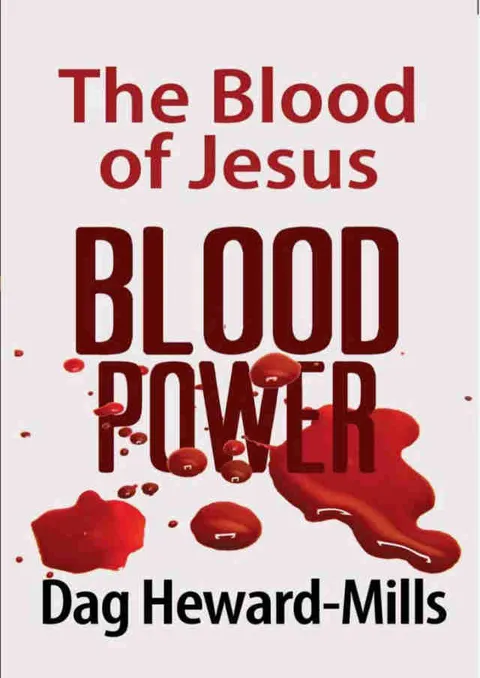
About the Book
The book "THE BLOOD OF JESUS: BLOOD POWER" by Dag Heward-Mills explores the significance and power of the blood of Jesus in the lives of believers. It discusses the spiritual implications of the blood shed by Jesus Christ and how it can bring victory, protection, and forgiveness to those who believe in it. The book emphasizes the importance of understanding and applying the blood of Jesus in daily living as a source of strength and salvation.
John A. Broadus
The Wedding at the End of Marriage
Have you ever wondered why history began with a lonely husband? Why did God make man, and then pause? Why did he parade “every beast of the field and every bird of the heavens” before the man, before finally giving him a bride, a helper, a queen? In a paradise filled with good, there was one glaring not-good: “It is not good that the man should be alone” (Genesis 2:18). Marriage was a late arrival to the garden, and God clearly meant for it to be that way. With meticulous and patient care, he labored to set this wide and wondrous stage called earth, all so that these lines would reverberate, like a pleasant earthquake, through all he had made: This at last is bone of my bones and flesh of my flesh. (Genesis 2:23) Marriage was the consummation, not a last-minute addition — the image of God in flesh and blood, male and female, intimacy and security and procreation. “So God created man in his own image, in the image of God he created him; male and female he created them. And God blessed them” (Genesis 1:27–28). God holds back marriage just long enough for us to feel how colorless a world without marriage would be. And then the wedding comes, and that mounting tension holding the whole earth hostage suddenly resolves — God makes two from one, and then one from two. The beauty of marriage, however, wasn’t the inspiration for that first love story. God let the lonely man search high and low, near and far, all in vain, to hint at another love, a higher love, a better Groom. Why Does Marriage Exist? God let Adam stand uncomfortably long at the altar of creation so that we would long to meet Eve. Then he waited centuries more before sending his own Son to the altar, so that we would long to meet the Bridegroom and love him when he comes. Through the apostle Paul, God himself tells us what he was doing as he officiated that first marriage: “A man shall leave his father and mother and hold fast to his wife, and the two shall become one flesh.” This mystery is profound, and I am saying that it refers to Christ and the church. (Ephesians 5:31–32) “Marriage doesn’t exist to remedy the loneliness of singleness; marriage exists to tell us that we need Jesus.” Marriage doesn’t exist just to remedy the loneliness of singleness; marriage exists to tell us that we need Jesus. It’s a living exposition of Christ’s relentless and passionate pursuit of his chosen people, the church — and of the church’s restless ache for him. He would not rest until he had her; she would not rest until she had been found by him. God calls husbands to love their wives in a way that shows the world something of Christ’s delight in us: Husbands, love your wives, as Christ loved the church and gave himself up for her, that he might sanctify her, having cleansed her by the washing of water with the word, so that he might present the church to himself in splendor. (Ephesians 5:25–27) Likewise, God calls wives to love their husbands in a way that shows the world something of our delight in Christ: Wives, submit to your own husbands, as to the Lord. For the husband is the head of the wife even as Christ is the head of the church, his body, and is himself its Savior. (Ephesians 5:22–23) God has made each marriage a canvas for spiritual reality. A wife’s words, attitudes, actions, and decisions either honor or betray the Bride of Christ. A husband’s words, attitudes, actions, and decisions either honor or betray the Bridegroom. My Delight Is in Her It shouldn’t be surprising, then, when God reaches again and again for the imagery of marriage to explain the zeal and intensity of his redeeming love. For instance, in Isaiah 54:5–6: For your Maker is your husband, the Lord of hosts is his name; and the Holy One of Israel is your Redeemer, the God of the whole earth he is called. For the Lord has called you like a wife deserted and grieved in spirit, like a wife of youth when she is cast off, says your God. When God conceived of husbands, he wanted us to comprehend something of what he is like. He painted weddings and marriages into his story as illustrations so that he could say to his people, “You shall be called My Delight Is in Her, and your land Married; for the Lord delights in you, and your land shall be married. For as a young man marries a young woman, so shall your sons marry you, and as the bridegroom rejoices over the bride, so shall your God rejoice over you” (Isaiah 62:4–5). God made husbands to delight in their wives so that we might know that God really does delight in us — that we might believe God when he promises, “I will betroth you to me forever. I will betroth you to me in righteousness and in justice, in steadfast love and in mercy. I will betroth you to me in faithfulness. And you shall know the Lord” (Hosea 2:19–20). God Walks the Aisle Though he never married, Jesus knew he was the long-awaited husband of history. He knew his coming was the love the world had waited for. When the Pharisees came to him and condemned his disciples for not fasting, he said, “Can the wedding guests mourn as long as the bridegroom is with them? The days will come when the bridegroom is taken away from them, and then they will fast” (Matthew 9:15). For centuries, the bride had watched and waited, wallowing in sin and shame and separation — and then he came. The seed God had planted in the garden finally sprung up in the little-known garden of Bethlehem. Instead of removing a rib, he now took on ribs and walked the long and lonely aisle to Calvary, “taking the form of a servant, being born in the likeness of men. And being found in human form, he humbled himself by becoming obedient to the point of death, even death on a cross” (Philippians 2:7–8). The Bridegroom did not emerge dressed in white, but he was clothed in humility, raised in obscurity, showered with hostility, and then crucified in agony. The first husband searched and searched to find his bride; this last husband died to have his. Marriage of the Lamb We know that marriage — in the garden and today — is meant to prepare us for something beyond marriage because one day marriage will end. “In the resurrection,” the Bridegroom says, “they neither marry nor are given in marriage” (Matthew 22:30). God placed a bride and groom at the center of creation to plant the seed of a future marriage between Christ and his church. When Jesus returns, however, the marriages we have known will give way to the Marriage for which we were made. “When Jesus returns, the marriages we have known will give way to the marriage for which we were made.” When Adam came to take Eve, he sang, “This at last is bone of my bones and flesh of my flesh.” When Jesus comes to take his church, the nations will sing, “like the roar of many waters and like the sound of mighty peals of thunder,” Hallelujah! For the Lord our God the Almighty reigns. Let us rejoice and exult and give him the glory, for the marriage of the Lamb has come, and his Bride has made herself ready; it was granted her to clothe herself with fine linen, bright and pure. (Revelation 19:6–8) An angel will declare, “Blessed are those who are invited to the marriage supper of the Lamb” (Revelation 19:9). The joy of a husband who finally finds his wife has always been a whisper of the thrill we will feel when this great and final wedding comes. God gave us marriage so that he might one day give us to Christ. God gave us wives so that we might see something of the beauty he sees in his church. God gave us husbands so that we might see something of the courage, strength, and love in his Son. Article by Marshall Segal