

Others like the art of shepherding Features >>

The Gift Of Discerning Of Spirits

The Art Of Following
.epub-160.webp)
The Price Of Spiritual Power

The Root Of The Righteous

48 Laws Of Spiritual Power

The Art Of War For Spiritual Battle

The Surpassing Greatness Of His Power

Walking In Wisdom

Raised With Christ - How The Resurrection Changes Everything

Spiritual Authority
About the Book
"The Art of Shepherding" by Dag Heward is a comprehensive guide for pastors and church leaders on the principles and practices of effective shepherding. The book covers topics such as spiritual leadership, pastoral care, discipleship, mentoring, and equipping the flock for ministry. Heward emphasizes the importance of leading with love, humility, and integrity, and offers practical advice for cultivating healthy and thriving churches.
John Alexander Dowie
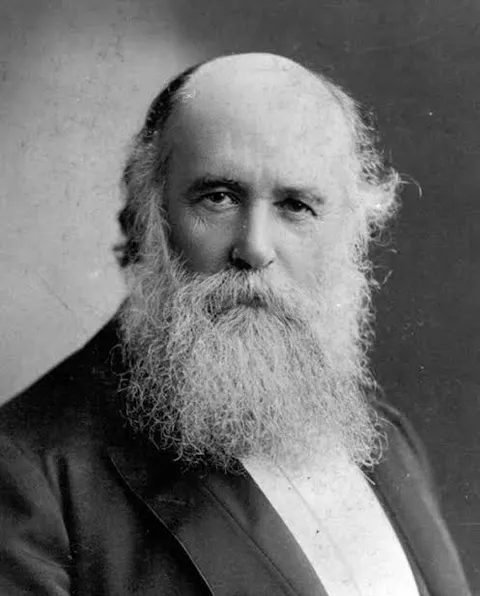 By John Alexander Dowie (1847 – 1907)
I sat in my study in the parsonage of the Congregational Church at Newtown, a suburb of the beautiful city of Sydney, Australia. My heart was very heavy, for I had visited the sick and dying beds of more than thirty of my flock, and I had cast the dust to its kindred dust into more than forty graves within a few weeks. Where, oh where, was He Who used to heal His suffering children? No prayer for healing seemed to reach His ear, and yet I knew His hand had not been shortened. Still it did not save from death even those for whom there was so much in life to live for God and others. Strong men, fathers, good citizens, and more than all, true Christians sickened with a putrid fever, suffered nameless agonies, passed into delirium, sometimes with convulsions, and then died.
Oh, what aching voids were left in many a widowed or orphaned heart. There were many homes where, one by one, the little children, the youths and the maidens lay stricken, and after a hard struggle with the foul disease, they too, lay cold and dead. It seemed sometimes as if I could almost hear the triumphant mockery of evil ringing in my ear whilst I spoke to the bereaved ones the words of Christian hope and consolation. Disease, the foul offspring of its father, Satan, and its mother Sin, was defiling and destroying the earthly temples of God’s children and there was no deliverance.
There I sat with sorrow-bowed head for my afflicted people, until the bitter tears came to relieve my burning heart. Then I prayed for some message, and oh, how I longed to hear some words from Him Who wept and sorrowed for the suffering long ago, a Man of Sorrows and Sympathies. The words of the Holy Ghost inspired In Acts 10:38, stood before me all radiant with light, revealing Satan as the Defiler, and Christ as the Healer. My tears were wiped away, my heart strong, I saw the way of healing, and the door thereto was opened wide, so I said, “God help me now to preach the Word to all the dying around, and tell them how Satan still defiles, and Jesus still delivers, for He is just the same today.”
A loud ring and several raps at the outer door, a rush of feet, and there at my door stood two panting messengers who said, “Oh, come at once, Mary is dying; come and pray. “With just a feeling as a shepherd has who hears that his sheep are being torn from the fold by a cruel wolf, I rushed from my house, ran without my hat down the street, and entered the room of the dying maiden. There she lay groaning and grinding her clenched teeth in the agony of the conflict with the destroyer. The white froth, mingled with her blood, oozing from her pale and distorted mouth. I looked at her and then my anger burned. “Oh,” I thought, “for some sharp sword of heavenly temper keen to slay this cruel foe who is strangling that lovely maiden like an invisible serpent, tightening his deadly coils for a final victory.”
In a strange way, It came to pass; I found the sword I needed was in my hands, and in my hand I hold it still and never will I lay It down. The doctor, a good Christian man, was quietly walking up and down the room, sharing the mother’s pain and grief. Presently he stood at my side and said, “Sir, are not God’s ways mysterious?” Instantly the sword was flashed in my hand, the Spirit’s sword, the Word of God. “God’s way?!” I said, pointing to the scene of conflict, “How dare you call that God’s way of bringing His children home from earth to Heaven? No sir, that is the devil’s work and it is time we called on Him Who came to destroy the work of the devil, to slay that deadly foul destroyer, and to save this child. Can you pray, Doctor, can you pray the prayer of faith that saves the sick?” At once, offended at my words, my friend was changed, and saying,” You are too much excited, sir, it is best to say ‘God’s will be done,’” and he left the room.
Excited?! The word was quite inadequate for I was almost frenzied with divinely imparted anger and hatred of that foul destroyer, disease, which was doing Satan’s will. “It is not so,” I exclaimed, “no will of God sends such cruelty, and I shall never say ‘God’s will be done’ to Satan’s works, which God’s own Son came to destroy, and this is one of them.” Oh, how the Word of God was burning in my heart: “Jesus of Nazareth went about doing good, and healing all that were oppressed of the devil; for God was with Him.” And was not God with me? And was not Jesus there and all His promises true? I felt that it was even so, and turning to the mother I inquired,” Why did you send for me?” To which she answered, “Do pray, oh pray for her that God may raise her up.” So we prayed.
What did I say? It may be that I cannot recall the words without mistake, but words are in themselves of small importance. The prayer of faith may be a voiceless prayer, a simple heartfelt look of confidence into the face of Christ. At such moment, words are few, but they mean much, for God is looking at the heart. Still, I can remember much of that prayer unto this day, and asking God to aid, I will attempt to recall it. I cried, “Our Father, help! and Holy Spirit, teach me how to pray. Plead Thou for us, oh, Jesus, Savior, Healer, Friend, our Advocate with God the Father. Hear and heal, Eternal One! From all disease and death, deliver this sweet child of yours. I rest upon the Word. We claim the promise now. The Word is true, ‘I am the Lord that heals thee.’ Then heal her now. The Word is true, ‘I am the Lord, I change not.’ Unchanging God, then prove Yourself the healer now. The Word is true. ‘These signs shall follow them that believe in My Name, they shall lay hands on the sick, and they shall recover.’ And I believe and I lay hands in Jesus’ Name on her and claim this promise now. Your Word is true. ‘The prayer of faith shall save the sick. Trusting in You alone. I cry. Oh, save her now, for Jesus’ sake. Amen!”
Then, the maid lay in sleep so deep and sweet that the mother asked in a low whisper, “Is she dead?” “No,” I answered, in a whisper lower still. “Mary will live; the fever is gone. She is perfectly well and sleeping as an infant sleeps.” I was smoothing the long dark hair from her now peaceful brow, and feeling the steady pulsation of her heart and cool moist hands. I saw that Christ had heard, and that once more, as long ago in Peter’s house, “He touched her and the fever left her.” Turning to the nurse, I said, “Get me at once, please, a cup of cocoa and several slices of bread and butter.” Beside the sleeping maid we sat quietly and almost silently until the nurse returned, and then I bent over her and snapping my fingers called, “Mary!”
Instantly she woke, smiled and said, “Oh, sir, when did you come? I have slept so long;” then stretching her arms out to meet her mother’s embrace, she said, “Mother, I feel so well.” “And hungry, too?” I asked, pouring some of the cocoa in a saucer and offering it to her when cooled by my breath. “Yes, hungry too,” she answered with a little laugh, and drank and ate again, and yet again until all was gone. In a few minutes, she fell asleep, breathing easily and softly. Quietly thanking God. We left her bed and went to the next room where her brother and sister also lay sick of the same fever. With these two, we prayed and they were healed too. The following day all three were well and in a week or so they brought me a little letter and a gift of gold, two sleeve links with my monogram, which I wore for many years. As I went away from the home where Christ as the Healer had been victorious, I could not but have somewhat in my heart of the triumphant song that rang through Heaven, and yet I was not a little amazed at my own strange doings, and still more at my discovery that He is just the same today.
Excerpt from the Sermons of John Alexander Dowie Champions of Faith by Gordon Lindsay
By John Alexander Dowie (1847 – 1907)
I sat in my study in the parsonage of the Congregational Church at Newtown, a suburb of the beautiful city of Sydney, Australia. My heart was very heavy, for I had visited the sick and dying beds of more than thirty of my flock, and I had cast the dust to its kindred dust into more than forty graves within a few weeks. Where, oh where, was He Who used to heal His suffering children? No prayer for healing seemed to reach His ear, and yet I knew His hand had not been shortened. Still it did not save from death even those for whom there was so much in life to live for God and others. Strong men, fathers, good citizens, and more than all, true Christians sickened with a putrid fever, suffered nameless agonies, passed into delirium, sometimes with convulsions, and then died.
Oh, what aching voids were left in many a widowed or orphaned heart. There were many homes where, one by one, the little children, the youths and the maidens lay stricken, and after a hard struggle with the foul disease, they too, lay cold and dead. It seemed sometimes as if I could almost hear the triumphant mockery of evil ringing in my ear whilst I spoke to the bereaved ones the words of Christian hope and consolation. Disease, the foul offspring of its father, Satan, and its mother Sin, was defiling and destroying the earthly temples of God’s children and there was no deliverance.
There I sat with sorrow-bowed head for my afflicted people, until the bitter tears came to relieve my burning heart. Then I prayed for some message, and oh, how I longed to hear some words from Him Who wept and sorrowed for the suffering long ago, a Man of Sorrows and Sympathies. The words of the Holy Ghost inspired In Acts 10:38, stood before me all radiant with light, revealing Satan as the Defiler, and Christ as the Healer. My tears were wiped away, my heart strong, I saw the way of healing, and the door thereto was opened wide, so I said, “God help me now to preach the Word to all the dying around, and tell them how Satan still defiles, and Jesus still delivers, for He is just the same today.”
A loud ring and several raps at the outer door, a rush of feet, and there at my door stood two panting messengers who said, “Oh, come at once, Mary is dying; come and pray. “With just a feeling as a shepherd has who hears that his sheep are being torn from the fold by a cruel wolf, I rushed from my house, ran without my hat down the street, and entered the room of the dying maiden. There she lay groaning and grinding her clenched teeth in the agony of the conflict with the destroyer. The white froth, mingled with her blood, oozing from her pale and distorted mouth. I looked at her and then my anger burned. “Oh,” I thought, “for some sharp sword of heavenly temper keen to slay this cruel foe who is strangling that lovely maiden like an invisible serpent, tightening his deadly coils for a final victory.”
In a strange way, It came to pass; I found the sword I needed was in my hands, and in my hand I hold it still and never will I lay It down. The doctor, a good Christian man, was quietly walking up and down the room, sharing the mother’s pain and grief. Presently he stood at my side and said, “Sir, are not God’s ways mysterious?” Instantly the sword was flashed in my hand, the Spirit’s sword, the Word of God. “God’s way?!” I said, pointing to the scene of conflict, “How dare you call that God’s way of bringing His children home from earth to Heaven? No sir, that is the devil’s work and it is time we called on Him Who came to destroy the work of the devil, to slay that deadly foul destroyer, and to save this child. Can you pray, Doctor, can you pray the prayer of faith that saves the sick?” At once, offended at my words, my friend was changed, and saying,” You are too much excited, sir, it is best to say ‘God’s will be done,’” and he left the room.
Excited?! The word was quite inadequate for I was almost frenzied with divinely imparted anger and hatred of that foul destroyer, disease, which was doing Satan’s will. “It is not so,” I exclaimed, “no will of God sends such cruelty, and I shall never say ‘God’s will be done’ to Satan’s works, which God’s own Son came to destroy, and this is one of them.” Oh, how the Word of God was burning in my heart: “Jesus of Nazareth went about doing good, and healing all that were oppressed of the devil; for God was with Him.” And was not God with me? And was not Jesus there and all His promises true? I felt that it was even so, and turning to the mother I inquired,” Why did you send for me?” To which she answered, “Do pray, oh pray for her that God may raise her up.” So we prayed.
What did I say? It may be that I cannot recall the words without mistake, but words are in themselves of small importance. The prayer of faith may be a voiceless prayer, a simple heartfelt look of confidence into the face of Christ. At such moment, words are few, but they mean much, for God is looking at the heart. Still, I can remember much of that prayer unto this day, and asking God to aid, I will attempt to recall it. I cried, “Our Father, help! and Holy Spirit, teach me how to pray. Plead Thou for us, oh, Jesus, Savior, Healer, Friend, our Advocate with God the Father. Hear and heal, Eternal One! From all disease and death, deliver this sweet child of yours. I rest upon the Word. We claim the promise now. The Word is true, ‘I am the Lord that heals thee.’ Then heal her now. The Word is true, ‘I am the Lord, I change not.’ Unchanging God, then prove Yourself the healer now. The Word is true. ‘These signs shall follow them that believe in My Name, they shall lay hands on the sick, and they shall recover.’ And I believe and I lay hands in Jesus’ Name on her and claim this promise now. Your Word is true. ‘The prayer of faith shall save the sick. Trusting in You alone. I cry. Oh, save her now, for Jesus’ sake. Amen!”
Then, the maid lay in sleep so deep and sweet that the mother asked in a low whisper, “Is she dead?” “No,” I answered, in a whisper lower still. “Mary will live; the fever is gone. She is perfectly well and sleeping as an infant sleeps.” I was smoothing the long dark hair from her now peaceful brow, and feeling the steady pulsation of her heart and cool moist hands. I saw that Christ had heard, and that once more, as long ago in Peter’s house, “He touched her and the fever left her.” Turning to the nurse, I said, “Get me at once, please, a cup of cocoa and several slices of bread and butter.” Beside the sleeping maid we sat quietly and almost silently until the nurse returned, and then I bent over her and snapping my fingers called, “Mary!”
Instantly she woke, smiled and said, “Oh, sir, when did you come? I have slept so long;” then stretching her arms out to meet her mother’s embrace, she said, “Mother, I feel so well.” “And hungry, too?” I asked, pouring some of the cocoa in a saucer and offering it to her when cooled by my breath. “Yes, hungry too,” she answered with a little laugh, and drank and ate again, and yet again until all was gone. In a few minutes, she fell asleep, breathing easily and softly. Quietly thanking God. We left her bed and went to the next room where her brother and sister also lay sick of the same fever. With these two, we prayed and they were healed too. The following day all three were well and in a week or so they brought me a little letter and a gift of gold, two sleeve links with my monogram, which I wore for many years. As I went away from the home where Christ as the Healer had been victorious, I could not but have somewhat in my heart of the triumphant song that rang through Heaven, and yet I was not a little amazed at my own strange doings, and still more at my discovery that He is just the same today.
Excerpt from the Sermons of John Alexander Dowie Champions of Faith by Gordon Lindsay
keep him from his knees
My Dear Globdrop, Most regretfully did I receive your last letter. Slumped over at my desk for nearly the entire day, I failed to detect the slightest evidence of rational thought. You coughed and sneezed all over the page and still thought to send it, did you? Next time you desire to unclutter the pockets of your mind, rifle through the lint and half-gnawed bones with one of your peers instead of your superior officer. The only nugget I found (and I admit to having slogged through only half of the small booklet you called a letter) was the bit about your man’s resolves to “give more time to prayer.” I hope, for your sake, that you have not applied standard protocol to such a vile practice. In other pursuits, we consider it sport to let the game run free for a bit. We allow the patients to exercise new levels of self-control, discipline, purity, and the like. The joy they feel when they assume themselves finally free heightens our fun when, to their horror and despair, we recapture them in old habits. And this is not just for entertainment: The last state becomes worse than the first. The merry-go-round of failure weakens their will to fight back, and soon, they won’t attempt to run free even when the door is flung open. Their fresh starts make for more bitter endings. But we do not trifle with prayer, ever . Have you forgotten that one stands on the other side of them, listening ? Keep the Prey from Prayer This ought to be painfully apparent. Would you allow an all-but-conquered army, surrounded and besieged, to send out even one letter pleading for reinforcements? Would you not hunt that messenger down, put arrows in his back, and burn the letter? It is bad enough that our bitter Enemy — I have it on credible report — actually wants to help them. No, silence toward the Enemy is hell’s only policy. You must silence him as soon as possible. A few pointers. 1. Distract him in his closet. This first step is almost too simple to be devious: show him his surroundings. When he has time to sit and observe — something he otherwise would rarely do — show him everything. The more bothersome, the better. Let him hear that horrid Mr. Snoodle bark at a squirrel down the street. Let him see the mailman walk irreverently across his yard. Let him notice the chipped paint upon the windowsill, the small crack in the ceiling fan, the children’s play toys left disobediently about on the carpet. Once he is divided, end the affair promptly with something he can quickly do — he should clean the dishes or vacuum the carpet. Assure him, of course, that this will only be a temporary detour that will allow for greater focus. Send him away after anything and everything. 2. Remind him of righteous deeds to do. Now, don’t be afraid to use even — and my pen recoils to write it — “righteous distractions.” This, I hope you can finally begin to appreciate, reveals how much we loathe the time he spends upon his knees — that place where all horrid events begin. Get him to say, as one of their generals has said, You wouldn’t believe how many good things keep me from praying — not sin. Sin does not keep me from praying; righteousness keeps me from praying: answering holy emails or just checking out one more piece of relevant news to pray about. . . . It’s not evil that keeps us from praying; it’s good things. So — only in times of deepest desperation, mind you — suggest a million fine deeds he could otherwise be doing: a friend could use an encouraging text message. The elderly man next store could use his driveway shoveled. Perhaps he ought to call and check in with that sister who is struggling. We can destroy those resolves in due time. The act at hand, the speaking directly with the Enemy, stands priority. Without refueling, they can only get only so far. 3. Remind him how little he has prayed. Perhaps you naively assume that this misses the point — why remind a starving man that he has not eaten enough bread? But this squanders an opportunity. If he is set on yelping to the Enemy, prostrating himself on the floor like a spaniel, two courses of action can proceed: either he gets fed and returns to the banquet over and over again — and we lose him — or we spoil the bread in his mouth by inducing a sense of guilt . Instead of allowing him to begin where he is — one meal at a time, as it were — suggest all the ways he falls short of where he should be by now . As he finally begins to intercede for his sister, ask, Why have you waited so long? Should he pray for our humans to follow the Enemy, inquire, Why were you unbothered by their plight till now? If he begins that wretched way he taught them, “My Father,” let the name turn to guilt before he finishes: Do other sons fail so much at prayer? Ten minutes of prayer seems like such a weak window for someone who has been a Christian so long. A steady diet of shame turns prayer inward ¬— a gaze into the mirror at imperfections, not a gaze at the Enemy or his alleged perfections. Make prayer a reminder of everything your man is not, rather than a communing with all the Enemy is. Press blame upon him, and he soon may return to his unencumbered, guilt-free starvation. 4. Remind him that he is free from taking prayer too seriously. Label all prayer habits as legalism. Planning to spend thirty minutes in prayer a day? That is law, not grace. Where — be sure to ask him — does the Bible say he needs to wake up at 6:30 in the morning? Anyone who tells him he must spend time communing with the Enemy doesn’t know what freedom the Enemy affords. Tell them that he is perfectly free to be prayerless before the Enemy — of course, by this we mean that he is free to stand clueless, weaponless, and defenseless before us. Let him be regular in checking social media, regular in watching his shows, regular in playing Ultimate Frisbee and going to concerts, regular in walking the dog, eating, sleeping, and playing the saxophone — but make the idea that he might be regular in prayer works based . Keep him from prayer, and he shall surely become prey. 5. Remind him of tomorrow. He works hard after all. Working two jobs. Busy with countless Christian activities. What does the Enemy really expect of him? The Enemy’s Son sought to rouse his drowsy disciples to their prayer posts on the night everything changed, but he couldn’t . They were too tired to “watch and pray that they may not enter into temptation.” The spirit may have been willing, but the flesh was weak. We licked our lips as their eyelids drooped. You can always pray tomorrow morning was our lullaby. A little sleep, a little slumber, a little tapping of the alarm clock, and we shall come upon them like a thief in the night. Lead Them into Temptation The Enemy instructs them to pray that they might not enter into temptation — I hope you see the seriousness by now. He even commands them to pray daily with the wretched words, “Lead us not into temptation.” Keep them from all of this. Leave them over-busy and exhausted, pushing prayer to the bookends of their days until it is little more than a half-conscious moan or sigh. At all costs, do not let them truly believe that God is and, most of all, that he rewards those who seek him — with himself. Your tried and tempted uncle, Grimgod