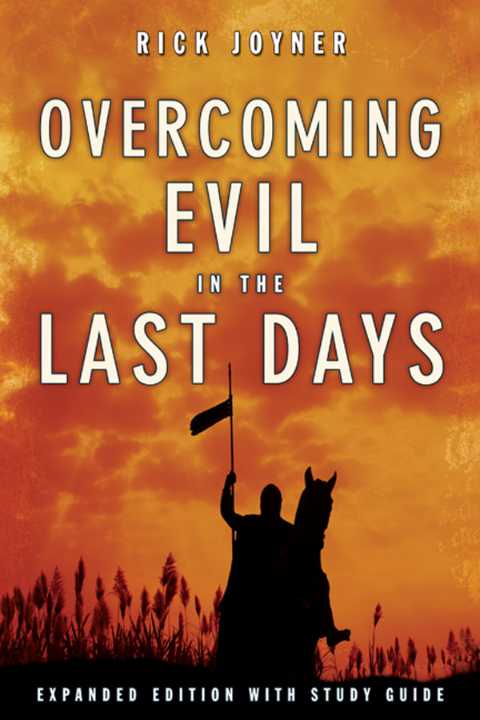

Others like overcoming evil in the last day Features >>
Overcoming Confusion
Reigning In Life As A King
Overcoming The Enemy
Overcoming Addictive Behavior
-160.webp)
Overcoming Familiar Spirits (Deliverance From Unseen Demonic Enemies And Spiritual Debt)

Overcoming Depression
Overcoming Crisis

Finishing Well In Life And Ministry
Becoming A Vessel Of Honor
Overcoming Fear
About the Book
"Overcoming Evil In The Last Day" by Rick Joyner is a religious book that discusses the battle between good and evil and the role of Christians in overcoming evil in the end times. Joyner provides insight on the spiritual warfare that believers will face, and offers guidance on how to defeat evil through faith and spiritual discernment. The book encourages readers to remain steadfast in their faith and trust in God's power to overcome evil forces.
Charles Finney
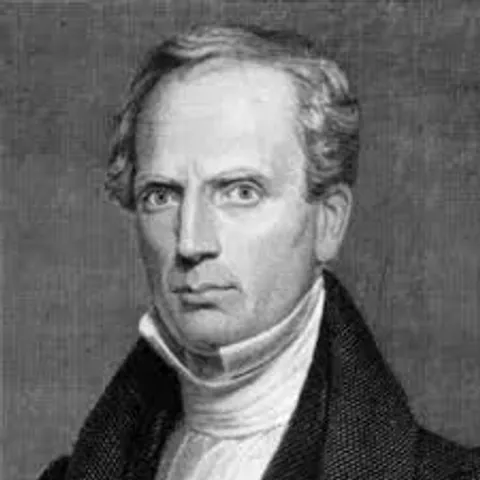 Childhood and Teen years
Charles Grandison Finney was born the year after Wesley died on 29th August, 1792 in Warren, Connecticut. In 1794 his family moved to New York state, eventually settling at Henderson, near Lake Ontario. Although he received only a brief formal education he decided to study law and joined the practice of a local lawyer, Benjamin Wright. He was also very musical, played the cello and directed the choir at the local Presbyterian Church pastured by Rev. George Gale.
His conversion
His conversion on October 10th 1821 reads like something out of the book of Acts. Smitten with conviction from Bible reading he decided to ‘settle the question of my soul’s salvation at once, that if it were possible, I would make my peace with God.’ (Autobiography)
This conviction increased to an unbearable level over the next couple of days and came to an head when he was suddenly confronted with an ‘inward voice.’ He was inwardly questioned about his spiritual condition and finally received revelation about the finished work of Christ and his own need to give up his sins and submit to Christ’s righteousness.
As he sought God in a nearby wood he was overwhelmed with an acute sense of his own wickedness and pride but finally submitted his life to Christ. Back at work that afternoon he was filled with a profound sense of tenderness, sweetness and peace. When work was over and he bade his employer goodnight, he then experienced a mighty baptism in the Holy Spirit, which was recorded as vividly as the day he experienced it, though it was penned some fifty years later.
The next morning Finney announced to a customer that he was leaving his law studies to become a preacher of the Gospel.
Charles Finney licensed to preach
He was licensed to preach in 1823 and ordained as an evangelist in 1824. His penetrating preaching was quite different from many local ministers and included an obvious attempt to break away from the traditional and, as he saw it, dead, orthodox Calvinism. He married to Lydia Andrews in October 1824 and was also joined by Daniel Nash (1774-1831), known popularly as ‘Father Nash.’ Undoubtedly Nash’s special ministry of prayer played a great part in Finney’s growing success as an evangelist.
Things really took off when he preached in his old church, where Rev. Gale still ministered. Numerous converts and critics followed! Similar results were experienced in nearby towns of Rome and Utica. Soon newspapers were reporting his campaigns and he began drawing large crowds with dramatic responses.
Soon he was preaching in the largest cities of the north with phenomenal results. Campaign after campaign secured thousands of converts.
The high point of Finney’s revival career was reached at Rochester, New York, during his 1830-1 meetings. Shopkeepers closed their businesses and the whole city seemed to centre on the revivalist. Responding to his irresistible logic and passionate arguments many of his converts were lawyers, merchants and those from a higher income and professional status.
His Preaching
Finney openly preached a modified Calvinism, influenced with his own theology of conversion and used what were perceived to be ‘revivalistic techniques.’
These ‘means’ included the use of the anxious bench (a special place for those under conviction), protracted meetings, women allowed to pray in mixed meetings, publicly naming those present resisting God in meetings and the hurried admission of new converts into church membership. Opponents viewed his preaching of the law as ‘scare tactics’ and his persuasive appeals for sinners to come to Christ for salvation were seen as over-emphasising the responsibility of men and ignoring the sovereignty of God.
His theology and practise soon became known as the ‘New Measures’ and attracted many opponents from the Old School Presbyterians led by Asahel Nettleton (himself no stranger to true revival and , the revivalistic Congregationalists headed by Lyman Beecher.
Pastor at Chatham Street Chapel
Finney accepted an appointment as pastor of Chatham Street Chapel in New York City in 1832 where he remained until 1837. It was during this time that he delivered a series of sermons published in 1835 as ‘Lectures on Revivals of Religion.’ Here he clearly stated his views regarding revivals being products of the correct use of human means. Such was the controversy that he left the Presbyterian denomination and joined the Congregationalists in 1836.
Oberlin College
The next year he became professor of theology at Oberlin College (Ohio) where he taught until his death. He was President here from 1851 until 1866, but still continued regular revival meetings in urban settings (twice in England, 1848, 1851) until 1860. During his stay at Oberlin he produced his, Lectures to Professing Christians (1836), Sermons on Important Subjects (1839) and his famous Memoirs.
The Father of Modern Revivalism
There is no doubt that Charles Grandison Finney well-deserves the title ‘The Father of Modern Revivalism.’ He was an evangelistic pioneer whose model was followed by a long line of revivalists from D. L. Moody to Billy Graham. His writing have made a massive impact on the entire evangelical world and particularly the ‘Lectures on Revivals’ which has, arguably, ignited more fires of revival than any other single piece literature in evangelical history.
This ‘Prince of Revivalists’ passed away peacefully at Oberlin on Sunday, 16th August, 1875 aged almost 83 years.
Bibliography: I Will Pour Out My Spirit, R. E. Davies, 1997; Ed: A. Scott Moreau, Baker Evangelical Dictionary of World Missions, 2000; Dictionary of Evangelical Biography 1730-1860, Vol. 1, 1995.
Tony Cauchi
Childhood and Teen years
Charles Grandison Finney was born the year after Wesley died on 29th August, 1792 in Warren, Connecticut. In 1794 his family moved to New York state, eventually settling at Henderson, near Lake Ontario. Although he received only a brief formal education he decided to study law and joined the practice of a local lawyer, Benjamin Wright. He was also very musical, played the cello and directed the choir at the local Presbyterian Church pastured by Rev. George Gale.
His conversion
His conversion on October 10th 1821 reads like something out of the book of Acts. Smitten with conviction from Bible reading he decided to ‘settle the question of my soul’s salvation at once, that if it were possible, I would make my peace with God.’ (Autobiography)
This conviction increased to an unbearable level over the next couple of days and came to an head when he was suddenly confronted with an ‘inward voice.’ He was inwardly questioned about his spiritual condition and finally received revelation about the finished work of Christ and his own need to give up his sins and submit to Christ’s righteousness.
As he sought God in a nearby wood he was overwhelmed with an acute sense of his own wickedness and pride but finally submitted his life to Christ. Back at work that afternoon he was filled with a profound sense of tenderness, sweetness and peace. When work was over and he bade his employer goodnight, he then experienced a mighty baptism in the Holy Spirit, which was recorded as vividly as the day he experienced it, though it was penned some fifty years later.
The next morning Finney announced to a customer that he was leaving his law studies to become a preacher of the Gospel.
Charles Finney licensed to preach
He was licensed to preach in 1823 and ordained as an evangelist in 1824. His penetrating preaching was quite different from many local ministers and included an obvious attempt to break away from the traditional and, as he saw it, dead, orthodox Calvinism. He married to Lydia Andrews in October 1824 and was also joined by Daniel Nash (1774-1831), known popularly as ‘Father Nash.’ Undoubtedly Nash’s special ministry of prayer played a great part in Finney’s growing success as an evangelist.
Things really took off when he preached in his old church, where Rev. Gale still ministered. Numerous converts and critics followed! Similar results were experienced in nearby towns of Rome and Utica. Soon newspapers were reporting his campaigns and he began drawing large crowds with dramatic responses.
Soon he was preaching in the largest cities of the north with phenomenal results. Campaign after campaign secured thousands of converts.
The high point of Finney’s revival career was reached at Rochester, New York, during his 1830-1 meetings. Shopkeepers closed their businesses and the whole city seemed to centre on the revivalist. Responding to his irresistible logic and passionate arguments many of his converts were lawyers, merchants and those from a higher income and professional status.
His Preaching
Finney openly preached a modified Calvinism, influenced with his own theology of conversion and used what were perceived to be ‘revivalistic techniques.’
These ‘means’ included the use of the anxious bench (a special place for those under conviction), protracted meetings, women allowed to pray in mixed meetings, publicly naming those present resisting God in meetings and the hurried admission of new converts into church membership. Opponents viewed his preaching of the law as ‘scare tactics’ and his persuasive appeals for sinners to come to Christ for salvation were seen as over-emphasising the responsibility of men and ignoring the sovereignty of God.
His theology and practise soon became known as the ‘New Measures’ and attracted many opponents from the Old School Presbyterians led by Asahel Nettleton (himself no stranger to true revival and , the revivalistic Congregationalists headed by Lyman Beecher.
Pastor at Chatham Street Chapel
Finney accepted an appointment as pastor of Chatham Street Chapel in New York City in 1832 where he remained until 1837. It was during this time that he delivered a series of sermons published in 1835 as ‘Lectures on Revivals of Religion.’ Here he clearly stated his views regarding revivals being products of the correct use of human means. Such was the controversy that he left the Presbyterian denomination and joined the Congregationalists in 1836.
Oberlin College
The next year he became professor of theology at Oberlin College (Ohio) where he taught until his death. He was President here from 1851 until 1866, but still continued regular revival meetings in urban settings (twice in England, 1848, 1851) until 1860. During his stay at Oberlin he produced his, Lectures to Professing Christians (1836), Sermons on Important Subjects (1839) and his famous Memoirs.
The Father of Modern Revivalism
There is no doubt that Charles Grandison Finney well-deserves the title ‘The Father of Modern Revivalism.’ He was an evangelistic pioneer whose model was followed by a long line of revivalists from D. L. Moody to Billy Graham. His writing have made a massive impact on the entire evangelical world and particularly the ‘Lectures on Revivals’ which has, arguably, ignited more fires of revival than any other single piece literature in evangelical history.
This ‘Prince of Revivalists’ passed away peacefully at Oberlin on Sunday, 16th August, 1875 aged almost 83 years.
Bibliography: I Will Pour Out My Spirit, R. E. Davies, 1997; Ed: A. Scott Moreau, Baker Evangelical Dictionary of World Missions, 2000; Dictionary of Evangelical Biography 1730-1860, Vol. 1, 1995.
Tony Cauchi
How to Start a Conversation About Jesus
A friend of mine likes to say, “The best gospel presentation is the one given.” That’s true. And convicting. Many good books, sermons, and seminars can help us prepare to share our faith. But none of these resources can do for us what we often find the hardest thing to do: just start the conversation. We often feel helpless when it comes to our friends and their eternities. We justify the self-centeredness that ignores our neighbors. We subtly, maybe even subconsciously, question the truths that would loose our tongues and break other peoples’ chains — all in favor of maintaining a more comfortable silence. If we’re brutally honest with ourselves, we’re content to avoid our fears, accept our obstacles, and nurture our self-centeredness. So, we tell ourselves that someone else will share the gospel; or that the potential awkwardness, rejection, or persecution are not worth it; or that God is not likely to save those people anyway. God help us. “When we focus on what’s really real, then evangelism becomes utterly exciting.” Thankfully, he does help us! We need God’s help to lift our eyes and see we are surrounded by dead people who desperately need us to preach the gospel and live out the life of Christ in their midst. When we focus on what’s really real — the facts that God exists, his wrath against sin is coming, his gospel is the only way to eternal joy, souls are precious and perishing, and the lost sheep will hear their Shepherd’s voice — then evangelism becomes utterly exciting. Your Forever Neighbor Evangelism will not happen forever. It is a means to one great end. Human beings — every single one of us in history — are created in God’s image for eternal purposes and one immense goal: to bring glory to God. When we read C.S. Lewis’s words about the eternal significance and destiny of our neighbors, we get a sense of the weightiness and joy that come from sharing the gospel: It is a serious thing to live in a society of possible gods and goddesses, to remember that the dullest and most uninteresting person you talk to may one day be a creature which, if you saw it now, you would be strongly tempted to worship, or else a horror and a corruption such as you now meet, if at all, only in a nightmare. (The Weight of Glory, 45–46) History, and everyone in it, is going somewhere. That means that, while no two conversations, no two train rides, no two lunch breaks, and no two walks at the park are the same, they are all filled with infinite potential. And time is literally running out. Like the wind, we do not know where the Spirit might blow on our ordinary days (John 3:8) — and that is exciting. Vertically-challenged Zacchaeus climbed a tree because he felt he needed to see Jesus for some reason (Luke 19:1–8); the Ethiopian eunuch was “randomly” pondering Isaiah 53 during his commute (Acts 8:26–40); Sergius Paulus, a highly educated official, asked Paul to bring him God’s word (Acts 13:7–8); and a Roman jailer was set free after he begged Paul to tell him what he must do to be saved (Acts 16:25–34). How would these people call on him in whom they have not believed unless someone tells them (Romans 10:14)? Could it be that the Spirit is already at work in the lives of the people around us in ways we haven’t noticed yet? Embrace the Awkwardness If we want to take advantage of opportunities to share our faith, we have to learn to embrace the so-called awkwardness. In some cultures, it is deemed awkward to raise the issue of spiritual matters in conversation. But take heart: in whatever culture you live, God has already raised the issue. If he has raised your soul from the dead, the conversation has begun. “No two conversations are the same, but they are all filled with infinite potential.” You sit next to your coworker as the aroma of Christ to God among those who are being saved and among those who are perishing. You stand among other travelers in the queue as a sojourner whose citizenship is in heaven. You interact with people in this age of intolerance and virtue signaling as one who is humble and contrite in spirit, and who trembles at God’s word alone. You supervise children at the park as one who has been born again to a living hope. You drink water with your hiking club as one whose heart overflows with rivers of living water. You lay on a bed in the hospital as the recipient of a spiritual heart transplant — your stony, dead heart for a living heart of flesh. Your family members watch you live out a thousand deaths to self (and eventually death itself) as a new creation in Christ. If our chief concerns are about avoiding awkwardness, it would be more awkward not to talk about eternal things. You and I never know those who have been, who are, and who will soon be wrestling with these weighty spiritual issues, waiting for someone to bring them God’s word. Believe that God is both willing and able to give you what you need in order that you might joyfully spread the word about his Son in any and every cultural scenario — however seemingly awkward it may feel at first. Everyday Examples God governs the cosmos in such a way that your everyday life shines the light of the gospel in all the strategic places and relationships in which he places you. “The earth is the Lord’s” (Psalm 24:1), and Jesus is with you as you go and make disciples in his world (Matthew 28:18–20). A coworker of mine has a practice of sharing what she read that morning in her Bible with the people she encounters as she goes about her day. This is intentional on her part, but I also think she can’t help herself — she simply overflows. Another coworker pays for her lattes and chocolate croissants at the cafe she frequents, sits down at a table, and then, when the server brings out her order, explains that she is about to pray for her meal and asks, “What can I pray for you?” “How was your weekend?” is a question that another friend asks at work every week. And when the person returns the question, they talk about the sermon they heard at church. Another friend asks people to listen to her Scripture memory recitation for the day to help double-check her memory (and spread the word!). Talking about the word that is our very lives (Deuteronomy 32:47) is, naturally, something the Spirit leads word-dependent, word-filled people to do. The Most Effective Place to Start Perhaps you are praying that God would open for you a door for the word, so that you can “declare the mystery of Christ” (Colossians 4:3). And you unashamedly believe the gospel is indeed God’s power for salvation to everyone who believes (Romans 1:16). But you’re still not sure where to start when God puts someone in your path. “‘Hello’ is a small word, but it says to someone, ‘I see you.’” My friend led a training session about how to share the Christian faith. In one especially valuable lesson, the group has some volunteers don a traditional outfit of someone from a different cultural background. They acknowledge how it might feel intimidating to talk with people who look different, eat different foods, speak different languages, and believe different things. But beyond all of the potential hurdles, there is one thing you could say to start a conversation (and friendship) with anyone from anywhere. Across the globe, this is the most effective thing you can say in order to start a conversation: Hello. In whatever language you speak, your hello could initiate the first conversation among many that God uses to draw someone to himself. Maybe the first conversation becomes the conversation. “Hello” is a small word, but it says to someone, “I see you.” And that means something to everyone, no matter where they’re from in the world. For hello to pass over your vocal cords, it requires only a mustard seed of faith in our great God. In addition to your faithful prayers that God would open a door for his word, the gospel, also ask him to give you everything you need to greet people in his name and be a blessing to whomever he puts in your path. Article by Gloria Furman