
Others like leadership mastery Features >>

How To Win Friends And Influence People
-160.webp)
How To Win Friends And Influence People
The Leadership Style Of Jesus
Self Leadership And The One Minute Manager
Leadership, The Power Of A Creative Life

The Secrets Of Ceos

How To Buy A Business With No Money Down
Essential Dictionary Of Music Notation
Leading An Inspired Life
About the Book
"Leadership Mastery" by Dale Carnegie provides practical advice and timeless principles for developing effective leadership skills. The book emphasizes the importance of building trust, inspiring others, and fostering a positive work environment to achieve success as a leader. Carnegie's insights and strategies offer valuable guidance for aspiring and experienced leaders alike.
William Booth
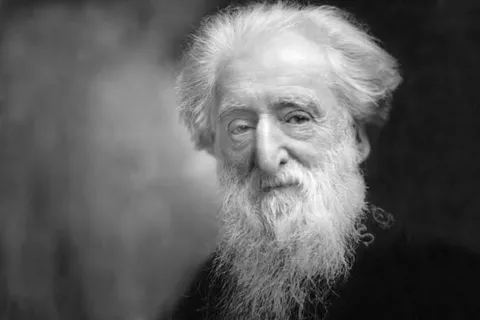 General William Booth’s early life
William Booth was born in Nottingham in 1829 of well-bred parents who had become poor. He was a lively lad nicknamed Wilful Wil. At the age of fifteen he was converted in the Methodist chapel and became the leader of a band of teenage evangelists who called him Captain and held street meetings with remarkable success.
In 1851 he began full-time Christian work among the Methodist Reformers in London and later in Lincolnshire. After a period in a theological college he became a minister of the Methodist New Connexion. His heart however was with the poor people unreached by his church, and in 1861 he left the Methodists to give himself freely to the work of evangelism. Joined by Catherine, his devoted wife, they saw their ministry break out into real revival, which in Cornwall spread far and wide.
One memorable day in July 1865, after exploring the streets in an East End district where he was to conduct a mission, the terrible poverty, vice and degradation of these needy people struck home to his heart. He arrived at his Hammersmith home just before midnight and greeted his waiting Catherine with these words: “Darling, I have found my destiny!” She understood him. Together they had ministered God’s grace to God’s poor in many places.
Now they were to spend their lives bringing deliverance to Satan”s captives in the evil jungle of London”s slums. One day William took Bramwell, his son, into an East End pub which was crammed full of dirty, intoxicated creatures. Seeing the appalled look on his son”s face, he said gently, “Bramwell, these are our people—the people I want you to live for.”
William and Catherine loved each other passionately all their lives. And no less passionately did they love their Lord together. Now, although penniless, together with their dedicated children, they moved out in great faith to bring Christ”s abundant life to London”s poverty-stricken, devil-oppressed millions.
At first their organisation was called the Christian Mission. In spite of brutal opposition and much cruel hardship, the Lord blessed this work, and it spread rapidly.
William Booth was the dynamic leader who called young men and women to join him in this full-time crusade. With enthusiastic abandon, hundreds gave up all to follow him.
“Make your will, pack your box, kiss your girl and be ready in a week”, he told one young volunteer.
Salvation Army born
One day as William was dictating a report on the work to George Railton, his secretary, he said, “We are a volunteer army,”
“No”, said Bramwell, “I am a regular or nothing.”
His father stopped in his stride, bent over Railton, took the pen from his hand, and crossing out the word “volunteer”, wrote “salvation”. The two young men stared at the phrase “a salvation army”, then both exclaimed “Hallelujah”. So the Salvation Army was born.
As these dedicated, Spirit-filled soldiers of the cross flung themselves into the battle against evil under their blood and fire banner, amazing miracles of deliverance occurred. Alcoholics, prostitutes and criminals were set free and changed into workaday saints.
Cecil Rhodes once visited the Salvation Army farm colony for men at Hadleigh, Essex, and asked after a notorious criminal who had been converted and rehabilitated there.
“Oh”, was the answer, “He has left the colony and has had a regular job outside now for twelve months.”
“Well” said Rhodes in astonishment, “if you have kept that man working for a year, I will believe in miracles.”
Slave traffic
The power that changed and delivered was the power of the Holy Spirit. Bramwell Booth in his book Echoes and Memories describes how this power operated, especially after whole nights of prayer. Persons hostile to the Army would come under deep conviction and fall prostrate to the ground, afterward to rise penitent, forgiven and changed. Healings often occurred and all the gifts of the Spirit were manifested as the Lord operated through His revived Body under William Booth’s leadership.
Terrible evils lay hidden under the curtain of Victorian social life in the nineteenth century. The Salvation Army unmasked and fought them. Its work among prostitutes soon revealed the appalling wickedness of the white slave traffic, in which girls of thirteen were sold by their parents to the pimps who used them in their profitable brothels, or who traded them on the Continent.
“Thousands of innocent girls, most of them under sixteen, were shipped as regularly as cattle to the state-regulated brothels of Brussels and Antwerp.” (Collier).
Imprisoned
In order to expose this vile trade, W. T. Stead (editor of The Pall Mall Gazette) and Bramwell Booth plotted to buy such a child in order to shock the Victorians into facing the fact of this hidden moral cancer in their society. This thirteen-year-old girl, Eliza Armstrong, was bought from her mother for £5 and placed in the care of Salvationists in France.
W. T. Stead told the story in a series of explosive articles in The Pall Mall Gazette which raised such a furore that Parliament passed a law raising the age of consent from thirteen to sixteen. However, Booth and Stead were prosecuted for abduction, and Stead was imprisoned for three months.
William Booth always believed the essential cause of social evil and suffering was sin, and that salvation from sin was its essential cure. But as his work progressed, he became increasingly convinced that social redemption and reform should be an integral part of Christian mission.
So at the age of sixty he startled England with the publication of the massive volume entitled In Darkest England, and the Way Out. It was packed with facts and statistics concerning Britain’s submerged corruption, and proved that a large proportion of her population was homeless, destitute and starving. It also outlined Booth’s answer to the problem — his own attempt to begin to build the welfare state.
All this was the result of two years” laborious research by many people, including the loyal W. T. Stead. On the day the volume was finished and ready for publication, Stead was conning its final pages in the home of the Booths. At last he said, “That work will echo round the world. I rejoice with an exceeding great joy.”
“And I”, whispered Catherine, dying of cancer in a corner of the room, “And I most of all thank God. Thank God!” As the work of the Salvation Army spread throughout Britain and into many countries overseas, it met with brutal hostility. In many places Skeleton Armies were organised to sabotage this work of God. Hundreds of officers were attacked and injured (some for life). Halls and offices were smashed and fired. Meetings were broken up by gangs organised by brothel keepers and hostile publicans.
One sympathiser in Worthing defended his life and property with a revolver. But Booth’s soldiers endured the persecution for many years, often winning over their opponents by their own offensive of Christian love.
The Army that William Booth created under God was an extension of his own dedicated personality. It expressed his own resolve in his words which Collier places on the first page of his book:
“While women weep as they do now, I’ll fight; while little children go hungry as they do now, I’ll fight; while men go to prison, in and out, in and out, as they do now, I’ll fight—I’ll fight to the very end!”
Toward the end of his life, he became blind. When he heard the doctor’s verdict that he would never see again, he said to his son: “Bramwell, I have done what I could for God and the people with my eyes. Now I shall see what I can do for God and the people without my eyes.”
But the old warrior had finally laid down his sword. His daughter, Eva, head of the Army’s work in America, came home to say her last farewell. Standing at the window she described to her father the glory of that evening’s sunset.
“I cannot see it,” said the General, “but I shall see the dawn.”
General William Booth’s early life
William Booth was born in Nottingham in 1829 of well-bred parents who had become poor. He was a lively lad nicknamed Wilful Wil. At the age of fifteen he was converted in the Methodist chapel and became the leader of a band of teenage evangelists who called him Captain and held street meetings with remarkable success.
In 1851 he began full-time Christian work among the Methodist Reformers in London and later in Lincolnshire. After a period in a theological college he became a minister of the Methodist New Connexion. His heart however was with the poor people unreached by his church, and in 1861 he left the Methodists to give himself freely to the work of evangelism. Joined by Catherine, his devoted wife, they saw their ministry break out into real revival, which in Cornwall spread far and wide.
One memorable day in July 1865, after exploring the streets in an East End district where he was to conduct a mission, the terrible poverty, vice and degradation of these needy people struck home to his heart. He arrived at his Hammersmith home just before midnight and greeted his waiting Catherine with these words: “Darling, I have found my destiny!” She understood him. Together they had ministered God’s grace to God’s poor in many places.
Now they were to spend their lives bringing deliverance to Satan”s captives in the evil jungle of London”s slums. One day William took Bramwell, his son, into an East End pub which was crammed full of dirty, intoxicated creatures. Seeing the appalled look on his son”s face, he said gently, “Bramwell, these are our people—the people I want you to live for.”
William and Catherine loved each other passionately all their lives. And no less passionately did they love their Lord together. Now, although penniless, together with their dedicated children, they moved out in great faith to bring Christ”s abundant life to London”s poverty-stricken, devil-oppressed millions.
At first their organisation was called the Christian Mission. In spite of brutal opposition and much cruel hardship, the Lord blessed this work, and it spread rapidly.
William Booth was the dynamic leader who called young men and women to join him in this full-time crusade. With enthusiastic abandon, hundreds gave up all to follow him.
“Make your will, pack your box, kiss your girl and be ready in a week”, he told one young volunteer.
Salvation Army born
One day as William was dictating a report on the work to George Railton, his secretary, he said, “We are a volunteer army,”
“No”, said Bramwell, “I am a regular or nothing.”
His father stopped in his stride, bent over Railton, took the pen from his hand, and crossing out the word “volunteer”, wrote “salvation”. The two young men stared at the phrase “a salvation army”, then both exclaimed “Hallelujah”. So the Salvation Army was born.
As these dedicated, Spirit-filled soldiers of the cross flung themselves into the battle against evil under their blood and fire banner, amazing miracles of deliverance occurred. Alcoholics, prostitutes and criminals were set free and changed into workaday saints.
Cecil Rhodes once visited the Salvation Army farm colony for men at Hadleigh, Essex, and asked after a notorious criminal who had been converted and rehabilitated there.
“Oh”, was the answer, “He has left the colony and has had a regular job outside now for twelve months.”
“Well” said Rhodes in astonishment, “if you have kept that man working for a year, I will believe in miracles.”
Slave traffic
The power that changed and delivered was the power of the Holy Spirit. Bramwell Booth in his book Echoes and Memories describes how this power operated, especially after whole nights of prayer. Persons hostile to the Army would come under deep conviction and fall prostrate to the ground, afterward to rise penitent, forgiven and changed. Healings often occurred and all the gifts of the Spirit were manifested as the Lord operated through His revived Body under William Booth’s leadership.
Terrible evils lay hidden under the curtain of Victorian social life in the nineteenth century. The Salvation Army unmasked and fought them. Its work among prostitutes soon revealed the appalling wickedness of the white slave traffic, in which girls of thirteen were sold by their parents to the pimps who used them in their profitable brothels, or who traded them on the Continent.
“Thousands of innocent girls, most of them under sixteen, were shipped as regularly as cattle to the state-regulated brothels of Brussels and Antwerp.” (Collier).
Imprisoned
In order to expose this vile trade, W. T. Stead (editor of The Pall Mall Gazette) and Bramwell Booth plotted to buy such a child in order to shock the Victorians into facing the fact of this hidden moral cancer in their society. This thirteen-year-old girl, Eliza Armstrong, was bought from her mother for £5 and placed in the care of Salvationists in France.
W. T. Stead told the story in a series of explosive articles in The Pall Mall Gazette which raised such a furore that Parliament passed a law raising the age of consent from thirteen to sixteen. However, Booth and Stead were prosecuted for abduction, and Stead was imprisoned for three months.
William Booth always believed the essential cause of social evil and suffering was sin, and that salvation from sin was its essential cure. But as his work progressed, he became increasingly convinced that social redemption and reform should be an integral part of Christian mission.
So at the age of sixty he startled England with the publication of the massive volume entitled In Darkest England, and the Way Out. It was packed with facts and statistics concerning Britain’s submerged corruption, and proved that a large proportion of her population was homeless, destitute and starving. It also outlined Booth’s answer to the problem — his own attempt to begin to build the welfare state.
All this was the result of two years” laborious research by many people, including the loyal W. T. Stead. On the day the volume was finished and ready for publication, Stead was conning its final pages in the home of the Booths. At last he said, “That work will echo round the world. I rejoice with an exceeding great joy.”
“And I”, whispered Catherine, dying of cancer in a corner of the room, “And I most of all thank God. Thank God!” As the work of the Salvation Army spread throughout Britain and into many countries overseas, it met with brutal hostility. In many places Skeleton Armies were organised to sabotage this work of God. Hundreds of officers were attacked and injured (some for life). Halls and offices were smashed and fired. Meetings were broken up by gangs organised by brothel keepers and hostile publicans.
One sympathiser in Worthing defended his life and property with a revolver. But Booth’s soldiers endured the persecution for many years, often winning over their opponents by their own offensive of Christian love.
The Army that William Booth created under God was an extension of his own dedicated personality. It expressed his own resolve in his words which Collier places on the first page of his book:
“While women weep as they do now, I’ll fight; while little children go hungry as they do now, I’ll fight; while men go to prison, in and out, in and out, as they do now, I’ll fight—I’ll fight to the very end!”
Toward the end of his life, he became blind. When he heard the doctor’s verdict that he would never see again, he said to his son: “Bramwell, I have done what I could for God and the people with my eyes. Now I shall see what I can do for God and the people without my eyes.”
But the old warrior had finally laid down his sword. His daughter, Eva, head of the Army’s work in America, came home to say her last farewell. Standing at the window she described to her father the glory of that evening’s sunset.
“I cannot see it,” said the General, “but I shall see the dawn.”
god's estimate of the lost
At no point is faith more tested than in receiving the divine estimate of the present estate and destiny of all who are not saved; yet the record stands on the sacred page and is as much a part of God's revelation of truth as is the more winsome disclosure concerning the saved and heaven. In vain does man struggle to deliver himself from the dread and shadow of the former while still attempting to retain the comfort and light of the latter. Even a blinded, unregenerate mind must be convinced of the unreasonableness of selecting only desirable elements out of the unitive whole of divine revelation. If man can dispose of the dark picture which describes the estate of the lost, he has, by that process, surrendered all claim to authority and all ground of assurance in those Scriptures which describe the estate of the saved. Man is prone to disregard the plain boundary lines of distinction between the saved and the unsaved as indicated in the Bible. He is naturally occupied with the temporal things that are seen, and is by nature blind to the eternal things (1 Cor. 2:14; 2 Cor. 4:3-4; John 3:3) which are not seen. He is inclined to conceive of salvation as resulting from a manner of daily life, both moral and religious, rather than a state wrought by the creative power of God. An appeal for a reformed manner of life is to him "practical" and "reasonable," and he sees little value in the Biblical appeal for personal faith in the saving power and grace of God. A saved person, by his new life from God, may live on a higher plane, and certainly will; but to attempt to live on a higher plain will not, and cannot, impart the new life, or save a lost soul. The unsaved, according to the Bible, include all who have not been accepted by God through a personal trust in the crucified and risen Saviour. All moral and religious people are not, therefore, according to the divine conditions, to be counted among the saved. Paul prayed for Israel "that they might be saved" (Rom. 10:1,2), and those for whom he prayed, it should be remembered, were the very ones of whom he wrote in this same passage that they had "a zeal for God" and went about "to establish their own righteousness." We know, also, that they fasted, and prayed, and gave a tithe of all they possessed; yet, in spite of all this, the faithful, inspired Apostle prays that they might be saved. To be saved was evidently, in the Apostle's mind, more than the diligent effort along the lines of moral and religious practices. The Bible sharply distinguishes between the saved and the unsaved, and in its classification, of necessity, wholly ignores what may seem reasonable or unreasonable in the sphere of human life. It bases its distinctions on the eternal necessities and provisions within the larger sphere of the kingdom of God. Here the important issues of conduct and service are not first to be considered. The deeper reality of an entire new nature is rather the primary objective, and no good works can take its place. It is as terrible for a church member, or minister, to be lost as for any one else. Certainly there is nothing in the fact of church membership, ordinances, or the preaching profession that can take the place of the Biblical requirement for salvation, or mitigate the final doom that is assured to those who reject the Saviour. The five virgins who possessed every outward appearance and profession were, nevertheless, without the oil which is the symbol of the divine life. In spite of all their religious externals they heard it said, "I know you not." "Not every one that saith unto me, Lord, Lord, shall enter into the kingdom of heaven; but he that doeth the will of my Father which is in heaven. Many will say to me in that day, Lord, Lord, have we not prophesied in thy name? and in thy name have cast out devils? and in thy name done many wonderful works? And then will I profess unto them, I never knew you: depart from me, ye that work iniquity" (Matt. 7:21-23). "Jesus answered and said unto them, This is the work of God, that ye believe on him whom he hath sent" (John 6:29). The estate of the unsaved is described in the Bible by positive terms: "For the Son of man is come to seek and to save that which was lost" (Luke 19:10). "For God so loved the world, that he gave his only begotten Son, that whosoever believeth in him should not perish, but have everlasting life"; "He that believeth on him is not condemned: but he that believeth not is condemned already, because he hath not believed in the name of the only begotten Son of God. And this is the condemnation, that light is come into the world, and men loved darkness rather than light, because their deeds were evil. For every one that doeth evil hateth the light, neither cometh to the light, lest his deeds should be reproved" (John 3:16; John 18-20). "He that believeth on the Son hath everlasting life: and he that believeth not the Son shall not see life; but the wrath of God abideth on him" (John 3:36). "Ye are of your father the devil, and the lusts of your father ye will do. He was a murderer from the beginning, and abode not in the truth, because there is no truth in him. When he speaketh a lie, he speaketh of his own: for he is a liar, and the father of it" (John 8:44). "Wherein in time past ye walked according to the course of this world, according to the prince of the power of the air, the spirit that now worketh in the children of disobedience" (Eph. 2:2). "For from within, out of the heart of men, proceed evil thoughts, adulteries, fornications, murders, Thefts, covetousness, wickedness, deceit, lasciviousness, an evil eye, blasphemy, pride, foolishness: All these evil things come from within, and defile the man" (Mk. 7:21-23). In Eph. 2:1-2 the contrast between the saved and the unsaved is first drawn at the point of possessing or not possessing the divine life: "And you hath he quickened, who were dead in trespasses and sins; Wherein in time past ye walked according to the course of this world, according to the prince of the power of the air, the spirit that now worketh in the children of disobedience." This death is not physical, for the dead ones are said to be walking according to the course of this world, the aspirations of which walk are centered in the things of the world system. They are also said to be walking "according to the prince of the power of the air [Satan], the spirit that now worketh in [energizeth] the children of disobedience." This classification, "the children of disobedience," includes all who have not been "made alive" by the power of God. Disobedience here is a state of being and is federal rather than personal. "By one man's disobedience [Adam] many were made sinners." So, also, "by the obedience of one [Christ] shall many be made righteous." Thus the acceptableness of the saved one is also a state and is federal rather than personal. He being in Christ is a child of obedience; the unsaved one being in Adam is a child of disobedience. In Adam disobedient and lost; in Christ obedient, righteous and acceptable to God (Rom. 5:19; Eph. 1:6). He "became obedient unto death, even the death of the cross." Before the infinite holiness of God no person, saved or unsaved, can rightfully claim, within his own merit, to be obedient and righteous in the sight of God; yet the weakest person who stands in Christ is, by virtue of that position, a child of obedience in the sight of God. In all the children of disobedience, regardless of professions or conduct, Satan is here said to be the energizing power. The energy of this mighty being may inspire refinement, education, culture, and the externals of religion, for it is not against these external virtues that Satan is opposed. His enmity is intelligently directed against the saving grace of God, which is a widely differing issue from that which the problems of personal conduct present. Satan is said to be energizing the unsaved within all the spheres of their present activity. In like manner, the saved are said to be energized by God: "For it is God which worketh in you both to will and to do of his good pleasure" (Phil. 2:13). The testimony of these two passages is to the effect that there is now no such thing as an independent human life. Men are either energized by God or by Satan, and accordingly as they are saved or unsaved. The estate of the unsaved is revealed again in Col. 1:13: "Who hath delivered us from the power of darkness, and hath translated us into the kingdom of his dear Son." Until this divine transformation is wrought, man must be considered as yet in the powers of darkness. This revelation is given in other passages: "Jesus answered and said unto him, Verily, verily, I say unto thee, Except a man be born again, he cannot see the kingdom of God" (John 3:3). "But the natural man receiveth not the things of the Spirit of God: for they are foolishness unto him: neither can he know them, because they are spiritually discerned" (1 Cor. 2:14). "But if our gospel be hid, it is hid to them that are lost: In whom the god of this world hath blinded the minds of them which believe not, lest the light of the glorious gospel of Christ, who is the image of God, should shine unto them" (2 Cor. 4:3-4). "We know that we are of God, and the whole world lieth in wickedness" (1 John 5:19). "That at that time ye were without Christ, being aliens from the commonwealth of Israel, and strangers from the covenants of promise, having no hope, and without God in the world" (Eph. 2:12). "Being filled with all unrighteousness, fornication, wickedness, covetousness, maliciousness; full of envy, murder, debate, deceit, malignity; whisperers, Backbiters, haters of God, despiteful, proud, boasters, inventors of evil things, disobedient to parents, Without understanding, covenant breakers, without natural affection, implacable, unmerciful: Who knowing the judgment of God, that they which commit such things are worthy of death, not only do the same, but have pleasure in them that do them" (Rom. 1:29-32). "As it is written, There is none righteous, no, not one: There is none that understandeth, there is none that seeketh after God. They are all gone out of the way, they are together become unprofitable; there is none that doeth good, no, not one. Their throat is an open sepulchre; with their tongues they have used deceit; the poison of asps is under their lips: Whose mouth is full of cursing and bitterness: Their feet are swift to shed blood: Destruction and misery are in their ways: And the way of peace have they not known: There is no fear of God before their eyes" (Rom. 3:10-18). "Now the works of the flesh are manifest, which are these; Adultery, fornication, uncleanness, lasciviousness, Idolatry, witchcraft, hatred, variance, emulations, wrath, strife, seditions, heresies, Envyings, murders, drunkenness, revellings, and such like..." (Gal. 5:19-21). "God saw that the wickedness of man was great in the earth, and that every imagination of the thoughts of his heart was only evil continually" (Gen. 6:5). "Behold, I was shapen in iniquity; and in sin did my mother conceive me" (Psa. 51:5). "The heart is deceitful above all things, and desperately wicked: who can know it?" (Jer. 17:9). "From within, out of the heart of men, proceed evil thoughts, adulteries, fornications, murders, Thefts, covetousness, wickedness, deceit, lasciviousness, an evil eye, blasphemy, pride, foolishness" (Mk. 7:21,22). "That which is born of the flesh is flesh..." (John 3:6). "Because the carnal mind is enmity against God: for it is not subject to the law of God, neither indeed can be" (Rom. 8:7). "And you hath he quickened who were dead in trespasses and sins ... and were by nature the children of wrath even as others" (Eph. 2:1,3). "There is not a just man upon earth, that doeth good, and sinneth not" (Ec. 7:20). "We are all as an unclean thing, and all our righteousnesses are as filthy rags..." (Isa. 64:6). After this manner the Bible reveals the present estate of the unsaved, and upon the above lines of distinction which are outside the sphere of this world. Every condition presented in these passages demands a superhuman power for its cure. Men are not said to be lost in the eyes of their fellow-men, or as measured by the standards of the institutions of the world. They are lost in the sight of a Holy God, with Whom they finally have to do, and under the conditions that exist and are effective in a larger sphere. In like manner, men are not saved by an adjustment to the estimates and conclusions of the limited world of fallen humanity, or by what may seem to them to be reasonable or unreasonable. Salvation is not a human undertaking. It did not originate in this sin-cursed world. It is of God and unto God, and hence moves along lines and under conditions and necessities which are of a higher realm. To be saved one must see himself as God sees him, and adapt himself to the divine principles of another world, which principles have been faithfully revealed in the written Word. A man of faith is one who thus adapts himself to the revelation of God; one who is instructed by and acts on the unfolding of facts revealed by God which would otherwise be unknown through human understanding. It was this divine estimate of humanity, described by the words "lost," "perish," "condemned," under the wrath of God,"blind," in the powers of darkness,"dead in trespasses and sins," which brought the Saviour from heaven to earth. It was this dark picture that impelled Him to give His life a ransom for many. His saving work was a practical accomplishment. It has provided every needed cure that could be demanded by the infinite purity and holiness of God. From Salvation by Lewis Sperry Chafer. Philadelphia: Sunday School Times Company, ©1917.