
Others like how to resist the devil Features >>
Victory In The Wilderness
Standing Strong - How To Resist The Enemy Of Your Soul

How To Live A Holy Life
How You Can Know The Will Of God
-160.webp)
How To Become A Wise Man In God's Eyes: Worship Him

How To Take The Limits Off God

What Is The Fear Of The Lord

Jealousy: The Sin No One Talks About
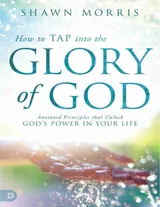
How To Tap Into The Glory Of God

How To Know The Will Of God
About the Book
"How to Resist the Devil" by Oral Roberts provides practical guidance on how to recognize and resist the tactics of the devil in everyday life. The book offers biblical teachings and personal stories to help readers build spiritual strength and overcome temptation and spiritual attacks. Roberts emphasizes the importance of prayer, faith, and staying connected to God in order to resist evil forces.
Warren Wiersbe
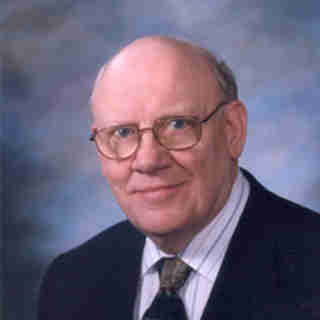 Dr. Warren Wiersbe once described Heaven as “not only a destination, but also a motivation. When you and I are truly motivated by the promise of eternity with God in heaven, it makes a difference in our lives.”
For Wiersbe, the promise of eternity became the motivation for his long ministry as a pastor, author, and radio speaker. Beloved for his biblical insight and practical teaching, he was called “one of the greatest Bible expositors of our generation” by the late Billy Graham.
Warren W. Wiersbe died on May 2, 2019, in Lincoln, Nebraska, just a few weeks shy of his 90th birthday.
“He was a longtime, cherished friend of Moody Bible Institute, a faithful servant of the Word, and a pastor to younger pastors like me,” said Dr. Mark Jobe, president of Moody Bible Institute. “We are lifting up pastor Wiersbe’s family in prayer at this time and rejoicing in the blessed hope that believers share together.”
Wiersbe grew up in East Chicago, Indiana, a town known for its steel mills and hard-working blue-collar families. In his autobiography, he connected some of his earliest childhood memories to Moody Bible Institute; his home church pastor was a 1937 graduate, Dr. William H. Taylor. After volunteering to usher at a 1945 Youth for Christ rally, Wiersbe found himself listening with rapt attention to Billy Graham’s sermon, and responded with a personal prayer of dedication.
In a precocious turn of events, the young Wiersbe was already a published author, having written a book of card tricks for the L. L. Ireland Magic Co. of Chicago. He quickly learned to liven up Sunday school lessons with magic tricks as object lessons (“not the cards!” he would say). After his high school graduation in 1947 (he was valedictorian), he spent a year at Indiana University before transferring to Northern Baptist Seminary in Chicago, where he earned a bachelor of theology degree. His future wife, Betty, worked in the school library, and Wiersbe was a frequent visitor.
While in seminary he became pastor of Central Baptist Church in East Chicago, serving until 1957. During those years he became a popular YFC speaker, which led to a full-time position with Youth for Christ International in Wheaton. He published his first article for Moody Monthly magazine in 1956, about Bible study methods, and seemed to outline his ongoing writing philosophy. “This is more of a personal testimony,” he said, “because I want to share these blessings with you, rather than write some scholarly essay, which I am sure I could not do anyway.”
At a 1957 YFC convention in Winona Lake, Indiana, Wiersbe preached a sermon that was broadcast live over WMBI, his first connection to Moody Radio. “I wish every preacher could have at least six months’ experience as a radio preacher,” he said later (because they would preach shorter).
While working with Youth for Christ, Wiersbe got a call from Pete Gunther at Moody Publishers, asking about possible book projects. First came Byways of Blessing (1961), an adult devotional; then two more books in 1962, A Guidebook for Teens and Teens Triumphant. He would eventually publish 14 titles with Moody, including William Culbertson: A Man of God (1974), Live Like a King (1976), The Annotated Pilgrim’s Progress (1980), and Ministering to the Mourning (2006), written with his son, David Wiersbe.
In 1961, D. B. Eastep invited Wiersbe to join the staff of Calvary Baptist Church in Covington, Kentucky. forming a succession plan that was hastened by Eastep’s sudden death in 1962. Warren and Betty Wiersbe remained at the church for 10 years, until they were surprised by a phone call from The Moody Church. The pastor, Dr. George Sweeting, had just resigned to become president of Moody Bible Institute. Would Wiersbe fill the pulpit, and pray about becoming a candidate?
He was already well known to the Chicago church—and to the MBI community. He continued to write for Moody Monthly and had just started a new column, “Insights for the Pastor.” The monthly feature continued to run during the years Wiersbe served at The Moody Church. Wiersbe would become one of the magazine’s most prolific writers—200 articles during a 40-year span. Meanwhile he also started work on the BE series of exegetical commentaries, books that soon found a place on the shelf of every evangelical pastor.
His ministry to pastors continued as he spoke at Moody Founder’s Week, Pastors’ Conference, and numerous campus events. He also inherited George Sweeting’s role as host of the popular Songs in the Night radio broadcast, produced by Moody Radio’s Bob Neff and distributed on Moody’s growing network of radio stations.
Later in life he would move to Lincoln, Nebraska, where he served as host of the Back to the Bible radio broadcast. He also taught courses on preaching at Trinity Evangelical Divinity School and Grand Rapids Baptist Seminary. He kept writing, eventually publishing more than 150 books and losing track of how many (“I can’t remember them all, and I didn’t save copies of everything,” he said.)
Throughout his ministry, Warren Wiersbe described himself as a bridge builder, a reference to his homiletical method of moving “from the world of the Bible to the world of today so that we could get to the other side of glory in Jesus.” As explained by his grandson, Dan Jacobson, “His preferred tools were words, his blueprints were the Scriptures, and his workspace was a self-assembled library.”
Several of Wiersbe’s extended family are Moody alums, including a son, David Wiersbe ’76; grandson Dan Jacobsen ’09 and his wife, Kristin (Shirk) Jacobsen ’09; and great-nephew Ryan Smith, a current student.
During his long ministry and writing career, Warren Wiersbe covered pretty much every topic, including the inevitability of death. These words from Ministering to the Mourning offer a fitting tribute to his own ministry:
We who are in Christ know that if He returns before our time comes to die, we shall be privileged to follow Him home. God’s people are always encouraged by that blessed hope. Yet we must still live each day soberly, realizing that we are mortal and that death may come to us at any time. We pray, “Teach us to number our days aright, that we may gain a heart of wisdom” (Psalm 90:12).
Dr. Warren Wiersbe once described Heaven as “not only a destination, but also a motivation. When you and I are truly motivated by the promise of eternity with God in heaven, it makes a difference in our lives.”
For Wiersbe, the promise of eternity became the motivation for his long ministry as a pastor, author, and radio speaker. Beloved for his biblical insight and practical teaching, he was called “one of the greatest Bible expositors of our generation” by the late Billy Graham.
Warren W. Wiersbe died on May 2, 2019, in Lincoln, Nebraska, just a few weeks shy of his 90th birthday.
“He was a longtime, cherished friend of Moody Bible Institute, a faithful servant of the Word, and a pastor to younger pastors like me,” said Dr. Mark Jobe, president of Moody Bible Institute. “We are lifting up pastor Wiersbe’s family in prayer at this time and rejoicing in the blessed hope that believers share together.”
Wiersbe grew up in East Chicago, Indiana, a town known for its steel mills and hard-working blue-collar families. In his autobiography, he connected some of his earliest childhood memories to Moody Bible Institute; his home church pastor was a 1937 graduate, Dr. William H. Taylor. After volunteering to usher at a 1945 Youth for Christ rally, Wiersbe found himself listening with rapt attention to Billy Graham’s sermon, and responded with a personal prayer of dedication.
In a precocious turn of events, the young Wiersbe was already a published author, having written a book of card tricks for the L. L. Ireland Magic Co. of Chicago. He quickly learned to liven up Sunday school lessons with magic tricks as object lessons (“not the cards!” he would say). After his high school graduation in 1947 (he was valedictorian), he spent a year at Indiana University before transferring to Northern Baptist Seminary in Chicago, where he earned a bachelor of theology degree. His future wife, Betty, worked in the school library, and Wiersbe was a frequent visitor.
While in seminary he became pastor of Central Baptist Church in East Chicago, serving until 1957. During those years he became a popular YFC speaker, which led to a full-time position with Youth for Christ International in Wheaton. He published his first article for Moody Monthly magazine in 1956, about Bible study methods, and seemed to outline his ongoing writing philosophy. “This is more of a personal testimony,” he said, “because I want to share these blessings with you, rather than write some scholarly essay, which I am sure I could not do anyway.”
At a 1957 YFC convention in Winona Lake, Indiana, Wiersbe preached a sermon that was broadcast live over WMBI, his first connection to Moody Radio. “I wish every preacher could have at least six months’ experience as a radio preacher,” he said later (because they would preach shorter).
While working with Youth for Christ, Wiersbe got a call from Pete Gunther at Moody Publishers, asking about possible book projects. First came Byways of Blessing (1961), an adult devotional; then two more books in 1962, A Guidebook for Teens and Teens Triumphant. He would eventually publish 14 titles with Moody, including William Culbertson: A Man of God (1974), Live Like a King (1976), The Annotated Pilgrim’s Progress (1980), and Ministering to the Mourning (2006), written with his son, David Wiersbe.
In 1961, D. B. Eastep invited Wiersbe to join the staff of Calvary Baptist Church in Covington, Kentucky. forming a succession plan that was hastened by Eastep’s sudden death in 1962. Warren and Betty Wiersbe remained at the church for 10 years, until they were surprised by a phone call from The Moody Church. The pastor, Dr. George Sweeting, had just resigned to become president of Moody Bible Institute. Would Wiersbe fill the pulpit, and pray about becoming a candidate?
He was already well known to the Chicago church—and to the MBI community. He continued to write for Moody Monthly and had just started a new column, “Insights for the Pastor.” The monthly feature continued to run during the years Wiersbe served at The Moody Church. Wiersbe would become one of the magazine’s most prolific writers—200 articles during a 40-year span. Meanwhile he also started work on the BE series of exegetical commentaries, books that soon found a place on the shelf of every evangelical pastor.
His ministry to pastors continued as he spoke at Moody Founder’s Week, Pastors’ Conference, and numerous campus events. He also inherited George Sweeting’s role as host of the popular Songs in the Night radio broadcast, produced by Moody Radio’s Bob Neff and distributed on Moody’s growing network of radio stations.
Later in life he would move to Lincoln, Nebraska, where he served as host of the Back to the Bible radio broadcast. He also taught courses on preaching at Trinity Evangelical Divinity School and Grand Rapids Baptist Seminary. He kept writing, eventually publishing more than 150 books and losing track of how many (“I can’t remember them all, and I didn’t save copies of everything,” he said.)
Throughout his ministry, Warren Wiersbe described himself as a bridge builder, a reference to his homiletical method of moving “from the world of the Bible to the world of today so that we could get to the other side of glory in Jesus.” As explained by his grandson, Dan Jacobson, “His preferred tools were words, his blueprints were the Scriptures, and his workspace was a self-assembled library.”
Several of Wiersbe’s extended family are Moody alums, including a son, David Wiersbe ’76; grandson Dan Jacobsen ’09 and his wife, Kristin (Shirk) Jacobsen ’09; and great-nephew Ryan Smith, a current student.
During his long ministry and writing career, Warren Wiersbe covered pretty much every topic, including the inevitability of death. These words from Ministering to the Mourning offer a fitting tribute to his own ministry:
We who are in Christ know that if He returns before our time comes to die, we shall be privileged to follow Him home. God’s people are always encouraged by that blessed hope. Yet we must still live each day soberly, realizing that we are mortal and that death may come to us at any time. We pray, “Teach us to number our days aright, that we may gain a heart of wisdom” (Psalm 90:12).
Walk the War Before You - What It Means to Live by the Spirit
Walk by the Spirit, and you will not gratify the desires of the flesh. For the desires of the flesh are against the Spirit, and the desires of the Spirit are against the flesh, for these are opposed to each other, to keep you from doing the things you want to do. –Galatians 5:16–17 In seminary, this passage reshaped my vision of the Christian life. At one level, the passage is simple. It contains an exhortation (“walk by the Spirit”), a promise (“and you will not gratify the desires of the flesh”), and an explanation or rationale (the conflict described in verse 17). But as we meditate on this passage, we discover that it also offers a threefold vision for the Christian life as a whole. Acknowledge the War Within First, Paul insists that the starting point for the Christian life is recognizing the war between the flesh and the Spirit. I say “starting point” because of the logic of verses 16 and 17. In seminary, I was taught that one way to clarify the logic of a passage like this is to read the verses in reverse order while keeping the logical relationship intact. In other words, turn an “A, because B” argument into a “B, therefore A” argument. “I eat, because I am hungry” becomes “I am hungry, therefore I eat.” When we do that, the passage looks like this: (Verse 17) The desires of the flesh are against the Spirit, and the desires of the Spirit are against the flesh, for these are opposed to each other, to keep you from doing the things you want to do. (Verse 16) Therefore (that’s the logical connection) walk by the Spirit, and you will certainly not gratify the desires of the flesh. As Christians, we wake up every day in the midst of a war. Fleshly desires pull us in one direction; the desires of the Spirit pull us in the other. The status quo is a frustrated stalemate in which we are kept from doing what we want to do. Spiritual desires frustrate fleshly desires, and fleshly desires frustrate spiritual desires. Starting with this recognition means we can be realistic about the difficulty of the war. The frustration we feel in the face of the passions of the flesh is real, and Paul encourages us to be honest about it. That’s where we begin as Christians. Staggering Promise of Not But according to Paul, we don’t have to stay there, because, second, we have a new destination. We don’t have to surrender. We can live a life in which we absolutely don’t gratify the desires of the flesh. This is a staggering promise. The “not” in verse 16 is intensified in the original Greek; it’s what’s called an emphatic negation. Paul essentially says, “If you walk by the Spirit, you will absolutely and certainly not gratify the desires of the flesh.” Now, it’s important to be clear about what Paul is and isn’t promising. He’s not saying that our fleshly desires disappear altogether. Instead, he promises that we will not gratify or complete those desires. In other words, the desires may still be present and still at war with our spiritual desires, but now, as we walk by the Spirit, we won’t indulge them. The basic idea is that all desires have a direction, a destination, a trajectory. They incline us towards some perceived good, some object that we believe will satisfy. In short, desires want to take us somewhere. Where Do Desires Lead? In Galatians 5, the desires of the flesh lead to the works of the flesh: “sexual immorality, impurity, sensuality, idolatry, sorcery, enmity, strife, jealousy, fits of anger, rivalries, dissensions, divisions, envy, drunkenness, orgies, and things like these.” Paul is clear that those who practice such things — by habitually gratifying those desires — will not inherit God’s kingdom. On the other hand, the desires of the Spirit lead to the fruit of the Spirit: “love, joy, peace, patience, kindness, goodness, faithfulness, gentleness, self-control.” So again, desires, whether of the Spirit or the flesh, have a destination, and when that destination is reached, the desire has been gratified. The itch has been scratched. Notice, however, the critical assumption Paul makes: the presence of the fleshly desire doesn’t mean that we have to indulge it. It’s possible to resist where our desires want to take us. For Paul, walking by the Spirit doesn’t remove all fleshly tendencies and inclinations in this life. Instead, it interrupts them. It redirects them and reorders them so that they no longer dishonor God or harm people. It’s important to be clear on this point so that we don’t erect impossible and unrealistic expectations for the Christian life. In this life, the desires may still rise up, but according to Paul, they don’t have to master us. They don’t have to rule us. We don’t have to gratify or indulge them. We don’t have to scratch. We can be free. But only if we walk by the Spirit. Essential Bridge Walking by the Spirit is the third element in this vision of the Christian life, and the bridge between our present struggle and the future victory. It’s the path that gets us from frustration to freedom. Which means that the pressing question for us is this: What exactly does it mean to “walk by the Spirit”? The image is clear enough. Walking is a form of movement. It’s neither standing still nor running. It’s steady movement, in a particular direction, under a particular power (in this case, the Spirit). Galatians 5:24–25 sheds further light on the image: And those who belong to Christ Jesus have crucified the flesh with its passions and desires. If we live by the Spirit, let us also keep in step with the Spirit. “Walk by the Spirit” corresponds to “keep in step with the Spirit.” It’s as though the Spirit sets the pace and we keep up. There’s a rhythm to our walking. Like a drummer, the Spirit lays down the beat, and we march along. This basic idea appears in various forms throughout Paul’s letters: Walk rightly with the truth of the gospel (Galatians 2:13). Walk by the Spirit (Galatians 5:16). Be led by the Spirit (Galatians 5:18). Keep in step with the Spirit (Galatians 5:26). Walk in a manner worthy of the calling to which you have been called (Ephesians 4:1). Walk in a manner worthy of the Lord (Colossians 1:10). “Walking by the Spirit is the bridge between our present struggle and the future victory.” Other phrases that appear throughout the New Testament include walking in love, walking in the light, walking as children of the light, walking according to Paul’s example, and walking in the truth. In all of these examples, the idea is the same: there is a conduct, a “walking,” that accords with the gospel, the Spirit, and the truth. There is a way of life that fits the gospel. Before We Can Walk Walking by the Spirit flows from something more fundamental, though, and this is crucial. Before we can keep in step with the Spirit, we must first “live by the Spirit.” That is, we must possess life by the Spirit. The life in question is resurrection life. We possess it because we belong to Jesus and have crucified the flesh with its passions and desires. It’s what Paul elsewhere describes as “being made alive with Christ” (Ephesians 2:4). This is conversion, when God raises us from spiritual death by grace through faith in Christ. He elaborates on this reality in the great gospel passage of Galatians 2:19–20: I have been crucified with Christ. It is no longer I who live, but Christ who lives in me. And the life I now live in the flesh I live by faith in the Son of God, who loved me and gave himself for me. “The Spirit is the animating power in our lives, shaping our daily decisions as we wake up in spiritual war.” Crucified with Christ so that the flesh has been killed. Raised with Christ so that he lives on our behalf and we possess life by his Spirit. This is the good news which so transformed Paul and is able to transform us. So, then, walking by the Spirit refers to our daily conduct, rooted in our union with Christ in his death and resurrection and empowered by the Spirit who redirects our desires to godly fruitfulness. The Spirit is the animating power in our lives, shaping our daily decisions as we wake up in the midst of the spiritual war. Paul’s call is for us to daily take up arms in the battle, to encourage and gratify our spiritual desires, and to keep in step with the Spirit because we belong to Jesus. Article by Joe Rigney Teacher, desiringGod.org