

Others like financial breakthrough Features >>








About the Book
"Financial Breakthrough" by John Avanzini is a practical guide to achieving financial freedom through biblical principles and practical steps. The book emphasizes the importance of faith, stewardship, and generosity in building wealth and achieving financial success. Avanzini provides actionable advice and strategies for managing money, budgeting wisely, and investing strategically to overcome financial challenges and achieve prosperity.
William and Catherine Booth
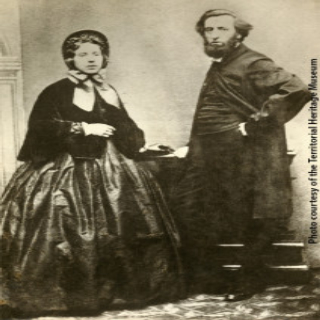 William Booth
The Salvation Army founder, William Booth was born in Nottingham, England, on 10 April 1829.
Salvation Army founder General William BoothFrom his earliest years, William was no stranger to poverty. He was just 14 when his father died and was already working as a pawnbroker’s apprentice to supplement the family’s income.
As a pawnbroker, William saw poverty and suffering on a daily basis. By the time he finished his six-year apprenticeship, he had developed a deep hatred of it.
William, a fiery and impulsive teenager, became a Christian at 15 and began attending the local Wesleyan Chapel. There, he developed the passion that would be the driving force in his life; to reach the down and out of Britain's cities through the Gospel of Christ.
William, a talented preacher from a young age, went on to work as a travelling evangelist with the Methodist church. But it was through preaching in the streets of London's slums that he discovered his life's purpose and The Salvation Army was born.
Catherine Booth
The Salvation Army "mother", Catherine Mumford was born in Ashbourne, Derbyshire, on 17 January 1829.
The Salvation Army founder and Army mother Catherine BoothFrom an early age, she was a serious and sensitive girl with a strong Christian upbringing. By the age of 12, it's said that she had read the Bible through eight times.
At 14, Catherine became ill and spent a great deal of time in bed. She kept herself busy, especially concerned about the problems of alcohol. She wrote articles for a magazine, encouraging people not to drink.
But at 16, she came wholly into her faith. Reading the words, 'My God I am Thine, what a comfort Divine' in her hymn book, she realised the truth of them for herself.
A gentle woman with powerful appeal, Catherine would go on to co-found The Salvation Army and prove an inspiration to women in a harsh time.
Life together
Catherine and William met when he came to preach at her church. They soon fell in love and became engaged. During their three-year engagement, William continued his work as a travelling evangelist. Catherine was a constant support to William, writing him letters of encouragement on his travels.
They married on 16 June 1855.
Together, William and Catherine embarked on a lifelong journey to answer the call of God to bring the Gospel to the people. While William was a natural speaker, Catherine was a quiet woman and not at all accustomed to speaking at gatherings. It took time for her to find her voice, but she was driven by a conviction that woman had the same rights as men to speak. She grew into a courageous speaker, known for her gentle manner but powerful appeal, counselling alcoholics in their homes and holding cottage meetings for new faithfuls.
They were also parents to a growing family of eight children, who were brought up with a firm Christian education and a great love for their God’s mission. Two of their children, Bramwell and Evangeline would go on to be Generals of The Salvation Army.
In 1865, William, by now an independent evangelist, along with Catherine founded The Christian Mission. William preached to the poor while Catherine spoke to the wealthy to gain support for their financially demanding work. In time, she began to hold her own fundraising campaigns.
It was not until 1878 that The Christian Mission became known as The Salvation Army. Modelled after the military with William and his fellow ministers a part of God’s Army, seeking salvation for the masses. William was appointed the first General and his ministers became “officers”.
Catherine became known as “The Army Mother” and remained a strong voice on The Salvation Army’s ideas on social issues and matters of belief.
With its strong focus on the downtrodden and dispossessed, The Salvation Army began to grow beyond Britain’s borders. In William’s lifetime, the Army would be established in 58 countries and colonies. Its mission was and is still guided by William’s book “In Darkest England and the Way Out”, which maps out a revoluntionary approach to social engagement never before undertaken by a church.
Both Catherine and William worked tirelessly to bring the Gospel to all, establishing a movement in the form of The Salvation Army. But, on 4th October 1890, Catherine lost her ongoing battle with ill health. Her son, Bramwell, described her passing as “a warrior laid down her sword to receive her crown”.
William continued on for many years, traveling all over the world to oversee his growing Army. On 20th August 1912, William Booth was, in Salvation Army terms, promoted to glory.
Though passed, both William and Catherine continue to be guiding influences in The Salvation Army and stand as the mightiest examples of how God uses the ordinary to create the extraordinary.
William Booth
The Salvation Army founder, William Booth was born in Nottingham, England, on 10 April 1829.
Salvation Army founder General William BoothFrom his earliest years, William was no stranger to poverty. He was just 14 when his father died and was already working as a pawnbroker’s apprentice to supplement the family’s income.
As a pawnbroker, William saw poverty and suffering on a daily basis. By the time he finished his six-year apprenticeship, he had developed a deep hatred of it.
William, a fiery and impulsive teenager, became a Christian at 15 and began attending the local Wesleyan Chapel. There, he developed the passion that would be the driving force in his life; to reach the down and out of Britain's cities through the Gospel of Christ.
William, a talented preacher from a young age, went on to work as a travelling evangelist with the Methodist church. But it was through preaching in the streets of London's slums that he discovered his life's purpose and The Salvation Army was born.
Catherine Booth
The Salvation Army "mother", Catherine Mumford was born in Ashbourne, Derbyshire, on 17 January 1829.
The Salvation Army founder and Army mother Catherine BoothFrom an early age, she was a serious and sensitive girl with a strong Christian upbringing. By the age of 12, it's said that she had read the Bible through eight times.
At 14, Catherine became ill and spent a great deal of time in bed. She kept herself busy, especially concerned about the problems of alcohol. She wrote articles for a magazine, encouraging people not to drink.
But at 16, she came wholly into her faith. Reading the words, 'My God I am Thine, what a comfort Divine' in her hymn book, she realised the truth of them for herself.
A gentle woman with powerful appeal, Catherine would go on to co-found The Salvation Army and prove an inspiration to women in a harsh time.
Life together
Catherine and William met when he came to preach at her church. They soon fell in love and became engaged. During their three-year engagement, William continued his work as a travelling evangelist. Catherine was a constant support to William, writing him letters of encouragement on his travels.
They married on 16 June 1855.
Together, William and Catherine embarked on a lifelong journey to answer the call of God to bring the Gospel to the people. While William was a natural speaker, Catherine was a quiet woman and not at all accustomed to speaking at gatherings. It took time for her to find her voice, but she was driven by a conviction that woman had the same rights as men to speak. She grew into a courageous speaker, known for her gentle manner but powerful appeal, counselling alcoholics in their homes and holding cottage meetings for new faithfuls.
They were also parents to a growing family of eight children, who were brought up with a firm Christian education and a great love for their God’s mission. Two of their children, Bramwell and Evangeline would go on to be Generals of The Salvation Army.
In 1865, William, by now an independent evangelist, along with Catherine founded The Christian Mission. William preached to the poor while Catherine spoke to the wealthy to gain support for their financially demanding work. In time, she began to hold her own fundraising campaigns.
It was not until 1878 that The Christian Mission became known as The Salvation Army. Modelled after the military with William and his fellow ministers a part of God’s Army, seeking salvation for the masses. William was appointed the first General and his ministers became “officers”.
Catherine became known as “The Army Mother” and remained a strong voice on The Salvation Army’s ideas on social issues and matters of belief.
With its strong focus on the downtrodden and dispossessed, The Salvation Army began to grow beyond Britain’s borders. In William’s lifetime, the Army would be established in 58 countries and colonies. Its mission was and is still guided by William’s book “In Darkest England and the Way Out”, which maps out a revoluntionary approach to social engagement never before undertaken by a church.
Both Catherine and William worked tirelessly to bring the Gospel to all, establishing a movement in the form of The Salvation Army. But, on 4th October 1890, Catherine lost her ongoing battle with ill health. Her son, Bramwell, described her passing as “a warrior laid down her sword to receive her crown”.
William continued on for many years, traveling all over the world to oversee his growing Army. On 20th August 1912, William Booth was, in Salvation Army terms, promoted to glory.
Though passed, both William and Catherine continue to be guiding influences in The Salvation Army and stand as the mightiest examples of how God uses the ordinary to create the extraordinary.
What Dead Abel Speaks to Us
The story of Cain and Abel in Genesis 4 tells much more about Cain than Abel. In fact, not one word is recorded from living Abel. But the author of Hebrews says that, “through [Abel’s] faith, though he died, he still speaks” (Hebrews 11:4). So what is dead Abel speaking to us? It was dusk. Cain was working late. Not wanting to face his parents, he was trying to disguise his guilt-infused fear with a preoccupation with his crops. Then suddenly the unmistakable voice of the Lᴏʀᴅ sent a shock through his core: “Where is Abel, your brother?” Cain had grown to loathe Abel. It had been building for years. No matter what, Abel always seemed to turn a situation to his advantage. Was there a conflict? Abel the Humble loved to be the first to reconcile. Did anyone need help? Abel the Servant loved to be the first to offer it. Was there an injury? Abel the Compassionate loved to be the first to comfort. Even when Cain showed greater endurance and ingenuity in his work, Abel could rob him of any satisfaction with a virtuoso performance of self-effacing virtue. What Cain found most maddening was Abel the Pious, flaunting his tender conscience and precious devotion to God for the admiration of all. Cain could barely stomach how father and mother gushed over that. With every perceived humiliation, Cain caressed the secret suspicion that Abel only used goodness to show himself superior to Cain. But that morning Cain had suffered a crushing blow. The Lᴏʀᴅ had required each brother to present an offering, the first fruits of their labors. Cain saw in this an opportunity. This time Abel would not upstage him. Cain would prove that he too could excel in devotion. So he made sure that his offering lavishly exceeded the required amount of his best produce. But when the Lᴏʀᴅ reviewed Cain’s extravagant offering, he rejected it. Cain was stunned. Then, injury to insult, the Lᴏʀᴅ accepted Abel’s comparatively simple lamb offering. Humiliated by Abel again! But this time before God! Cain was beside himself. Hatred metastasized into horror. Abel had outshined him for the last time. By late afternoon Abel’s lifeless body lay in a remote field, abandoned in the hope that a beast’s hunger would conceal the fratricide. But the Lᴏʀᴅ’s question left Cain naked and exposed (Hebrews 4:13). He lied with the anger of cornered guilt: “I do not know; am I my brother’s keeper?” What it was, in fact, that he did not know was that his silenced brother had not been quiet. The Lᴏʀᴅ replied, “What have you done? The voice of your brother’s blood is crying to me from the ground” (Genesis 4:9–10). Yes, the blood of dead Abel cried out to God for justice (Genesis 4:10; Hebrews 12:24). But the faith of dead Abel “still speaks” (Hebrews 11:4). So what is he saying to us through his faith? “Without faith it is impossible to please God” One thing we hear is that God only accepts faith-fueled offerings. It’s significant that God doesn’t provide details about either Cain’s or Abel’s offerings, the first ever recorded in the Bible. In the story, I imagined Cain trying to win God’s approval with an impressive looking offering. But it could just have easily been a stingy offering or an exactingly precise offering. The point is that right from the beginning God draws our attention away from what fallen humans think is important, namely how our works can make us look impressive, to what God thinks is important, namely how our works reveal who we trust. All of Scripture teaches us that “the righteous shall live by his faith” (Habakkuk 2:4) because “without faith it is impossible to please” God (Hebrews 11:6). Abel was “commended as righteous” by God because he presented his offering in faith (Hebrews 11:4). Cain’s offering was “evil” (1 John 3:12) because without humble trust in God, even our offerings (hear: any work we do for God) are evil to God — no matter if they appear to everyone else as obedient or impressive. “You will be hated by all for my name’s sake” A second thing we hear from Abel is that the world will hate you if you live by faith in Jesus (who the New Testament reveals is YHWH, the Lᴏʀᴅ in Philippians 2:11). The Apostle John makes this clear: “We should not be like Cain, who was of the evil one and murdered his brother. And why did he murder him? Because his own deeds were evil and his brother’s righteous. Do not be surprised, brothers, that the world hates you” (1 John 3:12–13). Abel was the first to discover that “all who desire to live a godly life in Christ Jesus will be persecuted” (2 Timothy 3:12). To “let [our] light shine before others, so that they may see [our] good works” (Matthew 5:16) will at times expose others’ wickedness and arouse their hatred (John 3:20). Jesus himself said, “you will be hated by all for my name's sake,” “some of you they will put to death” — some even at the hands of “parents and brothers and relatives and friends (Luke 21:16–17). Righteous faith arouses evil hatred. A better word than Abel’s blood In the story, though we’d rather see ourselves as Abel, we are all Cain. We were at one time cursed, “hostile to God” and alienated from him (Romans 8:7; Ephesians 4:18). Abel, the first martyr of faith, is a foreshadowing of our Lord Jesus, whose “blood… speaks a better word than the blood of Abel” (Hebrews 12:24). For though Abel’s innocent blood cried out for justice against sin, Jesus’s innocent blood cried out for mercy for sinners. Abel’s blood exposed Cain in his wretchedness. Jesus’s blood covers our wretchedness and cleanses us from all sin (Romans 7:24; 1 John 1:9). So now as we seek to present our bodies as living sacrifices to God, let us remember that the only thing that makes this acceptable to God, the only thing that makes it a spiritual service of worship, is our childlike faith in Jesus (Romans 12:1; 3:26). And let us soberly remember that the only reward this is likely to earn us from the world is its hatred. Article by Jon Bloom