







About the Book
"Exploits of Faith" by David Oyedepo is a book that outlines key principles for experiencing supernatural victories through faith in God. The author explores how faith can be a powerful tool for overcoming challenges and achieving success in all areas of life. The book offers practical insights and examples of individuals who have achieved remarkable exploits through their unwavering faith.
Steven Curtis Chapman
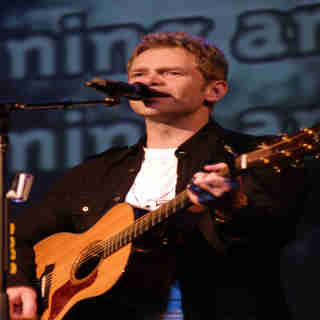 Steven Curtis Chapman is an American Christian musician, singer, song writer, record producer, actor, author and social activist. He is the only artist in the history of music to have won 56 Gospel Music Association Dove Awards and is also a proud receiver of 5 Grammy Awards. His music is known for being a unique cross between country music, soft rock and orchestrated pop, which made him a prominent artist in the contemporary Christian music circuit of the 1980s. Chapman grew up in a humble environment where he found his calling for music, owing to his father’s inclination towards country music. He learnt to play instruments like guitar and piano just by hanging around in his father’s music store, listening to him play along with his friends. He took up music seriously when he moved to Nashville and got recognized by Sparrow Records, a company he stayed with for a long period in his career. He has released 19 studio albums and has sold over 10 million albums until now. Chapman is a family oriented person just like his father and has a big family comprising of his wife Mary Beth and 3 biological and 2 adopted children. He is a vocal advocate for adoption and has worked socially to eradicate the problem of youth violence.
Childhood & Early Life
Steven Curtis Chapman was born on November 21, 1962 in Paducah, Kentucky, to Herb and Judy Chapman. His father was a country singer and songwriter, who turned down opportunities to become a successful singer to concentrate on his family. His mother was a stay-at-home mom.
His father owned a music store, a business he managed from his basement and used to play music with his friends. Such creative environment at home influenced Chapman’s life from very early on and he bought his first guitar at 6.
Chapman joined as a pre-med student at Georgetown College in Kentucky but after few semesters he moved to Anderson College, Indiana. But he ultimately dropped the idea of studying and went to Nashville to pursue his first love, music.
During 1980s, he wrote a song ‘Built to Last’, which gained huge popularity after getting recorded by a gospel group ‘The Imperials’. The success of the song fetched Chapman a songwriting deal with Sparrow Records.
Career
Chapman’s first official album ‘First Hand’ was released in 1987. The album was an instant hit with singles like ‘Weak Days’ and topped at number 2 on the Contemporary Christian Music chart. The album had a mix of country music with soft rock and pop.
In 1988, following the success of his first album, Chapman released ‘Real Life Conversations’. Its hit single ‘His Eyes’ received the ‘Contemporary Recorded Song of the Year’ award from the ‘Gospel Music Association’. He co-wrote it with James Isaac Elliot.
After a few years, he made a swift turn to mainstream music with his album ‘The Great Adventure’ in 1992. It earned him two Grammy awards for the album and for the title song of the album.
After gaining consistent success with albums like ‘Heaven in the Real World (1994), ‘Signs of Life (1996) and ‘Speechless (1999), Chapman’s next great album ‘Declaration’ came out in 2001, for which he toured 70 cities.
In 2003, ‘All About Love’ was released and it ranked at Top 15 on the Christian Music charts. It was released under Sparrow Records and Chapman very humbly credited his wife Mary Beth for being the inspiration for his album.
‘All Things New’ was released in 2004 and the album added another Grammy to Chapman’s proud award collection. This time he received it in the category of Best Pop/Contemporary Gospel Album. It was also nominated for the Dove Award.
In 2005, ‘All I Really Want for Christmas’ was released, which was Chapman’s another successful Christmas album after ‘The Music of Christmas’. It had traditional holiday tunes and favorites like ‘Go Tell It on the Mountain’ and Silver Bells’.
Chapman took his music to greater levels by taking his concert to South Korea for the U.S. troops who were serving there in 2006. It was the first Christian concert that ever performed for the American army in that country.
In 2007, he released ‘This Moment’ which included hit singles like ‘Cinderella’, for which he was chosen for WOW Hits 2009. He also went on his ‘Winter Jam’ tour and took his sons’, Caleb and Will’s band along.
‘Beauty Will Rise’, Chapman’s seventeenth album, was released in 2009. It is said that he wrote the songs of the album after getting inspired by his daughter Maria Sue’s sad and untimely demise. It included songs like ‘Meant to Be’ and ‘Re:creation’.
In 2012, Chapman finally parted ways with Sparrow Records, the record company that he remained loyal to for so many years. He was signed on by Sony’s Provident Label Group and came out with a Christmas album called ‘JOY’.
‘The Glorious Unfolding’ was released in 2013 under Reunion Records and it peaked on number 27 on the Billboard 200 and was number 1 Top Christian Album. The album was produced by Chapman himself and Brent Milligan.
Major Works
Chapman’s ‘The Great Adventure’ in 1992 was a turning point in his musical career because until now he was making soft and contemporary country music but with ‘The Great Adventure’ he targeted the mainstream audience and tasted huge commercial success for the first time.
Awards & Achievements
Chapman is the winner of five Grammy awards for albums like ‘For the Sake of the Call’ ‘The Great Adventure’ ‘The Live Adventure’, ‘Speechless’ and ‘All Things New’. He has also received 56 Gospel Music Association Dove Awards, more than any other artist.
Personal Life & Legacy
Chapman got married to Mary Beth in 1984 after they first met at Anderson University in Indiana. They have three biological children: Emily, Caleb and Will and three adopted children: Shaohannah, Stevey and Maria, together.
In 2008, Chapman’s youngest son Will ran over his car by accident on his adopted daughter Maria Sue Chunxi Chapman. She was running towards him to meet him but he did not see her and she was pronounced dead on arrival at the hospital.
Trivia
Chapman’s wife Mary Beth Chapman has written and released a book about losing her youngest daughter called ‘Choosing to SEE: A Journey of Struggle and Hope’.
Chapman and his wife have written three children's books with adoption themes: ‘Shaoey And Dot: Bug Meets Bundle’ (2004), ‘Shaoey and Dot: The Christmas Miracle’ (2005), and ‘Shaoey and Dot: A Thunder and Lightning Bug Story’ (2006).
He has received an Honorary Doctorate of Music from Anderson University.
Steven Curtis Chapman is an American Christian musician, singer, song writer, record producer, actor, author and social activist. He is the only artist in the history of music to have won 56 Gospel Music Association Dove Awards and is also a proud receiver of 5 Grammy Awards. His music is known for being a unique cross between country music, soft rock and orchestrated pop, which made him a prominent artist in the contemporary Christian music circuit of the 1980s. Chapman grew up in a humble environment where he found his calling for music, owing to his father’s inclination towards country music. He learnt to play instruments like guitar and piano just by hanging around in his father’s music store, listening to him play along with his friends. He took up music seriously when he moved to Nashville and got recognized by Sparrow Records, a company he stayed with for a long period in his career. He has released 19 studio albums and has sold over 10 million albums until now. Chapman is a family oriented person just like his father and has a big family comprising of his wife Mary Beth and 3 biological and 2 adopted children. He is a vocal advocate for adoption and has worked socially to eradicate the problem of youth violence.
Childhood & Early Life
Steven Curtis Chapman was born on November 21, 1962 in Paducah, Kentucky, to Herb and Judy Chapman. His father was a country singer and songwriter, who turned down opportunities to become a successful singer to concentrate on his family. His mother was a stay-at-home mom.
His father owned a music store, a business he managed from his basement and used to play music with his friends. Such creative environment at home influenced Chapman’s life from very early on and he bought his first guitar at 6.
Chapman joined as a pre-med student at Georgetown College in Kentucky but after few semesters he moved to Anderson College, Indiana. But he ultimately dropped the idea of studying and went to Nashville to pursue his first love, music.
During 1980s, he wrote a song ‘Built to Last’, which gained huge popularity after getting recorded by a gospel group ‘The Imperials’. The success of the song fetched Chapman a songwriting deal with Sparrow Records.
Career
Chapman’s first official album ‘First Hand’ was released in 1987. The album was an instant hit with singles like ‘Weak Days’ and topped at number 2 on the Contemporary Christian Music chart. The album had a mix of country music with soft rock and pop.
In 1988, following the success of his first album, Chapman released ‘Real Life Conversations’. Its hit single ‘His Eyes’ received the ‘Contemporary Recorded Song of the Year’ award from the ‘Gospel Music Association’. He co-wrote it with James Isaac Elliot.
After a few years, he made a swift turn to mainstream music with his album ‘The Great Adventure’ in 1992. It earned him two Grammy awards for the album and for the title song of the album.
After gaining consistent success with albums like ‘Heaven in the Real World (1994), ‘Signs of Life (1996) and ‘Speechless (1999), Chapman’s next great album ‘Declaration’ came out in 2001, for which he toured 70 cities.
In 2003, ‘All About Love’ was released and it ranked at Top 15 on the Christian Music charts. It was released under Sparrow Records and Chapman very humbly credited his wife Mary Beth for being the inspiration for his album.
‘All Things New’ was released in 2004 and the album added another Grammy to Chapman’s proud award collection. This time he received it in the category of Best Pop/Contemporary Gospel Album. It was also nominated for the Dove Award.
In 2005, ‘All I Really Want for Christmas’ was released, which was Chapman’s another successful Christmas album after ‘The Music of Christmas’. It had traditional holiday tunes and favorites like ‘Go Tell It on the Mountain’ and Silver Bells’.
Chapman took his music to greater levels by taking his concert to South Korea for the U.S. troops who were serving there in 2006. It was the first Christian concert that ever performed for the American army in that country.
In 2007, he released ‘This Moment’ which included hit singles like ‘Cinderella’, for which he was chosen for WOW Hits 2009. He also went on his ‘Winter Jam’ tour and took his sons’, Caleb and Will’s band along.
‘Beauty Will Rise’, Chapman’s seventeenth album, was released in 2009. It is said that he wrote the songs of the album after getting inspired by his daughter Maria Sue’s sad and untimely demise. It included songs like ‘Meant to Be’ and ‘Re:creation’.
In 2012, Chapman finally parted ways with Sparrow Records, the record company that he remained loyal to for so many years. He was signed on by Sony’s Provident Label Group and came out with a Christmas album called ‘JOY’.
‘The Glorious Unfolding’ was released in 2013 under Reunion Records and it peaked on number 27 on the Billboard 200 and was number 1 Top Christian Album. The album was produced by Chapman himself and Brent Milligan.
Major Works
Chapman’s ‘The Great Adventure’ in 1992 was a turning point in his musical career because until now he was making soft and contemporary country music but with ‘The Great Adventure’ he targeted the mainstream audience and tasted huge commercial success for the first time.
Awards & Achievements
Chapman is the winner of five Grammy awards for albums like ‘For the Sake of the Call’ ‘The Great Adventure’ ‘The Live Adventure’, ‘Speechless’ and ‘All Things New’. He has also received 56 Gospel Music Association Dove Awards, more than any other artist.
Personal Life & Legacy
Chapman got married to Mary Beth in 1984 after they first met at Anderson University in Indiana. They have three biological children: Emily, Caleb and Will and three adopted children: Shaohannah, Stevey and Maria, together.
In 2008, Chapman’s youngest son Will ran over his car by accident on his adopted daughter Maria Sue Chunxi Chapman. She was running towards him to meet him but he did not see her and she was pronounced dead on arrival at the hospital.
Trivia
Chapman’s wife Mary Beth Chapman has written and released a book about losing her youngest daughter called ‘Choosing to SEE: A Journey of Struggle and Hope’.
Chapman and his wife have written three children's books with adoption themes: ‘Shaoey And Dot: Bug Meets Bundle’ (2004), ‘Shaoey and Dot: The Christmas Miracle’ (2005), and ‘Shaoey and Dot: A Thunder and Lightning Bug Story’ (2006).
He has received an Honorary Doctorate of Music from Anderson University.
God, Make Us Bold About Jesus
It’s been said that the content of a prayer shapes the one who prays it, because we tend to pray what we love, and what we love makes us who we are. And this is not only true of individuals, but of churches too. Like when the early church once prayed, Now, Lord, look upon their threats and grant to your servants to continue to speak your word with all boldness, while you stretch out your hand to heal, and signs and wonders are performed through the name of your holy servant Jesus. (Acts 4:29–30) Of all the things they might have prayed — and of all things churches should pray at various times — the fledging church in the early pages of Acts wanted God to give them boldness: “Grant to your servants to continue to speak your word with all boldness.” We as twenty-first-century pastors and churches can learn from this first-century prayer, but to do so, we need to first go back one chapter. Words Filled with Jesus The apostles Peter and John were walking to the temple one afternoon when they encountered a lame man. He had been lame from birth. The man was doing what he was always doing: asking for money from people passing by. But on this particular day, something unexpected happened. The man passing by responded, “I have no silver and gold, but what I do have I give to you. In the name of Jesus Christ of Nazareth, rise up and walk!” (Acts 3:6). In an instant, the man was healed. He leapt up and began to walk. He entered the temple “walking, leaping, and praising God” (Acts 3:8). The scene drew a crowd, so Peter did what Peter was always doing. He preached. His sermon was full of crystal-clear witness to the person and purpose of Jesus. He is the Holy and Righteous One (verse 14), the Author of Life and the one whom God has raised from the dead (verse 15). Jesus is the reason, the only reason, why the lame man was healed (verse 17). Then Peter proceeds to show that the Hebrew Scriptures had long foretold Jesus, from Moses in Deuteronomy and God’s promise to Abraham in Genesis, to all the prophets “from Samuel and those who came after him” (Acts 3:24). It has always been about Jesus, and people’s response, now, must unequivocally be to repent (Acts 3:19, 26). New World Breaking In These Jewish leaders were “greatly annoyed because [Peter and John] were teaching the people and proclaiming in Jesus the resurrection from the dead” (Acts 4:2). The problem wasn’t only that Peter and John were witnessing to Jesus’s own resurrection, but that they were saying Jesus’s resurrection has led to the inbreaking of the resurrection age. As Alan Thompson writes, “In the context of Acts 3–4, Jesus’s resurrection anticipates the general resurrection at the end of the age and makes available now, for all those who place their faith in him, the blessings of the ‘last days’” (The Acts of the Risen Lord Jesus, 79). That, in fact, was what the healing of the lame man was declaring. The new creation had invaded the old. “Jesus is the climax of all of God’s saving purposes, and we cannot ignore this without eternal consequences.” In the resurrection of Jesus, everything has changed. He is the climax of all of God’s saving purposes, and we cannot ignore this without eternal consequences. This message ruffled the feathers of the Jewish leaders, and so they arrested Peter and John and put them on trial for all that happened that day. “By what power or by what name did you do this?” they demanded (Acts 4:7). Peter, filled with the Holy Spirit, and again with a crystal-clear witness, says the lame man was healed because of Jesus. Jesus is the Messiah who was crucified and raised, and who was foretold in the Hebrew Scriptures. Specifically, Peter says that Jesus is the stone mentioned in Psalm 118:22, the stone that would be rejected by the builders but then become the cornerstone. The stakes could not be higher. Only in Jesus could one be saved (Acts 4:12). Outdone by Fishermen The Jewish leaders were astonished. They could not reconcile Peter and John’s boldness with the fact that they were “uneducated, common men” (Acts 4:13). These were neither teachers nor even pupils, but fishermen. Fishermen. That agitated the Jewish leaders all the more. These unskilled regular Joes, as it were, had been teaching the people! And now they ventured to interpret the Hebrew Scriptures before these skilled Jewish interpreters, telling them who Jesus was, according to the Scriptures, and who they were, according to the Scriptures. These Jewish leaders saw their “boldness” (Acts 4:13), but this wasn’t merely a reference to their emotional tone. Peter and John’s boldness wasn’t mainly about their zeal or behavior — it was about what they had to say. This kind of boldness is repeatedly connected to speech in Acts, so much so that another way to render “boldness” in many passages would be “to speak freely or openly.” That’s what Peter and John had done. They had spoken clearly, freely, openly, boldly about Jesus from the Hebrew Scriptures — and they had done so under intense intimidation. As they watched this unfold, even the Jewish leaders began to connect some dots. “They recognized that they had been with Jesus” (Acts 4:13). So how did these untrained fishermen learn to interpret the Scriptures like that? How could they speak so confidently about the meaning of Scripture when they had never been taught? Well, because they had been taught — by Jesus himself. They had been with Jesus, and so they were unusually bold. They spoke of Jesus clearly, both of his person and work, on the grounds of what the Scriptures say, even when it might have cost them their lives. Voices Lifted Together This is the boldness the church pleads for in Acts 4:29–30. The Jewish leaders had warned and threatened Peter and John to stop talking about Jesus, but eventually they had to release the men from custody. Peter and John went straight to their friends to report what happened. These friends of Peter and John, the nascent church in Jerusalem, “lifted their voices together to God” (Acts 4:24). Their corporate prayer was as rich with the Old Testament’s witness to Jesus as Peter’s sermon was. They knew the person of Jesus. They knew why he had come. And they knew how unpopular this message would be. And what did they pray? They did not pray for articulate positions on the current cultural issues, nor for increased dialogue with those of other faiths, nor for the ability to refute this or that ism, nor for the development of a particularly Christian philosophy or culture (all things we might pray for at certain times in the church). None of these are part of the church’s prayer in Acts 4. Rather, they prayed for boldness to speak the word of God. They asked God to give them the kind of speech Peter and John had modeled — to testify clearly about who Jesus is from the word of God, no matter the cost, as the new creation continues to invade the old. Do our churches ever pray like this today? Do we lack a similar heart? A similar perspective? Or both? And yet our cities need our boldness every bit as much as Jerusalem did in Peter and John’s day. They need the crystal-clear witness of who Jesus is and what he has come to do. Praying for Revival What if the church of Jesus Christ, in all her local manifestations, was marked by a singular passion to know Jesus and make him known? This is the true priority of the church in every age and culture. “The best, most important thing we ever have to say is what we have to say about Jesus.” We are all about Jesus, and the best, most important thing we ever have to say is what we have to say about him. Our failures to live up to this calling are reminders of our need for revival — of our need to plead with God for boldness. Like the early church, may our heart continually beat to testify to Jesus’s glory and to what he demands of the world. Church, this is who we are. Recover it, as needed, and live it out — even though it’s the last thing our society wants to hear from us. Our society wants the church to be “helpful” on society’s terms — what J.I. Packer called the “new gospel,” a substitute for the biblical gospel, in his introduction to Owen’s The Death of Death in the Death of Christ. Whereas the chief aim of the biblical gospel is to teach people to worship God, Packer explains, the concern of the substitute only wants to make people feel better. The subject of the biblical gospel is God and his ways; the subject of the substitute is man and the help God offers him. The market demands the substitute, and those who refuse to cater to it are at the risk of being considered irrelevant or worse. Against that mounting pressure, we should pray that we would speak clearly, freely, openly, boldly about Jesus from the Bible, no matter the cost. Would this not be the sign of revival? Would God not answer our prayers like he did for that first church? When they had prayed, the place in which they were gathered together was shaken, and they were all filled with the Holy Spirit and continued to speak the word of God with boldness. (Acts 4:31) Article by Jonathan Parnell Pastor, Minneapolis, Minnesota
-480.webp)