
Others like excellency of wisdom Features >>
-160.webp)
-160.webp)



About the Book
"Excellency of Wisdom" by David Oyedepo explores the power of wisdom and how it can lead to success and fulfillment in life. It emphasizes the importance of seeking wisdom from God and applying it in all areas of life to achieve excellence. The book offers practical advice and spiritual insights to help readers cultivate wisdom and make wise decisions that will bring blessings and prosperity.
Aimee Semple McPherson
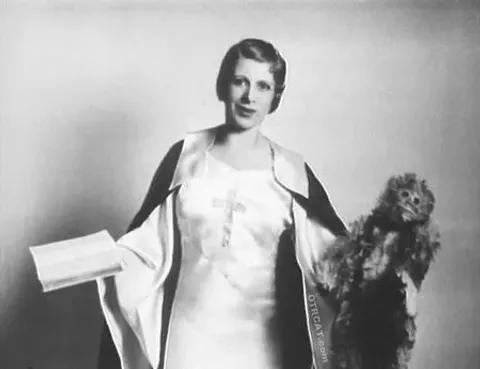 Aimee Semple McPherson was born on Oct. 9, 1890, on a farm in Salford Ontario, Canada. Her father, James Kennedy, was a farmer and came from a Methodist background. Her mother, Mildred, known as “Millie,” came from a Salvation Army background.
Although she was raised in a Christian home, she began to question the Bible during her teen years.
When she was 17, she attended a revival Pentecostal meeting presented by evangelist Robert Semple, where she heard the message of repentance. He also spoke of baptism in the Holy Spirit, an experience for which she hungered. After receiving the infilling of the Holy Spirit, she also was filled with a great love and compassion for souls and a fervent passion to serve the Lord throughout her whole life.
The meeting Aimee attended changed her life not only spiritually but also romantically. The evangelist Robert Semple later become Aimee’s husband. They were married when she was 18. Their ministry desires were compatible. After their ministry trips in Chicago and the Ingersoll area, they headed to China as missionaries.
In 1910 while in China, Robert and Aimee contracted Malaria within months of arriving in Hong Kong. Robert didn’t survive, leaving Aimee pregnant and a widow at 19. When her daughter, Roberta Star, was a month old, Aimee returned to United States to raise her. Aimee and Roberta lived in New York with Aimee’s mother.
She assisted her mother raising money for the Salvation Army. It was there she met and married a Christian businessman named Harold McPherson. They had a son, Rolf Kennedy McPherson. After a decline in health, two major surgeries and a near-death experience, God asked her one last time, “Now, will you go?” She answered yes to God’s call and almost immediately was healed. She never again questioned the call to preach the gospel.
Aimee is known for founding the Foursquare Gospel Church in 1918. She also was a woman ahead of her time, possessing boldness in her speaking ability and creative ways to communicate the gospel.
The name Foursquare Gospel originated from the Book of Ezekiel. It represents the four phases of the gospel of Jesus Christ. In the face of the Man, she saw Jesus our Saviour. In the face of the lion, she saw Jesus the mighty Baptiser with the Holy Spirit and fire. In the face of the ox, she saw Jesus the Great Burden Bearer. In the face of an eagle, she saw Jesus the coming King, who will return in power and glory. It was, in Aimee’s opinion, “a perfect gospel. A complete gospel for body, for spirit and for eternity.”
Her ministry was dynamic. She witnessed thousands saved and healed during her evangelistic meetings. Being creative and theatrical, Aimee used drama, music and opera to appeal to the audience. Bands, choirs and other crowd-pleasing touches enhanced her dynamic preaching. Though she was well-versed in the Bible, Aimee’s success wasn’t based on her knowledge, but rather the delivery of her messages.
She also was known as a faith healer, with claims of physical healing occurring during her meetings. Her faith healing demonstrations were written about extensively in the media, as they were a large focus of her early ministry. Aimee was an evangelistic pioneer, determined to spread the message of the Pentecostal faith, and used her fervour and flamboyance to win a huge following.
She had achieved what no one had yet done in ministry, which was to build a 5,000-seat auditorium in an influential area of Los Angeles. This paved the way for other female evangelists during a time when women were not accepted in the pulpit. She also launched the first Christian radio station and established a Bible college. By 1917, she had started her own magazine The Bridal Call, for which she wrote many articles about women’s roles in religion; she portrayed the link between Christians and Jesus as a marriage bond.
Jan. 1, 1923, the new Angelus Temple was opened in a flamboyant style. Aimee was seated on a red velvet throne dressed in a nurse’s uniform and cape. Accompanying her were 200 singers, three bands, two orchestras and six quartets. The Angelus Temple was featured on a float in Pasadena’s Tournament of Roses parade, while the extravagant dedication service was given full coverage in The New York Times. What became the home of The Church of the Foursquare Gospel filled four times each Sunday and twice weekly. Aimee also ministered at highly sought-after healing services during the week.
Reporters marveled at her oral skills, saying, “Never did I hear such language from a human being. Without one moment’s intermission, she would talk from an hour to an hour and a half, holding her audience spellbound.” Rather than using fire-and-brimstone preaching, Aimee resorted to a style of joyous celebration, representing the loving face of God.
She also brought old-time religion into the modern age, using illustrated sermons to help people understand the gospel better. Also, stage productions were incorporated, drawing people who usual didn’t attend church. In an era prior to television, these services proved entertaining, and she used this method to present the message of salvation through faith in Jesus.
Aimee welcomed all walks of life. She preached to the high class of society, as well as the poor and disadvantaged. She treated everyone equally regardless of race, gender or status.
In the 1920s, Aimee became a well-known voice among civic leaders, politicians, actors and actresses, and pastors from various denominations. Her sermons were reprinted in hundreds of newspapers in Canada, the United States and Mexico and were read by millions. In 1927, she opened a commissary to feed the marginalized and supply them with clothing and other necessities. Aimee set up a 24/7 soup kitchen at her temple in 1936 to help families through the Great Depression .She also became involved with war bond rallies and linked religion to patriotism in her sermons when America joined the Second World War in 1941.
Aimee’s legacy is threefold. Using the dramatic arts to reach the lost (an innovative tool) and the latest technology to spread the gospel. She reached out to the poor, helping thousands in the Los Angeles area who were starving. She taught a full-gospel message and regularly saw thousands of healings and miracles in her meetings.
Aimee passed away due to an accidental overdose in 1944 and was buried in Forest Lawn Memorial Park Cemetery in California. Her son, Rolf, has kept her memory and ministry alive by carrying the ministry for 40 four years. The Foursquare church is still standing strong with 8 million members worldwide.
Aimee Semple McPherson was born on Oct. 9, 1890, on a farm in Salford Ontario, Canada. Her father, James Kennedy, was a farmer and came from a Methodist background. Her mother, Mildred, known as “Millie,” came from a Salvation Army background.
Although she was raised in a Christian home, she began to question the Bible during her teen years.
When she was 17, she attended a revival Pentecostal meeting presented by evangelist Robert Semple, where she heard the message of repentance. He also spoke of baptism in the Holy Spirit, an experience for which she hungered. After receiving the infilling of the Holy Spirit, she also was filled with a great love and compassion for souls and a fervent passion to serve the Lord throughout her whole life.
The meeting Aimee attended changed her life not only spiritually but also romantically. The evangelist Robert Semple later become Aimee’s husband. They were married when she was 18. Their ministry desires were compatible. After their ministry trips in Chicago and the Ingersoll area, they headed to China as missionaries.
In 1910 while in China, Robert and Aimee contracted Malaria within months of arriving in Hong Kong. Robert didn’t survive, leaving Aimee pregnant and a widow at 19. When her daughter, Roberta Star, was a month old, Aimee returned to United States to raise her. Aimee and Roberta lived in New York with Aimee’s mother.
She assisted her mother raising money for the Salvation Army. It was there she met and married a Christian businessman named Harold McPherson. They had a son, Rolf Kennedy McPherson. After a decline in health, two major surgeries and a near-death experience, God asked her one last time, “Now, will you go?” She answered yes to God’s call and almost immediately was healed. She never again questioned the call to preach the gospel.
Aimee is known for founding the Foursquare Gospel Church in 1918. She also was a woman ahead of her time, possessing boldness in her speaking ability and creative ways to communicate the gospel.
The name Foursquare Gospel originated from the Book of Ezekiel. It represents the four phases of the gospel of Jesus Christ. In the face of the Man, she saw Jesus our Saviour. In the face of the lion, she saw Jesus the mighty Baptiser with the Holy Spirit and fire. In the face of the ox, she saw Jesus the Great Burden Bearer. In the face of an eagle, she saw Jesus the coming King, who will return in power and glory. It was, in Aimee’s opinion, “a perfect gospel. A complete gospel for body, for spirit and for eternity.”
Her ministry was dynamic. She witnessed thousands saved and healed during her evangelistic meetings. Being creative and theatrical, Aimee used drama, music and opera to appeal to the audience. Bands, choirs and other crowd-pleasing touches enhanced her dynamic preaching. Though she was well-versed in the Bible, Aimee’s success wasn’t based on her knowledge, but rather the delivery of her messages.
She also was known as a faith healer, with claims of physical healing occurring during her meetings. Her faith healing demonstrations were written about extensively in the media, as they were a large focus of her early ministry. Aimee was an evangelistic pioneer, determined to spread the message of the Pentecostal faith, and used her fervour and flamboyance to win a huge following.
She had achieved what no one had yet done in ministry, which was to build a 5,000-seat auditorium in an influential area of Los Angeles. This paved the way for other female evangelists during a time when women were not accepted in the pulpit. She also launched the first Christian radio station and established a Bible college. By 1917, she had started her own magazine The Bridal Call, for which she wrote many articles about women’s roles in religion; she portrayed the link between Christians and Jesus as a marriage bond.
Jan. 1, 1923, the new Angelus Temple was opened in a flamboyant style. Aimee was seated on a red velvet throne dressed in a nurse’s uniform and cape. Accompanying her were 200 singers, three bands, two orchestras and six quartets. The Angelus Temple was featured on a float in Pasadena’s Tournament of Roses parade, while the extravagant dedication service was given full coverage in The New York Times. What became the home of The Church of the Foursquare Gospel filled four times each Sunday and twice weekly. Aimee also ministered at highly sought-after healing services during the week.
Reporters marveled at her oral skills, saying, “Never did I hear such language from a human being. Without one moment’s intermission, she would talk from an hour to an hour and a half, holding her audience spellbound.” Rather than using fire-and-brimstone preaching, Aimee resorted to a style of joyous celebration, representing the loving face of God.
She also brought old-time religion into the modern age, using illustrated sermons to help people understand the gospel better. Also, stage productions were incorporated, drawing people who usual didn’t attend church. In an era prior to television, these services proved entertaining, and she used this method to present the message of salvation through faith in Jesus.
Aimee welcomed all walks of life. She preached to the high class of society, as well as the poor and disadvantaged. She treated everyone equally regardless of race, gender or status.
In the 1920s, Aimee became a well-known voice among civic leaders, politicians, actors and actresses, and pastors from various denominations. Her sermons were reprinted in hundreds of newspapers in Canada, the United States and Mexico and were read by millions. In 1927, she opened a commissary to feed the marginalized and supply them with clothing and other necessities. Aimee set up a 24/7 soup kitchen at her temple in 1936 to help families through the Great Depression .She also became involved with war bond rallies and linked religion to patriotism in her sermons when America joined the Second World War in 1941.
Aimee’s legacy is threefold. Using the dramatic arts to reach the lost (an innovative tool) and the latest technology to spread the gospel. She reached out to the poor, helping thousands in the Los Angeles area who were starving. She taught a full-gospel message and regularly saw thousands of healings and miracles in her meetings.
Aimee passed away due to an accidental overdose in 1944 and was buried in Forest Lawn Memorial Park Cemetery in California. Her son, Rolf, has kept her memory and ministry alive by carrying the ministry for 40 four years. The Foursquare church is still standing strong with 8 million members worldwide.
Blessed Are the Unoffendable
I remember the flush of embarrassment that came to my face as I realized that my friend was letting me know I hadn’t been invited to be a part of the group of women she was meeting with regularly — and not by accident. I tried to navigate the moment, relieving the tension by telling her not to worry about it. I let her know that my plate was full with doctors’ appointments and kids’ activities. “I couldn’t join the group even if I were asked!” I laughed, doing all I could to keep her from feeling sorry for me. And my words were true. I really did have a plate too full to add anything else. I really didn’t want her to worry about it. Yet my hot cheeks and thumping heart told the secret I was trying to conceal — I was fighting the impulse to take offense. Shutting the Gates I knew well enough how destructive becoming offended can be. Proverbs 18:19 says, “A brother offended is more unyielding than a strong city.” What horrible strength there is in taking up an offense! Offended people can become unassailable. Recalcitrant. Too hard-hearted to hear an appeal. When we are offended, we believe ourselves to have the moral high ground; therefore, we feel justified in making the one who has offended us a villain. I thought I was on the inside of this particular group of friends, only to discover I was not. My sense of where I fit in with others was challenged in a painful way. I could choose to accept it with goodwill toward these sisters and lean on my Savior who has called me his friend, or I could get tough — hard as nails — like an unyielding strong city whose gates have been shut and whose pride has locked out the offending parties. “Offended people become unassailable. Recalcitrant. Too hard-hearted to hear an appeal.” The Scriptures show us many instances of Jesus causing offense. He offends his hometown crowd. He offends Pharisees and scribes. He is the stone of stumbling and rock of offense. This is no big surprise to Christians. We aren’t shocked that the Pharisees or the hometown crowd are resentful and outraged by his superior understanding and his mighty deeds. From our vantage point, it isn’t too hard to see that when Jesus challenges their view of reality, he’s always right. We can see their blind spots and pride and how that pride makes them easily offended. But it’s much harder to spot the pride when we’re the one being offended, and when the offender is someone other than the perfect Jesus. The Drug of Offendedness What do we do when we’re offended by one another? What do we do if the offense given or taken is a result of carelessness, or thin skin, or personality differences, or unintentionally missing the mark, or sinfulness in ourselves or others? First, remember that when others are offensive in a truly sinful way, their offense is against God first and foremost. Sin against us feels personal, because it often is personal. But it’s significantly more personal to God, who doesn’t just relate to us, but who created us. God is patient with those who have offended his holiness. But he will not wait forever. And for those who are united to his Son through faith, their offenses against him have been extinguished at the cross. Second, it is good to remember that God has made a way for us to deal with a legitimate offense. We can follow the instructions of our Lord and go to that person directly in the hopes of gaining our brother (Matthew 18:15). We don’t ever need to stay offended. Even when we don’t gain our brother by going to him, we don’t have to live in our offended state; we can lay that down at the cross. And laying our offense there, we can take a posture that is eager for reconciliation, should God grant it. But what about when there is no intentional or discernible sin? What about the kind of situation that I found myself in — the one where I had not been sinned against, yet my hurt feelings were poised to harden into offendedness? It helps to acknowledge that taking offense is a powerful drug. It’s a powerful drug precisely because it gives us power. Remember the proverb — the offended brother is more unyielding than a strong city! “Taking offense is a powerful drug. It’s a powerful drug precisely because it gives us power.” When we turn hurt feelings into offendedness, we go from vulnerable to impenetrable. When we’re hurt by someone else’s words or actions, it’s tempting to try to protect ourselves with anger or self-righteousness that masquerades as having been offended. It’s easier to imagine the ones who have hurt us as villains rather than own that our hurt often has to do with our insecurities and fragility more than with the objective sinfulness of others. Good Sense and Glory Proverbs 19:11 says, “Good sense makes one slow to anger, and it is his glory to overlook an offense.” Good sense and glory are in short supply these days. Rather than slow down and give our rational minds a chance to inform our wildly thumping hearts, we let our feelings inform our response. Rather than overlook an offense, we go conjuring them up from every possible infraction, mounting chips on our shoulders. Everything another person says that we disagree with is a devilish opportunity for taking up an offense. Anything another person does that is different than how we would do it strengthens the resolve of the unyielding, hardened heart. Too often, we can’t merely disagree with people; we are personally offended by the words, opinions, and actions of others, even when they have no bearing on our personal lives. And if we can’t find a way to be personally offended ourselves, too many have begun taking up an offense on behalf of another. Rather than cover an offense in the interest of love and refusing to repeat a matter (Proverbs 17:9), the society around us urges us to lend and borrow offenses as a currency of backward virtue. Blessed Are the Unoffendable There is more than insecurity and fragility underneath our proclivity to take up an offense, although those problems are constantly feeding it. At root, our easily offended hearts are full of pride and idolatry. We have set ourselves as the standard of what is right and good and what must be honored — any perceived challenge to that assumption results in anger, resentment, and the taking up of an offense. But we’re not the standard; God is — which is wonderful news for sinners. Because he is the standard, because only he can see into hearts and discern the motives of each of us, we can be free to assume the best of others, trusting that he will judge perfectly in the end. We can have the good sense to be slow to anger. We can become gloriously unoffendable. Won’t you lay down the offendedness you’ve nursed against others, and rest in the salvation of the God who is slow to anger and abounding in steadfast love? He is patient in delaying judgment, but judgment will come. Today is the day to crucify the counterfeit power of offendedness and take hold of the gospel — which is the power of God for salvation to all who believe (Romans 1:16).