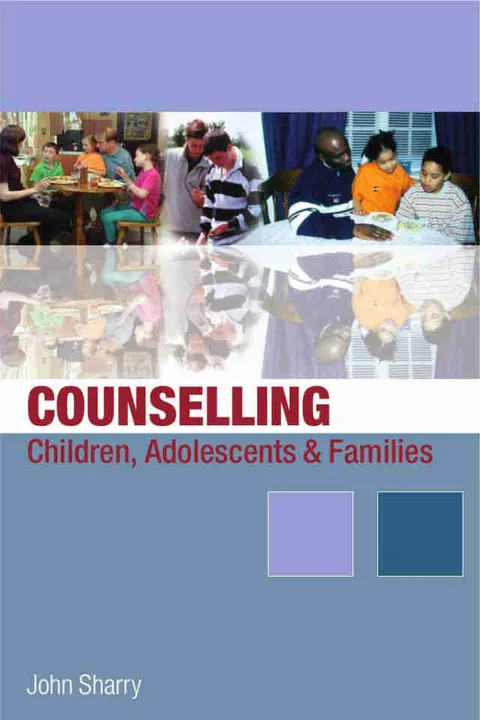

Others like counselling children, adolescents Features >>

An Appeal To The Youth
The Book Of Bible Stories

How To Help Your Hurting Friend
The Big Book Of Bible Stories For Toddlers

What Every Young Person Should Know
Faith-Guarding Kids In Troubled Times
-160.webp)
A Boy After God's Own Heart
The Christmas Story

Quizzes On Holy Bible
The Mystery Of Case D. Luc - Kids Series
About the Book
"Counselling Children, Adolescents" by John Sharry is a comprehensive guide on how to effectively counsel and support young people. The book covers various counseling techniques, theoretical frameworks, and practical strategies for working with children and adolescents. Drawing upon Sharry's extensive experience as a counselor and therapist, the book provides valuable insights and tools for professionals working with this population.
Calvin Miller
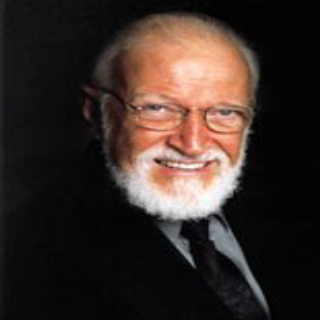 Calvin Miller was a pastor, professor and storyteller, best known for The Singer Trilogy, a mythic retelling of the New Testament story in the spirit of C. S. Lewis and J. R. R. Tolkien. Miller passed away on the afternoon of August 19, 2012, due to complications after heart surgery. He was 75.
A prolific artist and a writer's writer, Miller garnered respect and praise throughout his career from peers like Luci Shaw, Max Lucado and Philip Yancey. He was the author of more than forty books of popular theology and Christian inspiration including such recent books as Letters to Heaven, The Path of Celtic Prayer, Letters to a Young Pastor and his memoir Life Is Mostly Edges.
In addition to his twenty years of pastoral service at Westside Church in Omaha, Nebraska, Miller was also a great mentor to many students and leaders through his preaching and pastoral ministry classes at Beeson Divinity School. Calvin Miller, never one to multiply words, used just four to describe his rule of life: "Time is a gift."
RESCUE FROM THE SLUSH PILE
In October 1973 one important book was rescued from the slush pile (the stack of unsolicited manuscripts every publisher receives) by assistant editor Don Smith. He read a manuscript by a little-known Baptist pastor in Nebraska that was a poetic retelling of the life of Jesus—portraying him as a Troubadour. Both he and Linda Doll excitedly encouraged Jim Sire to take this imaginative manuscript seriously. In February 1974 Sire wrote the author, Calvin Miller, that IVP wanted to publish his book The Singer.
Months before, Miller had been waking up nights, stirred to write this tale, perhaps unconsciously inspired by the recent Broadway hits Jesus Christ Superstar and Godspell. Later Miller wrote:
When the manuscript was done, I sent it to Jim Sire at InterVarsity Press. “It’s good,” he said, “but we want to think about it a couple of weeks before we give you an answer.” So I waited until finally the letter came. They were going to do it. Jim Sire had done his Ph.D. on John Milton, and the fact that he liked it was joy immeasurable to me. “But,” he cautioned, “we’re going to print five thousand of these. They may not do well—in fact we may end up with four thousand of them on skids in our basement for the next ten years. Still, it’s a good book and deserves to be in print.”
Far more than a thousand copies sold. Actually, over three hundred times that amount sold in its first decade. It became “the most successful evangelical publication in this genre.” The Singer was followed in two years by The Song (paralleling the story of the early church in Acts) and two years after that by The Finale (inspired by the book of Revelation). Publication of The Singer changed Miller’s life. Even though he stayed in the pastorate for many years, it set him on a course of writing and speaking that he could not have imagined.
Calvin Miller was a pastor, professor and storyteller, best known for The Singer Trilogy, a mythic retelling of the New Testament story in the spirit of C. S. Lewis and J. R. R. Tolkien. Miller passed away on the afternoon of August 19, 2012, due to complications after heart surgery. He was 75.
A prolific artist and a writer's writer, Miller garnered respect and praise throughout his career from peers like Luci Shaw, Max Lucado and Philip Yancey. He was the author of more than forty books of popular theology and Christian inspiration including such recent books as Letters to Heaven, The Path of Celtic Prayer, Letters to a Young Pastor and his memoir Life Is Mostly Edges.
In addition to his twenty years of pastoral service at Westside Church in Omaha, Nebraska, Miller was also a great mentor to many students and leaders through his preaching and pastoral ministry classes at Beeson Divinity School. Calvin Miller, never one to multiply words, used just four to describe his rule of life: "Time is a gift."
RESCUE FROM THE SLUSH PILE
In October 1973 one important book was rescued from the slush pile (the stack of unsolicited manuscripts every publisher receives) by assistant editor Don Smith. He read a manuscript by a little-known Baptist pastor in Nebraska that was a poetic retelling of the life of Jesus—portraying him as a Troubadour. Both he and Linda Doll excitedly encouraged Jim Sire to take this imaginative manuscript seriously. In February 1974 Sire wrote the author, Calvin Miller, that IVP wanted to publish his book The Singer.
Months before, Miller had been waking up nights, stirred to write this tale, perhaps unconsciously inspired by the recent Broadway hits Jesus Christ Superstar and Godspell. Later Miller wrote:
When the manuscript was done, I sent it to Jim Sire at InterVarsity Press. “It’s good,” he said, “but we want to think about it a couple of weeks before we give you an answer.” So I waited until finally the letter came. They were going to do it. Jim Sire had done his Ph.D. on John Milton, and the fact that he liked it was joy immeasurable to me. “But,” he cautioned, “we’re going to print five thousand of these. They may not do well—in fact we may end up with four thousand of them on skids in our basement for the next ten years. Still, it’s a good book and deserves to be in print.”
Far more than a thousand copies sold. Actually, over three hundred times that amount sold in its first decade. It became “the most successful evangelical publication in this genre.” The Singer was followed in two years by The Song (paralleling the story of the early church in Acts) and two years after that by The Finale (inspired by the book of Revelation). Publication of The Singer changed Miller’s life. Even though he stayed in the pastorate for many years, it set him on a course of writing and speaking that he could not have imagined.
god’s correction lens
Clara’s sight was bright and sharp till she reached middle school. Then, at first, she had problems only with small prints. But she grew older, and began to squint and larger letters too. Upon a specialist’s advice, she obtained a pair of lens, which had a magical effect on usage. She saw the letters as clearly as she did when she was just a child, without straining a nerve. She felt happy and good for many days. However, after a while, she began to think about the little inconveniencies that come along. Her face feels clumsy, and sometimes, the lens accumulates sweat. Also, the endless searches in the mornings, looking into shelves and sides of the bed while the object sits silently on her face. Moreover, neither her mother, Loveth, a full-time housewife, nor her grandmother, Selena, a central-market women leader, use glasses. Nevertheless, for the sake of indispensability, Clara discarded the feelings and made peace with her new experience, and soon the glasses became an inseparable part of her attire. Once we were young and life was good with simple instructions. Guardians, tutors, all played a role. But we grow older, and the rules and regulations beg to be excused. Life gets more complex and challenging, and the old heroes part or become less relevant to our time and circumstance. One way to handle this is to go with the flow, or to follow basic instinct, but that is just as good as letting a ship drive itself at sea. The better way is to look at the blurry, clumsy world through God’s correction lens - the Scripture. Though good counsel can occasionally be of help, God’s word gives direction in every situation, and is the ultimate guide to a peaceful shore. Acquaintance with Scripture is however not a passport to an easy life, much as wearing lenses do not get assignments or researches done, the word of God gives instruction and reveals the path to a life without regrets. God’s word humbles us in times of great achievements, and gives hope in times of loss. It teaches the mind of God, and prepares us for an eternity of rest with Him. God calls you to spend time daily with His word, to make it an inseparable part of your schedule, and to not look to your friends who don’t, for it’s reward is far greater than the cost. “But whoso looketh into the perfect law of liberty, and continueth therein, he being not a forgetful hearer, but a doer of the work, this man shall be blessed in his deed” (James 1:25).