
Communication In Marriage Order Printed Copy
- Author: Marcus And Ashley Kusi
- Size: 498KB | 52 pages
- |
Others like communication in marriage Features >>
-160.webp)
Building Stronger Marriages And Families
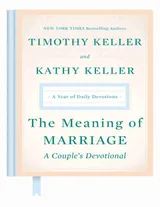
The Meaning Of Marriage: A Couple’s Devotional
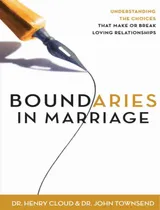
Boundaries In Marriage
Celebrating Marriage

The Intimate Marriage - A Practical Guide To Building A Great Marriage
Making Marriage Work
Journey To The Altar - A Marriage Preparation Guidebook
Paul, Women And Wives: Marriage And Women’s Ministry In The Letters Of Paul

Your Marriage And Your Ancestry
The Coat My Father Gave Me
About the Book
"Communication in Marriage" by Marcus and Ashley Kusi is a practical guide that offers tools and techniques to improve communication within a marriage. The book emphasizes the importance of active listening, understanding each other's perspectives, and effectively expressing thoughts and emotions to build a strong and healthy relationship. It provides actionable tips and strategies for couples to enhance their communication skills and deepen their connection.
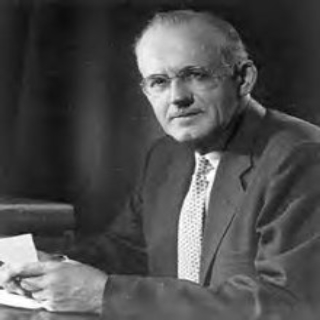
A.W. Tozer (Aiden Wilson Tozer)
 Early life
Tozer hailed from a tiny farming community in western La Jose, Pennsylvania. He was converted to Christianity as a teenager in Akron, Ohio: While on his way home from work at a tire company, he overheard a street preacher say, "If you don't know how to be saved ... just call on God, saying, 'Lord, be merciful to me a sinner.'" Upon returning home, he climbed into the attic and heeded the preacher's advice.
Pastor
In 1919, five years after his conversion and without formal education in Christian theology, Tozer accepted an offer to serve as pastor of his first church. That began 44 years of ministry associated with the Christian and Missionary Alliance (C&MA), a Protestant Evangelical denomination, 33 of them serving as a pastor in several different congregations (his first, a small storefront church in Nutter Fort, West Virginia). Later, he served thirty years (1928 to 1959) as the pastor of Southside Alliance Church in Chicago; the final years of his life he spent as pastor of Avenue Road Church in Toronto, Ontario, Canada. Observing contemporary Christian living, Tozer felt that the church was on a dangerous course toward compromising with "worldly" concerns.
Born into poverty, Tozer was self-educated and taught himself what he missed in high school and university.
Author
Tozer began writing in 1931 for the denominational magazine of the Christian and Missionary Alliance, Alliance Weekly (now Alliance Life), which became the platform from which his writing career emerged. He later wrote the monthly column “There’s Truth in It” (1936–37) and “A Word in Season” (1944–46). In May 1950, he became the editor of the Alliance Weekly, a position he filled until his death in 1963.
At the urging of David W. Fant, publications secretary of the C&MA, Tozer wrote biographies of A. B. Simpson (1943) and Robert A. Jaffray (1947). It was the publication of his third book, The Pursuit of God (1948), that made Tozer a household name among evangelicals. In addition to the 12 books he published in his lifetime, more than 40 other books have been compiled from his magazine features, editorials, and transcribed sermons.
During his lifetime, Tozer’s works were published by Christian Publications, Inc., the denominational press operated by the C&MA. The publishing house declared bankruptcy in 2006 and was purchased by WingSpread Publishers of Camp Hill, Pennsylvania.[8] In November 2013, Moody Publishers acquired Wingspread from parent company Zur Ltd., a transaction that included more than 60 Tozer books and pamphlets. Some of Tozer’s works are now in the public domain and have been issued by multiple publishers.
Personal life
Tozer had seven children, six sons and a daughter. Living a simple and non-materialistic lifestyle, he and his wife, Ada Cecelia Pfautz, never owned a car, preferring bus and train travel. Even after becoming a well-known Christian author, Tozer signed away much of his royalties to those who were in need.
Prayer was of vital personal importance for Tozer. "His preaching as well as his writings were but extensions of his prayer life," comments his biographer, James L. Snyder, in the book In Pursuit of God: The Life Of A.W. Tozer. "He had the ability to make his listeners face themselves in the light of what God was saying to them," writes Snyder.
Death and legacy
Tozer died on May 13, 1963, after suffering a heart attack. He was buried in Chicago, and later the family had his remains reinterred at Ellet Cemetery, Akron, Ohio. A simple marker reads: A. W. Tozer—A Man of God. The Alliance Weekly ran a memorial issue with numerous tributes and excerpts. The same issue also featured “God’s Greatest Gift to Man," a transcription of his final sermon. A few months prior to his death, Tozer had submitted the manuscript to The Christian Book of Mystical Verse, which was released in 1964 as his final book. His official publisher, Christian Publications, released many titles after his death, based on his magazine articles and sermon transcriptions. These continue in print with Moody Publishers. Several other publishers have released his public domain works.
In 2000, The Pursuit of God was named to Christianity Today’s list of 100 “Books of the Century.” In 2006, Knowledge of the Holy was named in “The Top 50 Books That Have Shaped Evangelicals.” Contemporary Christian music artist Lauren Barlow of BarlowGirl later published a compilation of stories told by 59 artists, writers, and leaders about A.W. Tozer’s personal inspiration.
Early life
Tozer hailed from a tiny farming community in western La Jose, Pennsylvania. He was converted to Christianity as a teenager in Akron, Ohio: While on his way home from work at a tire company, he overheard a street preacher say, "If you don't know how to be saved ... just call on God, saying, 'Lord, be merciful to me a sinner.'" Upon returning home, he climbed into the attic and heeded the preacher's advice.
Pastor
In 1919, five years after his conversion and without formal education in Christian theology, Tozer accepted an offer to serve as pastor of his first church. That began 44 years of ministry associated with the Christian and Missionary Alliance (C&MA), a Protestant Evangelical denomination, 33 of them serving as a pastor in several different congregations (his first, a small storefront church in Nutter Fort, West Virginia). Later, he served thirty years (1928 to 1959) as the pastor of Southside Alliance Church in Chicago; the final years of his life he spent as pastor of Avenue Road Church in Toronto, Ontario, Canada. Observing contemporary Christian living, Tozer felt that the church was on a dangerous course toward compromising with "worldly" concerns.
Born into poverty, Tozer was self-educated and taught himself what he missed in high school and university.
Author
Tozer began writing in 1931 for the denominational magazine of the Christian and Missionary Alliance, Alliance Weekly (now Alliance Life), which became the platform from which his writing career emerged. He later wrote the monthly column “There’s Truth in It” (1936–37) and “A Word in Season” (1944–46). In May 1950, he became the editor of the Alliance Weekly, a position he filled until his death in 1963.
At the urging of David W. Fant, publications secretary of the C&MA, Tozer wrote biographies of A. B. Simpson (1943) and Robert A. Jaffray (1947). It was the publication of his third book, The Pursuit of God (1948), that made Tozer a household name among evangelicals. In addition to the 12 books he published in his lifetime, more than 40 other books have been compiled from his magazine features, editorials, and transcribed sermons.
During his lifetime, Tozer’s works were published by Christian Publications, Inc., the denominational press operated by the C&MA. The publishing house declared bankruptcy in 2006 and was purchased by WingSpread Publishers of Camp Hill, Pennsylvania.[8] In November 2013, Moody Publishers acquired Wingspread from parent company Zur Ltd., a transaction that included more than 60 Tozer books and pamphlets. Some of Tozer’s works are now in the public domain and have been issued by multiple publishers.
Personal life
Tozer had seven children, six sons and a daughter. Living a simple and non-materialistic lifestyle, he and his wife, Ada Cecelia Pfautz, never owned a car, preferring bus and train travel. Even after becoming a well-known Christian author, Tozer signed away much of his royalties to those who were in need.
Prayer was of vital personal importance for Tozer. "His preaching as well as his writings were but extensions of his prayer life," comments his biographer, James L. Snyder, in the book In Pursuit of God: The Life Of A.W. Tozer. "He had the ability to make his listeners face themselves in the light of what God was saying to them," writes Snyder.
Death and legacy
Tozer died on May 13, 1963, after suffering a heart attack. He was buried in Chicago, and later the family had his remains reinterred at Ellet Cemetery, Akron, Ohio. A simple marker reads: A. W. Tozer—A Man of God. The Alliance Weekly ran a memorial issue with numerous tributes and excerpts. The same issue also featured “God’s Greatest Gift to Man," a transcription of his final sermon. A few months prior to his death, Tozer had submitted the manuscript to The Christian Book of Mystical Verse, which was released in 1964 as his final book. His official publisher, Christian Publications, released many titles after his death, based on his magazine articles and sermon transcriptions. These continue in print with Moody Publishers. Several other publishers have released his public domain works.
In 2000, The Pursuit of God was named to Christianity Today’s list of 100 “Books of the Century.” In 2006, Knowledge of the Holy was named in “The Top 50 Books That Have Shaped Evangelicals.” Contemporary Christian music artist Lauren Barlow of BarlowGirl later published a compilation of stories told by 59 artists, writers, and leaders about A.W. Tozer’s personal inspiration.
my dream singleness: an anthem for unmarried women
As an unmarried woman in my mid-twenties, I know that a season of singleness can often be fraught with disappointment and heartache. I hold hopes for a husband and a family close to my heart, but I also hope to hold Jesus even closer. At the end of my life, whether I am married for forty years or single for seventy, I long for it to be said of me, “She was devoted to Jesus.” Single or married, we belong to another. My marital status may read “single” on my tax return, but I am not unclaimed. I do belong to someone. And this is not some elusive future spouse. I’m speaking of Christ. I am his. Because Christ has bought us with his blood, we are not our own (1 Corinthians 6:19–20). We were not made or saved for this realm, but for another realm, a spiritual one. And in this spiritual realm, Jesus was clear that people are neither marrying, nor married. So despite the fact that marriage is beautiful and sacred, we were not made for earthly wedded bliss. That should free us to live out big dreams for singleness now, while we wait to be married. We were created for Christ, to be one with him. He and I — we were meant for each other (Ephesians 1:5–6). This is a match made in heaven, and for heaven. He is ours, and we are his. And this union can satisfy all other longings. Even if a spouse dies, deserts, disappoints, or never emerges in the first place, we already have a perfect union of glory and joy awaiting us that far surpasses the dim copy we might enjoy for a little while here. Singleness Is Good Paul, apparently, was single, at least for much of his life, and spoke of his marital status in glowing terms. Singleness is good, and is a gift from God (1 Corinthians 7:7–8). I can wake up tomorrow confident that not being married is good for me, and that it is my calling for the day. God does not give second-rate gifts. It’s not that I have asked for bread only for God to give me a stone instead (Matthew 7:9). No, singleness and marriage are different gifts, each with challenges and blessings, but they are equally good. Elisabeth Elliot writes: But having now spent more than 41 years single, I have learned that it is indeed a gift. Not one I would choose. Not one many women would choose. But we do not choose our gifts, remember? We are given them by a divine Giver who knows the end from the beginning and wants above all else to give us the gift of himself. Whatever the years ahead may hold, I know he has called me to the gift of singleness today, however heavy that gift may feel some days. When God gives us gifts we would not choose, he also gives us himself in ways we would not otherwise have known. This World Is Not Our Home Those who are not yet married long for love and a place to call home. We desire good things, and our pain is legitimate. But we are easily disillusioned with temporary treasures, forgetting this bruised and scarred place is not our forever home. No marriage will last forever. Even the best must end with death. This means that the married and the unmarried alike must form their minds around this truth: From now on, let those who have wives live as though they had none, and those who mourn as though they were not mourning, and those who rejoice as though they were not rejoicing, and those who buy as though they had no goods, and those who deal with the world as though they had no dealings with it. For the present form of this world is passing away. (1 Corinthians 7:29–31) Paul is not telling his readers to neglect their families, but he is shifting our paradigms, preparing us to live as pilgrims in a world destined for destruction. This means the married should live as if their spouse is not theirs to keep, and the unmarried should live as if a spouse is not ours to have. At the end of time here on earth, only our union with Christ will survive. Singleness Is for Devotion From the apostle Paul to Elisabeth Elliot, they are all really saying one thing. Singleness is for devotion — for gospel-living and Christ-loving. The unmarried man is anxious about the things of the Lord, how to please the Lord. . . . And the unmarried or betrothed woman is anxious about the things of the Lord, how to be holy in body and spirit.” (1 Corinthians 7:32, 34) God offers us singleness as an opportunity to run headlong after Christ. Devotion is not merely a hobby to pass the time while we wait for a perfect someone. No, this is what we’ve been waiting for. For Christ. The Perfect Someone has come, and he’s come to give us himself. We’ve been waiting for happiness; here is a love higher than our understanding and a joy beyond our wildest dreams. As unmarried women, let it be said of us that our one concern is to please the Lord, that our only aim is wholehearted devotion to Christ. May this be the banner that flies over the balance of our days, our only mantra, married or not. You were meant to enjoy the one thing that transcends the beauties of marriage and lasts for eternity. Seek him and you will make the most of singleness and marriage, whichever gift God gives you.