-480.webp)

Church History (From Christ To Pre-Reformation) Order Printed Copy
- Author: Everett Ferguson
- Size: 3.63MB | 572 pages
- |
Others like church history (from christ to pre-reformation) Features >>
Church History - From Pre-Reformation To The Present Day
Church History: The First Century
Church History 101 - The Highlights Of Twenty Centuries
Early History Of The Christian Church - The Fourth Century
Walking From East To West

A Summary Of Christian History
A History Of The Ancient Near-East
The True History Of The Early Christian Church
A Dictionary Of Early Christian Beliefs

Joshua: God's Chosen Warrior
About the Book
"Church History (From Christ to Pre-Reformation)" by Everett Ferguson provides a comprehensive overview of Christianity's development from its roots in Jesus Christ to the eve of the Protestant Reformation. Ferguson explores the early church's growth, key theological debates, major figures, and the diverse expressions of Christianity up to the 16th century. Through a scholarly and accessible approach, the book offers readers a clear understanding of the significant events and movements that shaped the history of the church during this period.
Emerson Andrews
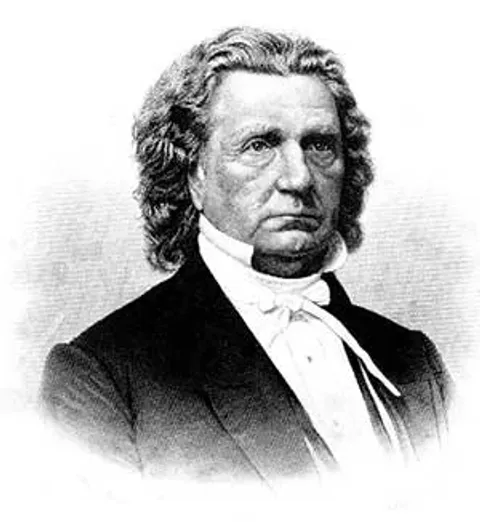 His Early life
Emerson Andrews was born in Mansfield, Bristol County, Massachusetts in 1806 to godly parents, James and Mercy Andrews. They were from English stock and were strict Puritans in faith and lifestyle. Although young Emerson was raised in the Congregational Church he was far from God in his teens and twenties.
Nevertheless, periodically, he experienced intense conviction, usually through his parents’ counsels and prayers but particularly through two unforgettable sermons delivered by the eccentric revivalist, Lorenzo Dow. Soon after this he was converted under the ministry of another revival preacher, Asahel Nettleton.
He was a very educated man formerly studying at Chesterfield Academy and, at the time of his conversion, at Plainfield Kimball Union Academy, in New Hampshire. In the spring of 1832 whilst studying further at Union College in Schenectady, New York, he was baptised by immersion in the Mohawk River. It was his convictions about the Bible’s teaching on water baptism that caused him to join the Baptist’s instead of the Congregationalists or Presbyterians.
A Lover of Revival
He wrote “Many revivals and protracted meetings of one, two, or more days, and some for weeks and months, have been held, in New England and elsewhere, within, my personal remembrance. These have sent out their hallowed influences, as the light of the world and salt of the earth. Just before and at the time of my second birth, many sweeping and glorious revivals, under the celebrated Dr. Netteton, John Leland, Jedediah Burchard, C. G. Finney, were hailed, enjoyed, and sounded all around and over the country.
As soon as I was converted I cherished the good news of revivals; and I sought a place and portion with live Christians, that I might speak for Christ and win souls to salvation. I asked God for direction and help, and was answered.
His first visit to a Revival
He describes his first visit to a Revival “The first meeting that I attended after my regeneration was held in the town of Windsor, Vt. It was called a “four days’ meeting.” But many such were held in different places about that time. This came off in the summer of l830. I was much delighted, fed, and strengthened by such a sight, experience, exercise, and spiritual supper. It was a precious banquet, adapted to develop and enlarge the young convert’s soul.
The four pastors of the town, with their respective churches and congregations, and some from neighboring towns, met with the Baptist church, of which Elder Leland Howard was the long-honored pastor. Some twenty other pastors also came in from adjacent towns, and a few Lawyers and teachers, who took leading parts in the services. Large congregations were constantly in attendance, and all the various exercises and meetings were interesting and profitable.
Some of the sermons and prayers were most powerful, melting, and effective. Sinners often arose, requesting prayers, or sent up short petitions to be read. A lawyer by the name of Shepherd, from New York, was found to be very able, pointed, and specific in prayer, and so effective and precise in noting each different request more perfectly than the ministers, that he was often invited to lead in prayer — especially when there were some ten or twenty different, or some difficult requests presented.
He seemed to be full of the Spirit, and was especially gifted and successful. Ministers learned something valuable from his wisdom and tact. I confess that his pointedness made a powerful and lasting impression on my mind and practice.
The professors and ministers were much blessed, and many sinners were converted in the meetings. The gospel was preached and the Spirit poured out, prayer and sacrifices made. Novelty and wonder attracted many. Here God crowned the effort.”
Mentored by Jacob Knapp
He writes. ” ROCHESTER, N.Y. 1839. Here I assisted in a powerful meeting, under the preaching of the celebrated Elder Jacob Knapp, for three weeks. Marvellous things were done. The wicked raged, the Spirit worked, grace prevailed, and hundreds were converted — a glorious triumph over rum, gambling, and infidelity. Jesus reigned.” This exposure to revival power whetted his appetite for an evangelistic ministry.
His first revival efforts
“WHITE DEER, PENN. 1839. In this rich farming district I had a revival meeting of five weeks, with a feeble Baptist church. We began at the close of the Association; but, with all the eloquent pastoral preaching in it, the brethren were not aroused, nor sinners much convicted.
Here my first sermon was from the text, “O Lord, revive thy work!” And he did so immediately. Some half a dozen persons were convicted and converted, and the church was revived by the power of God on that evening’s effort. The whole region, then, for seven miles around, was awakened, and some forty converts were immersed by Elder Spratt, D.D.
Here, too, we experienced severe opposition and much persecution from outside professors and sinners, but God strengthened our hands for a triumphant work. This was a blessed era with the church, and it is fragrant still.
“CLINTON, PENN. I had a revival meeting in this township. It was very great and powerful. Satan and sinners raged, at times, terribly, but the cross was triumphant. Many were immersed by the beloved pastor, Elder Spratt, D.D.
Hugh Donelly, the postmaster, rum-selling merchant, and an avowed infidel, who had slandered me and ridiculed the meeting, crept in away back, then into the middle seats; then, after a few nights, fell on his knees groaning and crying for mercy. I soon aided him in coming forward.
Then out came his wife and sister. We all prayed, and soon the three rejoiced in hope, and spoke boldly for Jesus. Brother Donelly has made a noble record in Pennsylvania and Indiana for Jesus and his cause…..
PARMA, N.Y. In this western village, in mid-winter, I preached night and day, for three weeks, to overflowing houses and attentive hearers. Christians renewed their “first love and vows,” and many sinners were converted and baptized.
An infidel, hearing a few sermons, was struck under conviction, and fled away thirty miles for comfort; but, feeling worse and worse, returned like the prodigal, feeling wretched and lost. He came forward, prayer was offered, and he soon yielded and believed, giving glory to God. Then he told his experience, and exhorted his old Universalist and infidel friends to repent and be saved from hell.
Emerson Andrews Preaching
His preaching zeal and effectiveness were quickly recognised and he was soon licensed to preach and for a four year period served brief pastorates in New York State – Waterford, West Troy, Lansingburg and Rome (1834-1838)
In 1838 began an itinerant evangelist for thirty-five years, mainly in America, but also in Europe, Africa, Asia and Canada. His estimates were that 40,000 were converted through his ministry.
His Early life
Emerson Andrews was born in Mansfield, Bristol County, Massachusetts in 1806 to godly parents, James and Mercy Andrews. They were from English stock and were strict Puritans in faith and lifestyle. Although young Emerson was raised in the Congregational Church he was far from God in his teens and twenties.
Nevertheless, periodically, he experienced intense conviction, usually through his parents’ counsels and prayers but particularly through two unforgettable sermons delivered by the eccentric revivalist, Lorenzo Dow. Soon after this he was converted under the ministry of another revival preacher, Asahel Nettleton.
He was a very educated man formerly studying at Chesterfield Academy and, at the time of his conversion, at Plainfield Kimball Union Academy, in New Hampshire. In the spring of 1832 whilst studying further at Union College in Schenectady, New York, he was baptised by immersion in the Mohawk River. It was his convictions about the Bible’s teaching on water baptism that caused him to join the Baptist’s instead of the Congregationalists or Presbyterians.
A Lover of Revival
He wrote “Many revivals and protracted meetings of one, two, or more days, and some for weeks and months, have been held, in New England and elsewhere, within, my personal remembrance. These have sent out their hallowed influences, as the light of the world and salt of the earth. Just before and at the time of my second birth, many sweeping and glorious revivals, under the celebrated Dr. Netteton, John Leland, Jedediah Burchard, C. G. Finney, were hailed, enjoyed, and sounded all around and over the country.
As soon as I was converted I cherished the good news of revivals; and I sought a place and portion with live Christians, that I might speak for Christ and win souls to salvation. I asked God for direction and help, and was answered.
His first visit to a Revival
He describes his first visit to a Revival “The first meeting that I attended after my regeneration was held in the town of Windsor, Vt. It was called a “four days’ meeting.” But many such were held in different places about that time. This came off in the summer of l830. I was much delighted, fed, and strengthened by such a sight, experience, exercise, and spiritual supper. It was a precious banquet, adapted to develop and enlarge the young convert’s soul.
The four pastors of the town, with their respective churches and congregations, and some from neighboring towns, met with the Baptist church, of which Elder Leland Howard was the long-honored pastor. Some twenty other pastors also came in from adjacent towns, and a few Lawyers and teachers, who took leading parts in the services. Large congregations were constantly in attendance, and all the various exercises and meetings were interesting and profitable.
Some of the sermons and prayers were most powerful, melting, and effective. Sinners often arose, requesting prayers, or sent up short petitions to be read. A lawyer by the name of Shepherd, from New York, was found to be very able, pointed, and specific in prayer, and so effective and precise in noting each different request more perfectly than the ministers, that he was often invited to lead in prayer — especially when there were some ten or twenty different, or some difficult requests presented.
He seemed to be full of the Spirit, and was especially gifted and successful. Ministers learned something valuable from his wisdom and tact. I confess that his pointedness made a powerful and lasting impression on my mind and practice.
The professors and ministers were much blessed, and many sinners were converted in the meetings. The gospel was preached and the Spirit poured out, prayer and sacrifices made. Novelty and wonder attracted many. Here God crowned the effort.”
Mentored by Jacob Knapp
He writes. ” ROCHESTER, N.Y. 1839. Here I assisted in a powerful meeting, under the preaching of the celebrated Elder Jacob Knapp, for three weeks. Marvellous things were done. The wicked raged, the Spirit worked, grace prevailed, and hundreds were converted — a glorious triumph over rum, gambling, and infidelity. Jesus reigned.” This exposure to revival power whetted his appetite for an evangelistic ministry.
His first revival efforts
“WHITE DEER, PENN. 1839. In this rich farming district I had a revival meeting of five weeks, with a feeble Baptist church. We began at the close of the Association; but, with all the eloquent pastoral preaching in it, the brethren were not aroused, nor sinners much convicted.
Here my first sermon was from the text, “O Lord, revive thy work!” And he did so immediately. Some half a dozen persons were convicted and converted, and the church was revived by the power of God on that evening’s effort. The whole region, then, for seven miles around, was awakened, and some forty converts were immersed by Elder Spratt, D.D.
Here, too, we experienced severe opposition and much persecution from outside professors and sinners, but God strengthened our hands for a triumphant work. This was a blessed era with the church, and it is fragrant still.
“CLINTON, PENN. I had a revival meeting in this township. It was very great and powerful. Satan and sinners raged, at times, terribly, but the cross was triumphant. Many were immersed by the beloved pastor, Elder Spratt, D.D.
Hugh Donelly, the postmaster, rum-selling merchant, and an avowed infidel, who had slandered me and ridiculed the meeting, crept in away back, then into the middle seats; then, after a few nights, fell on his knees groaning and crying for mercy. I soon aided him in coming forward.
Then out came his wife and sister. We all prayed, and soon the three rejoiced in hope, and spoke boldly for Jesus. Brother Donelly has made a noble record in Pennsylvania and Indiana for Jesus and his cause…..
PARMA, N.Y. In this western village, in mid-winter, I preached night and day, for three weeks, to overflowing houses and attentive hearers. Christians renewed their “first love and vows,” and many sinners were converted and baptized.
An infidel, hearing a few sermons, was struck under conviction, and fled away thirty miles for comfort; but, feeling worse and worse, returned like the prodigal, feeling wretched and lost. He came forward, prayer was offered, and he soon yielded and believed, giving glory to God. Then he told his experience, and exhorted his old Universalist and infidel friends to repent and be saved from hell.
Emerson Andrews Preaching
His preaching zeal and effectiveness were quickly recognised and he was soon licensed to preach and for a four year period served brief pastorates in New York State – Waterford, West Troy, Lansingburg and Rome (1834-1838)
In 1838 began an itinerant evangelist for thirty-five years, mainly in America, but also in Europe, Africa, Asia and Canada. His estimates were that 40,000 were converted through his ministry.
He Called Death Sweet Names
To me Erwin Rudolph will always be Dr. Rudolph. He was my professor and, when I was in college, I revered professors. But with all the reverence, he was a gentle rock of stability for this nervous, insecure sophomore, who that year — 1965 — declared an English major at Wheaton College. One of the reasons I was nervous and insecure was that I read so slowly. I knew I could not read a lot of long books in one semester, so I never took a lit class on “The Novel.” Instead I took poetry classes. That meant three classes with Dr. Rudolph: Pre-Renaissance, English Renaissance, and Eighteenth Century. In these classes, I did not have to read huge books. Instead I had to read poems really carefully — even memorize some. Dr. Rudolph required that we memorize and recite 42 lines of Chaucer in the original Middle English. This was terrifying to me. I was too nervous to speak in front of a whole class. Mercifully and patiently, Dr. Rudolph took the time to let me recite the lines to him alone in his office. He became my faculty adviser in the fall of 1965 and shepherded me through to graduation in the spring of 1968. I loved his classes. One reason is that he cared about substance, not just form. He cared about meaning and truth, great truth. To this day, the poets I love most (George Herbert, John Donne, Alexander Pope) are the ones who care about beauty and truth. Form and substance. Craft and content. I met these masters first in Dr. Rudolph’s classes. He awakened me to a world of truth and beauty in poetry which I did not know existed. I sought his counsel even after I left Wheaton. Although I sensed a vocational call to Scripture and went on to seminary after college, I was not sure if I could be a preacher, and I pondered for a year or two the serious possibility of following in Dr. Rudolph’s steps by getting a Ph.D. in English, and becoming a theologically serious English teacher. That didn’t happen. I think Dr. Rudolph was okay with that choice. His counsel was always balanced. He probably saw that my slow reading ability did not suit me well for an academic career in literature! My dominant memory of Dr. Rudolph is the one most relevant to his own death. Zeke, Dr. Rudolph’s son, was in my wife’s class at Wheaton, a year behind me. Zeke died of Multiple Sclerosis in August of 1969, three months after his graduation. I remember the very room I was in at my parents’ house when I read Dr. Rudolph’s tribute to Zeke. There was one immortal line that I have returned to again and again — as I return to it again now at Dr. Rudolph’s own death: “Near the end Zeke called death sweet names.” It has been almost 50 years, and I have not forgotten these words, nor the man who spoke them. I didn’t know Zeke. But I knew his father. And what an impact his farewell to his son had on me. It was full of sober sorrow in the face of the horrors of death, but also full of confidence that Zeke had not lived in vain, or died without hope. The same is true now for my professor, Dr. Rudolph. He did not live in vain. And he did not die without hope. Perhaps I should let him have the last word of triumph. In his book, Good-by, My Son , he wrote, We do not pretend to understand why God’s time-table differs so markedly from our own. But it was ours which was out of adjustment, not his. . . . I strongly affirm that belief in Divine Providence affords the Christian an undergirding he can ill afford to lose. I also discover that God may personally allow suffering to come upon us for reasons which please him. When he does, we ought not to demur, for God knows what is best for us. With deep love and appreciation, I say, Amen.
-480.webp)