Martyn Lloyd-Jones
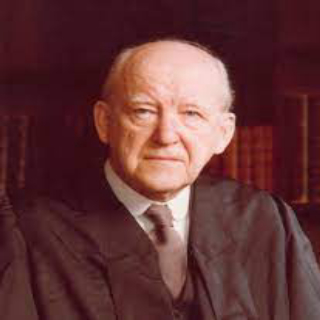 David Martyn Lloyd-Jones (20 December 1899 – 1 March 1981) was a Welsh Protestant minister, preacher and medical doctor who was influential in the Reformed wing of the British evangelical movement in the 20th century. For almost 30 years, he was the minister of Westminster Chapel in London.
Early Life and ministry
Lloyd-Jones was born in Cardiff and raised in Llangeitho, Ceredigion. His father was a grocer, and he had two brothers: Harold died during the 1918 flu pandemic, while Vincent went on to become a High Court judge. Llangeitho is associated with the Welsh Methodist revival, as it was the location of Daniel Rowland's ministry. Attending a London grammar school between 1914 and 1917 and then St Bartholomew's Hospital as a medical student, in 1921 he started work as assistant to the Royal Physician, Sir Thomas Horder. Lloyd-Jones obtained an MD from London University, and became a Member of the Royal College of Physicians. After struggling for two years over what he sensed was a calling to preach, in 1927 Lloyd-Jones returned to Wales, having married Bethan Phillips (with whom he later had two children, Elizabeth and Ann), accepting an invitation to minister at a church in Aberavon (Port Talbot).
Westminster Chapel
After a decade ministering in Aberavon, in 1939 he went back to London, where he had been appointed as associate pastor of Westminster Chapel, working alongside G. Campbell Morgan. The day before he was officially to be accepted into his new position, World War II broke out in Europe. During the same year, he became the president of the Inter-Varsity Fellowship of Students (known today as the Universities and Colleges Christian Fellowship (UK)). During the war he and his family moved to Haslemere, Surrey. In 1943 Morgan retired, leaving Lloyd-Jones as the sole Pastor of Westminster Chapel.
Lloyd-Jones was well known for his style of expository preaching, and the Sunday morning and evening meetings at which he officiated drew crowds of several thousand, as did the Friday evening Bible studies, which were, in effect, sermons in the same style. He would take many months, even years, to expound a chapter of the Bible verse by verse. His sermons would often be around fifty minutes to an hour in length, attracting many students from universities and colleges in London. His sermons were also transcribed and printed (virtually verbatim) in the weekly Westminster Record, which was read avidly by those who enjoyed his preaching.
Later life
Lloyd-Jones retired from his ministry at Westminster Chapel in 1968, following a major operation. For the rest of his life, he concentrated on editing his sermons to be published, counselling other ministers, answering letters and attending conferences. Perhaps his most famous publication is a 14 volume series of commentaries on the Epistle to the Romans, the first volume of which was published in 1970.
Despite spending most of his life living and ministering in England, Lloyd-Jones was proud of his roots in Wales. He best expressed his concern for his home country through his support of the Evangelical Movement of Wales: he was a regular speaker at their conferences, preaching in both English and Welsh. Since his death, the movement has published various books, in English and Welsh, bringing together selections of his sermons and articles.
Lloyd-Jones preached for the last time on 8 June 1980 at Barcombe Baptist Chapel. After a lifetime of work, he died peacefully in his sleep at Ealing on 1 March 1981, St David's Day. He was buried at Newcastle Emlyn, near Cardigan, west Wales. A well-attended thanksgiving service was held at Westminster Chapel on 6 April.
Since his death, there have been various publications regarding Lloyd-Jones and his work, most popularly a biography in two volumes by Iain Murray
David Martyn Lloyd-Jones (20 December 1899 – 1 March 1981) was a Welsh Protestant minister, preacher and medical doctor who was influential in the Reformed wing of the British evangelical movement in the 20th century. For almost 30 years, he was the minister of Westminster Chapel in London.
Early Life and ministry
Lloyd-Jones was born in Cardiff and raised in Llangeitho, Ceredigion. His father was a grocer, and he had two brothers: Harold died during the 1918 flu pandemic, while Vincent went on to become a High Court judge. Llangeitho is associated with the Welsh Methodist revival, as it was the location of Daniel Rowland's ministry. Attending a London grammar school between 1914 and 1917 and then St Bartholomew's Hospital as a medical student, in 1921 he started work as assistant to the Royal Physician, Sir Thomas Horder. Lloyd-Jones obtained an MD from London University, and became a Member of the Royal College of Physicians. After struggling for two years over what he sensed was a calling to preach, in 1927 Lloyd-Jones returned to Wales, having married Bethan Phillips (with whom he later had two children, Elizabeth and Ann), accepting an invitation to minister at a church in Aberavon (Port Talbot).
Westminster Chapel
After a decade ministering in Aberavon, in 1939 he went back to London, where he had been appointed as associate pastor of Westminster Chapel, working alongside G. Campbell Morgan. The day before he was officially to be accepted into his new position, World War II broke out in Europe. During the same year, he became the president of the Inter-Varsity Fellowship of Students (known today as the Universities and Colleges Christian Fellowship (UK)). During the war he and his family moved to Haslemere, Surrey. In 1943 Morgan retired, leaving Lloyd-Jones as the sole Pastor of Westminster Chapel.
Lloyd-Jones was well known for his style of expository preaching, and the Sunday morning and evening meetings at which he officiated drew crowds of several thousand, as did the Friday evening Bible studies, which were, in effect, sermons in the same style. He would take many months, even years, to expound a chapter of the Bible verse by verse. His sermons would often be around fifty minutes to an hour in length, attracting many students from universities and colleges in London. His sermons were also transcribed and printed (virtually verbatim) in the weekly Westminster Record, which was read avidly by those who enjoyed his preaching.
Later life
Lloyd-Jones retired from his ministry at Westminster Chapel in 1968, following a major operation. For the rest of his life, he concentrated on editing his sermons to be published, counselling other ministers, answering letters and attending conferences. Perhaps his most famous publication is a 14 volume series of commentaries on the Epistle to the Romans, the first volume of which was published in 1970.
Despite spending most of his life living and ministering in England, Lloyd-Jones was proud of his roots in Wales. He best expressed his concern for his home country through his support of the Evangelical Movement of Wales: he was a regular speaker at their conferences, preaching in both English and Welsh. Since his death, the movement has published various books, in English and Welsh, bringing together selections of his sermons and articles.
Lloyd-Jones preached for the last time on 8 June 1980 at Barcombe Baptist Chapel. After a lifetime of work, he died peacefully in his sleep at Ealing on 1 March 1981, St David's Day. He was buried at Newcastle Emlyn, near Cardigan, west Wales. A well-attended thanksgiving service was held at Westminster Chapel on 6 April.
Since his death, there have been various publications regarding Lloyd-Jones and his work, most popularly a biography in two volumes by Iain Murray