
101 Ways To Have 100% Success In Marriage Order Printed Copy
- Author: Chris Davis
- Size: 581KB | 106 pages
- |
Others like 101 ways to have 100% success in marriage Features >>

52 Ways To Wow Your Husband
Journey To The Altar - A Marriage Preparation Guidebook
-160.webp)
Love Must Be Tough: New Hope For Marriages In Crisis

The Temperament God Gave Your Spouse

Wired For Love

And The Shofar Blew
A Husband After God's Own Heart
The Covenant Connector

The Scarlet Thread

Halfway To Forever
About the Book
"101 Ways to Have 100% Success in Marriage" by Chris Davis offers practical advice and strategies for achieving a successful and fulfilling marriage. The book covers a wide range of topics including communication, conflict resolution, intimacy, and finances. It provides actionable tips and insights to help couples strengthen their relationship and build a strong foundation for a lasting partnership.
Maria Woodworth-Etter
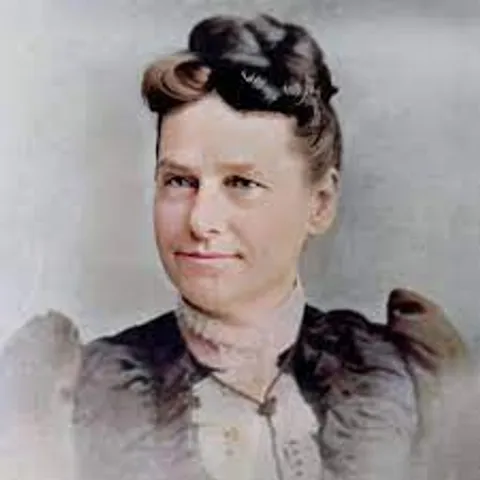 Maria Woodworth-Etter’s Early life
Maria’s early life was plagued with tragedies. Her father died of sunstroke when she was 11 years old leaving her mother with eight children to provide for. She married at 16 but fought a continual battle with ill-health, losing five of her six children. During her sickness she had visions of children in heaven and the lost suffering in hell.
She promised God, that if He would heal her, she would serve Him completely. She asked God for same apostolic power He gave the disciples and was gloriously baptized in the Holy Spirit. “It felt like liquid fire, and there were angels all around.”
The call to preach
Despite her personal struggles with ‘women in ministry’ and the prevailent hostile attitudes to female preachers, she felt compelled by God to accept the invitation to preach in the United Brethren in Christ (Friends) in 1876 and later associated with the Methodist Holiness church.
Evangelism with signs and wonders
Though simply evangelistic in the early days she was unusually successful and in 1885 supernatural signs began to accompany her ministry. Her ministry resurrected dead churches, brought salvation to thousands of unconverted and encouraged believers to seek a deeper walk with God.
She descibes one of her meetings
She described an 1883 meeting in Fairview, Ohio: “I felt impressed God was going to restore love and harmony in the church..… All present came to the altar, made a full consecration, and prayed for a baptism of the Holy Ghost and fire. That night it came. Fifteen same to the altar screaming for mercy.
Men and women fell and lay like dead. I felt it was the work of God, but did not know how to explain it or what to say. I was a little frightened . . . after lying for two hours all, one after another, sprang to their feet as quick as a flash with shining faces and shouted all over the house. I had never seen such bright conversions or such shouting….
The ministers and old saints wept and praised the Lord …..they said it was the Pentecost power, that the Lord was visiting them in great mercy and power …..(they) experienced visions of heaven and hell, collapsed on the floor as if they’d been shot or had died.” Subsequently, thousands were healed of a wide variety of sicknesses and diseases and many believers, even ministers, received mighty baptisms of the Holy Spirit. She soon became a national phenomenon.
1,000 seater tent
In 1889, she purchased a tent that could seat eight thousand people and set it up in Oakland, California. “The power of God was over all the congregation; and around in the city of Oakland. The Holy Ghost would fall on the people while we were preaching. The multitude would be held still, like as though death was in their midst.
Many of the most intelligent and best dressed men would fall back in their seats, with their hands held up to God. being held under the mighty power of God. Men and women fell, all over the tent, like trees in a storm; some would have visions of God. Most all of them came out shouting the praises of God.”
She declared that if 19th-century believers would meet God’s conditions, as the 120 did on the Day of Pentecost, they would have the same results. “A mighty revival would break out that would shake the world, and thousands of souls would be saved. The displays of God’s power on the Day of Pentecost were only a sample of what God designed should follow through the ages. Instead of looking back to Pentecost, let us always be expecting it to come, especially in these days.”
Her views of Pentecostalism
Initially she had grave concerns about the burgeoning Pentecostal movement, mainly because of some unbalanced teaching and reported extremism. Soon she came to believe it was an authentic move of the Holy Spirit and was enthusiastically welcomed within its ranks. She became both a model and a mentor for the fledgling movement. This association elicited another wave of revival between 1912 and her death in 1924 as she ministered throughout the country and her books were read across the world.
Etter Tabenacle
In 1918, she built Etter Tabernacle as her home church base and affiliated with the Assemblies of God. In her closing years she still ministered with a powerful anointing despite struggling with gastritis and dropsy. On occasion she would be carried to the podium, preach with extraordinary power, then be carried home again!
Her demise
Her health continued to decline and she died on September 16, 1924. She is buried in a grave in Indianapolis next to her daughter and son-in-law. Her inscription reads “Thou showest unto thousands lovingkindness.”
In conclusion
Without doubt Maria Woodworth-Etter was an amazing woman blessed with an astonishing ministry. Rev. Stanley Smith – one of the famous “Cambridge Seven” and for many years a worker with “The China Inland Mission” wrote this about her autobiography:
“I cannot let this opportunity go by without again bringing to the notice of my readers, ‘Acts of the Holy Ghost,’ or ‘Life and Experiences of Mrs. M. B. Woodworth-Etter.’ It is a book I value next to the Bible. In special seasons of waiting on God I have found it helpful to have the New Testament on one side of me and Mrs. Etter’s book on the other; this latter is a present-day record of ‘the Acts’ multiplied.
Mrs. Etter is a woman who has had a ministry of healing since 1885, her call as an evangelist being some years previous to this. I venture to think that this ministry is unparalleled in the history of the Church, for which I give all the glory to the Lord Jesus Christ, as Mrs. Etter would, I know, wish me to do. This ministry should be made known, for the glory of the Triune God and the good of believers.”
We agree and pray that such an anointing will rest upon God’s end-time people so that ‘this Gospel of the Kingdom will be preached in all the world before the end comes!’ Matthew 24:14
Tony Cauchi
Maria Woodworth-Etter’s Early life
Maria’s early life was plagued with tragedies. Her father died of sunstroke when she was 11 years old leaving her mother with eight children to provide for. She married at 16 but fought a continual battle with ill-health, losing five of her six children. During her sickness she had visions of children in heaven and the lost suffering in hell.
She promised God, that if He would heal her, she would serve Him completely. She asked God for same apostolic power He gave the disciples and was gloriously baptized in the Holy Spirit. “It felt like liquid fire, and there were angels all around.”
The call to preach
Despite her personal struggles with ‘women in ministry’ and the prevailent hostile attitudes to female preachers, she felt compelled by God to accept the invitation to preach in the United Brethren in Christ (Friends) in 1876 and later associated with the Methodist Holiness church.
Evangelism with signs and wonders
Though simply evangelistic in the early days she was unusually successful and in 1885 supernatural signs began to accompany her ministry. Her ministry resurrected dead churches, brought salvation to thousands of unconverted and encouraged believers to seek a deeper walk with God.
She descibes one of her meetings
She described an 1883 meeting in Fairview, Ohio: “I felt impressed God was going to restore love and harmony in the church..… All present came to the altar, made a full consecration, and prayed for a baptism of the Holy Ghost and fire. That night it came. Fifteen same to the altar screaming for mercy.
Men and women fell and lay like dead. I felt it was the work of God, but did not know how to explain it or what to say. I was a little frightened . . . after lying for two hours all, one after another, sprang to their feet as quick as a flash with shining faces and shouted all over the house. I had never seen such bright conversions or such shouting….
The ministers and old saints wept and praised the Lord …..they said it was the Pentecost power, that the Lord was visiting them in great mercy and power …..(they) experienced visions of heaven and hell, collapsed on the floor as if they’d been shot or had died.” Subsequently, thousands were healed of a wide variety of sicknesses and diseases and many believers, even ministers, received mighty baptisms of the Holy Spirit. She soon became a national phenomenon.
1,000 seater tent
In 1889, she purchased a tent that could seat eight thousand people and set it up in Oakland, California. “The power of God was over all the congregation; and around in the city of Oakland. The Holy Ghost would fall on the people while we were preaching. The multitude would be held still, like as though death was in their midst.
Many of the most intelligent and best dressed men would fall back in their seats, with their hands held up to God. being held under the mighty power of God. Men and women fell, all over the tent, like trees in a storm; some would have visions of God. Most all of them came out shouting the praises of God.”
She declared that if 19th-century believers would meet God’s conditions, as the 120 did on the Day of Pentecost, they would have the same results. “A mighty revival would break out that would shake the world, and thousands of souls would be saved. The displays of God’s power on the Day of Pentecost were only a sample of what God designed should follow through the ages. Instead of looking back to Pentecost, let us always be expecting it to come, especially in these days.”
Her views of Pentecostalism
Initially she had grave concerns about the burgeoning Pentecostal movement, mainly because of some unbalanced teaching and reported extremism. Soon she came to believe it was an authentic move of the Holy Spirit and was enthusiastically welcomed within its ranks. She became both a model and a mentor for the fledgling movement. This association elicited another wave of revival between 1912 and her death in 1924 as she ministered throughout the country and her books were read across the world.
Etter Tabenacle
In 1918, she built Etter Tabernacle as her home church base and affiliated with the Assemblies of God. In her closing years she still ministered with a powerful anointing despite struggling with gastritis and dropsy. On occasion she would be carried to the podium, preach with extraordinary power, then be carried home again!
Her demise
Her health continued to decline and she died on September 16, 1924. She is buried in a grave in Indianapolis next to her daughter and son-in-law. Her inscription reads “Thou showest unto thousands lovingkindness.”
In conclusion
Without doubt Maria Woodworth-Etter was an amazing woman blessed with an astonishing ministry. Rev. Stanley Smith – one of the famous “Cambridge Seven” and for many years a worker with “The China Inland Mission” wrote this about her autobiography:
“I cannot let this opportunity go by without again bringing to the notice of my readers, ‘Acts of the Holy Ghost,’ or ‘Life and Experiences of Mrs. M. B. Woodworth-Etter.’ It is a book I value next to the Bible. In special seasons of waiting on God I have found it helpful to have the New Testament on one side of me and Mrs. Etter’s book on the other; this latter is a present-day record of ‘the Acts’ multiplied.
Mrs. Etter is a woman who has had a ministry of healing since 1885, her call as an evangelist being some years previous to this. I venture to think that this ministry is unparalleled in the history of the Church, for which I give all the glory to the Lord Jesus Christ, as Mrs. Etter would, I know, wish me to do. This ministry should be made known, for the glory of the Triune God and the good of believers.”
We agree and pray that such an anointing will rest upon God’s end-time people so that ‘this Gospel of the Kingdom will be preached in all the world before the end comes!’ Matthew 24:14
Tony Cauchi
"Do You Ever Think About Heaven"
Do you ever think about Heaven? The beauty, and how it will be to live in eternity with Jesus? No one knows all about Heaven. And I believe even if we were to see it in person it would be like attempting to define God; overwhelmingly magnificent in so many ways that it would be beyond description. However, some fascinating information about Heaven is in the Bible. So, with the Holy Spirit's prompting, I began to search the scriptures. What I found was a captivating spiritual glimpse of Heaven that I would like to share with you. Mansions I genuinely believe God has provided a home for us in Heaven “In my Father's house are many mansions: if it were not so, I would have told you. I go to prepare a place for you,” (John 14:2). There were "many mansions" in Heaven when Jesus made this statement, and He promised to create more. I believe there will be a place prepared for every child of God. Giving up this body will be painful only so far as it pertains to our earthly life, and even that is not as fearful as is typically portrayed, at least not for Christians. The answer is to have absolute belief in God. Having full confidence in His Word brings freedom, and a new dimension to life, and allows us to look forward to whatever He has for us on this earth and for the rest of eternity. The Beauty of Heaven The earth is beautiful with flowers of every color, and symmetry beyond imagination; beautiful fishes in the sea, and the mountains, valleys, rivers, a fantastic variety of animals, birds, seasons of the year, and yes, people, and they are all beautiful. Sunrises and sunsets, so many things we take for granted. But the beauty of the earth cannot compare with the magnificence of Heaven. When we think of Heaven, gates of pearl often come to mind. Pearls can consist of every color. The streets in Heaven are gold, and there is a crystal river flowing from the Throne of God. Biblical descriptions and experiences of those who have visited or received visions of Heaven report a scene of unimaginable beauty. Colors conveying incredible spiritual sensations, and music of another dimension. Heaven will not be a strange experience, but more natural than life on earth; because our citizenship is in Heaven. This earth is not our home. Our home is in Heaven with our Father and our brothers and sisters, with whom we will spend eternity. "For our citizenship is in heaven, from which we also eagerly wait for the Savior, the Lord Jesus Christ," (Phil 3:20. NKJV). The Father and Son will be there, and our family members and friends who have passed on. There will be Bible people and prophets and Apostles of the Old and New Testament, angels, and other heavenly beings gathered around the Throne of God, (another beauty beyond description). How Will it be to Live in Heaven? I see death as a door we pass through and on the other side a beautiful new way of life beyond comprehension. I believe when we begin to experience the glory of God, we will surely say, "O death, where is thy sting? O grave, where is thy victory?" (1 Cor 15:55). I believe we will have a real lifestyle in Heaven, a home, and that we will know one another: "For now we see in a mirror, dimly, but then face to face. Now I know in part, but then I shall know just as I also am known," (1 Cor 13:12, NKJV). There will be no sickness, heartache, pain, or tears because: "He will wipe away every tear from their eyes, and death shall be no more, neither shall there be mourning, nor crying, nor pain anymore, for the former things have passed away,” (Rev 21:4). Although no one can say with certainty how we will spend our time or what our responsibilities will be, we know that both Jesus and God work, so I believe we will have exciting work: But Jesus answered them, “My Father has been working until now, and I have been working,” (John 5:17). I am sure we will not be sitting on clouds with our feet dangling. I believe we will be busy, and that we will worship God alongside the angels. "And all the angels were standing around the throne and the elders and the four living creatures, and they fell on their faces before the throne and worshiped God," (Rev 7:11-12). There are many things the Bible does not tell us about Heaven. But I am convinced that our lifestyle will be like the other Gifts of God, far beyond anything we can ask or think, and that the parts we have not been told will be the best of all. New Heaven and New Earth "For here we have no lasting city, but we are seeking the city which is to come," (Heb13:14). At some point, there will be a new heaven and a new earth. We will have much to do, and I believe it will be enjoyable and that we will remain young and energetic forever. “In keeping with his promise we are looking forward to a new heaven and a new earth, where righteousness dwells,” (2 Pet 3:13). “The wolf will live with the lamb, the leopard will lie down with the goat, the calf and the lion and the yearling together; and a little child will lead them.” (Isa 11:6). The Apostle Paul's Heavenly Visit The Apostle Paul, speaking of himself in 2 Cor 12, said: "And I know such a man—whether in the body or out of the body I do not know, God knows— how he was caught up into Paradise and heard inexpressible words, which it is not lawful for a man to utter." "And lest I should be exalted above measure by the abundance of the revelations, a thorn in the flesh was given to me, a messenger of Satan to buffet me, lest I be exalted above measure," (2 Cor 12: 3-4, 7) Later, the Apostle Paul said that he was torn between leaving and staying; and that his only desire for remaining on earth was to tell others about the good news/Gospel, so they could also be with the Lord. "But I am hard-pressed between the two. I have the desire to leave [this world] and be with Christ, for that is far, far better; yet to remain in my body is more necessary and essential for your sake, (Phil 1: 23-24, AMP). Thoughts of Heaven should persuade those who hope for eternal life to follow God’s plan of salvation, and to do everything possible to bring their loved ones and others with them to a Heavenly Home prepared just for them. Jesus is With Us All the Way It is impossible to understand eternity. Even a thousand times ten thousand years will hardly be a mark in eternity. God considered it so valuable that He sent His only begotten Son to give His life so that anyone who was born-again would spend eternity with Him in Heaven. Like John Bunyan's "Pilgrim's Progress," the Christian journey to Heaven, except for the Holy Spirit, would be extremely challenging. However, we are not without the Holy Spirit, and Jesus promises to be with us all the way. “Teaching them to observe all things that I have commanded you; and lo, I am with you always, even to the end of the age.” Amen. (Matt 28:20). The sorrows, hardships, disappointments, and pain suffered on earth will be of little importance when we receive the first glimpse of our heavenly home. I often visualize my time of transition into Heaven as an experience so beautiful, fantastic and life-changing that it is difficult to think or concentrate on the troubles that plague humanity. I see my life as a journey, or time of preparation for a big event, the greatest adventure of my life. Although Jesus told us it would be a difficult journey, He also said we should continue and that someday we would hear these beautiful words: “Well done, good and faithful servant! You have been faithful with a few things; I will put you in charge of many things. Come and share your master's happiness!” (Matt 25:21, NLT). Samuel Mills