

%20by%20Francine%20Rivers%20(z-lib.org).epub-160.webp)

-160.webp)







About the Book
"A Voice in the Wind" by Francine Rivers follows the intertwining lives of Hadassah, a Hebrew slave girl in ancient Rome, Marcus, a wealthy and conflicted Roman aristocrat, and Julia, a spoiled and selfish Roman noblewoman. As their lives collide, they are forced to confront their beliefs, values, and choices in the midst of the cruelty and chaos of the Roman Empire. The novel explores themes of love, faith, sacrifice, redemption, and the power of forgiveness in a gripping and emotional tale of courage and hope.
William Carey
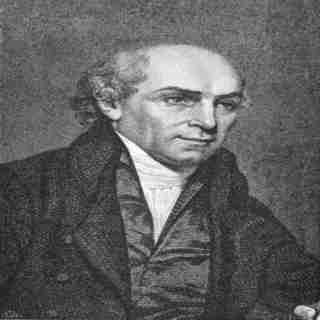 "Expect great things; attempt great things."
At a meeting of Baptist leaders in the late 1700s, a newly ordained minister stood to argue for the value of overseas missions. He was abruptly interrupted by an older minister who said, "Young man, sit down! You are an enthusiast. When God pleases to convert the heathen, he'll do it without consulting you or me."
That such an attitude is inconceivable today is largely due to the subsequent efforts of that young man, William Carey.
Plodder Carey was raised in the obscure, rural village of Paulerpury, in the middle of England. He apprenticed in a local cobbler's shop, where the nominal Anglican was converted. He enthusiastically took up the faith, and though little educated, the young convert borrowed a Greek grammar and proceeded to teach himself New Testament Greek.
When his master died, he took up shoemaking in nearby Hackleton, where he met and married Dorothy Plackett, who soon gave birth to a daughter. But the apprentice cobbler's life was hard—the child died at age 2—and his pay was insufficient. Carey's family sunk into poverty and stayed there even after he took over the business.
"I can plod," he wrote later, "I can persevere to any definite pursuit." All the while, he continued his language studies, adding Hebrew and Latin, and became a preacher with the Particular Baptists. He also continued pursuing his lifelong interest in international affairs, especially the religious life of other cultures.
Carey was impressed with early Moravian missionaries and was increasingly dismayed at his fellow Protestants' lack of missions interest. In response, he penned An Enquiry into the Obligations of Christians to Use Means for the Conversion of the Heathens. He argued that Jesus' Great Commission applied to all Christians of all times, and he castigated fellow believers of his day for ignoring it: "Multitudes sit at ease and give themselves no concern about the far greater part of their fellow sinners, who to this day, are lost in ignorance and idolatry."
Carey didn't stop there: in 1792 he organized a missionary society, and at its inaugural meeting preached a sermon with the call, "Expect great things from God; attempt great things for God!" Within a year, Carey, John Thomas (a former surgeon), and Carey's family (which now included three boys, and another child on the way) were on a ship headed for India.
Stranger in a strange land
Thomas and Carey had grossly underestimated what it would cost to live in India, and Carey's early years there were miserable. When Thomas deserted the enterprise, Carey was forced to move his family repeatedly as he sought employment that could sustain them. Illness racked the family, and loneliness and regret set it: "I am in a strange land," he wrote, "no Christian friend, a large family, and nothing to supply their wants." But he also retained hope: "Well, I have God, and his word is sure."
He learned Bengali with the help of a pundit, and in a few weeks began translating the Bible into Bengali and preaching to small gatherings.
When Carey himself contracted malaria, and then his 5-year-old Peter died of dysentery, it became too much for his wife, Dorothy, whose mental health deteriorated rapidly. She suffered delusions, accusing Carey of adultery and threatening him with a knife. She eventually had to be confined to a room and physically restrained.
"This is indeed the valley of the shadow of death to me," Carey wrote, though characteristically added, "But I rejoice that I am here notwithstanding; and God is here."
Gift of tongues
In October 1799, things finally turned. He was invited to locate in a Danish settlement in Serampore, near Calcutta. He was now under the protection of the Danes, who permitted him to preach legally (in the British-controlled areas of India, all of Carey's missionary work had been illegal).
Carey was joined by William Ward, a printer, and Joshua and Hanna Marshman, teachers. Mission finances increased considerably as Ward began securing government printing contracts, the Marshmans opened schools for children, and Carey began teaching at Fort William College in Calcutta.
In December 1800, after seven years of missionary labor, Carey baptized his first convert, Krishna Pal, and two months later, he published his first Bengali New Testament. With this and subsequent editions, Carey and his colleagues laid the foundation for the study of modern Bengali, which up to this time had been an "unsettled dialect."
Carey continued to expect great things; over the next 28 years, he and his pundits translated the entire Bible into India's major languages: Bengali, Oriya, Marathi, Hindi, Assamese, and Sanskrit and parts of 209 other languages and dialects.
He also sought social reform in India, including the abolition of infanticide, widow burning (sati), and assisted suicide. He and the Marshmans founded Serampore College in 1818, a divinity school for Indians, which today offers theological and liberal arts education for some 2,500 students.
By the time Carey died, he had spent 41 years in India without a furlough. His mission could count only some 700 converts in a nation of millions, but he had laid an impressive foundation of Bible translations, education, and social reform.
His greatest legacy was in the worldwide missionary movement of the nineteenth century that he inspired. Missionaries like Adoniram Judson, Hudson Taylor, and David Livingstone, among thousands of others, were impressed not only by Carey's example, but by his words "Expect great things; attempt great things." The history of nineteenth-century Protestant missions is in many ways an extended commentary on the phrase.
"Expect great things; attempt great things."
At a meeting of Baptist leaders in the late 1700s, a newly ordained minister stood to argue for the value of overseas missions. He was abruptly interrupted by an older minister who said, "Young man, sit down! You are an enthusiast. When God pleases to convert the heathen, he'll do it without consulting you or me."
That such an attitude is inconceivable today is largely due to the subsequent efforts of that young man, William Carey.
Plodder Carey was raised in the obscure, rural village of Paulerpury, in the middle of England. He apprenticed in a local cobbler's shop, where the nominal Anglican was converted. He enthusiastically took up the faith, and though little educated, the young convert borrowed a Greek grammar and proceeded to teach himself New Testament Greek.
When his master died, he took up shoemaking in nearby Hackleton, where he met and married Dorothy Plackett, who soon gave birth to a daughter. But the apprentice cobbler's life was hard—the child died at age 2—and his pay was insufficient. Carey's family sunk into poverty and stayed there even after he took over the business.
"I can plod," he wrote later, "I can persevere to any definite pursuit." All the while, he continued his language studies, adding Hebrew and Latin, and became a preacher with the Particular Baptists. He also continued pursuing his lifelong interest in international affairs, especially the religious life of other cultures.
Carey was impressed with early Moravian missionaries and was increasingly dismayed at his fellow Protestants' lack of missions interest. In response, he penned An Enquiry into the Obligations of Christians to Use Means for the Conversion of the Heathens. He argued that Jesus' Great Commission applied to all Christians of all times, and he castigated fellow believers of his day for ignoring it: "Multitudes sit at ease and give themselves no concern about the far greater part of their fellow sinners, who to this day, are lost in ignorance and idolatry."
Carey didn't stop there: in 1792 he organized a missionary society, and at its inaugural meeting preached a sermon with the call, "Expect great things from God; attempt great things for God!" Within a year, Carey, John Thomas (a former surgeon), and Carey's family (which now included three boys, and another child on the way) were on a ship headed for India.
Stranger in a strange land
Thomas and Carey had grossly underestimated what it would cost to live in India, and Carey's early years there were miserable. When Thomas deserted the enterprise, Carey was forced to move his family repeatedly as he sought employment that could sustain them. Illness racked the family, and loneliness and regret set it: "I am in a strange land," he wrote, "no Christian friend, a large family, and nothing to supply their wants." But he also retained hope: "Well, I have God, and his word is sure."
He learned Bengali with the help of a pundit, and in a few weeks began translating the Bible into Bengali and preaching to small gatherings.
When Carey himself contracted malaria, and then his 5-year-old Peter died of dysentery, it became too much for his wife, Dorothy, whose mental health deteriorated rapidly. She suffered delusions, accusing Carey of adultery and threatening him with a knife. She eventually had to be confined to a room and physically restrained.
"This is indeed the valley of the shadow of death to me," Carey wrote, though characteristically added, "But I rejoice that I am here notwithstanding; and God is here."
Gift of tongues
In October 1799, things finally turned. He was invited to locate in a Danish settlement in Serampore, near Calcutta. He was now under the protection of the Danes, who permitted him to preach legally (in the British-controlled areas of India, all of Carey's missionary work had been illegal).
Carey was joined by William Ward, a printer, and Joshua and Hanna Marshman, teachers. Mission finances increased considerably as Ward began securing government printing contracts, the Marshmans opened schools for children, and Carey began teaching at Fort William College in Calcutta.
In December 1800, after seven years of missionary labor, Carey baptized his first convert, Krishna Pal, and two months later, he published his first Bengali New Testament. With this and subsequent editions, Carey and his colleagues laid the foundation for the study of modern Bengali, which up to this time had been an "unsettled dialect."
Carey continued to expect great things; over the next 28 years, he and his pundits translated the entire Bible into India's major languages: Bengali, Oriya, Marathi, Hindi, Assamese, and Sanskrit and parts of 209 other languages and dialects.
He also sought social reform in India, including the abolition of infanticide, widow burning (sati), and assisted suicide. He and the Marshmans founded Serampore College in 1818, a divinity school for Indians, which today offers theological and liberal arts education for some 2,500 students.
By the time Carey died, he had spent 41 years in India without a furlough. His mission could count only some 700 converts in a nation of millions, but he had laid an impressive foundation of Bible translations, education, and social reform.
His greatest legacy was in the worldwide missionary movement of the nineteenth century that he inspired. Missionaries like Adoniram Judson, Hudson Taylor, and David Livingstone, among thousands of others, were impressed not only by Carey's example, but by his words "Expect great things; attempt great things." The history of nineteenth-century Protestant missions is in many ways an extended commentary on the phrase.
jesus is coming again
Reader, do you know that Jesus is coming again? He said, "I will come again" (John 14:3) and His word endureth forever (1 Pet. 1:25), for He is the truth (John 14:6). The angels said He would come again. "This same Jesus," and "in like manner" (Acts 1:11), and they were not mistaken when they announced His first coming (Luke 1:26-33; see also Luke 2:8-18). The Holy Spirit, by the mouth of the apostles, hath repeatedly said He would come again (1 Thess. 4:16; Heb. 9:28, Heb. 10:37). Is not such an event, stated upon such authority, of vital importance to us? At His first coming, the world rejected Him. He was the despised Nazarene. But when He comes again, He will appear as "the blessed and only Potentate, the King of Kings and Lord of Lords" (1 Tim. 6:13-15). He is coming to sit upon the throne of His glory (Matt. 25:31), and to be admired in all them that believed (2 Thess. 1:10), and to rule, in judgment and equity, all the nations of the earth (Psa. 2:9; Isa. 9:6-7; Rev. 2:25-27). How glorious it will be to see the King in His beauty (Isa. 33:17). Perhaps you are not a Christian, and say— "I Don't Care Anything About It." Then, dear friend, we point you to the crucified Savior as the only hope of salvation. We beg of you to "kiss the Son," lest ye perish from the way. Blessed are all they that put their trust in Him (Psalm 2:12). What shall it profit you if you gain the whole world and lose your own soul? (Matt. 16:26-27) He is coming, and we know neither the day, nor the hour, when He may come (Matt. 25:13). What if He should come now? Would you be found of Him in peace (2 Pet. 3:14), or would you be left behind to endure the terrible things which shall come upon the world (Luke 21:25-26), while the church is with Christ in the air (Luke 21:36; 1 Thess. 4:17), and be made at His appearing (2 Thess. 1:7-10) to mourn (Matt. 24:30) and pray to the mountains and rocks to hide you from His face? (Rev. 6:16). "Prepare to meet thy God," was the solemn injunction to Israel (Amos 4:12), and every one of us, both Jew and Gentile, must meet Him, either in grace or in judgment. We, then, as ambassadors for Christ, beseech you: be ye reconciled to God (2 Cor. 5:20), now, in the accepted time, in the day of salvation (2 Cor. 6:2; Luke 14:31-33). Do let us entreat you to repent and be converted, that your sins may be blotted out (Acts 10:42-43; Acts 17:30-31), and that you may turn "to serve the living and true God; and to wait for his Son from Heaven" (1 Thess. 1:9-10), and be unblamable at the coming of our Lord Jesus Christ (1 Thess. 3:13). But if you are a Christian, then we point you to His coming again, as The True Incentive to a Holy Life.(1 John 3:2-3) Jesus is coming, therefore mortify your members which are upon the earth, that you may appear with Him in glory (Col. 3:4-5). Strive and pray for purity of heart, that you may be like Him and see Him as He is (Matt. 5:18; 1 John 3:2-3). Search the Word, that you may be sanctified and cleansed thereby (Eph. 5:26), and that your whole spirit, and soul, and body may be preserved blameless unto the coming of our Lord Jesus Christ (1 Thess. 5:23). But possibly you say, with contempt, "Oh, That's Second Adventism." Beloved, have you considered that Moses (Deut. 33:2), so David (Psa. 102:16), Isaiah (Isa. 59:20; Isa. 60:1), Jeremiah (Jer. 23:5-6), Daniel (Dan. 7:13), Zechariah (Zech. 14:4-5), all the prophets and apostles (Acts 15:15-17), were believers in the second advent of Christ? And because some, by setting dates, and other errors, have brought disrepute upon this doctrine, shall we cast it aside altogether? But it may be you say (as we have been pained to hear from so many even earnest Christians): "Well, I Don't Think It Concerns Me Much, Anyway: I've always thought that in most cases it meant death, and if I'm prepared for death, that's enough; and there is too much speculation about it to suit me; and I don't believe it's a practical doctrine; and, more than that, I think it's a mistake to pay so much attention to it." Yes, even thus do many Christians, — who profess to be members of the body of Christ (1 Cor. 12:27), and who have been espoused unto one husband, that they may be presented to Him (2 Cor. 11:2) — summarily dispose of this precious truth, that Jesus is coming, to take unto Himself His bride (John 14:3; Eph. 5:23, 32). O, beloved, do not thus deprive yourself of this comforting truth. Please take your pencil and mark in your Bible the passages that pertain to it; and see How Large a Portion of the Word Is Devoted to It. If the Holy Ghost has deemed it so important, is it not worthy of our attention? The Word exhorts us (1 Thess. 4:18; 1 Cor. 1:7) to give attention to it (Rev. 1:3); and the danger of condemnation is to them who do not (Luke 12:45-46; Luke 21:34-36; 1 Thess. 5:1-7). Again, please examine the passages cited under the heading, A Practical Doctrine, and see how Jesus and the apostles used this doctrine to incite us to watchfulness, repentance, patience, ministerial faithfulness, brotherly love, etc., and then decide whether anything could be more practical. Surely no doctrine, in the Word of God, presents a deeper motive for crucifying the flesh, and for separation unto God, and to work for souls, as our hope and joy and crown of rejoicing (1 Thess. 2:19; Dan. 12:3) than this does. For the whole teaching of it is, that our conversation (citizenship) is in heaven; from whence also we look for the Savior, the Lord Jesus Christ; who shall change our vile body, that it may be fashioned like unto His glorious body (Phil. 3:20-21). It awakens groaning for the adoption, to wit, the redemption of our body (Rom. 8:23; Luke 21:28). It gives us a view of the world, as a wrecked vessel (Matt. 7:13-14; 1 Thess. 5:3; 2 Pet. 2:3-9; 2 Pet. 3:5-12), and stimulates us to work with all our might that we may save some (1 Cor. 9:22). Most, if not all, of the evangelists of our day are animated by this doctrine, and surely their work is practical. Again, Peter says, "We have also a more sure word of prophecy; whereunto ye do well that ye take heed, as unto a light that shineth in a dark place, until the day dawn, and the day star arise in your hearts:" (2 Pet. 1:19); and he exhorts us to be mindful of these words (2 Pet. 3:1-2). Therefore we are not speculating when we prayerfully study prophecy. From Jesus is Coming by W. E. B. 3rd. rev. New York: Fleming H. Revell, ©1908. Chapter 1.