
Others like the shepherd’s staff Features >>

About the Book
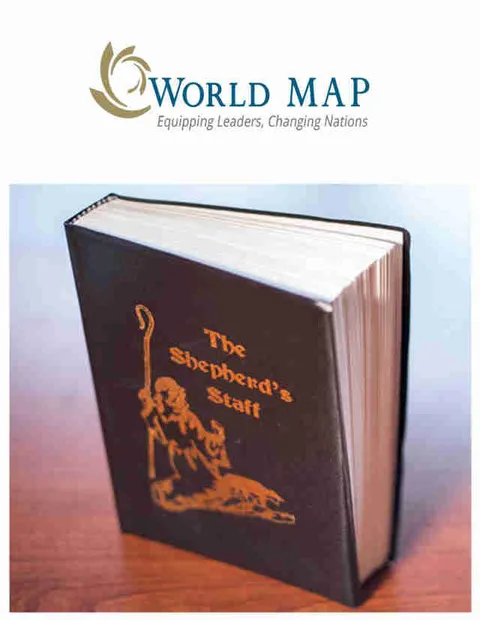
"The Shepherd's Staff" by Ralph Mahoney is a practical guide for spiritual shepherds, providing insights into effective pastoral leadership, nurturing and equipping the members of the church, and leading with humility and integrity. The book emphasizes the importance of the shepherd's role in guiding and caring for their flock, offering practical advice and wisdom for those in ministry.
Charles Finney
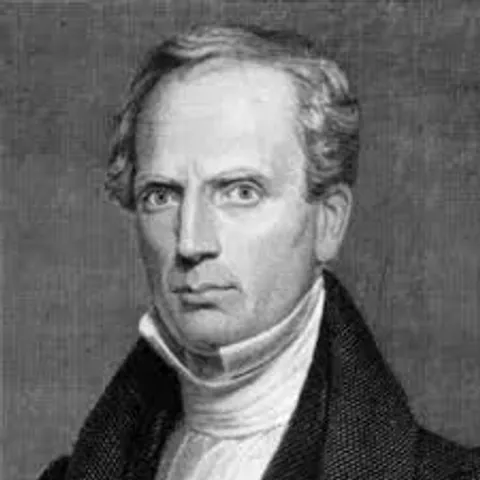 Childhood and Teen years
Charles Grandison Finney was born the year after Wesley died on 29th August, 1792 in Warren, Connecticut. In 1794 his family moved to New York state, eventually settling at Henderson, near Lake Ontario. Although he received only a brief formal education he decided to study law and joined the practice of a local lawyer, Benjamin Wright. He was also very musical, played the cello and directed the choir at the local Presbyterian Church pastured by Rev. George Gale.
His conversion
His conversion on October 10th 1821 reads like something out of the book of Acts. Smitten with conviction from Bible reading he decided to ‘settle the question of my soul’s salvation at once, that if it were possible, I would make my peace with God.’ (Autobiography)
This conviction increased to an unbearable level over the next couple of days and came to an head when he was suddenly confronted with an ‘inward voice.’ He was inwardly questioned about his spiritual condition and finally received revelation about the finished work of Christ and his own need to give up his sins and submit to Christ’s righteousness.
As he sought God in a nearby wood he was overwhelmed with an acute sense of his own wickedness and pride but finally submitted his life to Christ. Back at work that afternoon he was filled with a profound sense of tenderness, sweetness and peace. When work was over and he bade his employer goodnight, he then experienced a mighty baptism in the Holy Spirit, which was recorded as vividly as the day he experienced it, though it was penned some fifty years later.
The next morning Finney announced to a customer that he was leaving his law studies to become a preacher of the Gospel.
Charles Finney licensed to preach
He was licensed to preach in 1823 and ordained as an evangelist in 1824. His penetrating preaching was quite different from many local ministers and included an obvious attempt to break away from the traditional and, as he saw it, dead, orthodox Calvinism. He married to Lydia Andrews in October 1824 and was also joined by Daniel Nash (1774-1831), known popularly as ‘Father Nash.’ Undoubtedly Nash’s special ministry of prayer played a great part in Finney’s growing success as an evangelist.
Things really took off when he preached in his old church, where Rev. Gale still ministered. Numerous converts and critics followed! Similar results were experienced in nearby towns of Rome and Utica. Soon newspapers were reporting his campaigns and he began drawing large crowds with dramatic responses.
Soon he was preaching in the largest cities of the north with phenomenal results. Campaign after campaign secured thousands of converts.
The high point of Finney’s revival career was reached at Rochester, New York, during his 1830-1 meetings. Shopkeepers closed their businesses and the whole city seemed to centre on the revivalist. Responding to his irresistible logic and passionate arguments many of his converts were lawyers, merchants and those from a higher income and professional status.
His Preaching
Finney openly preached a modified Calvinism, influenced with his own theology of conversion and used what were perceived to be ‘revivalistic techniques.’
These ‘means’ included the use of the anxious bench (a special place for those under conviction), protracted meetings, women allowed to pray in mixed meetings, publicly naming those present resisting God in meetings and the hurried admission of new converts into church membership. Opponents viewed his preaching of the law as ‘scare tactics’ and his persuasive appeals for sinners to come to Christ for salvation were seen as over-emphasising the responsibility of men and ignoring the sovereignty of God.
His theology and practise soon became known as the ‘New Measures’ and attracted many opponents from the Old School Presbyterians led by Asahel Nettleton (himself no stranger to true revival and , the revivalistic Congregationalists headed by Lyman Beecher.
Pastor at Chatham Street Chapel
Finney accepted an appointment as pastor of Chatham Street Chapel in New York City in 1832 where he remained until 1837. It was during this time that he delivered a series of sermons published in 1835 as ‘Lectures on Revivals of Religion.’ Here he clearly stated his views regarding revivals being products of the correct use of human means. Such was the controversy that he left the Presbyterian denomination and joined the Congregationalists in 1836.
Oberlin College
The next year he became professor of theology at Oberlin College (Ohio) where he taught until his death. He was President here from 1851 until 1866, but still continued regular revival meetings in urban settings (twice in England, 1848, 1851) until 1860. During his stay at Oberlin he produced his, Lectures to Professing Christians (1836), Sermons on Important Subjects (1839) and his famous Memoirs.
The Father of Modern Revivalism
There is no doubt that Charles Grandison Finney well-deserves the title ‘The Father of Modern Revivalism.’ He was an evangelistic pioneer whose model was followed by a long line of revivalists from D. L. Moody to Billy Graham. His writing have made a massive impact on the entire evangelical world and particularly the ‘Lectures on Revivals’ which has, arguably, ignited more fires of revival than any other single piece literature in evangelical history.
This ‘Prince of Revivalists’ passed away peacefully at Oberlin on Sunday, 16th August, 1875 aged almost 83 years.
Bibliography: I Will Pour Out My Spirit, R. E. Davies, 1997; Ed: A. Scott Moreau, Baker Evangelical Dictionary of World Missions, 2000; Dictionary of Evangelical Biography 1730-1860, Vol. 1, 1995.
Tony Cauchi
Childhood and Teen years
Charles Grandison Finney was born the year after Wesley died on 29th August, 1792 in Warren, Connecticut. In 1794 his family moved to New York state, eventually settling at Henderson, near Lake Ontario. Although he received only a brief formal education he decided to study law and joined the practice of a local lawyer, Benjamin Wright. He was also very musical, played the cello and directed the choir at the local Presbyterian Church pastured by Rev. George Gale.
His conversion
His conversion on October 10th 1821 reads like something out of the book of Acts. Smitten with conviction from Bible reading he decided to ‘settle the question of my soul’s salvation at once, that if it were possible, I would make my peace with God.’ (Autobiography)
This conviction increased to an unbearable level over the next couple of days and came to an head when he was suddenly confronted with an ‘inward voice.’ He was inwardly questioned about his spiritual condition and finally received revelation about the finished work of Christ and his own need to give up his sins and submit to Christ’s righteousness.
As he sought God in a nearby wood he was overwhelmed with an acute sense of his own wickedness and pride but finally submitted his life to Christ. Back at work that afternoon he was filled with a profound sense of tenderness, sweetness and peace. When work was over and he bade his employer goodnight, he then experienced a mighty baptism in the Holy Spirit, which was recorded as vividly as the day he experienced it, though it was penned some fifty years later.
The next morning Finney announced to a customer that he was leaving his law studies to become a preacher of the Gospel.
Charles Finney licensed to preach
He was licensed to preach in 1823 and ordained as an evangelist in 1824. His penetrating preaching was quite different from many local ministers and included an obvious attempt to break away from the traditional and, as he saw it, dead, orthodox Calvinism. He married to Lydia Andrews in October 1824 and was also joined by Daniel Nash (1774-1831), known popularly as ‘Father Nash.’ Undoubtedly Nash’s special ministry of prayer played a great part in Finney’s growing success as an evangelist.
Things really took off when he preached in his old church, where Rev. Gale still ministered. Numerous converts and critics followed! Similar results were experienced in nearby towns of Rome and Utica. Soon newspapers were reporting his campaigns and he began drawing large crowds with dramatic responses.
Soon he was preaching in the largest cities of the north with phenomenal results. Campaign after campaign secured thousands of converts.
The high point of Finney’s revival career was reached at Rochester, New York, during his 1830-1 meetings. Shopkeepers closed their businesses and the whole city seemed to centre on the revivalist. Responding to his irresistible logic and passionate arguments many of his converts were lawyers, merchants and those from a higher income and professional status.
His Preaching
Finney openly preached a modified Calvinism, influenced with his own theology of conversion and used what were perceived to be ‘revivalistic techniques.’
These ‘means’ included the use of the anxious bench (a special place for those under conviction), protracted meetings, women allowed to pray in mixed meetings, publicly naming those present resisting God in meetings and the hurried admission of new converts into church membership. Opponents viewed his preaching of the law as ‘scare tactics’ and his persuasive appeals for sinners to come to Christ for salvation were seen as over-emphasising the responsibility of men and ignoring the sovereignty of God.
His theology and practise soon became known as the ‘New Measures’ and attracted many opponents from the Old School Presbyterians led by Asahel Nettleton (himself no stranger to true revival and , the revivalistic Congregationalists headed by Lyman Beecher.
Pastor at Chatham Street Chapel
Finney accepted an appointment as pastor of Chatham Street Chapel in New York City in 1832 where he remained until 1837. It was during this time that he delivered a series of sermons published in 1835 as ‘Lectures on Revivals of Religion.’ Here he clearly stated his views regarding revivals being products of the correct use of human means. Such was the controversy that he left the Presbyterian denomination and joined the Congregationalists in 1836.
Oberlin College
The next year he became professor of theology at Oberlin College (Ohio) where he taught until his death. He was President here from 1851 until 1866, but still continued regular revival meetings in urban settings (twice in England, 1848, 1851) until 1860. During his stay at Oberlin he produced his, Lectures to Professing Christians (1836), Sermons on Important Subjects (1839) and his famous Memoirs.
The Father of Modern Revivalism
There is no doubt that Charles Grandison Finney well-deserves the title ‘The Father of Modern Revivalism.’ He was an evangelistic pioneer whose model was followed by a long line of revivalists from D. L. Moody to Billy Graham. His writing have made a massive impact on the entire evangelical world and particularly the ‘Lectures on Revivals’ which has, arguably, ignited more fires of revival than any other single piece literature in evangelical history.
This ‘Prince of Revivalists’ passed away peacefully at Oberlin on Sunday, 16th August, 1875 aged almost 83 years.
Bibliography: I Will Pour Out My Spirit, R. E. Davies, 1997; Ed: A. Scott Moreau, Baker Evangelical Dictionary of World Missions, 2000; Dictionary of Evangelical Biography 1730-1860, Vol. 1, 1995.
Tony Cauchi
why god’s will isn’t always clear
If God wants us to “walk in a manner worthy of the Lord, fully pleasing to him” (Colossians 1:10), why doesn’t he give us more specific guidance in our decisions? The Spontaneous 95% Consider all of the decisions you make during a typical day. Most are quick and spur-of-the-moment. John Piper estimates “that a good 95% of [our] behavior [we] do not premeditate. That is, most of [our] thoughts, attitudes, and actions are spontaneous.” That’s true. And it’s a bit unnerving when you think about it. The majority of the decisions that end up becoming the bricks in the building of our lives are just “spillover from what’s inside.” Even if we do stop and pray about such decisions, it is very rare that we discern God’s specific leading regarding what we should wear, what or where we should eat, if we should respond to this instance of our child’s sin with correction or forbearance, if we should put off that time-consuming errand till tomorrow, or whether we should check our email again . The Massive 5% But what about the other 5% of our decisions? Some of these are massive and life-shaping. Should I marry this person? How much money should I give away and where? How much should we save for retirement? Should we adopt a child? Should I pursue a different vocation? Should we homeschool or not? Should I pursue chemo or an alternative cancer treatment? Should we buy this home? Which college should I attend? Is it time to put my elderly parent in a nursing home? Should I go to the mission field? Shouldn’t we expect God to direct us more explicitly in these? A Concealing Design “God doesn’t always make his will clear because he values our being transformed more than our being informed.” The answer is no, not necessarily. Why? Well, the short answer is because he is God, and we are not. “It is the glory of God to conceal things” (Proverbs 25:2). His wisdom and knowledge are unfathomably deep, his judgments are unsearchable, and his ways are inscrutable (Romans 11:33). Considering all the factors in play in the universe, it is likely no exaggeration that there are trillions of reasons for why God directs the course of our lives, and he prefers to carry out his purposes in ways that confound, surprise, and humble humans, angels, and demons. There is a tremendous glory that God displays when, without tipping his hand to us in advance, we suddenly recognize that he was working his will all along when we couldn’t see it. And he is also merciful to withhold information from us that he knows we aren’t ready to know, even if we think we really want to. A Revealing Design But one reason why God usually doesn’t give us specific guidance in our sometimes perplexing decisions is that he places a higher priority on our being transformed than our being informed in order that we will be conformed to the image of Jesus (Romans 8:29). That’s why Paul writes, Do not be conformed to this world, but be transformed by the renewal of your mind, that by testing you may discern what is the will of God, what is good and acceptable and perfect. (Romans 12:2) What does this mean? It means that God has a design in the difficulty of our discerning. The motives and affections of our hearts, or “renewed minds,” are more clearly revealed in the testing of ambiguous decision-making. In Scripture, God reveals to us everything we need to know to live godly lives (2 Peter 1:3) and to “be complete [and] equipped for every good work” (2 Timothy 3:16–17). But the Father is not seeking workers, but worshipers (John 4:23). And he knows that if he made his will for our specific decisions more explicit more often, we would tend to focus more on what we do rather than what we love . Like the Pharisees, we would tend to focus more on our actions, rather than our affections. But in decisions that require discernment, the wheat is distinguished from the tares. When we’re not quite sure, we end up making decisions based on what we really love. If deep down we love the world, this will become apparent in the pattern of decisions that we make over time — we will conform to this world. But if we really love Jesus, we will increasingly love what he loves — we will be transformed by renewed minds. And our love for him and his kingdom will be revealed in the pattern of small and large decisions that we make. The Pattern of Our Decisions I say “pattern of decisions” because all of us sin and make mistakes. But conformity to the world or to Jesus is most clearly seen in the pattern of decisions we make over time. “Conformity to the world or to Jesus is most clearly seen in the pattern of decisions we make over time.” That’s one reason why God makes us wrestle with uncertainty. He wants us to mature and have our “powers of discernment trained by constant practice to distinguish good from evil” (Hebrews 5:14). The wonderful thing to remember in all of our decisions is that Jesus is our Good Shepherd. He laid down his life for us so that all of our sins are covered — including every sinful or defective decision. He will never leave us or forsake us. He has a staff long enough to pull us out of every hole and a rod to guide us back when we stray. And someday, if we truly seek to love him and trust him, we will see that he really was leading us through the confusing terrain of difficult decisions all along.