
-480.webp)

The Ministry Of The Psalmist (Music Ministry) Order Printed Copy
- Author: Tom Inglis
- Size: 1.19MB | 410 pages
- |
Others like the ministry of the psalmist (music ministry) Features >>

Center Of The Universe Too

The Sermon On The Mount

The Finest Of The Wheat
The Shelter Of The Most High
The Words Of Jesus: A Gospel Of The Sayings Of Our Lord With Reflections
The Songs Of Jesus
The Days Of His Presence
Through The Psalms With Derek Prince

The Power Of Thank You

The Sermon On The Mount
About the Book
"The Ministry of the Psalmist (Music Ministry)" by Tom Inglis explores the role of music in Christian worship and the important responsibilities of those involved in music ministry. The book offers practical guidance, biblical insights, and personal reflections to help readers enhance their music ministry and deepen their connection with God through music.
A.W. Tozer (Aiden Wilson Tozer)
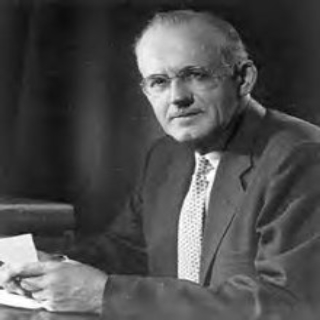 Early life
Tozer hailed from a tiny farming community in western La Jose, Pennsylvania. He was converted to Christianity as a teenager in Akron, Ohio: While on his way home from work at a tire company, he overheard a street preacher say, "If you don't know how to be saved ... just call on God, saying, 'Lord, be merciful to me a sinner.'" Upon returning home, he climbed into the attic and heeded the preacher's advice.
Pastor
In 1919, five years after his conversion and without formal education in Christian theology, Tozer accepted an offer to serve as pastor of his first church. That began 44 years of ministry associated with the Christian and Missionary Alliance (C&MA), a Protestant Evangelical denomination, 33 of them serving as a pastor in several different congregations (his first, a small storefront church in Nutter Fort, West Virginia). Later, he served thirty years (1928 to 1959) as the pastor of Southside Alliance Church in Chicago; the final years of his life he spent as pastor of Avenue Road Church in Toronto, Ontario, Canada. Observing contemporary Christian living, Tozer felt that the church was on a dangerous course toward compromising with "worldly" concerns.
Born into poverty, Tozer was self-educated and taught himself what he missed in high school and university.
Author
Tozer began writing in 1931 for the denominational magazine of the Christian and Missionary Alliance, Alliance Weekly (now Alliance Life), which became the platform from which his writing career emerged. He later wrote the monthly column “There’s Truth in It” (1936–37) and “A Word in Season” (1944–46). In May 1950, he became the editor of the Alliance Weekly, a position he filled until his death in 1963.
At the urging of David W. Fant, publications secretary of the C&MA, Tozer wrote biographies of A. B. Simpson (1943) and Robert A. Jaffray (1947). It was the publication of his third book, The Pursuit of God (1948), that made Tozer a household name among evangelicals. In addition to the 12 books he published in his lifetime, more than 40 other books have been compiled from his magazine features, editorials, and transcribed sermons.
During his lifetime, Tozer’s works were published by Christian Publications, Inc., the denominational press operated by the C&MA. The publishing house declared bankruptcy in 2006 and was purchased by WingSpread Publishers of Camp Hill, Pennsylvania.[8] In November 2013, Moody Publishers acquired Wingspread from parent company Zur Ltd., a transaction that included more than 60 Tozer books and pamphlets. Some of Tozer’s works are now in the public domain and have been issued by multiple publishers.
Personal life
Tozer had seven children, six sons and a daughter. Living a simple and non-materialistic lifestyle, he and his wife, Ada Cecelia Pfautz, never owned a car, preferring bus and train travel. Even after becoming a well-known Christian author, Tozer signed away much of his royalties to those who were in need.
Prayer was of vital personal importance for Tozer. "His preaching as well as his writings were but extensions of his prayer life," comments his biographer, James L. Snyder, in the book In Pursuit of God: The Life Of A.W. Tozer. "He had the ability to make his listeners face themselves in the light of what God was saying to them," writes Snyder.
Death and legacy
Tozer died on May 13, 1963, after suffering a heart attack. He was buried in Chicago, and later the family had his remains reinterred at Ellet Cemetery, Akron, Ohio. A simple marker reads: A. W. Tozer—A Man of God. The Alliance Weekly ran a memorial issue with numerous tributes and excerpts. The same issue also featured “God’s Greatest Gift to Man," a transcription of his final sermon. A few months prior to his death, Tozer had submitted the manuscript to The Christian Book of Mystical Verse, which was released in 1964 as his final book. His official publisher, Christian Publications, released many titles after his death, based on his magazine articles and sermon transcriptions. These continue in print with Moody Publishers. Several other publishers have released his public domain works.
In 2000, The Pursuit of God was named to Christianity Today’s list of 100 “Books of the Century.” In 2006, Knowledge of the Holy was named in “The Top 50 Books That Have Shaped Evangelicals.” Contemporary Christian music artist Lauren Barlow of BarlowGirl later published a compilation of stories told by 59 artists, writers, and leaders about A.W. Tozer’s personal inspiration.
Early life
Tozer hailed from a tiny farming community in western La Jose, Pennsylvania. He was converted to Christianity as a teenager in Akron, Ohio: While on his way home from work at a tire company, he overheard a street preacher say, "If you don't know how to be saved ... just call on God, saying, 'Lord, be merciful to me a sinner.'" Upon returning home, he climbed into the attic and heeded the preacher's advice.
Pastor
In 1919, five years after his conversion and without formal education in Christian theology, Tozer accepted an offer to serve as pastor of his first church. That began 44 years of ministry associated with the Christian and Missionary Alliance (C&MA), a Protestant Evangelical denomination, 33 of them serving as a pastor in several different congregations (his first, a small storefront church in Nutter Fort, West Virginia). Later, he served thirty years (1928 to 1959) as the pastor of Southside Alliance Church in Chicago; the final years of his life he spent as pastor of Avenue Road Church in Toronto, Ontario, Canada. Observing contemporary Christian living, Tozer felt that the church was on a dangerous course toward compromising with "worldly" concerns.
Born into poverty, Tozer was self-educated and taught himself what he missed in high school and university.
Author
Tozer began writing in 1931 for the denominational magazine of the Christian and Missionary Alliance, Alliance Weekly (now Alliance Life), which became the platform from which his writing career emerged. He later wrote the monthly column “There’s Truth in It” (1936–37) and “A Word in Season” (1944–46). In May 1950, he became the editor of the Alliance Weekly, a position he filled until his death in 1963.
At the urging of David W. Fant, publications secretary of the C&MA, Tozer wrote biographies of A. B. Simpson (1943) and Robert A. Jaffray (1947). It was the publication of his third book, The Pursuit of God (1948), that made Tozer a household name among evangelicals. In addition to the 12 books he published in his lifetime, more than 40 other books have been compiled from his magazine features, editorials, and transcribed sermons.
During his lifetime, Tozer’s works were published by Christian Publications, Inc., the denominational press operated by the C&MA. The publishing house declared bankruptcy in 2006 and was purchased by WingSpread Publishers of Camp Hill, Pennsylvania.[8] In November 2013, Moody Publishers acquired Wingspread from parent company Zur Ltd., a transaction that included more than 60 Tozer books and pamphlets. Some of Tozer’s works are now in the public domain and have been issued by multiple publishers.
Personal life
Tozer had seven children, six sons and a daughter. Living a simple and non-materialistic lifestyle, he and his wife, Ada Cecelia Pfautz, never owned a car, preferring bus and train travel. Even after becoming a well-known Christian author, Tozer signed away much of his royalties to those who were in need.
Prayer was of vital personal importance for Tozer. "His preaching as well as his writings were but extensions of his prayer life," comments his biographer, James L. Snyder, in the book In Pursuit of God: The Life Of A.W. Tozer. "He had the ability to make his listeners face themselves in the light of what God was saying to them," writes Snyder.
Death and legacy
Tozer died on May 13, 1963, after suffering a heart attack. He was buried in Chicago, and later the family had his remains reinterred at Ellet Cemetery, Akron, Ohio. A simple marker reads: A. W. Tozer—A Man of God. The Alliance Weekly ran a memorial issue with numerous tributes and excerpts. The same issue also featured “God’s Greatest Gift to Man," a transcription of his final sermon. A few months prior to his death, Tozer had submitted the manuscript to The Christian Book of Mystical Verse, which was released in 1964 as his final book. His official publisher, Christian Publications, released many titles after his death, based on his magazine articles and sermon transcriptions. These continue in print with Moody Publishers. Several other publishers have released his public domain works.
In 2000, The Pursuit of God was named to Christianity Today’s list of 100 “Books of the Century.” In 2006, Knowledge of the Holy was named in “The Top 50 Books That Have Shaped Evangelicals.” Contemporary Christian music artist Lauren Barlow of BarlowGirl later published a compilation of stories told by 59 artists, writers, and leaders about A.W. Tozer’s personal inspiration.
The Silent Marriage-Killer
Most Christian couples would not list shame as one of the top struggles in their marriage. However, in almost a decade of counseling, I’ve seen very few marriages that aren’t hampered by shame on some level. It’s just not often the first thing that’s identified, but it underlies so many other common struggles, especially communication and sex. How can you know if this silent marriage-killer is present in your relationship? Consider the following self-evaluative questions: Are there topics that have become off-limits because you or your spouse get too prickly, defensive, or embarrassed? Can you share embarrassing stories or painful struggles with your spouse and expect empathy, or would you be more likely to receive further ridicule or condemnation? Do you talk openly about your failures, past and present? Is your spouse the first person you turn to for support, comfort, or celebration? And does your spouse do the same to you? When you confront sin in your spouse, do you do so with gentleness and humility as a fellow struggler, or with the posture of one who would never sin in that way ? How comfortable are you in your sexual relationship? Do you share your emotions with your spouse and vice versa? When conflicts arise between you, are you able to resolve them, or do you seem to stall out frequently when one of you withdraws indefinitely? Do you regularly share with each other what God is teaching you through his word, church, and your personal devotional life? Do you pray together? Do you confess your sins to one another as needed, as often as sin arises? Would you prefer not to talk about sin at all, because it’s just too uncomfortable for both of you? None of us have a perfect marriage, or should expect it, but what holds us back too often is the presence of shame — the fear that I will be rejected if I am vulnerable with you. The way to fight shame, and be part of shame’s healing for one another, is to risk openness in these areas where we want to hide from one another. Help Your Spouse Heal We may have been hiding like Adam and Eve since the garden of Eden, but the hope is that God covers our shame and enables us to help cover one another’s shame. If redeemed marital intimacy is to be naked and unashamed (Genesis 2:25), the way to move towards this goal is to become part of healing shame for each other. We have the opportunity to do this in a more powerful way for our spouse than anyone else. We have the unique chance to see them at their most vulnerable, and to bestow grace and compassion instead of judgment and rejection. And the only way we can do this for one another is as we experience this grace from God to us in Jesus Christ. In Christ, we realize that on our own we stand unclothed before God — that our best attempts at righteousness, with the help of his Spirit, are like filthy rags — but that he has clothed us with the perfect righteousness of his own Son, the God-man, so that there is no condemnation nor any threat of separation from God’s love (Romans 8:1, 38–39). Name the Shame Emboldened by the gospel, and empowered by the Spirit, we then can be a reflection of this covering and healing grace for our spouse. We can begin by acknowledging (naming) the areas where shame has held us back from unashamed intimacy in our marriage. Start with yourself. Where have you unwittingly shamed your spouse? Name this, and express that you want to be a place of refuge and safety for your spouse from the shame instead of a contributor to it. Then with gentleness and love, speak about ways you’ve felt shame from your spouse, and offer a few practical ways that he or she could grow in becoming a safe place for you. For example, you might start with, “I have realized how much I tend to offer advice before I listen when you’re discussing a problem from work or home with me. I bet this contributes to a sense that I’m not always a safe person for you to go to when you’re struggling. I want to do better — will you help me?” You Are a Team Then, you could say something like the following to address the ways you’ve experienced shame from your spouse: “When you criticize [the meal I cooked/or my appearance/or how I haven’t been a spiritual leader in our relationship], it makes me doubt my value and your love. I know this isn’t what you mean, but it’s how my own struggle with shame twists your words. It would be great for you to help me fight against shame by refraining from such criticism and affirming your love for me. I’m well aware of the problem, and I want to do better in this area, but what will help me the most is to know that you’re praying with me and for me and that you support me through the struggle.” Remember, you and your spouse are a team. God has joined you together closer than any other human relationship will or can be, and naked and unashamed intimacy is how he created marriage to be. Through the empowering grace of Jesus Christ, we can walk towards more of this created intention of unashamed intimacy together.
-480.webp)