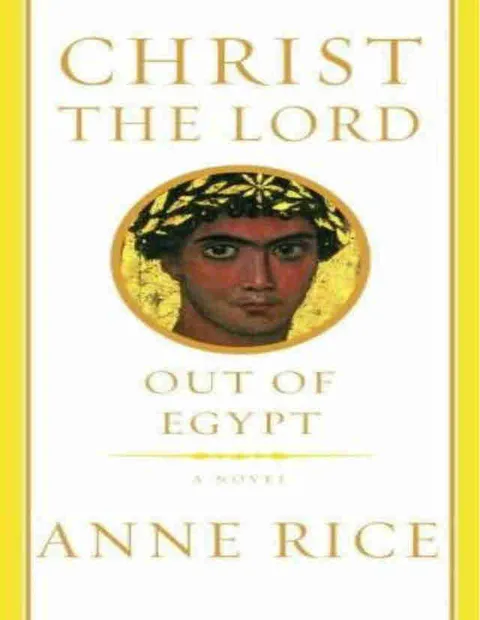

Others like christ the lord out of egypt Features >>







-160.webp)
.-160.webp)
About the Book
"Christ the Lord Out of Egypt" by Anne Rice follows the story of a young Jesus as he grapples with his identity and powers after discovering the truth about his divine heritage. Set in Egypt during the time of King Herod's reign, the novel explores Jesus' journey of self-discovery and his realization of his destiny as the Son of God. Through vivid storytelling and historical accuracy, Rice delves into the religious and supernatural elements surrounding Jesus' early life.
Smith Wigglesworth
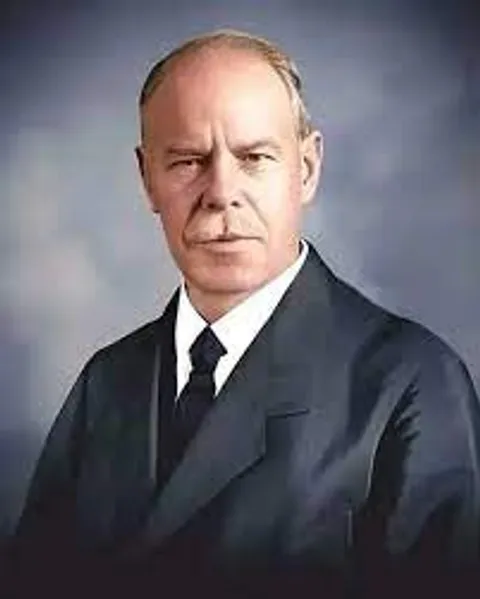 Smith Wigglesworth was born in 1859 to a very poor family. His father did manual labor, for very little pay. Smith himself went to work at the age of six to help with the family income. At six he was pulling turnips and at seven he was working in a woolen mill twelve hours a day. His parents did not know God, but Smith hungered in his heart to know Him. Even as a youngster he would pray in the fields. His grandmother was the critical Christian in his life. She was a Wesleyan Methodist and would take Smith to meetings with her. At one of these meetings there was a song being sung about Jesus as the lamb and Smith came into the realization of God's love for him and his decision to believe Christ for his salvation was decided that day. He was immediately filled with the desire to evangelize and led his own mother to Christ.
Smith has various church experiences as he was growing up. He first went to an Episcopal church and then at thirteen a Wesleyan Methodist church. When he was sixteen he became involved in the Salvation Army. He felt deeply called to fast and pray for lost souls. He saw many people come to Christ. At seventeen a mentor shared with him about water baptism and he decided to be baptized. The Salvation Army was experiencing a tremendous level of the power of God in those days. He describes meetings where "many would be prostrated under the power of the Spirit, sometimes for as long as twenty-four hours at a time." They would pray and fast and cry out for the salvation of fifty or a hundred people for the week and they would see what they had prayed for.
At eighteen Smith left the factory and became a plumber. He moved to Liverpool when he was twenty and continued to work during the day and minister during his free time. He felt called to minister to young people and brought them to meetings. These were destitute and ragged children, whom he would often feed and care for. Hundreds were saved. Smith was often asked to speak in Salvation meetings and he would break down and weep under the power of God. Many would come to repentance in those meetings through this untrained man. At twenty-three he returned back Bradford and continued his work with the Salvation Army.
In Bradford Smith met Mary Jane Featherstone, known as Polly, the daughter of a temperance lecturer. She left home and went to Bradford to take a servants job. One night she was drawn to a Salvation Army meeting. She listened to the woman evangelist, Gipsy Tillie Smith, and gave her heart to Christ. Smith was in that meeting and saw her heart for God. Polly became an enthusiastic Salvationsist and was granted a commission by General Booth. They developed a friendship, but Polly went to Scotland to help with a new Salvationist work. She eventually moved back to Bradford and married Smith, who was very much in love with her.
The couple worked together to evangelize the lost. They opened a small church in a poor part of town. Polly would preach and Smith would make the altar calls. For a season, however, Smith became so busy with his plumbing work that his evangelistic fervor began to wane. Polly continued on, bringing Smith to conviction. One day while Smith was working in the town of Leeds he heard of a divine healing meeting. He shared with Polly about it. She needed healing and so they went to a meeting, and Polly was healed.
Smith struggled with the reality of healing, while being ill himself. He decided to give up the medicine that he was taking and trust God. He was healed. They had five children, a girl and four boys. One morning two of the boys were sick. The power of God came and they prayed for the boys and they were instantly healed. Smith struggled with the idea that God would use him to heal the sick in general. He would gather up a group of people and drive them to get prayer in Leeds. The leaders of the meeting were going to a convention and left Smith in charge. He was horrified. How could he lead a meeting about divine healing? He tried to pass it off to someone else but could not. Finally he led the meeting and several people were healed. That was it. From then on Smith began to pray for people for healing.
Smith had another leap to make. He had heard about the Pentecostals who were being baptized in the Holy Spirit. He went to meetings and was so hungry for God he created a disturbance and church members asked him to stop. He went to prayer and prayed for four days. Finally he was getting ready to head home and the vicar's wife prayed for him and he fell under the power of God and spoke in tongues. Everything changed after that. He would walk by people and they would come under the conviction of the Holy Spirit and be saved. He began to see miracles and healings and the glory of God would fall when he prayed and preached.
Smith had to respond to the many calls that came in and gave up his business for the ministry. Polly unexpectedly died in 1913, and this was a real blow to Smith. He prayed for her and commanded that death release her. She did arise but said "Smith - the Lord wants me." His heartbroken response was "If the Lord wants you, I will not hold you". She had been his light and joy for all the years of their marriage, and he grieved deeply over the loss. After his wife was buried he went to her grave, feeling like he wanted to die. When God told him to get up and go Smith told him only if you "give to me a double portion of the Spirit – my wife’s and my own – I would go and preach the Gospel. God was gracious to me and answered my request.” His daughter Alice and son-in-law James Salter began to travel with him to handle his affairs.
Smith would pray and the blind would see, and the deaf were healed, people came out of wheelchairs, and cancers were destroyed. One remarkable story is when He prayed for a woman in a hospital. While he and a friend were praying she died. He took her out of the bed stood her against the wall and said "in the name of Jesus I rebuke this death". Her whole body began to tremble. The he said "in the name of Jesus walk", and she walked. Everywhere he would go he would teach and then show the power of God. He began to receive requests from all over the world. He taught in Europe, Asia, New Zealand and many other areas. When the crowds became very large he began a "wholesale healing". He would have everyone who needed healing lay hands on themselves and then he would pray. Hundreds would be healed at one time.
Over Smith's ministry it was confirmed that 14 people were raised from the dead. Thousands were saved and healed and he impacted whole continents for Christ. Smith died on March 12, 1947 at the funeral of his dear friend Wilf Richardson. His ministry was based on four principles " First, read the Word of God. Second, consume the Word of God until it consumes you. Third believe the Word of God. Fourth, act on the Word."
Smith Wigglesworth was born in 1859 to a very poor family. His father did manual labor, for very little pay. Smith himself went to work at the age of six to help with the family income. At six he was pulling turnips and at seven he was working in a woolen mill twelve hours a day. His parents did not know God, but Smith hungered in his heart to know Him. Even as a youngster he would pray in the fields. His grandmother was the critical Christian in his life. She was a Wesleyan Methodist and would take Smith to meetings with her. At one of these meetings there was a song being sung about Jesus as the lamb and Smith came into the realization of God's love for him and his decision to believe Christ for his salvation was decided that day. He was immediately filled with the desire to evangelize and led his own mother to Christ.
Smith has various church experiences as he was growing up. He first went to an Episcopal church and then at thirteen a Wesleyan Methodist church. When he was sixteen he became involved in the Salvation Army. He felt deeply called to fast and pray for lost souls. He saw many people come to Christ. At seventeen a mentor shared with him about water baptism and he decided to be baptized. The Salvation Army was experiencing a tremendous level of the power of God in those days. He describes meetings where "many would be prostrated under the power of the Spirit, sometimes for as long as twenty-four hours at a time." They would pray and fast and cry out for the salvation of fifty or a hundred people for the week and they would see what they had prayed for.
At eighteen Smith left the factory and became a plumber. He moved to Liverpool when he was twenty and continued to work during the day and minister during his free time. He felt called to minister to young people and brought them to meetings. These were destitute and ragged children, whom he would often feed and care for. Hundreds were saved. Smith was often asked to speak in Salvation meetings and he would break down and weep under the power of God. Many would come to repentance in those meetings through this untrained man. At twenty-three he returned back Bradford and continued his work with the Salvation Army.
In Bradford Smith met Mary Jane Featherstone, known as Polly, the daughter of a temperance lecturer. She left home and went to Bradford to take a servants job. One night she was drawn to a Salvation Army meeting. She listened to the woman evangelist, Gipsy Tillie Smith, and gave her heart to Christ. Smith was in that meeting and saw her heart for God. Polly became an enthusiastic Salvationsist and was granted a commission by General Booth. They developed a friendship, but Polly went to Scotland to help with a new Salvationist work. She eventually moved back to Bradford and married Smith, who was very much in love with her.
The couple worked together to evangelize the lost. They opened a small church in a poor part of town. Polly would preach and Smith would make the altar calls. For a season, however, Smith became so busy with his plumbing work that his evangelistic fervor began to wane. Polly continued on, bringing Smith to conviction. One day while Smith was working in the town of Leeds he heard of a divine healing meeting. He shared with Polly about it. She needed healing and so they went to a meeting, and Polly was healed.
Smith struggled with the reality of healing, while being ill himself. He decided to give up the medicine that he was taking and trust God. He was healed. They had five children, a girl and four boys. One morning two of the boys were sick. The power of God came and they prayed for the boys and they were instantly healed. Smith struggled with the idea that God would use him to heal the sick in general. He would gather up a group of people and drive them to get prayer in Leeds. The leaders of the meeting were going to a convention and left Smith in charge. He was horrified. How could he lead a meeting about divine healing? He tried to pass it off to someone else but could not. Finally he led the meeting and several people were healed. That was it. From then on Smith began to pray for people for healing.
Smith had another leap to make. He had heard about the Pentecostals who were being baptized in the Holy Spirit. He went to meetings and was so hungry for God he created a disturbance and church members asked him to stop. He went to prayer and prayed for four days. Finally he was getting ready to head home and the vicar's wife prayed for him and he fell under the power of God and spoke in tongues. Everything changed after that. He would walk by people and they would come under the conviction of the Holy Spirit and be saved. He began to see miracles and healings and the glory of God would fall when he prayed and preached.
Smith had to respond to the many calls that came in and gave up his business for the ministry. Polly unexpectedly died in 1913, and this was a real blow to Smith. He prayed for her and commanded that death release her. She did arise but said "Smith - the Lord wants me." His heartbroken response was "If the Lord wants you, I will not hold you". She had been his light and joy for all the years of their marriage, and he grieved deeply over the loss. After his wife was buried he went to her grave, feeling like he wanted to die. When God told him to get up and go Smith told him only if you "give to me a double portion of the Spirit – my wife’s and my own – I would go and preach the Gospel. God was gracious to me and answered my request.” His daughter Alice and son-in-law James Salter began to travel with him to handle his affairs.
Smith would pray and the blind would see, and the deaf were healed, people came out of wheelchairs, and cancers were destroyed. One remarkable story is when He prayed for a woman in a hospital. While he and a friend were praying she died. He took her out of the bed stood her against the wall and said "in the name of Jesus I rebuke this death". Her whole body began to tremble. The he said "in the name of Jesus walk", and she walked. Everywhere he would go he would teach and then show the power of God. He began to receive requests from all over the world. He taught in Europe, Asia, New Zealand and many other areas. When the crowds became very large he began a "wholesale healing". He would have everyone who needed healing lay hands on themselves and then he would pray. Hundreds would be healed at one time.
Over Smith's ministry it was confirmed that 14 people were raised from the dead. Thousands were saved and healed and he impacted whole continents for Christ. Smith died on March 12, 1947 at the funeral of his dear friend Wilf Richardson. His ministry was based on four principles " First, read the Word of God. Second, consume the Word of God until it consumes you. Third believe the Word of God. Fourth, act on the Word."
finding joy in the dark - the bold prayer of psalm 70
I recently spent three days with a group of pastors, almost all our time devoted to deep sharing of our life stories. We laughed at the silly things we’ve done. We marveled at the lineaments of God’s grace. We wept over sins, wounds, and struggles, both past and present. I drove home pondering the fact that when ten tenderhearted, Jesus-loving, spiritually alive pastors get into a room and are honest with each other, we share stories of theft, pornography, broken families, paralyzing anxiety, suicidal thoughts, marital struggles, and unfulfilled longings. If there’s such brokenness in the histories and hearts of godly shepherds, what must be the inner reality of the sheep in our churches? Surrounded by such brokenness within and without, how can the people of God possibly hope to sustain their joy in God? The odds seem long and the situation bleak. But Psalm 70 gives me strong hope. May All Be Glad I’ve been drawn to Psalm 70:4 for many years, because it brings together two awesome truths that thrill the heart of every Christian Hedonist: May all who seek you rejoice and be glad in you! May those who love your salvation say evermore, “God is great!” Only a capacious heart could breathe such an expansive prayer. Notice that David isn’t content for just a few (or even most) seekers of God to rejoice. No, he longs for all to experience God-centered gladness. And David’s requesting more than just a flickering, intermittent passion for the glory of God among the people of God; rather, he prays for their lips and lives to communicate God’s worth continually , at all times, without interruption. This is a plus-sized prayer. It’s so big that many millions of people can (and have) fit inside it. David was surely praying it for himself. He was also praying it for those of his generation and all future generations. In fact, if we’re seeking God and loving God’s salvation, David’s prayer is for us. David is asking God to sweeten our joy and strengthen our passion for his glory. He doesn’t specify how these two prayers might fit together, but John Piper has helped many of us treasure the biblical teaching that they are in fact one. As we find our deepest joy in God (“in you”), we display his worth to the world. Bold Prayer in Dark Days Though I’ve loved Psalm 70:4 for years, it wasn’t until recently that I noticed the context. And it’s the context that has filled me with hope. Here’s what I’ve noticed: Psalm 70 is not a sunny psalm. It’s not a walk in the park or a day at the beach. Life is not good in this psalm. Instead, it’s hard — very hard. In fact, the psalm is an almost-unremittingly desperate plea for God’s help. Verse 1 (the first verse) and verse 5 (the last verse) are bookends: Make haste, O God, to deliver me! O Lord, make haste to help me! Hasten to me, O God! You are my help and my deliverer; O Lord, do not delay! There’s a focused urgency here. David sounds like a soldier pinned down by enemy fire, radioing desperately to central command. His enemies want David dead, and they gloat over David’s misfortunes (“Aha, Aha!” verse 3). We’ve already seen David’s response to this dark situation. He feels two overwhelming desires, one expected and the other exceptional. First, David wants out of the situation. In four out of five verses, he pleads with God for speedy deliverance. This reaction is perfectly natural and completely understandable. Who wouldn’t want this? Of course, we’d all be asking for the same rescue. Second, however, the intense pressure of David’s circumstances also squeezes from his heart another cry, this one much more unusual. Stunningly, the request in verse 4 is not just for himself, but for others. It’s nothing short of miraculous that David, in his foxhole, under heavy fire, prays not simply for personal escape, but for gladness among all God’s people, and for the continual glorifying of God. What is going on here? Praying in a Sea of Suffering Some of us hear the Bible’s repeated calls to pursue our joy and believe that it’s simply beyond us in our present state. For the moment, our attention is occupied by other matters: sin, sickness, loneliness, financial difficulty, opposition, relational pain. We feel we’re in the 101 class of “Surviving Our Problems” and not quite ready for the 201 class of “Pursuing Our Joy.” Verse 4, we think, is for people who have it all together (or at least more together). “Christian Hedonism is as much for bleak days as it is for bright ones.” And this is why the context of verse 4 is so challenging and so encouraging, because verse 4 exists in a sea of suffering. David doesn’t say, “Once I get free from my enemies, then I’ll start to care about the gladness of God’s people and the glory of God.” His foxhole prayer, in worrying and uncomfortable circumstances, is for gladness and glory. This is a real-world prayer. Christian Hedonism is as much for bleak days as it is for bright ones. If God can work this extraordinary impulse in David’s heart, why can’t he do the same in us? Why can’t he implant a renewed passion for our joy and his glory even in the midst of intense suffering? Could it be that God might even use the desperation of our brokenness to drive us to him? In his poem “The Storm,” George Herbert ponders how, like the violent force of a terrible rainstorm, A throbbing conscience spurred by remorse Hath a strange force: It quits the earth, and mounting more and more, Dares to assault thee, and besiege thy doore. (lines 10–12) Our inner and outer conflicts may produce something good. “They purge the aire without, within the breast” (line 18). This was certainly the case for David in Psalm 70. His desperation yielded a passionate cry to God that continues to encourage followers of God to this day. Seek and Rest You can pray a David-like prayer in your own bleak situation by taking two cues from David himself. “Joy and gladness are the unassailable possession of those who fix their eyes on Jesus in the storms of life.” First, seek God. “May all who seek you rejoice and be glad in you!” Joy and gladness are the unassailable possession of those who fix their eyes on Jesus in the storms of life. Look more deeply and more often at Jesus than you look at your enemies or your troubles. Second, love God’s salvation. “May those who love your salvation say evermore, ‘God is great!’” Consider frequently how God has saved you (and how he’s saving many others). Delight in this salvation. Rest in it. Love it. The more you love your salvation, the more readily your lips will spill over with natural praise of the God who saved you. Please don’t wait to pursue your joy in God until God has healed your brokenness and resolved your problems. Verse 4 isn’t a postscript to Psalm 70; it doesn’t come after David’s crisis. It emerges from the midst of it. This is an example and invitation for us. Don’t wait to pursue your joy. Start right now.