

Who Switched Off My Brain: Controlling Toxic Thoughts And Emotions Order Printed Copy
- Author: Dr. Caroline Leaf
- Size: 1.28MB | 120 pages
- |
Others like who switched off my brain: controlling toxic thoughts and emotions Features >>









About the Book
"Who Switched Off My Brain" by Dr. Caroline Leaf is a self-help book that explores the connection between toxic thoughts and emotions, and the impact they have on our brain and overall well-being. The author provides practical strategies and techniques for controlling negative thought patterns and emotions to promote mental and emotional health. Dr. Leaf emphasizes the importance of renewing the mind through positive thinking and offers guidance on how to achieve a healthier mindset.
Richard Wurmbrand
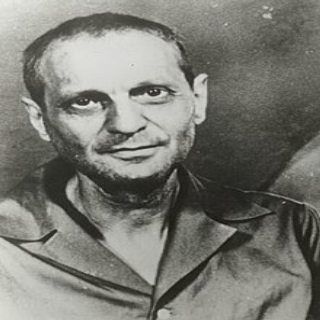 Richard Wurmbrand (1909 – 2001) was born in 1909 in Bucharist in the country of Romania. He was the youngest of four boys born in a Jewish family. He lived with his family in Istanbul for a short time. When he was 9, his father died and the Wurmbrands returned to Romania when he was 15.
He was sent to study Marxism in Moscow. When he returned, he was already a Comintern Agent. A Comintern Agent was a member of the Communist International Organisation which intended to fight:
Like other Romanian Communists, he was arrested and released several times.
He married Sabina Oster on 26th October 1936. Wurmbrand and his wife went to live in an isolated village high in the mountains of Romania. But, as a athiest there was no peace to be found in his heart. So one day, when his heart was in a state of turmoil he cried out:
“God, if perchance you exist, it is Your duty to reveal yourself to me.”
Shorthly after he prayed that prayer, he met a German carpenter in his village who gave him a bible. The carpenter and his wife had been praying earnestly that God would bring a Jew to his village, because the carpenter wanted to bring a Jew to Christ, because Jesus was a Jew. So the carpenter gave him a Bible to read. Wurmbrand said, when he opened that Bible he could not stop weeping. He had read the Bible before but it had meant nothing to him. This time when he opened the Bible he could barely read it because of the copious amount of tears that filled his eyes. Sometime later he found out the carpenter and his wife had been praying earnestly for him. Wurnbrand said that every word that he read were like flames of love burning in his heart. He realized for the first ime in his life that there was a God of love who loved him, even though he had beeen living a bad life and had nurtured a hated towards the concept of a ‘loving’ God.
The Power of Intercessory Prayer
But now for the first time he knew that Jesus had suffered at the cross of Calvary for his sins and he was loved and accepted of God. Richard and his wife became believers in Jesus the Messiah. All the hatred that he had formerly held toward God was washed away under the blood of Christ and Richard and his wife Sabrina were born of the Spirit. That is the power of intercessory prayer!
Richard prepared himself for the ministry. He was ordained as an Anglican minister in 1938 at the start of world war 2. Both Richard and his wife were arrested several times. They were beaten and hauled before a Nazi court. They suffered under the Nazi regime throughout world war 2. But Richard said, it was only a taste of what was to come.
Russian Troups Enter Romania
Towards the end of world war 2, Richard Wurmbrand became a Lutheran and he pastored a Lutheran church in Romania. But, the same year, 1 million Russian troups entered and occupied the entire territory of Romania.
Within a very short space of time the Communists took over Romania. The reign of terror began. Out of fear 4,000 priests, pastors & ministers became Communists overnight. They confessed their allegience and loyalty to the new Communist Government because they all feared for their survival.
Romania’s Resistance
Harsh persecutions of any enemies of the Communist government started with the Soviet occupation in 1945. The Soviet army behaved as an occupation force (although theoretically it was an ally against Nazi Germany), and could arrest virtually anyone at will. Shortly after Soviet occupation, ethnic Germans (who were Romanian citizens and had been living as a community in Romania for 800 years) were deported to the Donbas coal mines. Despite the King’s protest, who pointed out that this was against international law, an estimated 70,000 men and women were forced to leave their homes, starting in January 1945, before the war had even ended. They were loaded in cattle cars and put to work in the Soviet mines for up to ten years as “reparations”, where about one in five died from disease, accidents and malnutrition.
Once the Communist government became more entrenched, the number of arrests increased. All strata of society were involved, but particularly targeted were the pre-war elites, such as intellectuals, clerics, teachers, former politicians (even if they had left-leaning views) and anybody who could potentially form the nucleus of anti-Communist resistance. The existing prisons were filled with political prisoners, and a new system of forced labor camps and prisons was created, modeled after the Soviet Gulag. Some of the most notorious prisons included Sighet, Gherla, Piteşti and Aiud, and forced labor camps were set up at lead mines and in the Danube Delta.
Underground Church
Richard and his wife knew that Christianity and Communism were totally opposed to each other. They knew that a true follower of Christ cannot compromise. So they created an “Underground Church” movement to preach the pure gospel of Christ and to reach out to the unsaved people of Romania and secondly to reach out secretly to the Russian soldiers. They secretly printed thousands of Bibles and Christian literature and distributed it to the Russian soldiers. Many of the Russian soldiers were convicted and they gave their life to Christ.
So the underground church grew. But, in 1948 the Secret Police arrested Wurmbrand and he was placed in solitary confinement for 3 years. He was then transferred to a group cell for the next five years. Whilst in prison he continued to win the other prisoners to Christ. After 8 years in prison he was released and he immediately resumed his work with the undergound church. A few years later, 1959, he was arrested again and was sentenced to 25 years in prison. However, after spending 5 years in prison an organisation called the Christian Alliance negotiated with the Communist Government and they managed to secure his release for a fee of $10,000. They quickly got Richard Wurmbrand out of Romania and took him to England, then to the USA.
In 1966, Richard was called to Washington DC to give his testimony before the United States Senate. He took off his shirt to show the Senate the scars and the wounds that he received whilst he served time in prison under the Communist Government in Romania.
The newspapers throughout the USA, Europe and Asia carried his story all across the world. Christian leaders called him the “Voice of the Underground Church.”
In 1967, with a $100 old typewriter and 500 names and addresses, Richard Wurmbrand published the first issue of THE VOICE OF THE MARTYRS newsletter. This newsletter was dedicated to communicating the testimonies and trails facing our brothers and sisters in restricted nations worldwide. Richard wrote:
“The message I bring from the Underground Church is:
“Don’t abandon us!”
“Don’t forget us!”
“Don’t write us off!”
“Give us the tools we need! We will pay the price for using them!”
“This is the message I have been charged to deliver to the free church.”
Richard Wurmbrand and his wife travelled throughout the world to establish a network of over 30 offices. Their primary aim was to call Christians to shoulder their responsibility and to demonstrate the real substance of their faith by supporting their brothers and sisters in Christ who are being persecuted in heathen lands.
The VOICE OF THE MARTYRS newsletter continues to inform, and lead to action, Christians throughout the free world of the plight of those who suffer for their faith in Jesus Christ. Throughout their network of offices around the world, the newsletter is published in over 30 different languages. To this cause, VOICE OF THE MARTYRS presses on, serving in nearly 40 countries around the world where our brothers and sisters are systematically persecuted.
The writer of the Book of Hebrews brings a convicting word to the Christian church:
” Remember them that are in bonds, as bound with them; and them that suffer adversity, as being yourselves also in the body.”
(Hebrews 13:3)
We have a responsibility to those who suffer for their faith in Christ.
Today, there is an estimated 200 million Christians in heathen nations who are suffering persecution for their faith in Christ.
Richard Wurmbrand (1909 – 2001) was born in 1909 in Bucharist in the country of Romania. He was the youngest of four boys born in a Jewish family. He lived with his family in Istanbul for a short time. When he was 9, his father died and the Wurmbrands returned to Romania when he was 15.
He was sent to study Marxism in Moscow. When he returned, he was already a Comintern Agent. A Comintern Agent was a member of the Communist International Organisation which intended to fight:
Like other Romanian Communists, he was arrested and released several times.
He married Sabina Oster on 26th October 1936. Wurmbrand and his wife went to live in an isolated village high in the mountains of Romania. But, as a athiest there was no peace to be found in his heart. So one day, when his heart was in a state of turmoil he cried out:
“God, if perchance you exist, it is Your duty to reveal yourself to me.”
Shorthly after he prayed that prayer, he met a German carpenter in his village who gave him a bible. The carpenter and his wife had been praying earnestly that God would bring a Jew to his village, because the carpenter wanted to bring a Jew to Christ, because Jesus was a Jew. So the carpenter gave him a Bible to read. Wurmbrand said, when he opened that Bible he could not stop weeping. He had read the Bible before but it had meant nothing to him. This time when he opened the Bible he could barely read it because of the copious amount of tears that filled his eyes. Sometime later he found out the carpenter and his wife had been praying earnestly for him. Wurnbrand said that every word that he read were like flames of love burning in his heart. He realized for the first ime in his life that there was a God of love who loved him, even though he had beeen living a bad life and had nurtured a hated towards the concept of a ‘loving’ God.
The Power of Intercessory Prayer
But now for the first time he knew that Jesus had suffered at the cross of Calvary for his sins and he was loved and accepted of God. Richard and his wife became believers in Jesus the Messiah. All the hatred that he had formerly held toward God was washed away under the blood of Christ and Richard and his wife Sabrina were born of the Spirit. That is the power of intercessory prayer!
Richard prepared himself for the ministry. He was ordained as an Anglican minister in 1938 at the start of world war 2. Both Richard and his wife were arrested several times. They were beaten and hauled before a Nazi court. They suffered under the Nazi regime throughout world war 2. But Richard said, it was only a taste of what was to come.
Russian Troups Enter Romania
Towards the end of world war 2, Richard Wurmbrand became a Lutheran and he pastored a Lutheran church in Romania. But, the same year, 1 million Russian troups entered and occupied the entire territory of Romania.
Within a very short space of time the Communists took over Romania. The reign of terror began. Out of fear 4,000 priests, pastors & ministers became Communists overnight. They confessed their allegience and loyalty to the new Communist Government because they all feared for their survival.
Romania’s Resistance
Harsh persecutions of any enemies of the Communist government started with the Soviet occupation in 1945. The Soviet army behaved as an occupation force (although theoretically it was an ally against Nazi Germany), and could arrest virtually anyone at will. Shortly after Soviet occupation, ethnic Germans (who were Romanian citizens and had been living as a community in Romania for 800 years) were deported to the Donbas coal mines. Despite the King’s protest, who pointed out that this was against international law, an estimated 70,000 men and women were forced to leave their homes, starting in January 1945, before the war had even ended. They were loaded in cattle cars and put to work in the Soviet mines for up to ten years as “reparations”, where about one in five died from disease, accidents and malnutrition.
Once the Communist government became more entrenched, the number of arrests increased. All strata of society were involved, but particularly targeted were the pre-war elites, such as intellectuals, clerics, teachers, former politicians (even if they had left-leaning views) and anybody who could potentially form the nucleus of anti-Communist resistance. The existing prisons were filled with political prisoners, and a new system of forced labor camps and prisons was created, modeled after the Soviet Gulag. Some of the most notorious prisons included Sighet, Gherla, Piteşti and Aiud, and forced labor camps were set up at lead mines and in the Danube Delta.
Underground Church
Richard and his wife knew that Christianity and Communism were totally opposed to each other. They knew that a true follower of Christ cannot compromise. So they created an “Underground Church” movement to preach the pure gospel of Christ and to reach out to the unsaved people of Romania and secondly to reach out secretly to the Russian soldiers. They secretly printed thousands of Bibles and Christian literature and distributed it to the Russian soldiers. Many of the Russian soldiers were convicted and they gave their life to Christ.
So the underground church grew. But, in 1948 the Secret Police arrested Wurmbrand and he was placed in solitary confinement for 3 years. He was then transferred to a group cell for the next five years. Whilst in prison he continued to win the other prisoners to Christ. After 8 years in prison he was released and he immediately resumed his work with the undergound church. A few years later, 1959, he was arrested again and was sentenced to 25 years in prison. However, after spending 5 years in prison an organisation called the Christian Alliance negotiated with the Communist Government and they managed to secure his release for a fee of $10,000. They quickly got Richard Wurmbrand out of Romania and took him to England, then to the USA.
In 1966, Richard was called to Washington DC to give his testimony before the United States Senate. He took off his shirt to show the Senate the scars and the wounds that he received whilst he served time in prison under the Communist Government in Romania.
The newspapers throughout the USA, Europe and Asia carried his story all across the world. Christian leaders called him the “Voice of the Underground Church.”
In 1967, with a $100 old typewriter and 500 names and addresses, Richard Wurmbrand published the first issue of THE VOICE OF THE MARTYRS newsletter. This newsletter was dedicated to communicating the testimonies and trails facing our brothers and sisters in restricted nations worldwide. Richard wrote:
“The message I bring from the Underground Church is:
“Don’t abandon us!”
“Don’t forget us!”
“Don’t write us off!”
“Give us the tools we need! We will pay the price for using them!”
“This is the message I have been charged to deliver to the free church.”
Richard Wurmbrand and his wife travelled throughout the world to establish a network of over 30 offices. Their primary aim was to call Christians to shoulder their responsibility and to demonstrate the real substance of their faith by supporting their brothers and sisters in Christ who are being persecuted in heathen lands.
The VOICE OF THE MARTYRS newsletter continues to inform, and lead to action, Christians throughout the free world of the plight of those who suffer for their faith in Jesus Christ. Throughout their network of offices around the world, the newsletter is published in over 30 different languages. To this cause, VOICE OF THE MARTYRS presses on, serving in nearly 40 countries around the world where our brothers and sisters are systematically persecuted.
The writer of the Book of Hebrews brings a convicting word to the Christian church:
” Remember them that are in bonds, as bound with them; and them that suffer adversity, as being yourselves also in the body.”
(Hebrews 13:3)
We have a responsibility to those who suffer for their faith in Christ.
Today, there is an estimated 200 million Christians in heathen nations who are suffering persecution for their faith in Christ.
Talking Back to God - How His Promises Provoke Our Prayers
It is one of the most audacious, and awe-inspiring, moments in all of Scripture. In the wake of Israel’s shocking rebellion against God — blatantly violating the covenant God just made with them — Moses humbly dares to mediate between God and his people. At the climax of his intercession, and his careful yet determined dialogue with the living God, Moses makes what is perhaps the greatest, and most perceptive, petition a creature can of his Creator. And it is, after all, a prayer — a modest yet bold request, made by man, to God Almighty: “Please show me your glory.” That this is, in some sense, a special moment is plain. We do not stand in Moses’s sandals. We are not prophets called to mediate a covenant, nor do we live under that Sinai pact. Yet Moses’s prayer still functions as a model for the godly after him. It will not be the last prayer in Scripture for a sight of God’s glory, and rightly do the faithful echo it today. What might we who are in Christ learn about our own prayers from the amazing sequence of Moses’s pressing into God in Exodus 32–33? Can and Will God Forgive? Before wrestling with the prayer itself, we need to first acknowledge Moses’s haunting question: Could and would God forgive the people such a horrific breach of the covenant? Moses was not yet sure. He heard stories of his forefathers, encountered God at the bush, and witnessed the plagues in Egypt and the rescue in the Red Sea. Moses knew a powerful God who had delivered his people, but would he also forgive them? At first, it looked like he wouldn’t. When God first informed Moses, on the mountain, that the people had “corrupted themselves,” by making and worshiping a golden calf (32:7–8), God had said, “Let me alone, that my wrath may burn hot against them and I may consume them. . .” (32:10). As Moses began to plead that God withhold destruction, it was far from clear that any relationship of peace could be fully restored. God did relent of immediately consuming the people (32:14), yet the covenant remained broken. Although Moses went down the mountain, confronted the people in their rebellion, burnt the calf, disciplined the people (32:15–20), and oversaw the purging of the three thousand who led in the rebellion (32:21–29), Moses knew this did not restore what lay shattered. The next day, he returned to meet God on the mountain. What drives Moses’s sequence of prayer in Exodus 33 is the question he begins to ask in 32:32: Can and will Yahweh forgive? Will God restore the relationship, and dwell among them, after they had worshiped the golden calf? And as we will see, God draws prayer out of Moses, and then moves to answer Moses’s question, in a way far more powerful, and memorable, than if there had not been an unfolding, developing, deepening relationship with God. Moses, Teach Us to Pray Exodus 33 begins with God declaring to the people that even though he will give them the land promised to their forefathers, God himself will not go up among them (33:3). They mourn this “disastrous word.” They want him, not just the promised land. They humble themselves before God, taking off their ornaments “from Mount Horeb onward” (33:6). Even though the people heard this disastrous word, however, Moses continues to enjoy remarkable favor with God. In a tent pitched far off from the camp, God speaks with Moses (33:9), and verse 11 comments: “Thus the Lord used to speak to Moses face to face, as a man speaks to his friend.” This sets the scene for Moses’s remarkable intercessory prayer in 33:12–18. “In prayer, we respond to God. . . . First, we hear his voice in Scripture; then we access his ear in prayer.” Observe, then, at least three lessons Christians today might take from Moses’s otherwise inimitable prayer. 1. Prayer responds to God. The living God takes the initiative. He first announced to Moses the people’s breach of the covenant (32:7–10). And he revealed his enduring favor on Moses, prompting the prophet to reply. So too for us. We don’t just “dial up” God in prayer when we so wish. First, he speaks, as he has revealed himself in his world, and in his word, and in his Son, the Word. In prayer, we respond to him in light of his revelation to us. First, we hear his voice in Scripture; then we access his ear in prayer. We pray in light of what he has promised. 2. Prayer pleads God’s reputation and glory. When God announces to Moses the peoples’ sin, and the intention to destroy them and start over with him, Moses’s reflex is to lean into God’s own reputation. This is a good reflex. “Why should the Egyptians say, ‘With evil intent did he bring them out, to kill them in the mountains and to consume them from the face of the earth’?” (Exodus 21:12). Moses prays for God to turn from righteous anger and relent “from this disaster against your people,” for God’s own name’s sake. Moses does not plea the people’s worth — or their humanity, made in God’s image — but God’s choice and word. He chose them as his people. “At the bottom of prayer to a God like ours is our longing for his face, not merely the provisions of his hand.” Today we are in good company to pray for God’s own reputation in the world, and to take notice of, and pray, God’s own promises back to him. God loves for his people to pray in light of what he’s said to us, to make our pleas in response to his promises. And praying for his glory not only concerns God’s reputation in the world, but also, and most significantly, our own knowing and enjoying him. At the bottom of prayer to such a God is our longing for his face, not merely the provisions of his hand. 3. Prayer can be incremental and sequential. We might even call Moses’s prayer “dialogical.” It is striking how relational his process and sequence of prayer is in these chapters. At the heart of the “dialogue,” reverent as it is, is whose people the Israelites are, a topic God introduces and draws Moses into. First, to Moses, God calls them, after their sin, “your people, whom you brought up out of the land of Egypt” (32:7). Then God introduces the surprising tension of his ongoing favor on Moses. God will consume the people and “make a great nation” of Moses (32:9–10). This favor, combined with calling the nation “your people,” presents Moses an invitation to reply in prayer. Moses asks to know more about this God — “please show me now your ways” (33:13) — to discern whether God will forgive his stiff-necked nation. And Moses meekly, but importantly, appends this to this first plea: “Consider too that this nation is your people.” God answers positively, though briefly: “My presence will go with you, and I will give you rest” (33:14). The short reply invites Moses to press in further, for the sake of the people. His “me” moves to “us.” He pleads for “I and your people”; then again “we . . . I and your people.” Moses identifies himself with the people, asking that God’s favor on him extend to them. Prayer, by human persons to the living and personal God, is far more than transactional. It is relational, and often incremental, with measured, humble boldness. God leads us, like Moses, into prayer. We make our requests. He answers in time. We learn more of him, which leads us to ask to see more of him. ‘Show Me Your Glory’ Moses’s prayerful dialogue with God has become more and more daring — slowly, one incremental plea at a time: Don’t consume your people (32:11–13). Please forgive your people (32:31–32). Show me your ways (33:13). Count the people with me in my favor with you (33:15–16). And now, most boldly, “Please show me your glory” (33:18). This short but daring plea will be Moses’s last. He will not speak again until 34:9, when he finally completes the plea for forgiveness he left unfinished in 32:32. In Exodus 33:19, God begins to respond: I will make all my goodness pass before you and will proclaim before you my name ‘The Lord.’ And I will be gracious to whom I will be gracious, and will show mercy on whom I will show mercy. (Exodus 33:19) Moses receives his full answer, however, a chapter later in Exodus 34:7 with another revelation: The Lord passed before him and proclaimed, “The Lord, the Lord, a God merciful and gracious, slow to anger, and abounding in steadfast love and faithfulness, keeping steadfast love for thousands, forgiving iniquity and transgression and sin. (Exodus 34:6–7). The driving question has been answered, and so Moses bows in worship and prays with confidence, “O Lord, please let the Lord go in the midst of us . . . and pardon our iniquity and our sin . . .” (34:9). Having prayed, and seen the glory in God’s declarations about his character, his goodness, his mercy, his grace, Moses is confident that God will grant forgiveness and renew the covenant. Christ, Our Moses For Christians today, any Moses-like leveraging of God’s favor we know to be firmly grounded in his favor on Christ. More significant than our echoes and imitations of Moses is the fulfillment of his intercession, and final mediation for God’s people, in Jesus. We may indeed glean some categories and concepts from Moses’s prayers. Yet, as we come in Christ to Exodus 32–33, we identify not only with the prophet, but with the people. They are “stiff-necked.” Rebellious. Deserving of divine justice. Desperate for mercy and grace. But in Christ, we have one far greater than Moses who intercedes for us, leveraging his own perfect favor with God on our behalf. Jesus, our great high priest, “has passed through the heavens,” and calls us to “draw near with confidence to the throne of grace, [to] receive mercy and find grace to help in time of need” (Hebrews 4:14, 16). And he does so not only as new-covenant mediator and intercessor, but also as the very one in whose face we see the glory of God. What was unique in ancient Israel — speaking to God “as a man speaks to his friend” — is offered to all who are in Christ. God now invites us to come to him as Father, and to come to Christ as husband — the deepest and nearest of human relationships — not to make requests, get what we want, pivot, and go back to life apart from him, but to come closer, and nearer, through prayer, and discover again and again that he himself, in Christ, is the great reward.