







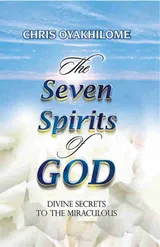


About the Book
"When God Visits You" by Pastor Chris Oyakhilome is a spiritual guide that explores the concept of divine visitation and how it can transform individuals' lives. Through biblical teachings and personal anecdotes, the author explains the importance of recognizing and responding to God's presence in various aspects of life. The book emphasizes the power of faith, prayer, and obedience in experiencing God's blessings and miracles. Overall, it encourages readers to cultivate a deeper relationship with God to receive His abundant grace and favor.
Rich Mullins
 Born Richard Wayne Mullins on October 21, 1955, in Richmond, IN; died on September 19, 1997, in La Salle County, IL; son of John and Neva Mullins. Education: Attended Friends University, Wichita, KS, late 1980s.
The talents of Contemporary Christian singer/songwriter Rich Mullins and his work with the group Zion were first noticed by Christian music superstar Amy Grant. The inclusion of his song "Sing Your Praise to the Lord" on Grant's Age to Age album in 1982 soon lead to deals with Reunion Records and the start of a successful career as a songwriter and singer. With nearly ten albums and numerous Contemporary Christian hit songs to his credit, Mullins's career was cut short by an automobile accident that took his life on September 19, 1997, in Illinois.
Raised near Richmond, Indiana, Mullins began writing songs in his head as he drove a tractor over the fields of his family's farm. He taught himself to play the piano at age four and soon mastered a number of other instruments as well, including the guitar and hammered dulcimer. Long before his birth, however, factors over which he had no control were beginning to shape the world in which he would grow up. In Rich Mullins: An Arrow Pointing to Heaven by James Bryan Smith, the singer tells of some family history and how it came to affect his life: "My dad grew up back and forth between Kentucky and Virginia because his father was a coal miner. And when my dad was 14 my grandpa came home and told my grandma to load up the truck 'cause they were gonna move.... And my grandpa said, 'Well, Rose, we're going to Detroit.' And she said, 'Why in the world are we going to Detroit?' And he said, 'Because I don't want my boys to grow up to be coal miners.' And so they got as far as Indiana and ran out of gas--and that's how I got here."
As a boy, Mullins was known as Wayne, his middle name. Although he went by Richard when he went off to college and shortened that to Rich when he launched his music career, he preferred to be known as Wayne by his family. Mullins was particularly close to his mother, Neva, who was raised a Quaker. He admits, however, to having been somewhat embarrassed by his father, who was raised in the heart of Appalachia, "which is a very polite way to say that he was a hillbilly," Mullins told Smith. Mullins said that it was not until he was nearing the end of high school that he began to understand the true meaning of the biblical injunction to "honor thy father and mother." In Smith's book Mullins is quoted: "[I]f you cannot honor your father and mother, then you can't honor anybody. Until you come to terms with your heritage, you'll never be at peace with yourself. That was a real breakthrough moment for me. So, what I needed to do was come to understand the Appalachian life, so that I could know more about my father, who had been a stranger to me all my life."
In 1974, after finishing high school, Mullins attended Cincinnati Bible College in Ohio, working as a youth minister in a local church. A couple of years into college, he formed a band of his own. The band only stayed together for about a year, and during that time it performed Christian music at schools and colleges throughout the Cincinnati area. In the late 1970s Mullins left college to work with Zion Ministries and perform with their band, aptly named Zion. In the summer of 1981 a copy of an album recorded by Zion--made up mostly of songs written by Mullins--found its way to Christian singer Amy Grant. The up-and-coming Grant and her managers were impressed by Mullins's "Sing Your Praise to the Lord" and decided to include it on Grant's next album, Age to Age, released in 1982. Mike Blanton, an adviser to Grant and founder of Reunion Records, signed Mullins to his first publishing deal as well as his first artist deal.
Mullins's first album for Reunion, self-titled, was released in 1986 and includes such songs as "Place to Stand," "Elijah," and "Few Good Men." He followed that in 1987 with Pictures in the Sky, which includes "When You Love," "Be with You," and "Verge of a Miracle." Winds of Heaven, Stuff of Earth, Mullins's third album for Reunion, was released in 1989 and features "Awesome God," "Other Side of the World," and "If I Stand." Also hitting music stores in 1989 was Never Picture Perfect, which includes the singles "I Will Sing," "While the Nations Rage," and "First Family."
In 1988 Mullins moved to Wichita, Kansas, to study music education at Friends University, a nondenominational Christian institution. While studying at Friends, he continued to record and perform whenever he could. In 1991 and 1992, he released two volumes of a compilation entitled World As Best As I Remember It. After completing his studies at Friends, Mullins joined a Compassion International mission to the vast Navajo Reservation in Arizona to teach music to the local children and spread the Christian gospel to whomever he could reach. As part of his work in the Navajo Nation, he formed a music club for some of the younger residents. In May of 1995, he moved to the Navajo Nation, settling into a trailer adjacent to the reservation. He lived there with fellow musician Mitch McVicker, and the two were involved in a project to collect musical instruments for the children of the reservation.
Throughout his career, Mullins has been nominated a total of 12 times for Dove Awards, presented each year to the best in Contemporary Christian music. He never received the award, but close friend Doris Howard told Release magazine that he probably didn't mind. "Nashville didn't own Rich, but then, he cared nothing for the things of this world."
On September 19, 1997, the Jeep in which Mullins and McVicker were traveling from Chicago to Wichita overturned on Interstate 39 in La Salle County, Illinois. Both men were thrown onto the road from their vehicle. A tractor trailer following close behind swerved to miss the Jeep but instead hit Rich, killing him instantly. McVicker, though injured critically, recovered.
Rich Mullins's Career
Joined Christian group Zion, late 1970s; released self-titled album for Reunion Records, 1986; recorded total of nine albums of Christian music for Reunion, 1986-96; wrote several Contemporary Christian hits, including "Awesome God" and "Sing Your Praise to the Lord"; studied music education, devoted time to relief efforts among Navajo Indians of the Southwest, mid-1990s.
Born Richard Wayne Mullins on October 21, 1955, in Richmond, IN; died on September 19, 1997, in La Salle County, IL; son of John and Neva Mullins. Education: Attended Friends University, Wichita, KS, late 1980s.
The talents of Contemporary Christian singer/songwriter Rich Mullins and his work with the group Zion were first noticed by Christian music superstar Amy Grant. The inclusion of his song "Sing Your Praise to the Lord" on Grant's Age to Age album in 1982 soon lead to deals with Reunion Records and the start of a successful career as a songwriter and singer. With nearly ten albums and numerous Contemporary Christian hit songs to his credit, Mullins's career was cut short by an automobile accident that took his life on September 19, 1997, in Illinois.
Raised near Richmond, Indiana, Mullins began writing songs in his head as he drove a tractor over the fields of his family's farm. He taught himself to play the piano at age four and soon mastered a number of other instruments as well, including the guitar and hammered dulcimer. Long before his birth, however, factors over which he had no control were beginning to shape the world in which he would grow up. In Rich Mullins: An Arrow Pointing to Heaven by James Bryan Smith, the singer tells of some family history and how it came to affect his life: "My dad grew up back and forth between Kentucky and Virginia because his father was a coal miner. And when my dad was 14 my grandpa came home and told my grandma to load up the truck 'cause they were gonna move.... And my grandpa said, 'Well, Rose, we're going to Detroit.' And she said, 'Why in the world are we going to Detroit?' And he said, 'Because I don't want my boys to grow up to be coal miners.' And so they got as far as Indiana and ran out of gas--and that's how I got here."
As a boy, Mullins was known as Wayne, his middle name. Although he went by Richard when he went off to college and shortened that to Rich when he launched his music career, he preferred to be known as Wayne by his family. Mullins was particularly close to his mother, Neva, who was raised a Quaker. He admits, however, to having been somewhat embarrassed by his father, who was raised in the heart of Appalachia, "which is a very polite way to say that he was a hillbilly," Mullins told Smith. Mullins said that it was not until he was nearing the end of high school that he began to understand the true meaning of the biblical injunction to "honor thy father and mother." In Smith's book Mullins is quoted: "[I]f you cannot honor your father and mother, then you can't honor anybody. Until you come to terms with your heritage, you'll never be at peace with yourself. That was a real breakthrough moment for me. So, what I needed to do was come to understand the Appalachian life, so that I could know more about my father, who had been a stranger to me all my life."
In 1974, after finishing high school, Mullins attended Cincinnati Bible College in Ohio, working as a youth minister in a local church. A couple of years into college, he formed a band of his own. The band only stayed together for about a year, and during that time it performed Christian music at schools and colleges throughout the Cincinnati area. In the late 1970s Mullins left college to work with Zion Ministries and perform with their band, aptly named Zion. In the summer of 1981 a copy of an album recorded by Zion--made up mostly of songs written by Mullins--found its way to Christian singer Amy Grant. The up-and-coming Grant and her managers were impressed by Mullins's "Sing Your Praise to the Lord" and decided to include it on Grant's next album, Age to Age, released in 1982. Mike Blanton, an adviser to Grant and founder of Reunion Records, signed Mullins to his first publishing deal as well as his first artist deal.
Mullins's first album for Reunion, self-titled, was released in 1986 and includes such songs as "Place to Stand," "Elijah," and "Few Good Men." He followed that in 1987 with Pictures in the Sky, which includes "When You Love," "Be with You," and "Verge of a Miracle." Winds of Heaven, Stuff of Earth, Mullins's third album for Reunion, was released in 1989 and features "Awesome God," "Other Side of the World," and "If I Stand." Also hitting music stores in 1989 was Never Picture Perfect, which includes the singles "I Will Sing," "While the Nations Rage," and "First Family."
In 1988 Mullins moved to Wichita, Kansas, to study music education at Friends University, a nondenominational Christian institution. While studying at Friends, he continued to record and perform whenever he could. In 1991 and 1992, he released two volumes of a compilation entitled World As Best As I Remember It. After completing his studies at Friends, Mullins joined a Compassion International mission to the vast Navajo Reservation in Arizona to teach music to the local children and spread the Christian gospel to whomever he could reach. As part of his work in the Navajo Nation, he formed a music club for some of the younger residents. In May of 1995, he moved to the Navajo Nation, settling into a trailer adjacent to the reservation. He lived there with fellow musician Mitch McVicker, and the two were involved in a project to collect musical instruments for the children of the reservation.
Throughout his career, Mullins has been nominated a total of 12 times for Dove Awards, presented each year to the best in Contemporary Christian music. He never received the award, but close friend Doris Howard told Release magazine that he probably didn't mind. "Nashville didn't own Rich, but then, he cared nothing for the things of this world."
On September 19, 1997, the Jeep in which Mullins and McVicker were traveling from Chicago to Wichita overturned on Interstate 39 in La Salle County, Illinois. Both men were thrown onto the road from their vehicle. A tractor trailer following close behind swerved to miss the Jeep but instead hit Rich, killing him instantly. McVicker, though injured critically, recovered.
Rich Mullins's Career
Joined Christian group Zion, late 1970s; released self-titled album for Reunion Records, 1986; recorded total of nine albums of Christian music for Reunion, 1986-96; wrote several Contemporary Christian hits, including "Awesome God" and "Sing Your Praise to the Lord"; studied music education, devoted time to relief efforts among Navajo Indians of the Southwest, mid-1990s.
come, look through this telescope
He gave . . . teachers, to equip the saints for the work of ministry, for building up the body of Christ, until we all attain to the unity of the faith and of the knowledge of the Son of God. (Ephesians 4:11–13) When you look heavenward on a clear night, you can see glory. But look through a strong telescope, and your mouth may drop. That’s what sitting under a gifted teacher can be like. God gave teachers to the church so that saints like us will see more glory than we would have on our own. He appoints them to study the cosmos of the Scriptures, look deeper into the galaxies of God’s revelation, see more glory than the rest of us fellow heirs would perceive with the naked eye of our own soul, and then labor to help us see it too. God gives some teachers extraordinary gifts to aid an extraordinary number of saints. One of those teachers is Jonathan Edwards. See the Whole Universe If all you know of Edwards is that he wrote the famous sermon, “Sinners in the Hands of an Angry God,” then take special note of this observation by John Piper: “Identifying Jonathan Edwards with ‘Sinners in the Hands of an Angry God’ is like identifying Jesus with the woes against Chorazin and Bethsaida” (Matthew 11:21; Luke 10:13). The woes and wrath are real. But they are just one constellation in the biblical cosmos of God’s glory. There is a universe more to see! When Edwards looked through the lens of Scripture, he saw galaxies of God’s glory that drop the jaw and captivate the soul. He peered further than perhaps anyone else into the mysteries of God’s sovereignty and the nature of the Trinity, and he left for us unparalleled explanations of God’s purpose for creation, the nature of love, the justice of hell, and the crucial importance of the truth that “ God is glorified not only by his glory’s being seen, but by its being rejoiced in. ” Sound familiar? Be Captivated by Glory But oh, that explanation doesn’t come close to doing Edwards justice! Reading Edwards really is like looking through a high-powered telescope, into the night sky of Scripture, ablaze with the glory of God. You simply need to come take a look for yourself! So come! Come, take a look! You will be amazed, and, I pray, captivated by what you see.